

⚡ Galatz Roller Pigeon at a Glance: Key Specifications & Benchmarks
| Scientific Classification | Columba livia domestica (Romanian Aerial Acrobat Columbid) |
| Breed Origin & Heritage | Galati (Galați), Romania (Developed late 19th Century) |
| Mature Adult Cock Weight | 11.0 to 13.0 oz (312 to 369 g) |
| Mature Adult Hen Weight | 10.0 to 12.0 oz (283 to 340 g) |
| Acrobatic Style Standard | Rapid series of deep vertical spins, backward pirouettes & dives |
| Kit Flying Altitude & Duration | Medium to high altitude circling for 30 to 60 minutes |
| Temperament & Handling Index | Lively, highly alert, intelligent, rapid trapper |
| Primary Agricultural Purpose | Aerial performance flying, acrobatics preservation, aviary hobby |
The Galatz Roller pigeon, known in its native homeland as the Jucător de Galați, represents one of Eastern Europe’s most celebrated performing avian treasures. Developed in the historic Danube port city of Galați, Romania, this spirited columbid was selectively perfected by generations of passionate fanciers. The breed combines graceful high-altitude kit flying with explosive, deep-rolling acrobatic descents that leave spectators spellbound. Proper record-keeping makes breeding and culling decisions easier for Galatz Roller Pigeon keepers.
In our dedicated pigeon and aviary guides, performing roller specialists note that the Galatz Roller displays a distinct flight style compared to Western European rollers. While British rollers focus heavily on tight, synchronized kit turns, the Galatz Roller performs extended individual rolling sequences. Birds execute dozens of rapid backward somersaults in breathtaking vertical drops, pulling out smoothly before climbing back into formation. Providing adequate space and ventilation prevents common stress issues in Galatz Roller Pigeon.
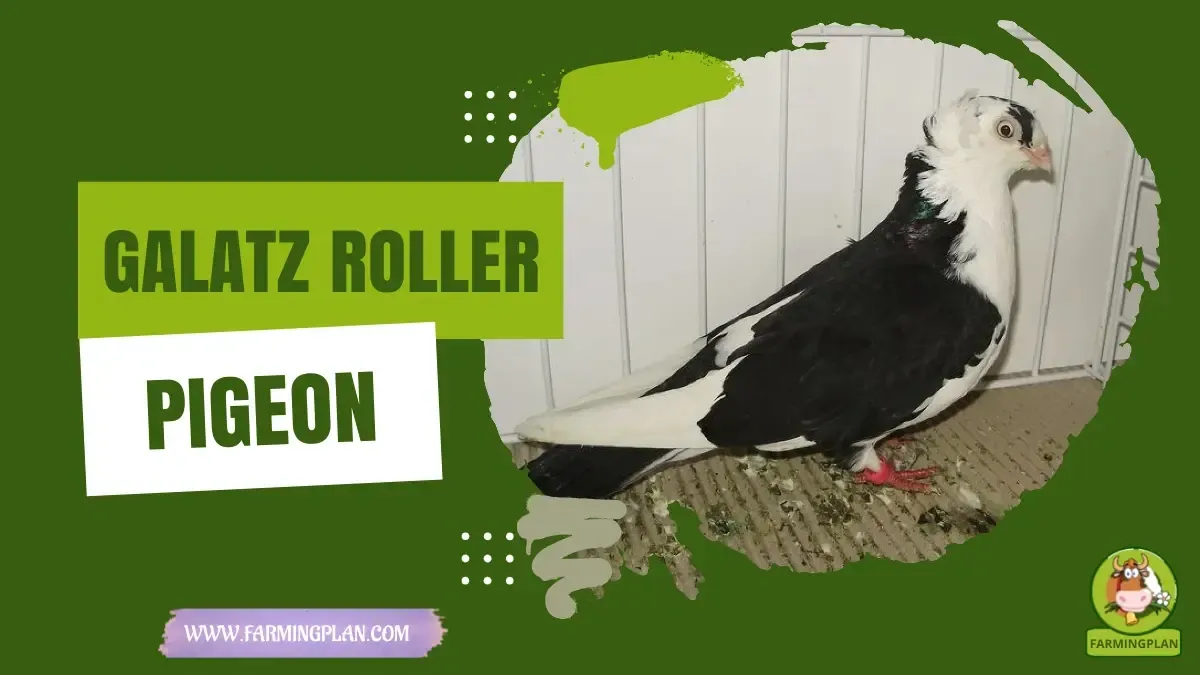
Beyond its dazzling aerial skills, the Galatz Roller is widely admired for its striking physical beauty and energetic temperament. The breed features clean leg feathering, lively pearl eyes, and a broad range of eye-catching color patterns. Birds exhibit exceptional spatial awareness, homing instincts, and rapid trapping agility, allowing them to evade birds of prey more effectively than heavier exhibition varieties. Understanding breed-specific traits helps maximize Galatz Roller Pigeon longevity and output.
For North American homesteaders and aviculturalists, raising Galatz Rollers offers an exciting blend of living history and aerial performance. These hardy pigeons adapt smoothly to diverse climatic conditions, thriving in simple backyard lofts. Their prolific breeding habits, robust disease resistance, and loyal devotion to the home loft make them an outstanding choice for dedicated aviary stewards. Routine preventive care saves time and lowers veterinary costs for Galatz Roller Pigeon.
Physical Characteristics & Breed Standards
Standardized by Romanian and European columbid federations, the Galatz Roller must possess an athletic, muscular frame that balances structural resilience with aerial nimbleness. Fanciers maintain rigorous selection standards to ensure birds retain both show-bench symmetry and genuine performance ability. Matching forage or ration quality to life stage optimizes Galatz Roller Pigeon growth.
Cranial Structure, Eye Sign & Beak Conformation
The head is neatly rounded and moderately arched, with both plain-headed and crested varieties recognized in standard shows. Crested specimens feature a neat, symmetrical shell crest at the back of the skull that terminates cleanly behind the ear tufts without coarse rosettes.
The eyes are bright, expressive, and predominantly pearl or porcelain-white, surrounded by a thin, smooth cere ranging from pale flesh to light gray. The beak is medium in length, strong at the base, and set cleanly into the forehead. The wattle is small, smooth, and powdery white, indicating prime health. Gradual dietary transitions protect digestive stability in Galatz Roller Pigeon.
Body Proportions, Wings & Tail Alignment
The body is compact, cobby, and medium in size, with a broad, rounded breast carried proudly forward. The back slopes gently downward to a tightly folded tail that measures roughly one to one and a half feathers wide. The keel bone is medium in depth and heavily muscled, providing sturdy support during rapid rotational turns. Selecting healthy foundation stock is the cornerstone of successful Galatz Roller Pigeon management.
Wings are powerful and broad, with strong primary flights that rest cleanly over the tail feathers without drooping or crossing. Shanks and toes are unfeathered, clean, and bright coral-red. Plumage is remarkably dense, silky, and close-fitting, creating minimal wind drag during high-velocity descents. Good predator-proofing and dry bedding safeguard Galatz Roller Pigeon comfort in harsh weather.
⚡ Galatz Roller Pigeon Performance & Production Matrix
| Performance Benchmark | Aerial Acrobatic Standard | Breeding Stock Standard |
|---|---|---|
| Mature Cock Weight | 11.5 to 12.8 oz (326 to 363 g) | 12.0 to 13.2 oz (340 to 374 g) |
| Mature Hen Weight | 10.2 to 11.5 oz (289 to 326 g) | 10.5 to 12.0 oz (298 to 340 g) |
| Roll Execution Depth | 20 to 40 ft rapid backward roll | Genetic spinning verification |
| Flight Kit Duration | 35 to 60 minutes sustained flight | Daily aviary exercise |
| Aerial Trapping Speed | Rapid entry within 90 seconds | Calm, responsive handling |
| Annual Squab Production | 8 to 12 flying prospects | 10 to 14 robust squabs |
Breed History, Heritage & North American Development
The Galatz Roller developed along the commercial trade routes of the lower Danube River during the nineteenth century. The port city of Galați served as a bustling crossroads where Romanian fanciers crossbred Oriental Rollers, Turkish tumblers, and local flying pigeons to produce an agile, long-rolling performer suited to the windy river plains. Monitoring water quality and mineral balance directly benefits Galatz Roller Pigeon vitality.
Romanian breeders placed immense cultural pride in their local rollers, holding regional competitions where flying kits were judged directly from city rooftops. Over decades of selective breeding, they fixed the breed’s trademark tumbling velocity, ensuring that birds roll backward in a clean vertical line rather than wobbling laterally. Practical hands-on husbandry ensures consistent results when raising Galatz Roller Pigeon.
Following the mid-twentieth century, the breed gained international popularity across Western Europe and North America. Immigrant aviculturists established breeding colonies in the United States and Canada, forming specialty clubs to preserve original Romanian bloodlines. Today, the Galatz Roller enjoys an enthusiastic following among fanciers who value energetic flying action combined with classic European heritage.
Housing, Shelter Dimensions & Winter Hardiness
Providing functional, dry housing is essential to maintain the vibrant plumage and sharp reflexes of Galatz Rollers. Lofts should be elevated off the ground to prevent dampness and deter burrowing rodents like rats and mice. Early intervention at the first sign of lethargy protects overall Galatz Roller Pigeon flock or herd health.
The loft interior should be partitioned into a flying kit section and a breeding area. Flying birds should be provided with individual box perches measuring 9 inches wide by 8 inches deep to prevent crowding and territorial fighting. Breeding compartments should measure at least 24 inches wide by 16 inches high with dual nest bowl setups. Structured culling and biosecurity protocols strengthen Galatz Roller Pigeon genetic quality.
Galatz Rollers are exceptionally hardy and comfortably endure harsh North American winters down to sub-zero temperatures. Their dense plumage and compact build shield them against cold weather, provided lofts remain dry and well-ventilated. In summer, attach an enclosed wire flight aviary so birds can enjoy sunshine, fresh breezes, and weekly rain showers. Maintaining clean feeders and sanitized equipment supports sustainable Galatz Roller Pigeon care.
Nutritional Requirements, Daily Rations & Feeding Protocols
Feeding acrobatic pigeons requires disciplined nutritional management. To perform multiple vertical rolling sequences without tiring, Galatz Rollers need clean, easily digestible grains that supply energy without creating excess abdominal fat. Consistent daily observation helps keepers spot early changes in Galatz Roller Pigeon health and behavior.
A balanced daily flying ration should contain 13 to 14 percent crude protein. An optimal mix consists of 35 percent red wheat, 25 percent milo, 20 percent Canadian field peas, 10 percent barley, and 10 percent safflower seed. During the autumn feather molt, increase protein to 16 percent and supplement with oil seeds like black oil sunflower and flax to support dense plumage regrowth.
Unlike heavy utility squab breeds such as the Mondaine pigeon that require high-protein grower crumbles, Galatz Rollers stay healthiest on measured grain rations. Feed approximately 28 to 32 grams per adult bird daily after flight practice. Always keep fresh mineral grit, crushed oyster shell, and clean drinking water available daily. Clean housing, fresh water, and balanced nutrition remain essential for Galatz Roller Pigeon productivity.
Health Management, Common Diseases & Biosecurity Standards
Performing birds that fly outside face potential exposure to environmental pathogens and wild columbid populations. According to biosecurity advisories from the USDA APHIS Avian Health division, maintaining strict sanitation schedules is essential to prevent infectious avian diseases. Tracking feed intake and body condition supports long-term Galatz Roller Pigeon performance.
Canker (trichomoniasis) remains the most common protozoal challenge in domestic lofts, causing throat lesions and crop inflammation that hinder feeding. Administer preventative treatments prior to pairing breeders in spring, and clean drinking fountains daily with organic apple cider vinegar to suppress protozoal growth. Following biosecurity best practices reduces disease risk in any Galatz Roller Pigeon operation.
Vaccination against pigeon paramyxovirus (PMV-1) is critical for all performing kits. Inoculate young birds at 4 to 6 weeks of age, followed by an annual adult booster. Conduct regular microscopic fecal checks to monitor coccidiosis and roundworms, administering targeted treatments only when parasite thresholds warrant intervention. Seasonal adjustments to shelter and diet keep Galatz Roller Pigeon thriving year-round.
Breeding Management, Incubation & Brooding Offspring
Selective breeding of Galatz Rollers requires evaluating both structural beauty and aerial performance. Breeders should mate proven flyers that exhibit smooth recovery and tight kit flying, avoiding birds that roll down recklessly or display loose wing carriage. Proper record-keeping makes breeding and culling decisions easier for Galatz Roller Pigeon keepers.
Pairs form strong lifelong bonds and share parental responsibilities equally. Hens lay two smooth white eggs, with incubation lasting 17 to 19 days. Both parents produce rich, enzyme-filled crop milk to nourish newly hatched squabs during their first ten days of rapid skeletal growth.
Fit squabs with seamless 8 mm aluminum leg bands between 7 and 10 days of age to establish pedigree documentation. Wean young rollers at 28 to 30 days into a dedicated young bird loft. Fanciers often house them alongside related acrobatic breeds like the Tumbler pigeon family to encourage early flocking and disciplined trapping habits. Providing adequate space and ventilation prevents common stress issues in Galatz Roller Pigeon.
US Ownership Budget & Annual Maintenance Costs
Owning a performing flock of Galatz Rollers represents an economical, rewarding homestead hobby. Due to their compact size and modest daily feed consumption, maintenance costs remain very manageable throughout the entire year. Understanding breed-specific traits helps maximize Galatz Roller Pigeon longevity and output.
Acquiring quality breeding stock from established Romanian or North American roller fanciers typically ranges from 50 to 125 dollars per pair. Feed expenses for a flock of 30 birds average between 300 and 450 dollars per year when purchasing whole grains in bulk 50-pound bags. Routine preventive care saves time and lowers veterinary costs for Galatz Roller Pigeon.
⚡ Estimated Annual Budget & Maintenance Costs (USD)
| Expense Category | Annual Cost Range (USD) | Management Notes & Specifications |
|---|---|---|
| Acrobatic Grain & Seed Rations | $310 – $460 | Clean 14% protein seed blends (50-lb bags) |
| Mineral Grit, Charcoal & Tonics | $45 – $75 | Insoluble red stone grit, oyster shell & vitamins |
| Loft Bedding & Aviary Sanitizers | $50 – $90 | Kiln-dried pine shavings & virucidal sprays |
| Preventative Vaccines & Dewormers | $60 – $115 | PMV-1 vaccines, canker treatments & dewormers |
| Club Registration & Seamless Bands | $35 – $65 | Official leg bands & regional club dues |
| Loft Maintenance & Bobs Hardware | $70 – $160 | Hardware cloth repairs, trap bobs & perches |
| Total Annual Operating Budget | $570 – $965 | Estimated for an active kit loft of 30 birds |
🕊️ Galatz Roller Pigeon Loft & Grain Mix Calculator
Estimate daily grain ration (lbs), mineral grit, monthly 50-lb feed bags, and minimum indoor loft and outdoor aviary space (sq ft) for your Galatz Roller Pigeon loft.
Frequently Asked Questions (FAQ)
What makes Galatz Rollers different from Birmingham Rollers?
While Birmingham Rollers focus on synchronized kit turns where many birds roll together, Galatz Rollers are known for deeper individual rolling sequences. They execute rapid backward spins that descend vertically for 20 to 40 feet before pulling out smoothly.
Are Galatz Roller pigeons difficult to train?
No, Galatz Rollers are highly intelligent and learn loft trapping routines quickly. By releasing them hungry and feeding them immediately inside the trap, handlers establish strong behavioral conditioning within a few short weeks.
Do Galatz Rollers roll into the ground?
Well-bred Galatz Rollers possess sharp recovery reflexes and rarely roll into the ground. However, over-rolling can occur if birds are fed too heavily or bred carelessly. Fanciers immediately cull persistent roll-downs from their breeding pens.
How many years do Galatz Roller pigeons live?
In a dry, predator-proof loft with balanced nutrition and routine veterinary vaccinations, Galatz Rollers live an average of 10 to 14 years. Many breeding pairs remain fertile and productive well past eight years of age.
Can Galatz Rollers be kept as pets?
Yes, Galatz Rollers make delightful aviary pets due to their lively demeanor, calm handling nature, and fascinating flying skills. They form affectionate bonds with their handlers and thrive in both urban lofts and rural homesteads.
Expert Verdict & Next Steps for Galatz Roller Keepers
The Galatz Roller pigeon represents an exceptional union of Old World avian heritage and high-energy aerial acrobatics. Success with this lively Romanian performer requires consistent kit discipline, measured grain feeding, and selective genetic management that preserves clean vertical spinning. Keepers who maintain these standards enjoy an exhilarating flying spectacle every time their kit takes to the sky. Matching forage or ration quality to life stage optimizes Galatz Roller Pigeon growth.
For aviculturists interested in exploring diverse regional tumbling breeds, comparing flight mechanics with Russian varieties like the Russian Tumbler pigeon offers fascinating insights into Eastern European breeding traditions. Join national columbid associations, secure certified bloodlines from experienced breeders, and construct a predator-proof loft to start your flock today.
📚Agricultural Reference & Scientific Citations
Conformation standards, veterinary biosecurity protocols, and acrobatic flight nutrition cited in this guide adhere to verified publications from the USDA Animal and Plant Health Inspection Service, the American Poultry Association, and European columbid registries.


