

⚡ Mondaine Pigeon at a Glance: Key Specifications & Benchmarks
| Scientific Classification | Columba livia domestica (Heavyweight Utility Squab Columbid) |
| Breed Origin & Heritage | France and Switzerland (Refined for heavy meat yield, 19th Century) |
| Mature Adult Cock Weight | 30 to 36 oz (850 to 1,020 g) |
| Mature Adult Hen Weight | 27 to 32 oz (765 to 907 g) |
| Average Squab Dressed Weight | 18 to 22 oz (510 to 624 g) at 28 days |
| Housing System Standard | Spacious floor pens with low, accessible double-nest boxes |
| Annual Squab Productivity | 10 to 14 premium gourmet squabs per breeding pair |
| Primary Agricultural Purpose | Commercial gourmet squab meat, exhibition utility class, aviary |
The Mondaine pigeon represents the pinnacle of European utility columbid breeding. Developed over centuries in France and Switzerland, this massive, elegant bird was created specifically to supply upscale European dining markets with tender, heavy squabs. Today, the French Mondaine and Swiss Mondaine strains are celebrated worldwide for their massive breast development, docile temperament, and handsome exhibition carriage. Maintaining clean feeders and sanitized equipment supports sustainable Mondaine Pigeon care.
In our comprehensive pigeon and aviary guides, commercial poultry specialists highlight that the Mondaine is an exceptional meat producer for small farms and self-sufficient homesteads. Unlike flying pigeons that burn energy aloft, the Mondaine is a ground-oriented breed that converts dietary grain into dense muscle with impressive efficiency. Mated pairs rear their own young using nutrient-dense crop milk, eliminating the need for expensive mechanical brooders. Consistent daily observation helps keepers spot early changes in Mondaine Pigeon health and behavior.
A prime feature of the Mondaine is its low, broad carriage and calm demeanor. The birds carry themselves with quiet dignity, showing little flightiness around handlers. Squabs grow with remarkable speed, reaching dressed harvest weights between eighteen and twenty-two ounces in just four weeks. This rapid maturation delivers high-quality, tender dark poultry meat on minimal acreage. Clean housing, fresh water, and balanced nutrition remain essential for Mondaine Pigeon productivity.
Beyond meat production, the Mondaine is a staple in the utility classes of poultry exhibitions. The National Pigeon Association maintains rigorous breed standards that evaluate feather density, skull proportion, and broad breast conformation. Homesteaders seeking a dual-purpose aviary resident find the Mondaine an ideal blend of agricultural productivity and ornamental beauty. Tracking feed intake and body condition supports long-term Mondaine Pigeon performance.
Physical Characteristics & Breed Standards
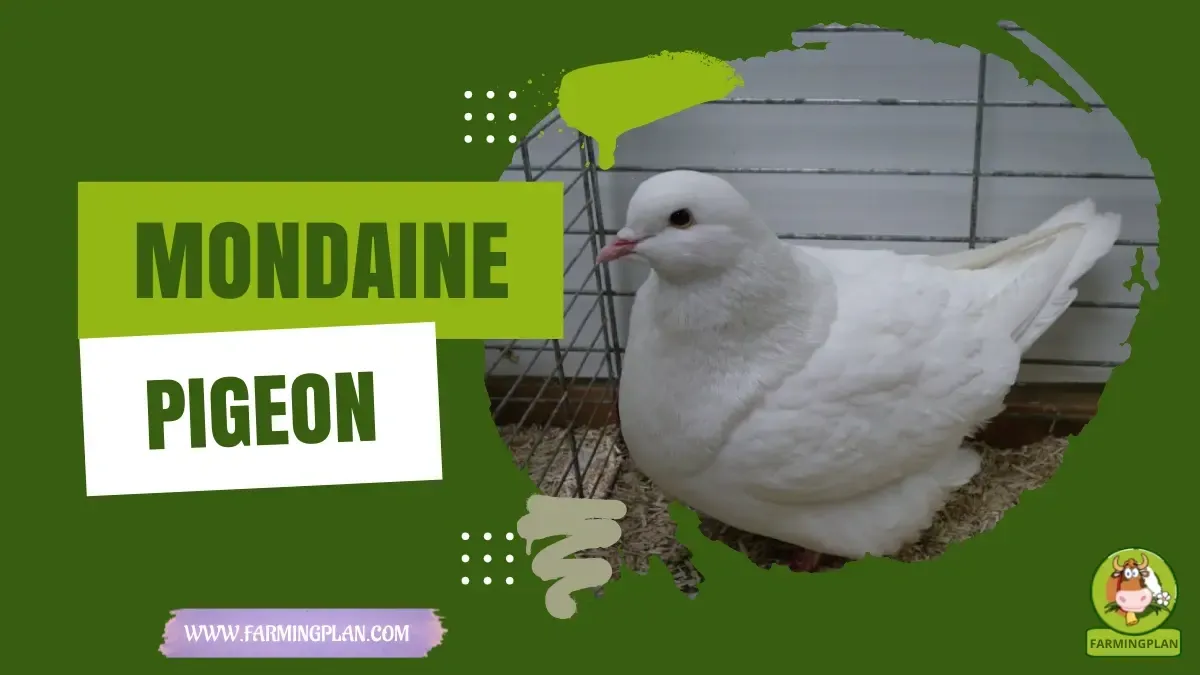
Mondaine breed standards emphasize massive, compact body volume carried low to the ground. The silhouette should convey immense strength and substance, with smooth contours that accentuate the bird’s well-marbled breast. Following biosecurity best practices reduces disease risk in any Mondaine Pigeon operation.
Body Conformation, Keel Fleshing & Weight Standards
Mature cocks weigh between 30 and 36 ounces, while hens range from 27 to 32 ounces. The breast is exceptionally wide, deep, and fully rounded, projecting forward boldly. The keel bone is straight and deeply embedded in thick pectoral muscle, showing no sharp or prominent ridge when handled.
The back is broad across the shoulders and slightly convex, tapering toward a short, compact tail. Wings are strong and closely folded against the body, with flight feathers resting neatly on the tail without drooping. The legs are short, thick, and set wide apart, giving the bird its characteristic low, stable stance. Seasonal adjustments to shelter and diet keep Mondaine Pigeon thriving year-round.
Head Profile, Beak Structure & Color Varieties
The head is large, broad, and smoothly curved, with a moderate frontal arch that blends cleanly into the beak. The beak is medium in length, stout, and flesh-colored in light varieties. The wattles are small, smooth, and powdery white, while the eyes are bright and alert with fine, pale ceres. Proper record-keeping makes breeding and culling decisions easier for Mondaine Pigeon keepers.
Plumage is remarkably dense, smooth, and tight-fitting. Recognized colors include solid white, self red, rich yellow, blue bar, silver, and black. Commercial squab producers historically favored solid white Mondaines because white pinfeathers leave clean, unblemished skin on dressed retail carcasses. Providing adequate space and ventilation prevents common stress issues in Mondaine Pigeon.
⚡ Mondaine Pigeon Performance & Production Matrix
| Performance Benchmark | Commercial Squab Standard | Exhibition Bench Standard |
|---|---|---|
| Mature Cock Weight | 30 to 34 oz (850 to 964 g) | 32 to 36 oz (907 to 1,020 g) |
| Mature Hen Weight | 27 to 30 oz (765 to 850 g) | 28 to 32 oz (794 to 907 g) |
| Squab Weight at 28 Days | 18 to 22 oz (510 to 624 g) | 16 to 20 oz (454 to 567 g) |
| Annual Squab Production | 12 to 14 dressed squabs | 8 to 10 show prospects |
| Keel Straightness & Depth | Deeply fleshed, smooth keel | Symmetrical midline standard |
| Nest Box Dimensions | 30 in wide by 18 in deep | 28 to 32 in double nest |
Breed History, Heritage & North American Development
The Mondaine has deep historical roots in western Europe, where French and Swiss rural estates bred large utility pigeons for centuries. By crossbreeding ancient Roman Runts with fertile field doves and local French farm varieties, breeders created a bird that combined massive size with dependable reproductive stamina. Understanding breed-specific traits helps maximize Mondaine Pigeon longevity and output.
In the late nineteenth century, French poultry breeders formalized standard descriptions for the Gros Mondain Français, while Swiss aviculturalists developed the Swiss Mondaine strain. Both varieties emphasized deep keel fleshing and docility. In the early 1900s, commercial poultry operations imported the breed to North America to meet booming squab demand in major cities. Routine preventive care saves time and lowers veterinary costs for Mondaine Pigeon.
American breeders refined the stock, creating standardized lines recognized by the National Pigeon Association. Although industrial broiler chicken production largely replaced commercial pigeon lofts after World War II, the Mondaine retained a dedicated following among heritage poultry conservators and culinary enthusiasts who prize gourmet squab meat.
Housing, Shelter Dimensions & Winter Hardiness
Because Mondaines are heavy, low-flying pigeons, loft architecture must accommodate their physical dimensions. High perches and steep access ramps should be avoided because heavy birds risk keel injuries or bumblefoot when flying down from excessive heights. Matching forage or ration quality to life stage optimizes Mondaine Pigeon growth.
Lofts should provide at least 5 to 6 square feet of floor space per adult bird. Low box perches positioned 12 to 18 inches above the floor are ideal. Nest boxes should be placed on or near the floor, measuring at least 30 inches wide by 18 inches deep with a central divider to allow simultaneous egg laying and squab rearing. Gradual dietary transitions protect digestive stability in Mondaine Pigeon.
Mondaines are exceptionally cold hardy. Their dense plumage and heavy body mass shield them against harsh northern winters down to zero degrees Fahrenheit without artificial heating. Maintain dry bedding using kiln-dried wood shavings or coarse sand, ensuring continuous cross-ventilation to keep humidity levels low. Selecting healthy foundation stock is the cornerstone of successful Mondaine Pigeon management.
Nutritional Requirements, Daily Rations & Feeding Protocols
Feeding heavy utility pigeons requires balanced, high-protein rations that sustain rapid squab growth without causing excessive abdominal fat in adult breeding stock. Good predator-proofing and dry bedding safeguard Mondaine Pigeon comfort in harsh weather.
A complete breeding ration should contain 16 to 18 percent crude protein. A proven blend consists of 35 percent Canadian field peas, 25 percent clean yellow corn, 20 percent hard red wheat, 10 percent milo, and 10 percent safflower seed. During peak squab rearing, supplement with commercial pigeon pellets to supply essential amino acids, calcium, and trace minerals.
When comparing nutritional needs with heavy utility peers like the Giant Homer pigeon, Mondaines require similarly generous grain portions of approximately 35 to 45 grams per adult bird daily. Always provide clean mineral grit containing crushed oyster shell, red granite, and charcoal to support gizzard function and ensure strong eggshells. Monitoring water quality and mineral balance directly benefits Mondaine Pigeon vitality.
Health Management, Common Diseases & Biosecurity Standards
Maintaining high squab livability requires rigorous loft biosecurity and preventive healthcare. The USDA APHIS Avian Health division outlines vital sanitation protocols that shield domestic flocks from infectious diseases like salmonella and avian influenza. Practical hands-on husbandry ensures consistent results when raising Mondaine Pigeon.
Paratyphoid (salmonellosis) is a primary concern in floor-pen lofts. It causes wing lameness, watery diarrhea, and embryonic mortality. Prevent contamination by keeping wild rodents out of grain bins, scraping droppings weekly, and treating drinking water with organic apple cider vinegar to maintain an acidic gut environment. Early intervention at the first sign of lethargy protects overall Mondaine Pigeon flock or herd health.
Administer annual vaccinations against pigeon paramyxovirus (PMV-1) to all breeding stock. Preventative treatments for canker (trichomoniasis) should be conducted prior to the spring breeding season to prevent adult carriers from transmitting protozoa to newly hatched squabs through crop milk. Structured culling and biosecurity protocols strengthen Mondaine Pigeon genetic quality.
Breeding Management, Incubation & Brooding Offspring
Mondaines are gentle, attentive parents that mate monogamously for life. Both parents share the 17 to 19-day incubation period, with the cock sitting during midday and the hen covering the eggs overnight. Maintaining clean feeders and sanitized equipment supports sustainable Mondaine Pigeon care.
Parents feed squabs copious amounts of rich crop milk for the first five days before blending in softened whole grains. When comparing meat yield with other heritage squab breeds such as the Carneau pigeon, Mondaines produce carcasses with wider breast meat coverage and a slightly heavier dressed weight.
Fit exhibition squabs with official seamless 10 mm NPA aluminum leg bands between 7 and 10 days of age. For culinary meat harvest, squabs should be butchered at 26 to 28 days of age, before they leave the nest bowl and begin exercising their wing muscles, ensuring tender, gourmet-quality table meat. Consistent daily observation helps keepers spot early changes in Mondaine Pigeon health and behavior.
US Ownership Budget & Annual Maintenance Costs
Raising a breeding flock of Mondaine pigeons is a practical homestead enterprise. Because squabs command premium prices in gourmet poultry markets, a small flock can offset its operating expenses through meat sales. Clean housing, fresh water, and balanced nutrition remain essential for Mondaine Pigeon productivity.
Quality foundation breeding stock from established NPA breeders costs between 75 and 160 dollars per pair. Feed expenses for an average flock of 10 breeding pairs total approximately 450 to 650 dollars annually when purchasing clean grain in bulk bags. Tracking feed intake and body condition supports long-term Mondaine Pigeon performance.
⚡ Estimated Annual Budget & Maintenance Costs (USD)
| Expense Category | Annual Cost Range (USD) | Management Notes & Specifications |
|---|---|---|
| High-Protein Utility Grains & Pellets | $450 – $650 | Clean 16% protein grain blends (50-lb sacks) |
| Mineral Grit, Oyster Shell & Calcium | $60 – $95 | Coarse red stone grit and breeding mineral cups |
| Floor Bedding & Aviary Disinfectants | $70 – $120 | Kiln-dried pine shavings & virucidal sprays |
| Preventative Vaccines & Canker Care | $75 – $135 | PMV-1 vaccines, canker treatments & dewormers |
| NPA Registration & Seamless Bands | $35 – $65 | Official 10 mm leg bands and annual club dues |
| Nesting Bowls & Low Perches Upkeep | $75 – $170 | Heavy ceramic nest bowls and pen maintenance |
| Total Annual Operating Budget | $765 – $1,235 | Estimated for a working flock of 10 breeding pairs |
🕊️ Mondaine Pigeon Loft & Grain Mix Calculator
Estimate daily grain ration (lbs), mineral grit, monthly 50-lb feed bags, and minimum indoor loft and outdoor aviary space (sq ft) for your Mondaine Pigeon loft.
Frequently Asked Questions (FAQ)
Can Mondaine pigeons fly?
Mondaine pigeons can fly short distances, but their heavy body mass prevents sustained soaring or high-altitude flight. They are ground-oriented birds that thrive in spacious floor pens with low perches and ground-level nest boxes.
What weight do Mondaine squabs reach at butcher age?
Mondaine squabs reach dressed weights between 18 and 22 ounces (510 to 624 grams) at 28 days of age. Butchering occurs right before squabs leave the nest, ensuring succulent, tender meat with high market value.
How many squabs do Mondaine pigeons produce per year?
A healthy, well-managed pair of Mondaine pigeons produces between 10 and 14 heavy squabs annually. Using double-nest compartments allows the hen to lay her next clutch while the cock finishes brooding older squabs.
What leg band size is required for Mondaine pigeons?
Official NPA exhibition standards require a 10 mm (Size 10) seamless aluminum leg band. Squabs must be banded between 7 and 10 days of age before their foot joints become too thick for the ring to slide on smoothly.
How long do Mondaine pigeons live in captivity?
In a clean, dry, predator-proof loft with proper nutrition and regular veterinary care, Mondaine pigeons live an average of 10 to 14 years. Breeding pairs remain productive squab and show producers for 6 to 8 years.
Expert Verdict & Next Steps for Mondaine Pigeon Keepers
The Mondaine pigeon stands as an aristocrat among utility columbids, uniting massive meat yield with gentle docility and striking exhibition presence. Success with this heavy breed demands sturdy low-level housing, double-nest compartments, and high-protein grain nutrition. Keepers who maintain these simple routines enjoy dependable gourmet squab yields and majestic birds that enrich any homestead. Following biosecurity best practices reduces disease risk in any Mondaine Pigeon operation.
To further explore elite show and meat columbids, compare conformation standards with companion breeds like the King pigeon to broaden your breeding horizons. Join the National Pigeon Association, source certified breeding pairs from experienced fanciers, and establish a clean, predator-proof loft to start your flock today.
📚Agricultural Reference & Scientific Citations
Conformation benchmarks, veterinary biosecurity standards, and nutritional requirements cited in this guide adhere to verified standards from the USDA Animal and Plant Health Inspection Service, the American Poultry Association, and national columbid fancy societies.


