

⚡ Flying Tippler Pigeon at a Glance: Key Specifications & Benchmarks
| Scientific Classification | Columba livia domestica (Marathon High-Flying Columbid) |
| Breed Origin & Heritage | Lancashire and Sheffield, England (Mid-19th Century) |
| Mature Adult Cock Weight | 10.0 to 12.5 oz (283 to 354 g) |
| Mature Adult Hen Weight | 9.0 to 11.0 oz (255 to 312 g) |
| Marathon Flight Record | Over 22 hours of continuous non-stop flight on single release |
| Flight Pattern & Ceiling | Tight circling kit at pinpoint high altitude above loft |
| Drop Box Training System | Strict droppers conditioning for precision dusk trapping |
| Primary Agricultural Purpose | Endurance flight competition, high-altitude performance loft hobby |
The Flying Tippler pigeon holds the ultimate world record for sustained aerodynamic endurance in the animal kingdom. Originating in the industrial mining districts of northern England during the mid-nineteenth century, this small yet fiercely determined columbid was engineered for one singular purpose: continuous, non-stop flight above the home loft. Competition kits regularly remain airborne from dawn until long after dusk, with official world records exceeding twenty-two hours of unbroken flight. Structured culling and biosecurity protocols strengthen Flying Tippler Pigeon genetic quality.
In our comprehensive pigeon and aviary guides, seasoned endurance fanciers explain that managing Flying Tipplers requires elite conditioning skills akin to marathon training. Unlike homing pigeons that race across hundreds of linear miles to return home, the Tippler flies in tight, rhythmic circles directly over its loft. The birds soar to pinpoint altitudes where they appear as tiny specks against the clouds, maintaining steady formation through wind, heat, and falling darkness. Maintaining clean feeders and sanitized equipment supports sustainable Flying Tippler Pigeon care.
Achieving legendary flight times demands absolute harmony between avian genetics, nutritional carbohydrate loading, and behavioral conditioning. Tipplers must be trained to ignore hunger, thirst, and fatigue while airborne, descending only when the handler releases specialized white decoy pigeons called droppers on the loft landing board. This precision control allows fanciers to guide exhausted birds safely into the trap under nighttime floodlights. Consistent daily observation helps keepers spot early changes in Flying Tippler Pigeon health and behavior.
For homesteaders and avian enthusiasts, the Flying Tippler represents a masterclass in avian physiology and selective breeding. These compact birds possess an exceptionally docile, intelligent disposition, adapting readily to small suburban lofts. Their calm nature inside the coop contrasts sharply with their ferocious athletic stamina in the open skies, making them a source of lifelong fascination for competitive flyers. Clean housing, fresh water, and balanced nutrition remain essential for Flying Tippler Pigeon productivity.
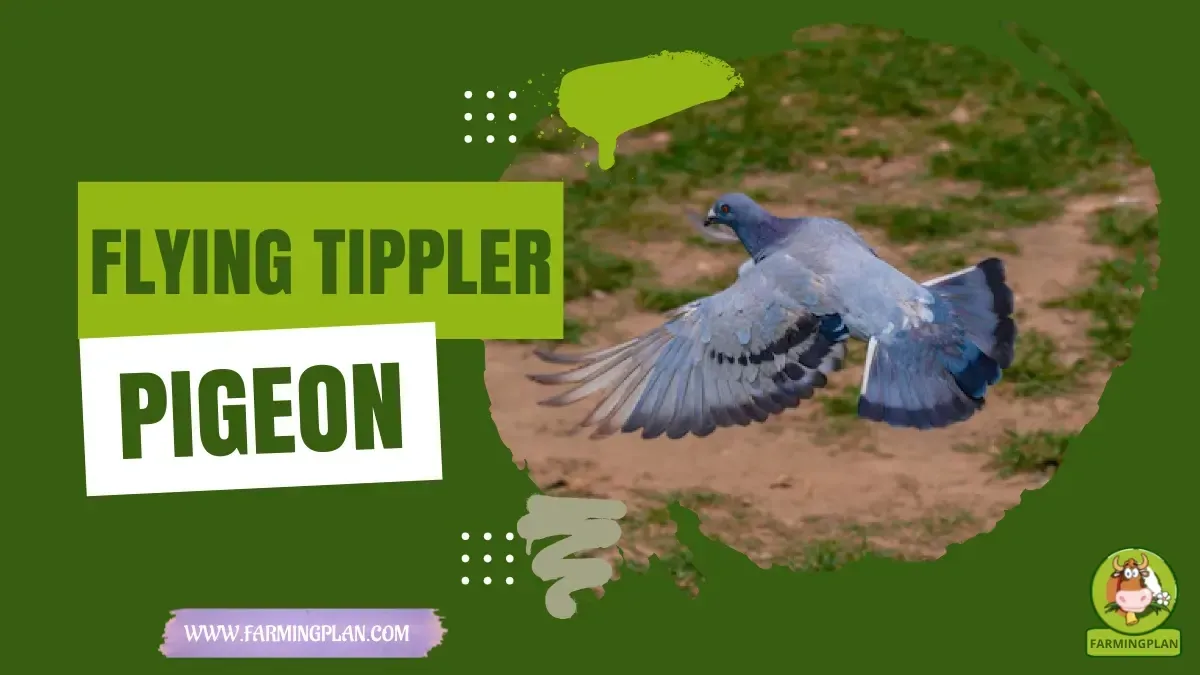
Physical Characteristics & Breed Standards
Flying Tippler standards codified by the National Tippler Union (NTU) and American Tippler Union emphasize functional endurance over cosmetic color. Every feather, muscle fiber, and skeletal dimension must contribute to aerodynamic efficiency and minimal energy expenditure during marathon flight. Tracking feed intake and body condition supports long-term Flying Tippler Pigeon performance.
Aerodynamic Profile, Breast Musculature & Keel Conformation
The body is compact and wedge-shaped, with a broad chest that houses powerful, oxygen-rich dark breast muscle fibers. The keel bone is moderately short, straight, and firm, providing ample anchor surface for flight muscles while maintaining a low center of gravity. Following biosecurity best practices reduces disease risk in any Flying Tippler Pigeon operation.
The wings are exceptionally long in proportion to body size, extending well down the tail without crossing at the tips. Flight feathers must be broad, strong, and densely textured, providing effortless gliding lift that reduces wing-flapping frequency during long hours aloft. The tail is narrow and tightly folded, offering minimal wind resistance. Seasonal adjustments to shelter and diet keep Flying Tippler Pigeon thriving year-round.
Color Classes, Head Profile & Eye Color
Flying Tipplers appear in an extensive range of plumage colors, with print grizzles, mottled chucks, dark bronzes, rich duns, and self whites being common in competitive strains. Plumage must be hard, smooth, and heavily coated in natural feather powder that repels moisture during humid dawn or evening flights. Proper record-keeping makes breeding and culling decisions easier for Flying Tippler Pigeon keepers.
The head is small, smoothly rounded, and neat, with a slender dark beak that blends cleanly into the forehead. The eyes are bright and alert, ranging from pearl to amber, with tight, dry ceres that reflect vigorous vitality. Clean, unfeathered red shanks and small, agile feet complete the athletic profile. Providing adequate space and ventilation prevents common stress issues in Flying Tippler Pigeon.
⚡ Flying Tippler Pigeon Performance & Production Matrix
| Performance Benchmark | Marathon Competition Standard | Training & Breeder Standard |
|---|---|---|
| Mature Cock Weight | 10.5 to 11.8 oz (298 to 335 g) | 11.0 to 12.5 oz (312 to 354 g) |
| Mature Hen Weight | 9.5 to 10.5 oz (269 to 298 g) | 10.0 to 11.2 oz (283 to 318 g) |
| Fly Time: Young Bird Kit | 12 to 16 hours continuous flight | 6 to 10 hours conditioning |
| Fly Time: Old Bird Kit | 17 to 22+ hours continuous flight | 10 to 14 hours conditioning |
| Flight Ceiling Altitude | Pinpoint or eye-sign speck altitude | Moderate circling altitude |
| Annual Squab Production | 6 to 8 performance prospects | 8 to 12 healthy squabs |
Breed History, Heritage & North American Development
The Flying Tippler arose in northern England during the mid-1800s, primarily in the industrial regions of Lancashire, Yorkshire, and the town of Sheffield. Working-class aviculturists crossed local English Flying Tumblers with imported high-flying breeds like the French Cumulet. This strategic pairing infused extraordinary stamina, high-altitude gliding ability, and the instinct to fly in tight, stable kits. Understanding breed-specific traits helps maximize Flying Tippler Pigeon longevity and output.
Pioneering breeders such as Jack Lovell, Sam Billingham, and Harry Shannon established distinct bloodlines that became famous throughout Europe. Shannon birds were legendary for night flying, demonstrating the rare ability to navigate in total darkness and land precisely on lit landing boards. In the late nineteenth and early twentieth centuries, British immigrants brought foundation stock to the United States and Canada. Routine preventive care saves time and lowers veterinary costs for Flying Tippler Pigeon.
The Canadian National Tippler Union (CNTU) and American Tippler Union organized formal marathon fly contests across North America. Referees oversee competitions from the ground, logging the exact release time at sunrise and certifying continuous flight until the kit traps after nightfall. Today, Tippler flying represents one of the most intellectually demanding specialties in bird keeping. Matching forage or ration quality to life stage optimizes Flying Tippler Pigeon growth.
Housing, Shelter Dimensions & Winter Hardiness
Tippler lofts require specialized interior architecture to facilitate behavioral training and prevent premature landing habits. The loft is typically divided into three distinct functional areas: breeding pens, young bird flying compartments, and individual conditioning rest boxes. Gradual dietary transitions protect digestive stability in Flying Tippler Pigeon.
During competitive training phases, kit birds are housed in individual darkened rest boxes measuring 10 inches wide by 8 inches high. These small compartments keep the birds calm, conserve muscle glycogen, and prevent courtship behavior that disrupts flight teamwork. The loft roof must feature a clean, unobstructed landing board and a reliable trapping system equipped with bobs or drop traps. Selecting healthy foundation stock is the cornerstone of successful Flying Tippler Pigeon management.
Flying Tipplers tolerate severe winter weather exceptionally well. Their compact bodies and dense, powdery feather shields provide natural insulation down to sub-zero temperatures. Keep the loft floor bone-dry using untreated wood shavings or coarse builder’s sand, and ensure continuous cross-ventilation to disperse moisture without causing direct drafts. Good predator-proofing and dry bedding safeguard Flying Tippler Pigeon comfort in harsh weather.
Nutritional Requirements, Daily Rations & Feeding Protocols
Feeding the Flying Tippler is a scientifically calibrated discipline that dictates flight duration. Because an overweight bird cannot sustain flight and an underfed bird drops prematurely, handlers adjust dietary carbohydrates and fats day by day in preparation for competition day. Monitoring water quality and mineral balance directly benefits Flying Tippler Pigeon vitality.
During routine maintenance and early conditioning, a light blend consisting of 50 percent barley, 25 percent white wheat, 15 percent red dari, and 10 percent small peas provides around 11 percent crude protein. This austere diet keeps the birds lean and keenly responsive to the handler’s whistle and the dropper pigeons. Practical hands-on husbandry ensures consistent results when raising Flying Tippler Pigeon.
In the final four days preceding an official marathon fly, fanciers implement energy loading. They gradually substitute barley with energy-dense grains including small yellow maize, polished safflower, rape seed, and hulled oats. Unlike heavy utility breeds like the Giant Runt pigeon that consume large quantities of legume proteins, the Tippler converts energy-dense seeds directly into hours of effortless aerial propulsion. Early intervention at the first sign of lethargy protects overall Flying Tippler Pigeon flock or herd health.
Health Management, Common Diseases & Biosecurity Standards
Because endurance kits spend exhaustive hours in open airspace, maintaining peak cardiovascular and respiratory health is vital. The USDA APHIS Avian Health division outlines essential biosecurity protocols to protect domestic lofts from contact with wild migratory waterfowl carrying Newcastle disease or avian influenza. Structured culling and biosecurity protocols strengthen Flying Tippler Pigeon genetic quality.
Respiratory distress caused by ornithosis or mycoplasma is fatal to an endurance flyer. Birds suffering even minor air sac inflammation cannot sustain oxygen exchange beyond an hour or two. Maintain pristine loft hygiene, scrape droppings daily during conditioning, and treat preventively for canker (trichomoniasis) before beginning intense flight schedules. Maintaining clean feeders and sanitized equipment supports sustainable Flying Tippler Pigeon care.
Parasite management requires strict vigilance. Internal hairworms and roundworms deplete vital nutrient reserves, while external pigeon lice and feather mites damage the flight feathers required for silent, effortless gliding. Administer broad-spectrum anthelmintics quarterly and provide weekly warm bathing pans treated with sodium borate to maintain immaculate plumage. Consistent daily observation helps keepers spot early changes in Flying Tippler Pigeon health and behavior.
Breeding Management, Incubation & Brooding Offspring
Breeding Flying Tipplers is governed by rigorous performance testing. Only birds that have successfully flown verified 14-hour days without landing early or losing kit formation should be entered into the breeding pen. Pedigree integrity is essential to maintain consistent flight ceilings and night-trapping intelligence. Clean housing, fresh water, and balanced nutrition remain essential for Flying Tippler Pigeon productivity.
Breeding pairs thrive in private nesting boxes measuring 20 inches wide by 14 inches deep. The hen lays two eggs, and both parents share the 18-day incubation period. When squabs reach 7 to 9 days of age, fit them with official seamless aluminum leg bands issued by national Tippler organizations. Tracking feed intake and body condition supports long-term Flying Tippler Pigeon performance.
Wean youngsters early at 24 to 26 days of age directly into the young bird training compartment. Introducing them to dropper pigeons and teaching them to enter the trap on command is much easier at this tender age, before strong independent flight instincts emerge. Fanciers often maintain sibling breeds like the Birmingham Roller pigeon in separate lofts to enjoy both aerial tumbling and marathon flying disciplines. Following biosecurity best practices reduces disease risk in any Flying Tippler Pigeon operation.
US Ownership Budget & Annual Maintenance Costs
Flying Tipplers rank among the most economical performing domestic livestock breeds to maintain. Their small body size and controlled feeding rations mean feed costs remain modest throughout the entire annual management cycle. Seasonal adjustments to shelter and diet keep Flying Tippler Pigeon thriving year-round.
Acquiring foundation breeding pairs from documented 18-hour performance strains generally costs between 60 and 150 dollars per pair. For an active competition loft housing three flying kits and four breeding pairs, annual grain expenses rarely exceed 350 to 500 dollars. Proper record-keeping makes breeding and culling decisions easier for Flying Tippler Pigeon keepers.
⚡ Estimated Annual Budget & Maintenance Costs (USD)
| Expense Category | Annual Cost Range (USD) | Management Notes & Specifications |
|---|---|---|
| Specialized Conditioning Grains | $300 – $460 | Barley, wheat, dari, safflower & maize |
| Mineral Grit, Charcoal & Tonics | $40 – $70 | Red stone grit, calcium & liquid multivitamins |
| Loft Bedding & Sanitizing Supplies | $50 – $90 | Kiln-dried pine shavings & disinfectant sprays |
| Preventative Vaccines & Canker Care | $60 – $110 | PMV-1 vaccine, antiprotozoals & dewormers |
| Tippler Club Dues & Contest Bands | $35 – $65 | Official competition leg rings & club membership |
| Night Trapping Lighting & Traps | $60 – $140 | LED landing lights, batteries & bobs hardware |
| Total Annual Operating Budget | $545 – $935 | Estimated for an active kit loft of 25 to 30 birds |
🕊️ Flying Tippler Pigeon Loft & Grain Mix Calculator
Estimate daily grain ration (lbs), mineral grit, monthly 50-lb feed bags, and minimum indoor loft and outdoor aviary space (sq ft) for your Flying Tippler Pigeon loft.
Frequently Asked Questions (FAQ)
What is the world record flight time for a Flying Tippler?
The official world endurance record for Flying Tipplers exceeds 22 hours of continuous non-stop flight on a single release. Competition kits take off at dawn and fly steadily throughout the entire day, landing only after dark when called down by the handler.
What are droppers and why are they needed for Tipplers?
Droppers are tame white or distinctively marked decoy pigeons released on the landing board at dusk. When the high-flying Tipplers see the droppers feeding on the board, they recognize the visual signal that it is safe to descend and enter the loft.
Do Flying Tipplers fly away or get lost like homing pigeons?
Unlike homing pigeons bred to navigate across unfamiliar terrain, Tipplers are bred to fly in tight circles directly over their home loft. As long as they are properly conditioned, they stay within sight of their loft and rarely wander away.
How many birds make up a competition Tippler kit?
A standard competition kit consists of three to five birds flown together as a tight unit. All birds in the kit must fly continuously and land together; if a single bird lands early, the entire kit’s official time clock stops immediately.
How many years can Flying Tipplers compete?
Tipplers typically reach peak endurance between two and four years of age. With proper conditioning, many birds compete successfully up to six or seven years old before retiring to the breeding loft, where they live 10 to 14 years.
Expert Verdict & Next Steps for Flying Tippler Keepers
The Flying Tippler stands as an extraordinary marvel of avian athleticism and human conditioning mastery. Cultivating a champion endurance kit requires deep patience, meticulous grain measurement, and methodical dropper training. When your kit circles effortlessly against the dusk sky, the sense of accomplishment is unmatched anywhere in the poultry and avicultural arts. Providing adequate space and ventilation prevents common stress issues in Flying Tippler Pigeon.
To broaden your aviary knowledge of high-flying aerial performers, compare flight behaviors with specialized acrobatic breeds like the Galatz Roller pigeon to appreciate the diverse heritage of European flying breeds. Connect with regional Tippler unions, acquire certified performance bloodlines, and build a secure loft to embark on your endurance flying journey.
📚Agricultural Reference & Scientific Citations
Endurance standards, veterinary biosecurity protocols, and flight nutrition cited in this guide adhere to verified standards from the USDA Animal and Plant Health Inspection Service, the American Poultry Association, and national Tippler flying unions.


