

📊 Crocodile Farming in South Africa at a Glance: Key Specifications & Production Benchmarks
| Primary Commercial Species | Nile Crocodile (Crocodylus niloticus) |
| Key Production Regions | Limpopo Province, Mpumalanga Lowveld, KwaZulu-Natal North Coast |
| Annual Commercial Harvest | 80,000 to 110,000 certified export skins annually |
| Primary Export Markets | France, Italy, Germany, Japan, Singapore (Luxury Tanneries) |
| Target Commercial Size | Belly width 38 to 44 cm; Total length 1.5 to 1.8 meters |
| Rearing Temperature Range | 86°F to 90°F (30°C to 32°C) inside heated grower tunnels |
| Primary Feed Resources | Broiler poultry mortalities, abattoir offal, extruded dry pellets |
| CITES Regulatory Status | CITES Appendix II (Captive-bred commercial export quota) |
| Governing Wildlife Agency | DFFE & Provincial Nature Conservation Authorities (LEDET, EKZNW) |
| Average Skin Export Value | $240 to $420 USD per certified raw salted belly skin |
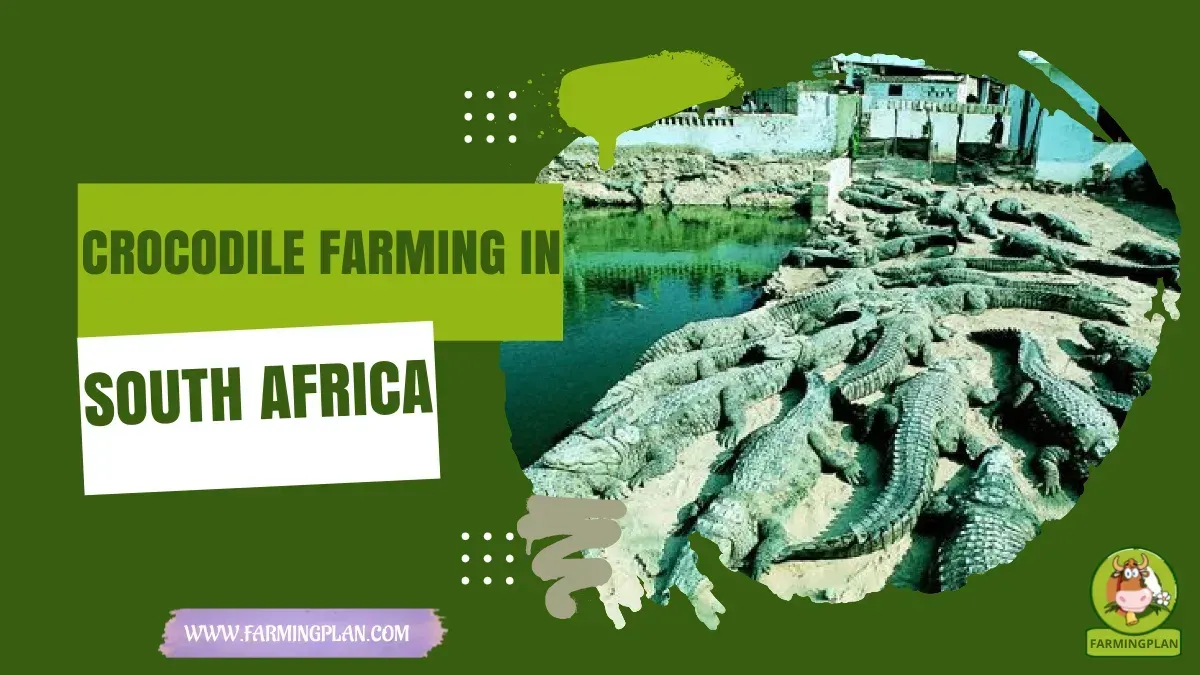
When planning crocodile farming south africa management, Crocodile Farming in South Africa constitutes one of the most mature, technologically sophisticated, and commercially successful wildlife ranching sectors on the African continent. Concentrated across the subtropical expanses of Limpopo, Mpumalanga, and KwaZulu-Natal, the South African industry produces approximately eighty thousand to over one hundred thousand premium Nile crocodile (Crocodylus niloticus) hides annually for the global haute-couture fashion sector.
Whether you are planning a commercial crocodilian agribusiness or researching production models via our commercial crocodile farming and aquaculture index, South Africa offers a world-standard benchmark in husbandry, automated environmental regulation, and CITES compliance. The combination of intense summer warmth, established poultry agro-processing supply chains, and specialized veterinary infrastructure creates optimal conditions for intensive commercial grow-out. Routine preventive care saves time and lowers veterinary costs for crocodile farming south africa.
However, operating a commercial Nile crocodile farm in South Africa requires navigating rigorous provincial nature conservation permits, biosecure perimeter fencing regulations, National Environmental Management: Biodiversity Act (NEMBA) compliance, and strict export abattoir audits. This technical guide outlines climate-controlled hothouse engineering, waste-stream ration balancing, disease biosecurity, and luxury hide processing. Matching forage or ration quality to life stage optimizes crocodile farming south africa growth.
Physical Characteristics & Breed Standards
The South African industry focuses exclusively on the Nile crocodile (Crocodylus niloticus), renowned worldwide for its uniform scale symmetry, prominent flank markings, and remarkable leather suppleness when tanned. Gradual dietary transitions protect digestive stability in crocodile farming south africa.
South African producers prioritize skin quality over rapid biomass accumulation. The ventral abdomen features smooth, rectangular scales without the heavily calcified osteoderm buttons found in inferior crocodilian species, making it the preferred raw material for luxury handbags, footwear, and bespoke watch straps. Selecting healthy foundation stock is the cornerstone of successful crocodile farming south africa management.
Conformation Standards & Anatomical Structure
Nile crocodiles in commercial rearing tunnels exhibit powerful, streamlined morphology. Adult males in captive breeding dams can reach lengths exceeding 4.5 meters and body weights over 600 kilograms, while market-size harvest juveniles measure between 1.5 and 1.8 meters. Good predator-proofing and dry bedding safeguard crocodile farming south africa comfort in harsh weather.
Maintaining pristine belly scale conformation requires rigorous pen maintenance. South African farms line rearing raceways with non-abrasive, resin-coated concrete and maintain meticulous stocking densities to prevent behavioral biting, tooth punctures, and claw lacerations across the prized ventral leather quadrant. Monitoring water quality and mineral balance directly benefits crocodile farming south africa vitality.
Size, Weight Benchmarks & Color Variations
Commercial harvest protocols dictate harvesting Nile crocodiles when their ventral belly width measures between 38 and 44 centimeters, measured across the third row of scutes behind the forelegs.
Reaching this specification in South Africa requires approximately 30 to 34 months of intensive rearing inside insulated greenhouse tunnels, during which water temperatures are kept at a constant 30 to 32 degrees Celsius to optimize feed conversion. Practical hands-on husbandry ensures consistent results when raising crocodile farming south africa.
📊 Crocodile Farming in South Africa Performance & Production Matrix
| Husbandry Metric | South African Commercial Standard | Operational & Economic Impact |
|---|---|---|
| Grower Water Temperature | 86°F to 90°F (30°C to 32°C) year-round | Sustains enzymatic digestion and prevents winter metabolic dormancy |
| Belly Skin Harvest Size | 38 to 44 cm belly width (1.5 to 1.8 m length) | Optimal yield for luxury French and Italian leather fashion houses |
| Grade-1 Export Acceptance | 80% to 90% of total annual production | Essential for profitability; Grade-2 skins suffer 30% price discounts |
| Feed Conversion Efficiency | 5.2:1 to 6.2:1 on wet poultry/offal rations | Feed accounts for over 50% of annual operational expenditure |
| Hatchery Incubation Success | 85% to 92% hatch rate at 31.8°C | Consistent temperature control generates 90%+ faster-growing male cohorts |
| Abattoir Dressing Percentage | 56% to 62% usable carcass yield | Provides boneless meat cuts for export and local culinary dining markets |
Breed History, Heritage & North American Development
Commercial crocodile farming in South Africa originated in the late 1960s and 1970s, initiated by pioneering wildlife conservationists and cattle ranchers who recognized that captive breeding could reverse the catastrophic depletion of wild Nile crocodile populations across Southern Africa. Early intervention at the first sign of lethargy protects overall crocodile farming south africa flock or herd health.
The industry expanded dramatically following South Africa’s CITES Appendix II downlisting, which established legally regulated commercial captive breeding quotas. By standardizing artificial egg incubation and indoor greenhouse rearing during the 1980s and 1990s, South African operators transitioned from seasonal wild-egg harvesting to fully closed-cycle captive breeding. Structured culling and biosecurity protocols strengthen crocodile farming south africa genetic quality.
Today, South African crocodile ranching represents a vital foreign exchange earner, supporting hundreds of specialized jobs and providing a global blueprint for sustainable wildlife conservation and commercial utilization. Maintaining clean feeders and sanitized equipment supports sustainable crocodile farming south africa care.
Housing, Shelter Dimensions & Winter Hardiness
South Africa’s distinct seasonal temperature variations—particularly cold winter nights in Limpopo and high-altitude interior regions—necessitate sophisticated climate-controlled housing for commercial grow-out. Consistent daily observation helps keepers spot early changes in crocodile farming south africa health and behavior.
Unprotected outdoor pens lead to cold stress, digestive stagnation, and increased vulnerability to winter pulmonary infections. Modern South African facilities utilize insulated plastic greenhouse tunnels equipped with automated water heating systems. Clean housing, fresh water, and balanced nutrition remain essential for crocodile farming south africa productivity.
Spatial Density & Enclosure Engineering
Grower tunnels house crocodiles in partitioned concrete raceways providing 10 to 14 square feet of space per animal. Pens feature a central warm water canal (16 to 20 inches deep) flanked by smooth concrete basking aprons.
Water treatment systems utilize high-capacity biological filters, settling ponds, and automated daily flush-and-fill cycles. Pristine water hygiene suppresses virulent Aeromonas and fungal pathotypes that cause scale-pitting disease, safeguarding leather grading value. Tracking feed intake and body condition supports long-term crocodile farming south africa performance.
Adult breeding units feature sprawling natural outdoor earth-dam enclosures (1 to 3 hectares) containing deep water channels, shaded basking banks, and deep sandy mounds where females construct subterranean egg nests during the October-to-December laying season. Following biosecurity best practices reduces disease risk in any crocodile farming south africa operation.
Nutritional Requirements, Daily Rations & Feeding Protocols
Nutrition represents the largest recurring operational cost in South African crocodile production. Commercial farms capitalize on the country’s extensive industrial broiler chicken sector to secure reliable volumes of frozen poultry mortalities and processing offal. Seasonal adjustments to shelter and diet keep crocodile farming south africa thriving year-round.
Diets are scientifically balanced to provide 50 percent crude protein and 12 percent crude fat, supplemented with specialized premixes containing vitamins A, D3, E, and calcium-phosphorus ratios essential for bone and scute development. Proper record-keeping makes breeding and culling decisions easier for crocodile farming south africa keepers.
Crude Protein Benchmarks Across Life Stages
Hatchlings are fed finely ground poultry meat blended with vitamin premixes and dicalcium phosphate five days per week at 8 percent of total body weight. Providing adequate space and ventilation prevents common stress issues in crocodile farming south africa.
Grower cohorts (12 to 34 months) receive whole or coarse-minced chicken carcasses, abattoir offal, and dry extruded pellets three times weekly at 3 percent to 5 percent of body weight during summer and controlled warm-tunnel conditions. Understanding breed-specific traits helps maximize crocodile farming south africa longevity and output.
Feed must be thoroughly thawed, tested for microbiological contamination, and consumed within two hours of distribution. Unconsumed food is promptly removed to prevent water fouling and bacterial proliferation.
Health Management, Common Diseases & Biosecurity Standards
Intensive commercial crocodilian farming in South Africa demands strict biosecurity to protect valuable animal cohorts from catastrophic contagious diseases. Routine preventive care saves time and lowers veterinary costs for crocodile farming south africa.
Because crocodilian immune function is directly dependent on environmental temperature, maintaining water temperatures above 30 degrees Celsius serves as the primary barrier against opportunistic infections. Matching forage or ration quality to life stage optimizes crocodile farming south africa growth.
Biosecurity Protocols & Veterinary Defenses
Proactive disease prevention includes routine water microbiology screening, scheduled disinfection of concrete pens using biodegradable virucidal washes, and strict quarantine protocols for any new genetic introductions. Gradual dietary transitions protect digestive stability in crocodile farming south africa.
Key diseases of concern in South African facilities include crocodile poxvirus, mycoplasma polyarthritis, and chlamydiosis. Facilities maintain comprehensive veterinary service agreements with certified wildlife pathologists and enforce dedicated footwear disinfection stations at all grower tunnel entrances. Selecting healthy foundation stock is the cornerstone of successful crocodile farming south africa management.
Necropsy examinations and tissue histology are mandatory for any farm mortalities to ensure early detection of emerging pathology before herd-wide transmission can occur. Good predator-proofing and dry bedding safeguard crocodile farming south africa comfort in harsh weather.
Reproduction, Artificial Incubation & Lifecycle Protocols
Commercial breeding in South Africa relies on captive adult colonies maintained in multi-hectare natural dams at a sex ratio of one mature bull to three or four breeding females. In spring (October to December), females excavate flask-shaped nest cavities in elevated sandbanks, depositing clutches of 40 to 60 eggs. Monitoring water quality and mineral balance directly benefits crocodile farming south africa vitality.
Trained farm personnel systematically locate and harvest fresh clutches within twelve hours of laying, taking extreme care not to rotate the eggs, which destroys the developing embryo. Eggs are carefully disinfected, candled to verify fertility banding, and transferred into climate-controlled incubators.
Incubation is maintained at exactly 89.2°F to 89.6°F (31.8°C to 32.0°C) with 95 percent relative humidity for 80 to 90 days. This precision temperature-dependent sex determination (TSD) protocol produces 90 percent or higher male cohorts, which grow up to 20 percent faster than females, significantly optimizing commercial grow-out economics. Practical hands-on husbandry ensures consistent results when raising crocodile farming south africa.
Commercial Facility & Annual Operating Cost Benchmarks
Establishing a commercial crocodile ranching operation in South Africa requires substantial upfront capital expenditure, balanced by highly rewarding foreign exchange revenues upon commercial maturity. Early intervention at the first sign of lethargy protects overall crocodile farming south africa flock or herd health.
Prospective investors must budget for robust environmental compliance, secure perimeter fencing, automated greenhouse heating systems, and comprehensive veterinary supervision throughout the three-year production runway. Structured culling and biosecurity protocols strengthen crocodile farming south africa genetic quality.
💰 Estimated Annual Budget & Maintenance Costs (USD)
| Budget Category | Item Description & Scope | Initial Capital Outlay | Annual Recurring Expense |
|---|---|---|---|
| Agricultural Land & Security Wall | 5-10 ha property with 8-foot reinforced perimeter | $65,000 – $120,000 | $3,000 – $6,000 |
| Insulated Grower Hothouses & Pens | Greenhouse tunnels, heating arrays, and raceways | $120,000 – $210,000 | $8,000 – $15,000 |
| Commercial Hatchery & Incubators | Precision digital incubators and egg sorting lab | $35,000 – $60,000 | $4,000 – $7,000 |
| Adult Nile Crocodile Breeding Stock | Proven commercial breeders with CITES permits | $50,000 – $85,000 | $6,000 – $11,000 |
| Poultry Waste Rations & Feed Premixes | Broiler mortalities, offal, and mineral mixes | $18,000 – $30,000 | $40,000 – $68,000 |
| Technical Handlers & Farm Staff | Experienced crocodile handlers and security guards | $9,000 – $15,000 | $34,000 – $52,000 |
| Veterinary Diagnostics & Biosecurity | Routine microbiology, disinfectants, and health audits | $6,000 – $10,000 | $9,000 – $15,000 |
| CITES Export Inspection & DFFE Tags | Provincial permits, microchips, and export audit fees | $8,000 – $14,000 | $5,000 – $9,000 |
🐊 Crocodile South Africa Farm Feed & Pen Calculator
Calculate weekly meat rations (lbs), basking pool volume (gallons), land apron area (sq ft), and water temperature parameters for commercial Crocodile South Africa.
Frequently Asked Questions (FAQ)
What permits are required to farm crocodiles in South Africa?
Farming crocodiles in South Africa requires permits from provincial conservation authorities (such as LEDET in Limpopo or Ezemvelo KZN Wildlife), compliance with the National Environmental Management: Biodiversity Act (NEMBA), a CITES commercial captive-breeding registration, and export abattoir certification from veterinary authorities.
Why are Nile crocodiles preferred for commercial farming in South Africa?
Nile crocodiles (Crocodylus niloticus) are native to Southern Africa and produce exceptionally high-quality luxury leather characterized by symmetrical scale patterns, supple flanks, and an absence of osteoderm buttons on the ventral surface, commanding top prices in European tanneries.
How long does it take to grow a Nile crocodile to commercial harvest size?
Under heated greenhouse tunnel conditions with water temperatures held at 30u00b0C to 32u00b0C, Nile crocodiles reach the standard commercial harvest size of 38 to 44 centimeters belly width (1.5 to 1.8 meters total length) in approximately 30 to 34 months.
What happens to the meat produced during crocodile harvesting?
Crocodile meat is processed in certified export abattoirs. Premium boneless tail fillets and leg cuts are sold to upscale restaurants and exported to Asian and European specialty markets, while secondary trimmings are utilized in pet food or reprocessed farm rations.
Industry Verdict: Is South African Crocodile Farming a Viable Investment?
Crocodile farming in South Africa represents a premier, export-oriented agribusiness opportunity for investors who combine patient capital with disciplined biological management. The nation’s ideal climate, abundant poultry waste streams, and mature export logistics create an unmatched operational foundation. Maintaining clean feeders and sanitized equipment supports sustainable crocodile farming south africa care.
Prospective farm owners must prioritize automated thermal controls, implement uncompromising biosecurity to protect Grade-1 hide quality, and establish direct off-take agreements with certified European tanneries to maximize return on invested capital. Consistent daily observation helps keepers spot early changes in crocodile farming south africa health and behavior.
For comparative production analysis, explore our companion guides on continental Crocodile Farming in Africa, commercial Crocodile Farming Profitability, and modern Crocodile Farming Husbandry Techniques.
📚Agricultural Reference & Scientific Citations
Standards and physiological data referenced in this guide comply with USDA Animal and Plant Health Inspection Service (APHIS), American Veterinary Medical Association (AVMA), and the FAO Domestic Animal Diversity Information System.


