

📊 Crocodile Farming in Kenya at a Glance: Key Specifications & Production Benchmarks
| Primary Cultivated Species | Nile Crocodile (Crocodylus niloticus; Family Crocodylidae) |
| Pioneering Commercial Model | Mamba Village Centre, Mombasa (Largest crocodile farm in East Africa) |
| Regulatory Authority | Kenya Wildlife Service (KWS) under Wildlife Conservation & Management Act |
| Primary Commercial Outputs | Certified Belly Skins (Export), White Meat (Tourism/Domestic), & Agro-Tourism |
| Commercial Harvest Age | 2.5 to 3.0 years; Length: 1.5 to 1.8 meters; Belly width: 35 to 45 cm |
| Average Clutch Fecundity | 40 to 60 eggs per breeding female laid in sandy coastal banks |
| Incubation Regimen | Controlled 88.5°F (31.5°C) producing fast-growing 100% male cohorts |
| Primary Feed Inputs | Condemned poultry abattoir offal, camel meat trimmings, and fish frames |
| CITES Export Quota | CITES Appendix II Commercial Captive-Breeding & Ranching Quotas |
| Agro-Tourism Revenue | Significant gate fee and restaurant revenue from farm visitors and tourists |
When planning crocodile farming kenya management, Crocodile Farming in Kenya represents one of East Africa’s most successful and established commercial wildlife enterprises, celebrated internationally for uniting luxury export production with vibrant domestic agro-tourism. Anchored historically by iconic commercial institutions such as Mamba Village Centre in Mombasa—the largest crocodile facility in East Africa housing over 10,000 reptiles—the Kenyan industry demonstrates how sustainable wildlife utilization can generate foreign exchange, employment, and conservation funding under rigorous government oversight.
Whether you are planning commercial reptile ranching or evaluating wildlife enterprises through our commercial aquaculture and crocodile farming portal, Kenya offers unique geographic advantages. The country’s warm coastal climate along the Indian Ocean (Mombasa, Kilifi, and Malindi) provides ideal tropical ambient temperatures and humidity that support rapid year-round growth of the indigenous Nile crocodile (Crocodylus niloticus) with minimal artificial heating expenses. Tracking feed intake and body condition supports long-term crocodile farming kenya performance.
In addition, Kenya’s unique regulatory framework—administered by the Kenya Wildlife Service (KWS)—allows certified farmers to commercialize three distinct revenue streams: export-grade Grade-1 belly skins shipped to European luxury fashion tanneries, lean crocodile meat served in tourist restaurants, and profitable farm visitor tours. In this comprehensive technical guide, we evaluate KWS wildlife licensing, coastal pen engineering, camel and poultry offal nutrition, egg harvesting, and export compliance. Following biosecurity best practices reduces disease risk in any crocodile farming kenya operation.
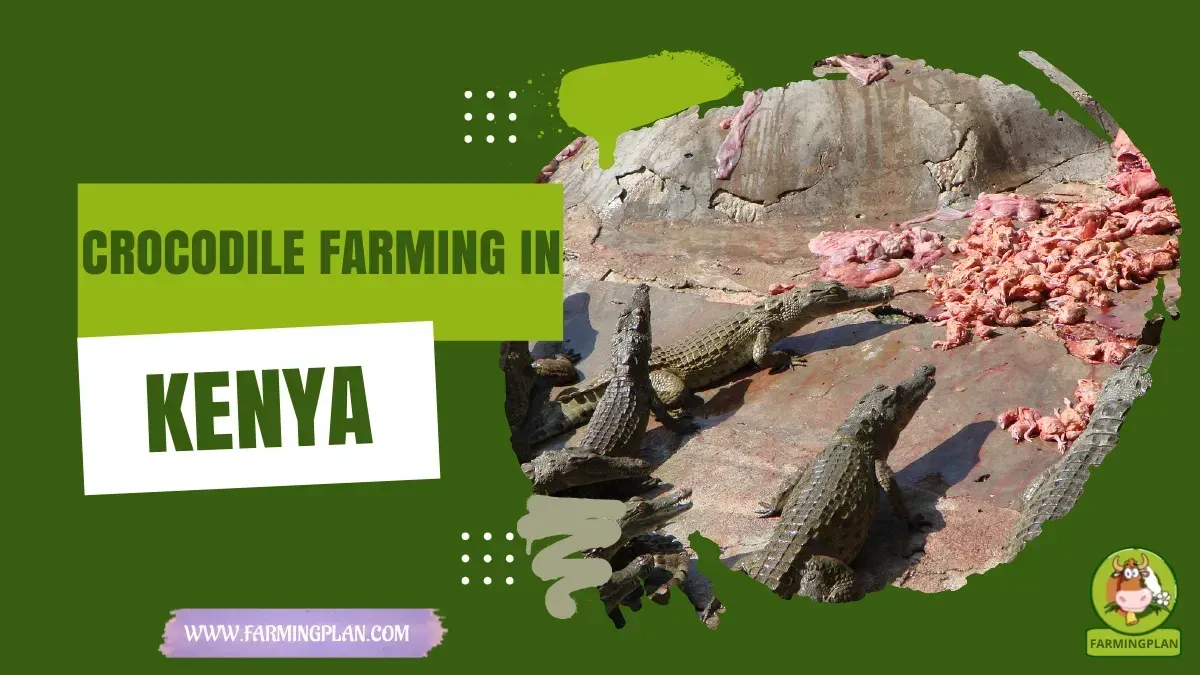
Physical Characteristics & Breed Standards
The Nile crocodile in Kenya exhibits a rugged, armored, and powerful physical conformation honed for survival in African riverine ecosystems. Seasonal adjustments to shelter and diet keep crocodile farming kenya thriving year-round.
Their body is broad, deep-chested, and hydrodynamically tapered, supported by an immense muscular tail that provides continuous swimming leverage.
Conformation Standards & Anatomical Structure
The head is heavily armored, broad, and triangular, housing 64 to 68 interlocking teeth capable of exerting tremendous crushing pressure. The sensory pits along the jawline detect minute pressure differentials in murky river currents. Proper record-keeping makes breeding and culling decisions easier for crocodile farming kenya keepers.
The dorsal surface features heavy, heavily calcified bony scutes (osteoderms) arranged in neat longitudinal rows that function as thermal radiators during morning basking. The ventral belly skin is completely smooth, flexible, and free of bone deposits, presenting the classic, uniform square scales demanded by luxury fashion tanneries. Providing adequate space and ventilation prevents common stress issues in crocodile farming kenya.
The limbs are short, muscular, and splayed, terminating in webbed, clawed digits that enable swift amphibious movement over muddy banks and concrete feeding aprons.
Coloration in coastal Kenyan Nile crocodiles is dark bronze-olive with subtle dark charcoal marbling along the flanks, transitioning to an immaculate pale cream or ivory belly. Understanding breed-specific traits helps maximize crocodile farming kenya longevity and output.
The respiratory system is powered by muscular hepatic piston diaphragmatic contractions, allowing prolonged underwater submersion while resting calmly on pen floors. Routine preventive care saves time and lowers veterinary costs for crocodile farming kenya.
Size, Weight Benchmarks & Color Variations
Commercial harvest size is achieved at 30 to 36 months of age, when crocodiles measure 5.0 to 5.8 feet (1.5 to 1.75 meters) in total length with a certified belly width of 35 to 45 cm. Matching forage or ration quality to life stage optimizes crocodile farming kenya growth.
Adult breeding bulls in Kenyan facilities routinely reach lengths of 13 to 15 feet (4.0 to 4.6 meters) and weigh between 1,000 and 1,500 pounds (450 to 680 kg).
Breeding females maintain adult weights of 400 to 600 pounds (180 to 270 kg), producing annual clutches of 40 to 60 large white eggs. Gradual dietary transitions protect digestive stability in crocodile farming kenya.
📊 Crocodile Farming in Kenya Performance & Production Matrix
| Commercial Trait | Kenyan Nile Croc | Zimbabwean Ranch Croc | Australian Saltwater Croc |
|---|---|---|---|
| Primary Geographical Climate | Coastal Tropical (Warm/Humid) | Subtropical Inland (Plateau) | Tropical Coastal Monsoon |
| Agro-Tourism Integration | Very High (Mamba Village Model) | Moderate (Export Skin Focus) | High (Wildlife Park Model) |
| Belly Leather Value | High Luxury Fashion Grade | High Luxury Fashion Grade | Ultra-Luxury Fashion Grade |
| Heating Infrastructure Need | Low (Naturally Warm Coast) | Moderate to High in Winter | Low (Naturally Tropical) |
| Domestic Meat Market | Strong (Safari Tourism & Dining) | Moderate Export Meat | Established Culinary Market |
Breed History, Heritage & North American Development
Commercial crocodile farming in Kenya began in the late 1970s and early 1980s when the Kenyan government, in partnership with conservation biologists, recognized that wild Nile crocodiles in the Tana River and Galana River basins were coming into frequent, lethal conflict with rural farming communities. Selecting healthy foundation stock is the cornerstone of successful crocodile farming kenya management.
In 1980, the Kenyan government issued specialized wildlife utilization licenses that allowed private entrepreneurs to establish captive breeding and ecotourism centers. The establishment of Mamba Village in Mombasa became a global case study in profitable wildlife ranching, combining commercial leather production with educational tourism that attracted tens of thousands of international visitors annually.
Under the Wildlife Conservation and Management Act, the Kenya Wildlife Service (KWS) enforces strict oversight, conducting regular audits of captive breeding inventories and issuing CITES export documentation. Today, Kenya’s crocodile farms serve as recognized centers of reptile research, education, and sustainable export revenue. Good predator-proofing and dry bedding safeguard crocodile farming kenya comfort in harsh weather.
Housing, Shelter Dimensions & Winter Hardiness
Facility engineering in Kenya takes advantage of coastal warmth, focusing on shaded concrete ponds, deep sandy nesting banks, and automated water management. Monitoring water quality and mineral balance directly benefits crocodile farming kenya vitality.
Spatial Density & Enclosure Engineering
Grow-out crocodiles (ages 1 to 3) are housed in open-sided, shaded concrete pens providing 8 to 12 square feet of space per animal, maintaining an equal ratio of clean water pond to dry basking apron. Practical hands-on husbandry ensures consistent results when raising crocodile farming kenya.
All concrete surfaces must be finished with polished granite screed or smooth epoxy paint: any abrasive textures cause ventral scale scratches that destroy leather grading value.
Breeding dams require expansive outdoor enclosures (minimum 1 to 2 acres per breeding unit) featuring a central deep-water pond (6 to 8 feet deep) surrounded by elevated sandy nesting banks (3 feet deep) where females can construct natural nesting chambers. Early intervention at the first sign of lethargy protects overall crocodile farming kenya flock or herd health.
Construct perimeter walls of 8-foot reinforced stone or concrete block masonry sunk 2 feet below ground level to eliminate any possibility of burrowing escape. Structured culling and biosecurity protocols strengthen crocodile farming kenya genetic quality.
Water circulation channels should feature high-flow drainage sluices that allow handlers to completely flush and sanitize holding basins within forty-five minutes, suppressing anaerobic bacterial buildup and sustaining optimal juvenile growth rates.
Nutritional Requirements, Daily Rations & Feeding Protocols
Feed management in Kenya leverages abundant coastal agro-industrial by-products to sustain low-cost, high-protein carnivore growth. Maintaining clean feeders and sanitized equipment supports sustainable crocodile farming kenya care.
Crude Protein Benchmarks Across Life Stages
The primary diet consists of fresh minced poultry offal (broiler heads, necks, and viscera from regional poultry processing plants) blended with camel meat trimmings, beef offal, and marine fish frames, supplying 55 to 60 percent crude protein. Consistent daily observation helps keepers spot early changes in crocodile farming kenya health and behavior.
Incorporate a dedicated crocodilian vitamin-mineral premix containing 2.0 percent dicalcium phosphate, calcium carbonate, vitamin A, and vitamin D3 to ensure strong bone development and prevent metabolic bone disease. Clean housing, fresh water, and balanced nutrition remain essential for crocodile farming kenya productivity.
Feed grow-out crocodiles four times weekly during warm afternoons at 3 to 4 percent of biomass, monitoring feeding tables to ensure food is consumed completely within one hour.
Never feed uninspected, decomposing, or chemically preserved meats; feeding spoiled offal rapidly collapses water quality and induces fatal bacterial enteritis and salmonellosis in juvenile stock. Tracking feed intake and body condition supports long-term crocodile farming kenya performance.
Health Management, Common Diseases & Biosecurity Standards
While adult crocodiles possess formidable natural immunity against blood pathogens, crowded juvenile pens require strict sanitary protocols. Following biosecurity best practices reduces disease risk in any crocodile farming kenya operation.
Biosecurity Protocols & Veterinary Defenses
Perform complete daily water draining and flushing in all grow-out tanks, pressure-washing concrete feeding aprons with biodegradable disinfectants to eliminate organic sludge.
Monitor animals weekly for fungal dermatitis (Brown Spot disease) and bacterial septicemia, treating affected crocodiles promptly with clean water isolation and approved topical antifungals. Seasonal adjustments to shelter and diet keep crocodile farming kenya thriving year-round.
Maintain water quality parameters meticulously: ensure total ammonia remains under 0.1 mg/L and pH stays between 7.2 and 7.8, utilizing clean coastal borehole water. Review international crocodilian pathology resources via the IUCN Crocodile Specialist Group Health Manuals. Proper record-keeping makes breeding and culling decisions easier for crocodile farming kenya keepers.
Enforce strict farm biosecurity: maintain vehicle tire disinfectant dips at farm entrances and require staff to utilize sanitizing footbaths before entering nursery units. Providing adequate space and ventilation prevents common stress issues in crocodile farming kenya.
Sandy Nest Harvesting, TSD Incubation & Hatchling Care
In coastal Kenya, Nile crocodiles mate in September and October, with females digging deep hole nests in elevated sandy banks between November and December.
Trained farm technicians excavate clutches within 24 hours of oviposition, marking the top axis of each egg with pencil to preserve orientation during transport to the hatchery. Understanding breed-specific traits helps maximize crocodile farming kenya longevity and output.
Incubate eggs in computerized industrial incubators at a constant 88.5°F (31.5°C) to produce 100 percent fast-growing male cohorts. Eggs hatch after 84 to 90 days; wash hatchlings in warm saline water and place them in heated nursery water basins bedded with smooth tile. Routine preventive care saves time and lowers veterinary costs for crocodile farming kenya.
Commercial Facility & Annual Operating Cost Benchmarks
Establishing a commercial crocodile farm in Kenya involves upfront investment in stone masonry, licensing, and water systems, offset by diversified skin, meat, and ecotourism income.
Farm planners must also budget for deep solar pumping arrays, CITES export inspection accreditations, regional veterinary diagnostic services, and commercial refrigeration units to preserve slaughterhouse offal and lake trash fish rations without spoilage throughout hot arid seasons. Matching forage or ration quality to life stage optimizes crocodile farming kenya growth.
💰 Estimated Annual Budget & Maintenance Costs (USD)
| Budget Category | Item Description & Scope | Initial Capital Outlay | Annual Recurring Expense |
|---|---|---|---|
| KWS Wildlife License & EIA Permits | Government wildlife farming permit, NEMA clearance, CITES tags | $2,000 – $4,500 | $400 – $800 |
| Concrete Grow-Out Pens & Drainage | Smooth concrete pens, water ponds, and drainage piping | $18,000 – $38,000 | $800 – $1,500 |
| Broodstock Dam & Perimeter Wall | Fenced breeding pond, sandy banks, and 8-ft stone boundary wall | $14,000 – $28,000 | $500 – $1,000 |
| Poultry & Camel Offal Rations | Minced poultry processing waste, camel meat, and vitamin premix | $800 – $1,500 | $4,500 – $8,000 |
| Skinning & Abattoir Equipment | Stainless steel processing tables, salt curing bins, cold room | $2,000 – $4,500 | $300 – $600 |
🐊 Crocodile Kenya Farm Feed & Pen Calculator
Calculate weekly meat rations (lbs), basking pool volume (gallons), land apron area (sq ft), and water temperature parameters for commercial Crocodile Kenya.
Frequently Asked Questions (FAQ)
What permits are required to farm crocodiles in Kenya?
Operators must secure a Wildlife Farming License from the Kenya Wildlife Service (KWS), an Environmental Impact Assessment (EIA) clearance from NEMA, and CITES export registration.
Where is the largest crocodile farm in Kenya located?
The largest commercial crocodile facility in Kenya is the Mamba Village Centre, located in Nyali, Mombasa, which houses over 10,000 crocodiles across various life stages.
What products are sold from crocodile farming in Kenya?
Farms sell raw salted belly skins exported to European luxury fashion houses, white crocodile meat sold to tourist restaurants and hotels, and earn revenue from farm visitor tours.
Why is coastal Kenya ideal for crocodile farming?
The Kenyan coast (Mombasa, Kilifi, Malindi) offers a warm tropical climate year-round with abundant sun, eliminating expensive artificial water heating costs required in cooler regions.
Expert Verdict & Next Steps for Kenyan Wildlife Entrepreneurs
Crocodile Farming in Kenya represents an extraordinary model of commercial wildlife ranching, seamlessly blending luxury leather export with thriving domestic tourism and high-protein food production. For well-capitalized entrepreneurs operating under certified KWS guidelines, commercial crocodilian farming delivers exceptional multi-stream profitability. Gradual dietary transitions protect digestive stability in crocodile farming kenya.
Expand your commercial aquaculture and livestock expertise by reviewing our companion guides to continental Crocodile Farming in Africa, commercial Crocodile Farming Business Planning, regional Crocodile Farming in Nigeria, and high-density African Catfish Aquaculture.
📚Agricultural Reference & Scientific Citations
Standards and physiological data referenced in this guide comply with USDA Animal and Plant Health Inspection Service (APHIS), American Veterinary Medical Association (AVMA), and the FAO Domestic Animal Diversity Information System.


