

📊 Cotton Patch Goose at a Glance: Key Specifications & Production Benchmarks
| Scientific Classification | Anser anser domesticus (Heritage Breed) |
| Conservation Status | Critically Endangered (The Livestock Conservancy Priority) |
| Mature Gander Body Weight | 9.0 to 12.0 lbs (4.0 to 5.5 kg) |
| Mature Goose (Hen) Weight | 8.0 to 10.5 lbs (3.6 to 4.8 kg) |
| Auto-Sexing Genetic Feature | Sex-linked dimorphic plumage (Ganders white, geese pied/saddleback) |
| Annual Egg Productivity | 25 to 40 large white eggs during spring laying season |
| Primary Agricultural Purpose | Selective weed grazing (orchards, berry patches), roasting meat |
| Flight Capability & Agility | Agile flyer; easily clears 4-ft fences if unclipped |
| Foraging & Weeding Efficiency | Superior selective herbivore; targets crabgrass and weeds |
| Temperament & Disposition | Docile, gentle, calm, non-aggressive toward humans |
The Cotton Patch Goose is a treasured, critically endangered heritage waterfowl breed native to the rural Southeastern United States. Historically celebrated as the agricultural backbone of southern homesteads up through the mid-20th century, these agile, light-to-medium geese were pastured extensively in cotton fields, tobacco plantings, and cornfields to eradicate noxious weeds without harming valuable cash crops. Following biosecurity best practices reduces disease risk in any Cotton Patch Goose operation.
Whether you are incorporating conservation livestock into your sustainable acreage through our authoritative goose farming pillar guide or seeking gentle orchard grazers, the Cotton Patch goose delivers unique practical utility. Beyond weed management, they provide high-quality holiday roasting meat, rich down feathers, and dependable seasonal egg clutches.
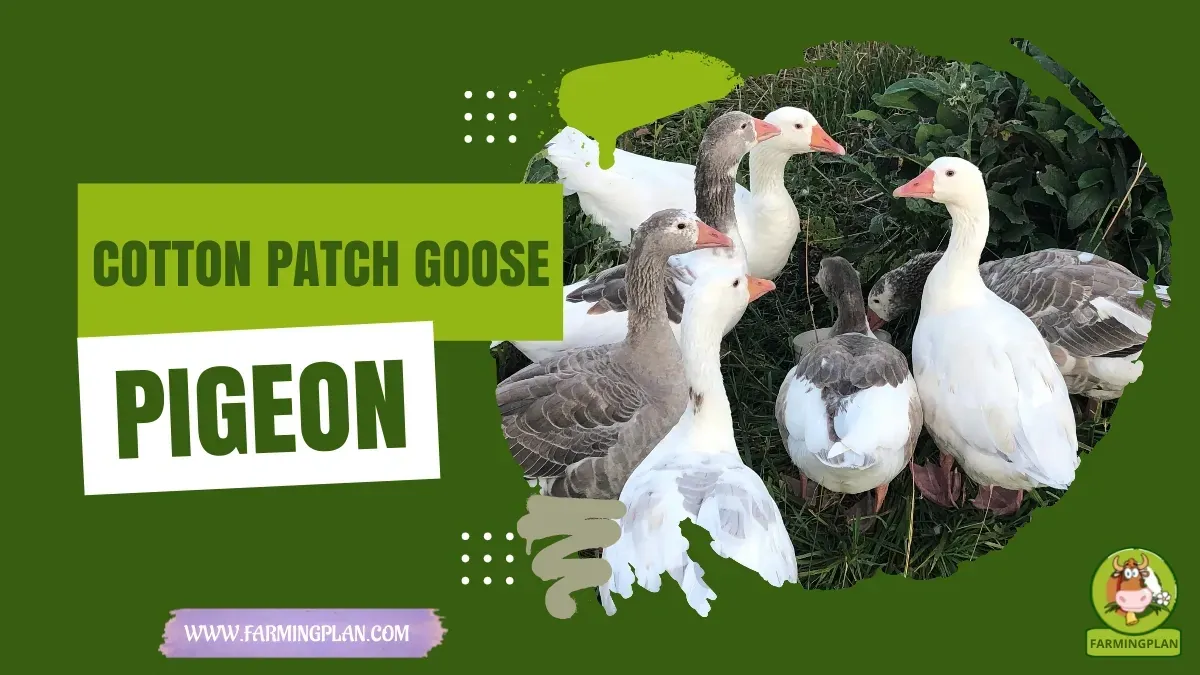
A defining hallmark of the Cotton Patch goose is its sex-linked dimorphism (auto-sexing genetics): adult ganders are solid white with occasional dove-gray wing feathers, while adult geese display elegant gray saddleback or pied markings. In this husbandry guide, we analyze their grazing physiology, predator-proof fencing, brooding behaviors, and conservation breeding protocols. Seasonal adjustments to shelter and diet keep Cotton Patch Goose thriving year-round.
Physical Characteristics & Breed Standards
The Cotton Patch Goose is an athletic, medium-weight landrace goose characterized by a sleek, upright carriage that enables agile walking, running, and flight. Their body conformation avoids the cumbersome abdominal paunches common in heavy commercial geese.
This functional, unexaggerated anatomy allows Cotton Patch geese to forage across rugged pasture inclines and damp southern creek bottoms without experiencing joint strain or heat exhaustion. Proper record-keeping makes breeding and culling decisions easier for Cotton Patch Goose keepers.
Conformation Standards & Anatomical Structure
The head is trim, neat, and carried gracefully on a slender, gently curved neck of medium length. The bill is short, stout, and bright pinkish-orange, terminating in a pale horn bean. The eyes are dark hazel in pied females and bright sky blue in white ganders, providing an immediate visual diagnostic.
The body is compact, oval, and smooth-breasted without a pronounced keel. The wings are long, powerful, and fold tightly across the back, with flight feathers extending slightly past the tail. Ganders are primarily white with subtle gray feathering on the rump, while females exhibit gray heads, saddleback patches, and flank feathering.
The legs and webbed feet are clean, pinkish-orange, and positioned squarely beneath the center of gravity, facilitating swift walking through dense pasture foliage without trampling garden plants. Providing adequate space and ventilation prevents common stress issues in Cotton Patch Goose.
Size, Weight Benchmarks & Color Variations
Mature Cotton Patch ganders weigh between 9 and 12 pounds, while adult geese weigh between 8 and 10.5 pounds. Their modest body size was intentionally preserved by historical farmers to prevent heavy birds from snapping delicate young cotton seedlings.
Goslings hatch with distinct down coloration: female goslings display olive-gray down on their heads and backs, whereas male goslings hatch in pale silvery-yellow down, allowing instant sex identification at one day of age. Understanding breed-specific traits helps maximize Cotton Patch Goose longevity and output.
Their lightweight frame gives them genuine flight ability; adult birds can easily clear 4-to-5-foot perimeter fences unless primary flight feathers on one wing are clipped annually after summer molt.
📊 Cotton Patch Goose Performance & Production Matrix
| Homestead Attribute | Cotton Patch Goose | Roman Tufted Goose | Toulouse Goose |
|---|---|---|---|
| Adult Weight Range | 8.0 to 12.0 lbs (Light/Medium) | 10.0 to 14.0 lbs (Medium) | 18.0 to 26.0 lbs (Heavy Meat) |
| Weeding Capability | Superior (Selective herbivore) | Moderate (Garden weeder) | Poor (Heavy trampling of crops) |
| Auto-Sexing Genetics | Yes (Sex-linked dimorphic) | No (Monomorphic plumage) | No (Monomorphic plumage) |
| Conservation Status | Critically Endangered (TLC) | Recovering / Watch | Common Commercial Meat |
| Flight Tendency | Moderate to High (Agile flight) | Low (Occasional flutter) | Completely Flightless |
Breed History, Heritage & North American Development
The Cotton Patch Goose developed as an essential landrace across rural Alabama, Georgia, Mississippi, and the Carolinas during the 19th and early 20th centuries. Southern sharecroppers and smallholders relied upon these geese to weed cotton, asparagus, onion, and tobacco crops before the invention of synthetic chemical herbicides.
Flocks of hundreds of Cotton Patch geese were driven down crop rows each morning. The geese voraciously consumed invasive crabgrass, Johnson grass, and broadleaf weeds while leaving cotton and strawberry foliage untouched. They also supplied down for bedding, fat for soapmaking, and tender goose meat for holiday tables. Routine preventive care saves time and lowers veterinary costs for Cotton Patch Goose.
The widespread introduction of chemical defoliants and herbicides in the 1950s decimated demand for weeder geese, driving the Cotton Patch goose to the brink of total extinction. Dedicated preservationists, supported by The Livestock Conservancy, located surviving purebred flocks in North Carolina and established coordinated conservation breeding herds.
Housing, Shelter Dimensions & Winter Hardiness
Housing Cotton Patch geese requires predator-proof night protection combined with expansive day pasture. Because they retain wild instincts and agile flight, boundary fencing must be engineered thoughtfully. Matching forage or ration quality to life stage optimizes Cotton Patch Goose growth.
Spatial Density & Enclosure Engineering
Inside the night coop, provide a minimum of 6 square feet of floor space per adult goose, bedded deeply with clean wheat straw or kiln-dried pine wood shavings. The shelter must feature heavy latched doors and 1/2-inch galvanized hardware cloth over all ventilation openings to prevent nocturnal raccoon attacks.
For day grazing, enclose pastures with 4 to 5-foot woven wire or electric poultry netting. If perimeter fences are under 5 feet, clip the first 10 primary flight feathers on one wing to prevent adventurous geese from flying into neighboring gardens or pastures.
Provide shaded loafing shelters and access to clean water troughs deep enough for geese to submerge their entire bills and flush their nostrils. While large swimming ponds are not mandatory for breeding, clean wading basins stimulate mating behavior and promote plumage water-repellency. Gradual dietary transitions protect digestive stability in Cotton Patch Goose.
Nutritional Requirements, Daily Rations & Feeding Protocols
Cotton Patch geese are elite biological grazing machines that thrive primarily on fresh pasture forage, requiring significantly less supplemental grain than commercial ducks or turkeys.
Crude Protein Benchmarks Across Life Stages
During spring, summer, and autumn, an adult Cotton Patch goose obtains up to 80% of its dietary nutrients from lush pasture grasses, clover, dandelion, and tender wetland shoots. A flock of 6 geese can maintain a 1-acre orchard in pristine weed-free condition throughout the growing season. Selecting healthy foundation stock is the cornerstone of successful Cotton Patch Goose management.
During winter months or severe drought, supplement pasture with a 15% to 16% complete waterfowl developer pellet fed at a rate of 0.35 to 0.45 lbs (160 to 200 grams) per bird daily. Always supply soluble calcium oyster shell and coarse granite grit free-choice, following nutritional protocols in our waterfowl and poultry feed guide.
Never feed medicated chick starter containing coccidiostats like amprolium, as waterfowl consume higher feed volumes and can suffer fatal toxicity. Feed young goslings plain, unmedicated waterfowl starter crumbles with fresh chopped greens.
Health Management, Common Diseases & Biosecurity Standards
Cotton Patch geese inherit generations of natural selection under southern climatic conditions, making them exceptionally disease-resistant, parasite-tolerant, and long-lived. Good predator-proofing and dry bedding safeguard Cotton Patch Goose comfort in harsh weather.
Biosecurity Protocols & Veterinary Defenses
Despite robust hardiness, geese remain vulnerable to intestinal roundworms (*Ascaridia galli*) and gizzard worms (*Amidostomum anseris*) if forced to graze continuously on short, manure-fouled pastures. Practice rotational pasture grazing, moving flocks to fresh paddock turf every two to three weeks.
Inspect webbed feet periodically for bumblefoot lesions, and ensure drinking water is kept pristine to prevent fungal aspergillosis. For national biosecurity protocols and wild waterfowl contact warnings, review the USDA APHIS Waterfowl Biosecurity Standards and check farm coops in our predator-proof poultry housing guides. Breeders interested in comparing housing, diet, and productivity traits should see our Zhejiang White Goose husbandry guide. Monitoring water quality and mineral balance directly benefits Cotton Patch Goose vitality.
Quarantine any new breeding geese for a minimum of 30 days in an isolated pen before integrating them with your conservation flock to guard against infectious waterfowl diseases.
Breeding Conservation, Natural Brooding & Gosling Rearing
Unlike commercial incubator-reliant geese, Cotton Patch geese retain superior natural maternal instincts. In early spring (February to April), mature geese construct deep down-lined nests in secluded ground corners, laying clutches of 10 to 15 chalk-white eggs.
Geese go broody reliably, incubating their eggs with dedication for 28 to 30 days while the gander stands aggressive guard. Hatch rates under natural broody geese regularly exceed 85%. Both parents participate devotedly in shepherding and protecting goslings on pasture. Practical hands-on husbandry ensures consistent results when raising Cotton Patch Goose.
Goslings are precocial, foraging tender grass shoots alongside parents within 36 hours of hatching. Provide shallow water founts to prevent young goslings from accidentally chilling or drowning before developing waterproof plumage. Compare brooding traits with related waterfowl like the Canada Goose.
US Ownership Budget & Annual Maintenance Costs
Establishing a breeding flock of Cotton Patch geese represents an investment in endangered heritage genetic preservation, balanced by their low ongoing feed costs due to superior pasture grazing efficiency. Early intervention at the first sign of lethargy protects overall Cotton Patch Goose flock or herd health.
💰 Estimated Annual Budget & Maintenance Costs (USD)
| Budget Category | Item Description & Scope | Initial Capital Outlay | Annual Recurring Expense |
|---|---|---|---|
| Breeding Trio (1 Gander, 2 Geese) | Registered heritage trio from certified Livestock Conservancy breeder | $220 – $380 | $0 (self-sustaining farm flock) |
| Predator-Proof Night House | Timber shelter (36 sq ft) with predator apron and vents | $400 – $750 | $30 – $60 (latch/hinge maintenance) |
| Electric Poultry Pasture Netting | 164-ft solar electric netting fence & energizer unit | $250 – $420 | $25 – $40 (battery upkeep) |
| Winter Maintenance Pellets | 15% waterfowl pellets for winter months (approx. 8 bags/year) | $35 (initial bag) | $240 – $320 |
| Watering Founts & Wading Basin | Heavy galvanized waterers and low-lip fiberglass wash basin | $70 – $130 | $15 – $25 (replacements) |
| Pasture Seed & Grit | White clover & orchard grass seed, insoluble poultry granite grit | $35 | $40 – $60 |
| Total Conservation Goose Budget | Complete setup and annual recurring maintenance for breeding trio | $1,010 – $1,830 | $350 – $505 / year |
🦆 Cotton Patch Goose Flock Feed & Water Intake Calculator
Estimate daily balanced feed (lbs), fresh drinking/rinsing water requirements (Gal), indoor shelter, and monthly 50-lb feed bags for your Cotton Patch Goose flock.
Frequently Asked Questions (FAQ)
Why are Cotton Patch geese called auto-sexing?
Cotton Patch geese possess sex-linked dimorphism where gender is visually identifiable at all life stages: ganders are solid white, while geese exhibit distinctive gray pied or saddleback plumage.
Do Cotton Patch geese eat garden weeds without eating crops?
Yes, their historical breeding makes them selective grass and weed foragers that readily eat crabgrass and dandelion while leaving woody crop stems and cotton plants unharmed.
Can Cotton Patch geese fly over fences?
Due to their agile, lightweight frame, Cotton Patch geese can easily clear standard 4-foot farm fences unless primary flight feathers on one wing are clipped annually.
Are Cotton Patch geese aggressive toward humans?
No, Cotton Patch geese are celebrated as one of the gentlest, most docile domestic goose breeds, making them safe around children and farm visitors.
How many eggs does a Cotton Patch goose lay each year?
A female Cotton Patch goose lays between 25 and 40 large white eggs during her spring laying season, displaying excellent natural broodiness and mothering ability.
Why is the Cotton Patch goose endangered?
The breed nearly vanished after chemical herbicides replaced weeder geese in the 1950s, leaving only small isolated farm flocks preserved in the rural American South.
Expert Verdict & Next Steps for Heritage Breeders
The Cotton Patch Goose is a living agricultural treasure that offers modern homesteaders sustainable organic weed suppression, docile companionship, and superior foraging independence. Supporting this critically endangered breed directly aids American genetic conservation while restoring historic biological balance to farm pastures.
By securing night coops against raccoons, providing rotational grass pastures, and maintaining pure auto-sexing breeding trios, you establish an enduring, self-reliant flock. Review our guide on heritage goose breeds for small acreage to discover the ideal waterfowl partners for your homestead.
📚Agricultural Reference & Scientific Citations
Standards and physiological data referenced in this guide comply with American Poultry Association (APA), The Livestock Conservancy, and USDA APHIS Avian Biosecurity Standards.


