

📊 Canada Goose at a Glance: Key Specifications & Production Benchmarks
| Binomial Scientific Name | Branta canadensis (True Goose Genus) |
| US Federal Legal Status | Protected under Migratory Bird Treaty Act of 1918 |
| Adult Gander Body Weight | 8.0 to 14.0 lbs (3.6 to 6.4 kg) depending on subspecies |
| Adult Goose (Hen) Weight | 7.0 to 12.0 lbs (3.2 to 5.4 kg) |
| Wingspan & Flight Capabilities | 50 to 75 inches (127 to 190 cm); powerful V-formation migration |
| Primary Dietary Intake | Herbivorous; agricultural grains, tender grasses, aquatic weeds |
| Daily Forage Consumption | Up to 3.0 to 4.0 lbs of green pasture per adult goose daily |
| Vocalization & Territoriality | Resonant double-syllable ‘honk’; vigorous hiss during nesting |
| Wild Life Expectancy | 10 to 15 years; over 24 years documented in banding records |
| Clutch Size & Nesting Cycle | 4 to 7 cream eggs; 28-day incubation by female on ground nest |
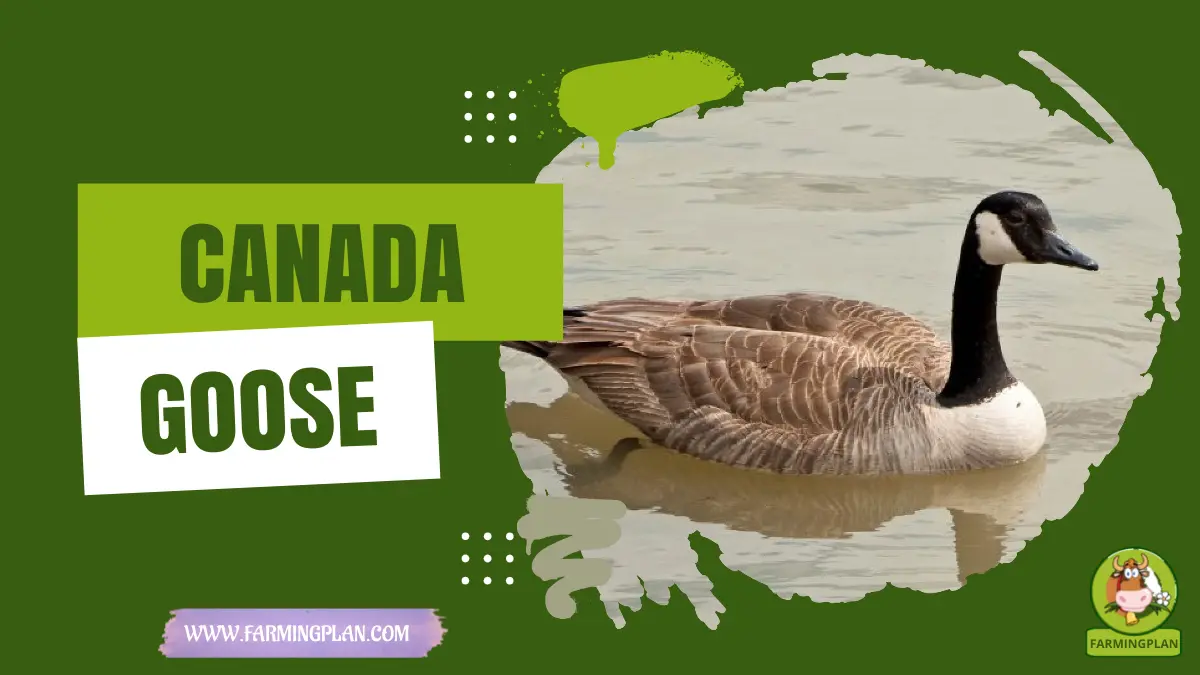
The Canada Goose (Branta canadensis) is the most widespread, ecologically influential waterfowl species native to North America. Instantly recognizable by its sleek black neck, black head, and distinctive white cheek patches (‘chinstrap’), this wild goose occupies a complex nexus across modern American agriculture, serving both as majestic wetland wildlife and as a formidable pasture competitor. Routine preventive care saves time and lowers veterinary costs for Canada Goose.
Whether you manage expansive riparian acreage through our authoritative goose farming and management pillar or seek to coexist with resident flocks on farm irrigation reservoirs, understanding their biological rhythms is essential. Canada Geese are specialized herbivores capable of stripping tender rye, clover, and young winter wheat fields with mechanical efficiency.
Because all Canada Geese are protected under federal law, agriculturalists cannot treat wild populations like standard domestic poultry. In this comprehensive guide, we examine subspecies biology, legal US Fish and Wildlife Service (USFWS) depredation permits, humane grazing exclusion fencing, and biosecurity protocols.
Physical Characteristics & Breed Standards
The Canada Goose possesses a robust, barrel-shaped body supported by large, webbed feet positioned midway along the torso, enabling balanced terrestrial walking and powerful aquatic swimming. Their aerodynamic frame supports thousands of miles of migratory flight. Matching forage or ration quality to life stage optimizes Canada Goose growth.
Conformation Standards & Anatomical Structure
The head and long, slender neck are cloaked in deep velvet black, sharply partitioned by prominent white triangular cheek patches that meet beneath the chin. The bill is black with serrated edges (‘lamellae’) designed specifically for cutting tough pasture grasses and grazing aquatic vegetation.
The breast and abdomen vary from pearl-gray to rich brownish-tan, terminating in a pristine white undertail covert. The back and primary wing coverts are grayish-brown with subtle pale feather edgings, creating a durable, waterproof shield against harsh atmospheric elements.
Their muscular legs and broad webbed feet are positioned to allow effortless terrestrial walking across open pasture turf, unlike domestic meat ducks that waddle clumsily. This balanced anatomy makes them highly efficient pasture grazers capable of covering extensive acreage in search of succulent grass tips.
Size, Weight Benchmarks & Color Variations
Body mass varies dramatically across recognized subspecies. The Giant Canada Goose (B. c. maxima) of the American Midwest regularly reaches 12 to 14 pounds with a 6-foot wingspan, whereas lesser northern subspecies weigh between 7 and 9 pounds. Gradual dietary transitions protect digestive stability in Canada Goose.
Unlike domestic geese bred for meat heaviness, Canada Geese maintain an athletic power-to-weight ratio that permits instant vertical takeoff from water or open pastures when startled by predators or farm equipment.
Their primary flight feathers generate tremendous aerodynamic lift during long migratory journeys. Adult geese achieve level cruising speeds between 40 and 55 miles per hour when traveling in aerodynamic V-formation flight kits.
📊 Canada Goose Performance & Production Matrix
| Management Metric | Wild Canada Goose (Resident) | Domestic Toulouse Goose | Domestic Chinese Goose |
|---|---|---|---|
| Federal Legal Protection | Protected (MBTA – Permits required) | Domestic Livestock (Unregulated) | Domestic Livestock (Unregulated) |
| Adult Weight Range | 7 to 14 lbs (Athletic wild) | 18 to 26 lbs (Heavy meat) | 8 to 12 lbs (Light layer/weeder) |
| Flight Capability | Full migratory flight (3,000+ miles) | Flightless (Ground-bound) | Minimal flutter (Flightless) |
| Annual Egg Production | 4 to 7 eggs (Single spring clutch) | 20 to 35 eggs (Seasonal) | 40 to 60 eggs (Seasonal) |
| Farm Pasture Impact | High compaction & grazing damage | Moderate localized grazing | Superior selective weed grazing |
Breed History, Heritage & North American Development
Historically, Canada Geese navigated vast seasonal migration corridors between Arctic breeding tundra and southern coastal wintering grounds. However, during the early 20th century, overhunting and wetland drainage severely depleted wild stocks, leading conservationists to believe the Giant Canada Goose (B. c. maxima) was extinct. Selecting healthy foundation stock is the cornerstone of successful Canada Goose management.
In 1962, Dr. Harold Hanson of the Illinois Natural History Survey rediscovered a surviving remnant flock of Giant Canada Geese wintering in Rochester, Minnesota. Aggressive state and federal reintroduction programs successfully repopulated the species across agricultural landscapes, farm ponds, and suburban golf courses.
Today, these restoration efforts have proven so successful that resident (non-migratory) populations now thrive year-round across the lower 48 states, presenting farm managers with modern challenges surrounding crop depredation, reservoir water quality, and pasture sanitation.
Housing, Shelter Dimensions & Winter Hardiness
Managing Canada Geese on agricultural land centers on habitat modification and strategic exclusion rather than enclosed confinement. Federal law strictly prohibits penning wild Canada Geese without authorized captive waterfowl propagation permits. Smallholders comparing closely related stock can also review our detailed Bogdanovski Goose guide.
Spatial Density & Enclosure Engineering
To discourage resident wild flocks from monopolizing farm ponds, eliminate smooth manicured turf leading directly to water margins. Geese prefer wide, unhindered visibility to spot approaching predators; planting a 20-foot vegetative buffer strip of dense native shrubs, switchgrass, or cattails along pond banks naturally deters flocks. Good predator-proofing and dry bedding safeguard Canada Goose comfort in harsh weather.
For active livestock pastures and vegetable crops, install temporary low-profile electric fencing or 3-strand perimeter wire with reflective mylar flagging spaced 6, 12, and 18 inches above ground. Because geese prefer walking from ponds into grazing fields, simple low fence lines create effective psychological barriers.
Farmers can also deploy motion-activated overhead grid wires across smaller irrigation reservoirs to prevent aerial landings. When flight corridors across ponds are disrupted by crisscrossing monofilament lines, flocks promptly abandon the site in favor of open bodies of water.
Nutritional Requirements, Daily Rations & Feeding Protocols
Canada Geese are strict herbivores whose gastrointestinal anatomy is uniquely adapted to processing high-fiber monocotyledons, wetland seeds, and spilled agricultural grains. Their grazing habits can either benefit or severely damage farm acreage.
Crude Protein Benchmarks Across Life Stages
In natural habitats, adult geese consume tender green shoots of Kentucky bluegrass, orchard grass, and white clover, alongside aquatic submerged plants like pondweed and wild celery. During autumn and winter, flocks transition to harvesting spilled corn, soybeans, and winter wheat sprigs. Monitoring water quality and mineral balance directly benefits Canada Goose vitality.
A single flock of 50 resident geese can consume over 150 pounds of forage daily, generating substantial nitrogen-rich fecal deposits (up to 1 to 2 pounds of droppings per goose per day) that quickly foul livestock water tanks and elevate pasture coliform levels, as discussed in our waterfowl nutrition and pasture balance guides.
Health Management, Common Diseases & Biosecurity Standards
Wild waterfowl act as primary natural reservoirs for numerous avian pathogens, creating biosecurity concerns for homesteaders raising commercial turkeys, chickens, and domestic ducks in close proximity.
Biosecurity Protocols & Veterinary Defenses
Canada Geese are carriers of Highly Pathogenic Avian Influenza (HPAI), duck viral enteritis (DVE), and *Salmonella* enterica. Homestead poultry must never share open swimming water, pasture puddles, or feeding hoppers with wild geese. Practical hands-on husbandry ensures consistent results when raising Canada Goose.
Prevent cross-contamination by dedicating separate footwear for poultry barns and thoroughly cleaning tractor tires after operating in goose-grazed fields. For comprehensive biosecurity protocols regarding wild waterfowl and domestic poultry interaction, review the USDA APHIS Waterfowl Biosecurity Standards and our predator-proof poultry housing guides.
Reproduction Rhythms, Nesting Biology & Egg Depredation Permits
Canada Geese mate for life, forming intensely devoted pair bonds that endure until one partner dies. Breeding pairs establish ground nesting territories in early spring (March to April), constructing large down-lined nests on pond islands, muskrat mounds, or elevated ditch banks.
Hens lay a single clutch of 4 to 7 creamy white eggs, incubating them continuously for 28 days while the gander aggressively defends the surrounding perimeter against intruders, dogs, and farm livestock. Goslings are precocial, swimming and grazing alongside their parents within 24 hours of hatching.
Under federal regulations, landholders facing severe agricultural damage may register with the USFWS Resident Canada Goose Nest and Egg Registration Site to legally destroy nests and oil eggs between March and June without criminal penalties, an approach compared to domestic flock management in our Chinese Goose management guide. Early intervention at the first sign of lethargy protects overall Canada Goose flock or herd health.
US Ownership Budget & Annual Maintenance Costs
The financial framework for managing Canada Geese on a working farm focuses on deterrence hardware, vegetative buffer installation, and regulatory permit compliance rather than animal purchase.
💰 Estimated Annual Budget & Maintenance Costs (USD)
| Budget Category | Item Description & Scope | Initial Capital Outlay | Annual Recurring Expense |
|---|---|---|---|
| Habitat Buffer Planting | Native shrubs, tall fescue & willow stakes along 300-ft pond shoreline | $250 – $450 | $30 – $50 (annual weed clearing) |
| Pasture Exclusion Fencing | 3-strand solar electric wire, step-in posts & mylar flash tape (500 ft) | $180 – $320 | $25 – $40 (battery/wire upkeep) |
| Acoustic / Visual Deterrents | Coyote silhouettes, laser harassment units, propane scare cannons | $120 – $280 | $20 – $35 (propane/batteries) |
| Trained Border Collie Herding | Professional working canine goose hazing services or handler time | $300 (initial training) | $150 – $300 (seasonal hazing) |
| USFWS Depredation Permit | Federal Resident Canada Goose egg oiling registration (online) | $0 (free online registration) | $0 (annual self-reporting) |
| Water Quality Testing | Seasonal coliform & nitrate testing for livestock irrigation ponds | $50 | $60 – $100 |
| Total Farm Deterrence Budget | Initial habitat defense infrastructure and recurring seasonal management | $900 – $1,500 | $285 – $525 / year |
🦆 Canada Goose Flock Feed & Water Intake Calculator
Estimate daily balanced feed (lbs), fresh drinking/rinsing water requirements (Gal), indoor shelter, and monthly 50-lb feed bags for your Canada Goose flock.
Frequently Asked Questions (FAQ)
Can you legally keep or raise a wild Canada Goose on a farm?
No, wild Canada Geese are protected under the Federal Migratory Bird Treaty Act of 1918, making it illegal to capture, confine, or keep wild geese without specialized federal scientific or propagation permits.
How do you keep Canada Geese off farm pastures humanely?
Install 3-strand wire fencing with reflective mylar tape, plant tall vegetative buffer strips along pond banks, and employ trained herding dogs like Border Collies for non-lethal hazing.
What damages do Canada Geese cause on agricultural land?
Flocks consume valuable crops like young winter wheat and clover, compact damp topsoil with heavy foot traffic, and contaminate livestock water supplies with massive amounts of nitrogenous droppings.
How many eggs does a wild Canada Goose lay?
A female Canada Goose lays a single annual clutch of 4 to 7 creamy white eggs each spring, which she incubates for approximately 28 days while the male guards the nesting territory.
Can farmers legally addle or oil Canada Goose eggs?
Yes, agricultural producers facing documented crop or pasture damage can register online with the US Fish and Wildlife Service to legally oil or addle eggs during the spring nesting season.
Do Canada Geese carry diseases dangerous to chickens?
Yes, Canada Geese are prominent wild vectors for Highly Pathogenic Avian Influenza (HPAI) and Salmonella, necessitating strict physical barriers between wild geese and domestic poultry.
Expert Verdict & Next Steps for Agricultural Landholders
The Canada Goose is an enduring symbol of North American avian resilience that demands balanced, informed stewardship from rural landowners. By understanding their herbivorous grazing biology and utilizing federally sanctioned non-lethal deterrents, farmers can protect crop yields while honoring native wildlife conservation.
Investing in shoreline vegetative buffers, deploying seasonal fencing, and maintaining total biosecurity separation from domestic poultry will safeguard both your farm’s bottom line and your local watershed. Explore our complete guide to heritage domestic geese for farming to discover docile, legal waterfowl alternatives for your homestead.
📚Agricultural Reference & Scientific Citations
Standards and physiological data referenced in this guide comply with American Poultry Association (APA), The Livestock Conservancy, and USDA APHIS Avian Biosecurity Standards.


