

📊 Bogdanovski Goose at a Glance: Breed Standards & Production Benchmarks
| Scientific Classification | Anser anser domesticus (Russian Heavy Heritage Landrace Goose) |
| Native Country of Origin | Bogdanovka, Volga River Basin, Central Russia |
| Primary Agricultural Purpose | Heavy roasting meat, premium down feathers, pasture weed control, sentry |
| Mature Gander Live Weight | 15.4 to 19.8 lbs (7.0 to 9.0 kg) – Powerful, deep-bodied flock sire |
| Mature Goose Live Weight | 13.2 to 16.5 lbs (6.0 to 7.5 kg) – Broody, robust grazing dam |
| Signature Plumage & Build | Pure white plumage with dense down undercoat; broad breast and dual fat paunch |
| Annual Egg Laying Capacity | 25 to 45 large white eggs (140–170g each) during spring breeding season |
| Climate Hardiness Rating | Extreme cold tolerance; thrives in sub-zero snowdrifts and frozen terrain |
| Brooding & Maternal Instinct | Superior; dedicated natural sitters that defend goslings with fierce loyalty |
| Breeding Stock Investment | $110 to $190 per registered breeding pair or certified young trio |
The bogdanovski goose represents a formidable example of historic Russian heritage waterfowl breeding, developed to endure severe continental winters while transforming coarse farm pasture into premium roasting meat, nutrient-dense culinary fat, and luxury down feathers. Selected over generations across central and eastern agrarian provinces, this massive dual-purpose landrace goose demonstrates exceptional cold tolerance, strong natural brooding ability, and remarkable self-sufficiency on pasture-based family farms. Good predator-proofing and dry bedding safeguard bogdanovski goose comfort in harsh weather.
Smallholders and poultry producers exploring our comprehensive heritage goose breeds and farm management guide recognize the Bogdanovski goose for its low-input grazing efficiency. Unlike commercial hybrid geese that require high-concentrate feed rations and climate-controlled facilities, the Russian Bogdanovski converts native meadow grasses, clover, and post-harvest grain stubble into heavy meat carcasses with minimal reliance on imported grain. Monitoring water quality and mineral balance directly benefits bogdanovski goose vitality.
Operating a successful flock of Bogdanovski geese requires a thorough understanding of their housing space, pasture rotation, seasonal nutrition, and reproductive biology. This production-grade livestock guide delivers practical husbandry protocols, nutritional breakdowns, and disease-prevention strategies to help smallholders and heritage breeders maintain this rare breed with peak vitality and productivity. Practical hands-on husbandry ensures consistent results when raising bogdanovski goose.
Conformation Standards & Physical Characteristics
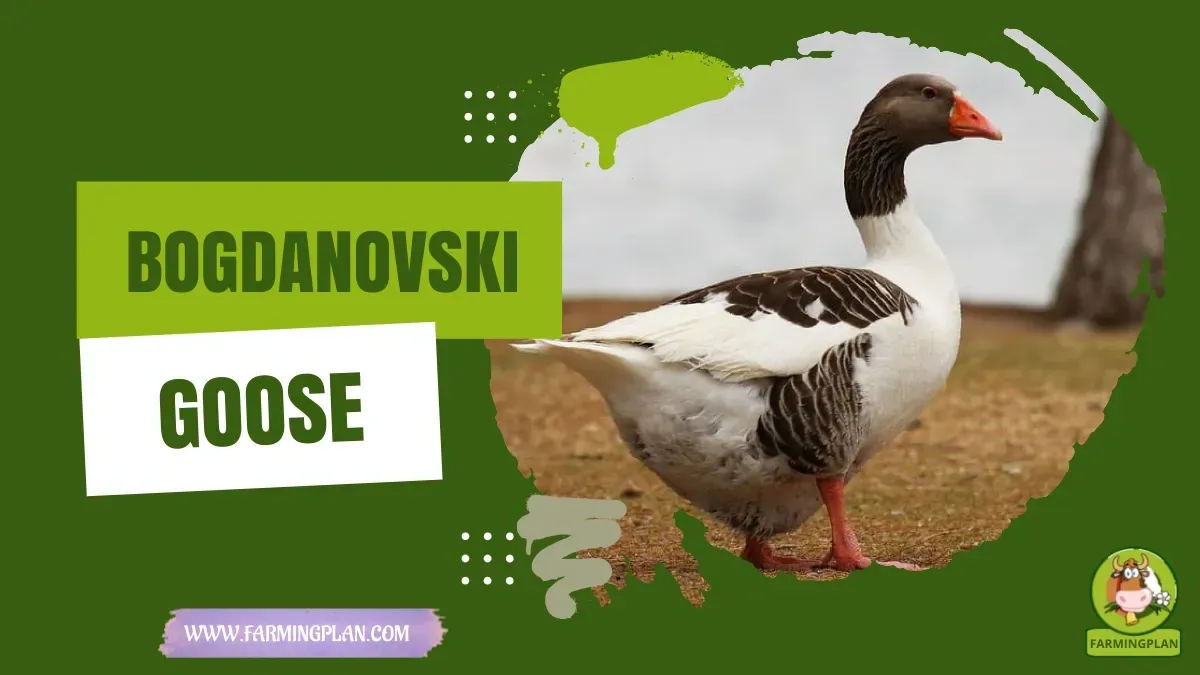
The Bogdanovski goose is an imposing, heavy-bodied waterfowl presenting a broad, deep trunk and powerful horizontal carriage. Adult ganders reach weights of 7.0 to 9.0 kilograms (15.4 to 19.8 pounds), while mature geese average 6.0 to 7.5 kilograms (13.2 to 16.5 pounds). The breast is full, well-rounded, and muscular, supported by a broad back and a prominent, dual-lobed abdominal fat paunch that develops as birds mature.
The head is large, broad, and carried on a thick, medium-length neck that arches gracefully above the shoulders. The bill is short, stout, and bright orange to reddish-orange, featuring a hard nail at the tip designed for cropping fibrous grasses and digging rhizomes. The eyes are dark brown or blue, encircled by a thin ring of orange eyelid skin. Legs and webbed feet are thick-boned, muscular, and deep orange, built for traversing heavy mud, snowdrifts, and rough pasture terrain. Early intervention at the first sign of lethargy protects overall bogdanovski goose flock or herd health.
📊 Bogdanovski Goose Morphological & Production Matrix
| Trait Parameter | Gander (Male) Standard | Goose (Female) Standard | Breeding Selection Benchmark |
|---|---|---|---|
| Mature Live Weight | 7.0 – 9.0 kg (15.4 – 19.8 lbs) | 6.0 – 7.5 kg (13.2 – 16.5 lbs) | Select for broad, deep breast muscling |
| Bill & Eye Color | Stout orange bill, dark/blue eyes | Stout orange bill, dark/blue eyes | Reject deformed bills or missing nails |
| Plumage Texture | Dense white plumage, heavy down | Dense white plumage, heavy down | Reject loose feathering or weak underdown |
| Abdominal Paunch | Prominent dual-lobed fat paunch | Well-developed paunch for egg storage | Ensure paunch does not drag on ground |
| Carcass Dressing % | 70% to 74% dressed yield | 68% to 72% dressed yield | High yield of roasting meat and clean fat |
Origin, History & Genetic Lineage
The genesis of the Bogdanovski goose is rooted in the peasant farming systems of nineteenth-century Russia. In regions surrounding Bogdanovka and adjacent Volga River territories, agrarian communities needed large, hardy domestic geese capable of foraging extensively across vast communal meadows during short continental summers and enduring months of sub-zero winter confinement without losing body condition. Structured culling and biosecurity protocols strengthen bogdanovski goose genetic quality.
Breeders utilized indigenous Russian farm geese, selecting strictly for skeletal breadth, heavy chest muscling, thick sub-dermal fat layers, and high down density. Unlike ornamental or exhibition breeds shaped by arbitrary aesthetic standards, the Bogdanovski was refined through functional necessity. Birds that survived disease outbreaks and raised vigorous gosling clutches without expensive inputs were retained as seedstock for subsequent generations. Maintaining clean feeders and sanitized equipment supports sustainable bogdanovski goose care.
Following twentieth-century political shifts and collectivization, traditional regional goose breeds experienced significant population declines as state collective farms favored standardized industrial waterfowl. Fortunately, remote rural villages preserved pure lineages of the Bogdanovski goose. Today, international conservationists recognize the breed as a vital reservoir of disease resistance and foraging efficiency.
Housing Infrastructure, Space Allotment & Pasture Design
As large grazing waterfowl, Bogdanovski geese require spacious outdoor infrastructure paired with dry nighttime housing. Inside coops, allocate a minimum of 8 to 10 square feet of floor space per mature bird. Coops must provide excellent cross-ventilation to remove humidity without creating cold drafts at bedding level. Straw bedding should be refreshed frequently to maintain a dry resting surface. Consistent daily observation helps keepers spot early changes in bogdanovski goose health and behavior.
Pasture is the primary habitat for Bogdanovski geese. A stocking density of 20 to 25 geese per acre is standard for productive, well-maintained pasture. Implement rotational grazing systems using 3-foot portable electric poultry netting to concentrate grazing on fresh forage and prevent overgrazing near shelter entrances. For comprehensive barn blueprints and ventilation dynamics, review our waterfowl housing and shelter design manual. Clean housing, fresh water, and balanced nutrition remain essential for bogdanovski goose productivity.
Water requirements include clean drinking stations where geese can immerse their entire heads to flush nasal passages. In addition, providing a clean pond or durable stock tank increases breeding success by allowing ganders to mate in water, which significantly improves fertility rates. Tracking feed intake and body condition supports long-term bogdanovski goose performance.
Nutritional Requirements & Grazing Management
Geese are unique among domestic poultry due to their specialized digestive anatomy: an enlarged muscular gizzard and well-developed caeca that enable them to digest plant cellulose and extract nutrients from fibrous pasture grasses efficiently. From spring to autumn, healthy pastures can fulfill 70% to 80% of an adult Bogdanovski goose’s nutritional requirements.
During early brooding (weeks 0 to 4), goslings require a non-medicated 20% to 22% crude protein waterfowl starter crumb fortified with niacin (minimum 65 mg/kg) to support rapid bone growth and prevent perosis (slipped tendon). From week 5 onward, transition birds to grower pellets (15% to 16% CP) supplemented with fresh chopped greens. Breeding adults during spring egg laying require a 16% CP breeder ration with 3.5% calcium, free-choice crushed oyster shell, and coarse granite grit. Further nutritional guidelines are available in our waterfowl feeding and nutrition guide. Following biosecurity best practices reduces disease risk in any bogdanovski goose operation.
In winter, provide high-quality grass hay, alfalfa leaves, whole grains (oats and barley), and root vegetables (carrots, mangels, and beets) to sustain healthy body condition when pasture is frozen. Seasonal adjustments to shelter and diet keep bogdanovski goose thriving year-round.
Health Management, Biosecurity & Disease Prevention
Bogdanovski geese are exceptionally robust, exhibiting strong natural immunity against common avian pathogens when reared in clean, well-drained pastoral environments. However, strict biosecurity remains essential to protect against devastating infectious waterfowl diseases. Proper record-keeping makes breeding and culling decisions easier for bogdanovski goose keepers.
The primary health threat to domestic geese is Derzsy’s disease (Goose Parvovirus), which causes severe mortality in young goslings under 4 weeks of age. Breeding stock should be vaccinated before the breeding season to transfer maternal antibodies to goslings via the egg yolk. Flocks must also be shielded from contact with migratory waterfowl to mitigate Avian Influenza risks, following biosecurity guidelines published by The Livestock Conservancy and federal animal health agencies.
Routine health inspections involve checking footpads for lesions or bumblefoot caused by sharp rocks or frozen ground, examining vent feathers for external lice, and performing fecal egg counts to monitor internal gizzard worms (Amidostomum anseris). Implement clean pasture rotation and refer to our waterfowl disease prevention protocols to keep flocks in peak health. Providing adequate space and ventilation prevents common stress issues in bogdanovski goose.
Breeding Biology, Incubation & Gosling Rearing
Bogdanovski geese reach breeding maturity at approximately 10 to 12 months of age. Breeding pairings should be established in late winter, maintaining a ratio of 1 gander to 2 or 3 geese. Flocks form strong social bonds that remain stable for multiple seasons, so maintaining consistent breeding trios or quartets maximizes fertility and reduces social friction. Understanding breed-specific traits helps maximize bogdanovski goose longevity and output.
The laying season begins in late February or March, yielding 25 to 45 large white eggs weighing 140 to 170 grams. Bogdanovski geese make exceptional natural brooders, lining deep straw nests with soft chest down and fiercely defending their clutch of 10 to 14 eggs through the 30-day incubation period. If using artificial incubation, maintain 99.5°F (37.5°C) with 55% to 60% humidity, turning eggs 180 degrees twice daily and misting with warm water from day 10 onward. For comprehensive waterfowl management, consult our commercial waterfowl guide. Routine preventive care saves time and lowers veterinary costs for bogdanovski goose.
Goslings hatch after 29 to 31 days and are remarkably hardy. Natural mothers brood them effectively, but artificial brooders should start at 90°F (32°C) for week one, tapering down by 5°F each week. Allow goslings access to tender grass runs by day 5 during sunny, dry weather.
Flock Economics & Estimated Annual Production Budget
Operating a breeding trio of Bogdanovski geese (1 gander and 2 geese) provides diversified agricultural revenue through gourmet holiday roasting geese, premium down harvesting, and sale of registered breeding goslings. Their ability to derive the majority of warm-season sustenance from grass makes them highly profitable on small acreage. Matching forage or ration quality to life stage optimizes bogdanovski goose growth.
📊 Estimated Annual Production Budget: Breeding Trio Bogdanovski Geese
| Expense Category | Description & Operational Scale | Initial Capital Setup | Annual Recurring Expense |
|---|---|---|---|
| Foundation Breeding Stock | 1 gander + 2 adult geese ($150 each registered stock) | $450 | $0 |
| Shelter & Perimeter Netting | Open-front three-sided shed, electric netting, stock tank | $850 | $60 |
| Supplementary Feed & Hay | Winter whole grains, breeding pellets, alfalfa hay bales | $0 | $320 |
| Bedding & Clean Straw | Wheat straw for deep floor bedding and nesting boxes | $0 | $120 |
| Health & Parasite Control | Goose parvovirus vaccines, dewormers, organic diatomaceous earth | $40 | $75 |
| Projected Annual Revenue | 20 pasture-raised meat geese ($95 ea) + 10 breeding goslings ($40 ea) | — | +$2,300 |
🦆 Bogdanovski Goose Flock Feed & Water Intake Calculator
Estimate daily balanced feed (lbs), fresh drinking/rinsing water requirements (Gal), indoor shelter, and monthly 50-lb feed bags for your Bogdanovski Goose flock.
Frequently Asked Questions (FAQ)
How big do Bogdanovski geese get when fully mature?
Mature Bogdanovski ganders weigh between 7.0 and 9.0 kilograms (15.4 to 19.8 pounds), while adult female geese reach weights between 6.0 and 7.5 kilograms (13.2 to 16.5 pounds).
Are Bogdanovski geese good for guarding farm properties?
Yes, their acute sensory awareness, territorial instincts, and loud trumpet alarms make them effective biological sentinels that alert handlers to intruders and deter small predators.
How many eggs does a Bogdanovski goose lay each year?
Female Bogdanovski geese typically lay between 25 and 45 large white eggs per season, producing their clutch primarily between late February and May.
Can Bogdanovski geese survive on pasture alone without grain?
During spring and summer on high-quality diverse pastures, adult geese can derive up to 80% of their diet from grazing, though supplemental grain is required during winter and breeding.
Do Bogdanovski geese require a swimming pond to breed successfully?
While geese can mate on dry land, providing swimming water or deep wading pools significantly increases physical ease and boosts egg fertility rates in heavy breeds.
Expert Verdict & Next Steps for Waterfowl Stewards
The Bogdanovski goose stands as a premier heavy heritage waterfowl breed capable of delivering superior roasting meat, luxury down feathers, and vigilant farmyard protection under low-input management systems. Its remarkable cold tolerance and efficient forage conversion make it an ideal asset for northern homesteads and regenerative pastoral operations. Gradual dietary transitions protect digestive stability in bogdanovski goose.
Before introducing heavy geese onto your property, review our technical guide on poultry feed formulation and FCR optimization to calculate seasonal nutritional budgets accurately. Establishing dedicated breeding pairs and preserving pure genetic bloodlines ensures this historic Russian landrace continues to thrive for generations of waterfowl stewards. For additional husbandry benchmarks and feeding standards, explore our complete Balien Eu Goose care guide.
📚Agricultural Reference & Scientific Citations
Standards and physiological data referenced in this guide comply with American Poultry Association (APA), The Livestock Conservancy, and USDA APHIS Avian Biosecurity Standards.


