

⚡ Choctaw Hog at a Glance: Key Specifications & Benchmarks
| Primary Agricultural Purpose | Heritage breeding, productive output & homestead utility |
| Standard Mature Size | Balanced breed conformation benchmark |
| Primary Production Yield | High-efficiency commercial / farm output |
| Feed Conversion & Forage | Excellent roughage & pasture converter |
| Climate Resilience | USDA Zones 4–9 (All-weather hardiness) |
| Temperament & Handling | Docile, manageable & alert |
| Management Level | Beginner to Intermediate friendly |
The Choctaw hog represents a living treasure of North American agricultural history and one of the rarest heritage livestock breeds on Earth. Descended directly from Spanish swine brought to the Southeast by conquistadors in the sixteenth century, this athletic, independent hog was adopted, maintained, and treasured by the Choctaw people. When forced along the tragic Trail of Tears into Oklahoma in the 1830s, the Choctaw took these resilient swine with them, preserving pure genetic lines across oak and hickory woodlands. Maintaining clean feeders and sanitized equipment supports sustainable Choctaw Hog care.
Unlike modern commercial swine bred for indoor confinement and industrial grain feeding, the Choctaw hog is a master woodsman. With a streamlined body, long snout, and thick hooves, it thrives in silvopasture and hardwood forests where it harvests acorns, tubers, and grubs with minimal management. Sows build intricate underground nesting chambers, farrowing robust litters completely unassisted by human intervention.
This operational handbook provides a practical roadmap for conservationists, permaculturists, and pasture farmers seeking to raise Choctaw hogs. From establishing escape-proof woodland electric fences to mastering acorn finishing rations and breeding conservation strategies, this guide equips stewards to save this irreplaceable heritage swine breed from extinction. Consistent daily observation helps keepers spot early changes in Choctaw Hog health and behavior.
Origins, Spanish Colonial Heritage & Choctaw Tribal History
The genetic ancestry of the Choctaw hog traces directly to Spanish pigs introduced to Florida and the Gulf Coast by Hernando de Soto in 1539. As expeditions moved through native territories, escaped and traded swine integrated into the agricultural ecosystems of indigenous southeastern nations. The Choctaw people developed an extensive open-range swine management culture based on seasonal mast harvesting.
Survival Along the Trail of Tears
During the Indian Removal Act of 1830, Choctaw families brought their trusted pigs across hundreds of rugged miles into Indian Territory (modern Oklahoma). In the remote Sans Bois Mountains, these hogs multiplied in isolated oak-pine forests. Stock owners notched unique ear marks on weanlings, leaving herds to forage freely throughout the seasons before rounding them up with catch dogs each winter.
The Near Extinction of the Pineywoods Swine
The decline of free-range forest grazing laws and the introduction of white commercial breeds in the mid-twentieth century nearly wiped out pure Choctaw hogs. By the early 2000s, fewer than one hundred registered breeding animals remained. The Livestock Conservancy placed the breed on its Critical Priority list, launching targeted preservation initiatives to distribute satellite breeding herds across secure conservation homesteads. Clean housing, fresh water, and balanced nutrition remain essential for Choctaw Hog productivity.
Modern Revival in Regenerative Silvopasture
Today, regenerative agroforesters recognize the Choctaw hog as an ideal biological tool for woodland management and soil aerification. Co-grazing them alongside hardy heritage ruminants like Barbados Blackbelly sheep and Bagot goats clears dense forest underbrush, reduces wildfire fuel loads, and generates premium acorn-finished charcuterie pork.
Breed Standards, Physical Traits & Conformation
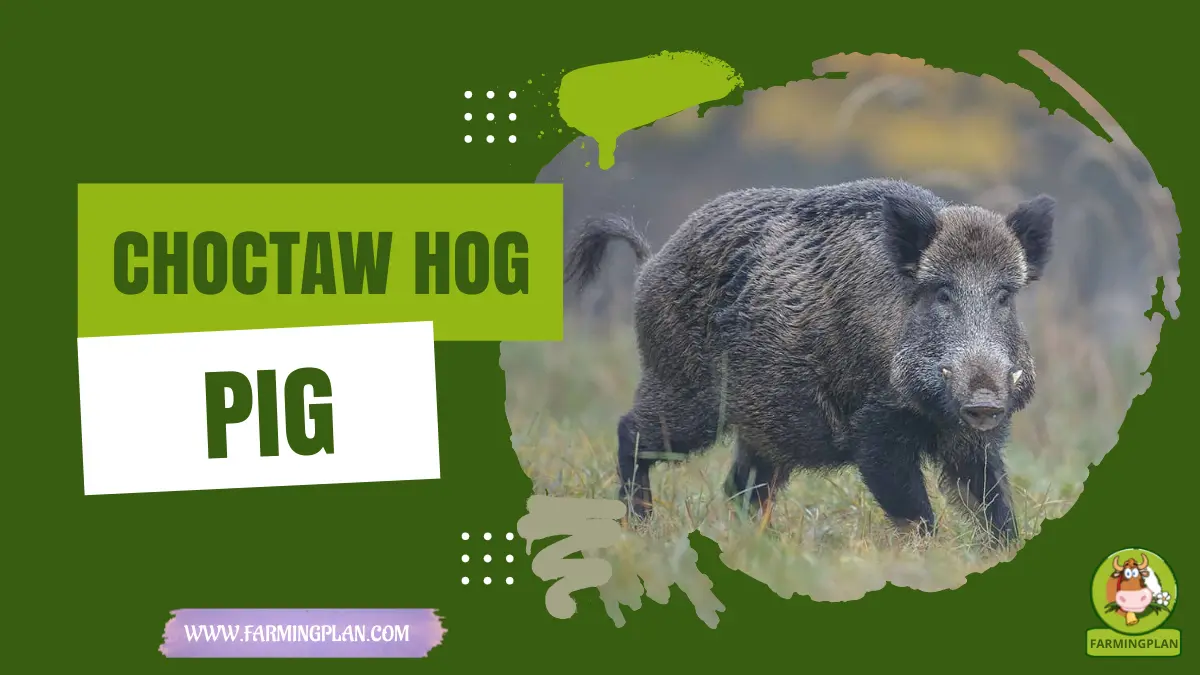
The Choctaw hog possesses a strikingly primitive, feral-adapted silhouette distinct from the boxy, rectangular frame of industrial hogs. Compact and agile, its conformation emphasizes survival athleticism, long-distance mobility, and effective forest root foraging. Tracking feed intake and body condition supports long-term Choctaw Hog performance.
⚡ Choctaw Hog Growth & Carcass Performance Matrix
| Production Benchmark | Breed Standard | Pasture Pork Enterprise Range |
|---|---|---|
| Mature Boar Weight | 500–750 lbs | Solid frame, strong legs and pasterns |
| Mature Sow Weight | 400–600 lbs | Excellent maternal instinct, gentle |
| Market Finish Weight (250 lbs) | 6.5–8.5 months | Superior red meat marbling score (4–5) |
| Litter Size (Farrowing Average) | 8–11 piglets | High pre-weaning survival rate |
| Pasture Foraging Capability | High rooting & grazing instinct | Significantly lowers grain requirements |
| Dressing Percentage | 72–76% | Prized bacon, belly & loin quality |
Skeletal Dimensions and Razorback Frame
Mature Choctaw boars weigh between 200 and 300 pounds (90 to 136 kg), while adult sows reach 160 to 250 pounds (73 to 113 kg). The body is narrow and slab-sided with a prominent dorsal ridge that historically earned them the folk title of razorbacks. Legs are remarkably long and slender, ending in hard, upright black hooves capable of scaling rocky mountain ledges without stone bruising.
Head, Snout and Throat Wattles
The head is long and lean with a straight, elongated snout designed for deep subterranean root excavation. The ears are medium-sized and pointed forward, helping channel woodland sounds while deflecting briars. A notable physical signature present on many specimens is a pair of fleshy skin appendages hanging from the lower throat, known as wattles or tassels.
Plumage, Bristles and Carcass Characteristics
The coat consists of coarse, dense black bristles that shield the hog from blackberry thorns and biting flies. While solid black is standard, occasional white belly splashes appear. The carcass yields exceptionally dark, red meat rich in oleic fatty acids. The fat is soft, creamy, and ideal for cured Spanish-style hams, lard pastry baking, and dry-cured charcuterie. If you are balancing utility output and herd resilience, take a look at our Cinta Senese Pig reference guide. Following biosecurity best practices reduces disease risk in any Choctaw Hog operation.
Temperament, Foraging Behavior & Herd Survival Instincts
Choctaw hogs retain strong natural survival instincts. They possess sharp sensory perception, acute hearing, and rapid flight responses when startled. However, with regular gentle human contact, grain bucket training, and calm handling, they become obedient, trusting farm partners.
Silvopasture Mast Foraging Vigor
No domestic hog surpasses the Choctaw in foraging resourcefulness. Released into mature timber, they seek out fallen acorns, hickory nuts, wild persimmons, roots, and earthworms. Their intense physical drive allows them to maintain body condition on natural mast crops where conventional hogs would rapidly lose flesh. Seasonal adjustments to shelter and diet keep Choctaw Hog thriving year-round.
Fierce Mothering and Nest Excavation
Choctaw sows are fiercely dedicated mothers. Several days before farrowing, the sow retreats into dense forest brush, excavating a deep circular depression lined with leaves, branches, and dried grass. Sows fiercely defend their piglets from predators, including coyotes, feral dogs, and bobcats. Handlers should respect nesting sows, using sorting boards during early piglet inspections.
Herd Social Hierarchy and Sounder Harmony
Choctaw swine organize into tight social family groups known as sounders, composed of several related sows and their collective piglets. Communal nursing is common, with sows peacefully sharing mothering duties. Aggression between herd members is rare, and mature boars display calm tolerance toward weanlings within the sounder.
Woodland Housing, Electric Fencing & Silvopasture Systems
Because Choctaw hogs are agile jumpers and vigorous rooters, establishing secure containment is the foremost infrastructure priority. A properly designed rotational silvopasture layout keeps hogs securely enclosed while preventing over-rooting in fragile woodland soils. Proper record-keeping makes breeding and culling decisions easier for Choctaw Hog keepers.
High-Tensile Electric Fencing Protocols
A multi-strand electric fence is the gold standard for pasturing Choctaw swine. Install a three-strand high-tensile wire system set at 6 inches, 14 inches, and 24 inches off the ground, charged by a minimum 6-joule low-impedance energizer delivering 6,000 to 8,000 volts. Train newly acquired weanlings inside a hard-fenced corral lined with hot electric wire so they respect boundaries before pasture turnout.
Natural Windbreaks and Portable Field Shelters
In mature hardwood stands, natural evergreen cedar thickets and topographic draws provide substantial wind shelter. Supplement natural shelter with portable A-frame timber huts or arched corrugated steel skids bedded deeply with cedar shavings or dry woodland leaves. Shelters should be mobile to permit easy relocation along paddock rotation corridors. Providing adequate space and ventilation prevents common stress issues in Choctaw Hog.
Woodland Wallows and Root-Zone Protection
Establish shaded mud wallows near water troughs to provide natural cooling and insect relief. To protect hardwood timber health, rotate hogs off forest paddocks once the topsoil layer has been loosened, allowing soil microbes and understory vegetation to regenerate before re-stocking.
Nutritional Requirements, Mast Foraging & Finishing Rations
Feeding Choctaw hogs requires a different strategy than standard commercial swine. Because their metabolism is adapted to seasonal abundance and scarcity, overfeeding high-carbohydrate commercial corn-soy pellets causes excessive internal adipose accumulation rather than lean muscular development.
Seasonal Mast Utilization and Forage Caloric Intake
During autumn mast drops (September through December), mature white oak and red oak acorns furnish up to 70% of the Choctaw’s caloric intake. Acorns are rich in carbohydrates and monounsaturated oleic fats, imparting a sweet, nutty profile to the muscle fat. Supplementing mast foraging with 1 to 2 pounds of a 14% protein grower ration maintains essential amino acid balance. Understanding breed-specific traits helps maximize Choctaw Hog longevity and output.
Winter and Spring Ration Balancing
During late winter when forest mast is depleted, supply gestating sows with 3 to 4 pounds of a 14% crude protein ration containing milled barley, whole oats, alfalfa meal, and complete swine minerals. In spring, rotational pasture grasses, wild clover, and dandelion roots supply rich carotene and digestible fiber.
Mineral Supplementation and Water Requirements
Supply free-choice granulated swine minerals containing selenium, zinc, copper, and salt to balance soil deficiencies. Provide continuous clean water through heavy float-valve troughs. Official heritage swine nutrition guidelines can be referenced through The Livestock Conservancy Heritage Swine Handbook to maintain proper heritage breeding condition. Routine preventive care saves time and lowers veterinary costs for Choctaw Hog.
Herd Health Management, Biosecurity & Parasite Defense
The Choctaw hog enjoys extraordinary innate disease resistance forged through four centuries of natural selection in the American wilderness. Respiratory ailments and genetic defects that plague modern confinement breeds are virtually unknown in Choctaw lines. However, proactive biosecurity remains vital.
Swine Health Screenings and Feral Pig Biosecurity
Because Choctaw hogs are pastured in wooded terrain, preventing contact with wild feral swine is critical. Feral hogs carry devastating infectious diseases, including Pseudorabies (Aujeszky’s disease) and Swine Brucellosis. Constructing a double-perimeter fence or maintaining exterior electric outriggers prevents nose-to-nose contact across property lines.
Internal Parasite Rotation Strategies
Woodland swine can acquire lungworms (Metastrongylus) and thorn-headed worms through ingesting earthworms and beetles. Rotational grazing across multiple timber paddocks breaks parasite life cycles naturally. Administer targeted anthelmintic pastes or medicated feed crumbles (fenbendazole) twice annually during seasonal moves. Matching forage or ration quality to life stage optimizes Choctaw Hog growth.
Hoof Health and Tusks
Hard, upright hooves naturally wear down against rocky woodland ground, rarely requiring trimming. Mature boars develop long, curved canine tusks used for defense and root cutting. If boars are housed in close quarters or handled frequently, tusks can be safely blunted by a licensed veterinarian using obstetric wire.
Conservation Economics, Charcuterie & Estimated Annual Budget
Raising Choctaw hogs is both an ecological conservation mission and a viable niche livestock business. While they grow more slowly than commercial pigs, their minimal grain requirements and high culinary value create strong financial returns for artisanal pasture producers. Gradual dietary transitions protect digestive stability in Choctaw Hog.
Artisanal Pork and Jamón Iberico-Style Value
Choctaw market hogs reach prime harvest weight (180 to 220 lbs) in 10 to 14 months of outdoor woodland foraging. Due to their Spanish heritage and acorn diet, Choctaw pork commands exceptional premiums among high-end charcutiers. Cured hams produced in the style of Spanish Jamón sell for $25 to $40 per pound, while whole carcass custom roasters fetch top dollar from specialty chefs.
Estimated Annual Budget for a 4-Sow Conservation Sounder
The following detailed cost breakdown summarizes the annual recurring operational budget required to manage a conservation breeding sounder of 4 Choctaw sows and 1 herd boar on rotational woodland pasture:
| Expense Category | Annual Cost (USD) | Operational Notes |
|---|---|---|
| Supplemental Grain, Oats & Ration Pellets | $780 | Approx. 4,500 lbs grain (accounting for heavy acorn forage) |
| Granulated Swine Minerals & Salt | $95 | Free-choice minerals, selenium, and iron buckets |
| Dewormers, Vaccines & Veterinary Supplies | $140 | Pre-breeding vaccinations and bi-annual deworming |
| Electric Energizer Power & Paddock Upkeep | $110 | Solar battery upkeep, polywire reels, and insulators |
| Registration Fees & Conservation DNA Panels | $125 | Pedigree tracking with The Livestock Conservancy |
| Total Estimated Annual Budget | $1,250 | Annual investment for 5-hog registered sounder |
Preservation Seedstock Marketing
Registered breeding pairs command $500 to $900 per pair from homesteaders dedicated to rare breed recovery. Explore our heritage ruminant resources on Bagot conservation goats and Beltex meat sheep to discover multi-species silvopasture grazing strategies. Selecting healthy foundation stock is the cornerstone of successful Choctaw Hog management.
🐖 Choctaw Hog Swine Daily Feed Calculator
Calculate daily grower/finisher rations (lbs), monthly 50-lb feed bags, pen space, and water needs for your Choctaw Hog pigs.
Frequently Asked Questions About Choctaw Hog (FAQ)
What makes the Choctaw hog different from other heritage pigs?
The Choctaw hog is a pure Spanish colonial survivor possessing an athletic razorback silhouette, throat wattles, and exceptional woodland foraging skills. They thrive on acorns and roots with minimal commercial grain.
How many Choctaw hogs exist today?
The Choctaw hog is critically endangered, with fewer than 200 registered breeding individuals alive today. Dedicated conservationists and agroforesters are actively multiplying satellite breeding herds.
Do Choctaw hogs have wattles?
Yes, many Choctaw hogs exhibit distinct fleshy throat wattles (tassels) hanging from their lower jaws, a signature genetic trait inherited from their sixteenth-century Spanish ancestors.
What does acorn-finished Choctaw pork taste like?
Acorn-finished Choctaw pork is deep burgundy red, tender, and intensely flavorful with a sweet, nutty fat cap rich in healthy oleic acids, closely resembling prized Spanish Jamón Ibérico.
Practical Summary & Conservation Roadmap
The Choctaw hog is an irreplaceable heritage resource, representing historical tenacity, genetic resilience, and supreme silvopasture utility. By providing robust electric fencing, seasonal mast woodland access, and dedicated conservation breeding, modern homesteaders can safeguard this noble swine breed for future generations.
Continue your heritage livestock exploration by reviewing our comprehensive husbandry guides on Barbados Blackbelly sheep and Anatolian Black cattle. Discover complete farm management strategies in our central swine production and pastured pork portal today. Good predator-proofing and dry bedding safeguard Choctaw Hog comfort in harsh weather.
Expert Verdict & Next Steps for Choctaw Hog Keepers
Successful management of Choctaw Hog hinges on rigorous adherence to species-specific housing dimensions, precision daily nutrition, and proactive biosecurity protocols. Whether you are managing commercial production or establishing a self-sufficient homestead breeding flock, maintaining disciplined husbandry standards ensures long-term vitality, exceptional output yields, and sustainable enterprise profitability.
By pairing predator-proof shelter infrastructure with high-quality rations and regular veterinary wellness monitoring, growers can confidently optimize productive longevity across all life stages. For comprehensive operational management blueprints and companion breed guides, explore our complete technical library in Farming Plan Agricultural Guides.
📚Agricultural Reference & Scientific Citations
Standards and physiological data referenced in this guide comply with USDA APHIS Swine Health, FAO Domestic Animal Diversity Information System, and the American Veterinary Medical Association (AVMA).


