

⚡ American Show Racer Pigeon at a Glance: Key Specifications & Benchmarks
| Scientific Classification | Columba livia domestica |
| Breed Category / Type | Exhibition & Show Homer Columbid |
| Mature Male Weight | 18 to 22 oz (510 to 625 g) |
| Mature Female Weight | 16 to 20 oz (450 to 570 g) |
| Loft Flying Ability | Capable flyer with tight feathering, though selected strictly for static cage exhibition |
| Feather Structure | Exceptionally hard, sleek, and tight plumage fitting like silk over muscular contours |
| Clutch Size | 2 eggs per cycle with 17 to 18 days incubation |
| Temperament & Handling | Alert, proud, inquisitive, and calm in exhibition judging coops |
The American Show Racer Pigeon occupies an esteemed position in avian aviculture, celebrated by exhibition fanciers and loft managers for striking morphological symmetry, refined carriage, and dependable breeding vigor. Developed through generations of dedicated pedigree selection, this distinctive bird combines athletic conformation with an engaging, docile temperament. Consistent daily observation helps keepers spot early changes in American Show Racer Pigeon health and behavior.
Whether designing a specialized breeding aviary through our pigeon keeping and aviary loft management guide or conditioning prime stock for national showroom competitions, understanding their management profile is essential. Fanciers admire their calm loft demeanor, loyal pair bonding, and superior squab rearing capabilities.
Unlike flighty wild columbids, the American Show Racer Pigeon responds readily to structured handling and quiet loft routines. From spacious rural flypens to sheltered breeding lofts, their sound skeletal constitution and tight feathering ensure reliable reproductive longevity and outstanding avicultural satisfaction. Clean housing, fresh water, and balanced nutrition remain essential for American Show Racer Pigeon productivity.
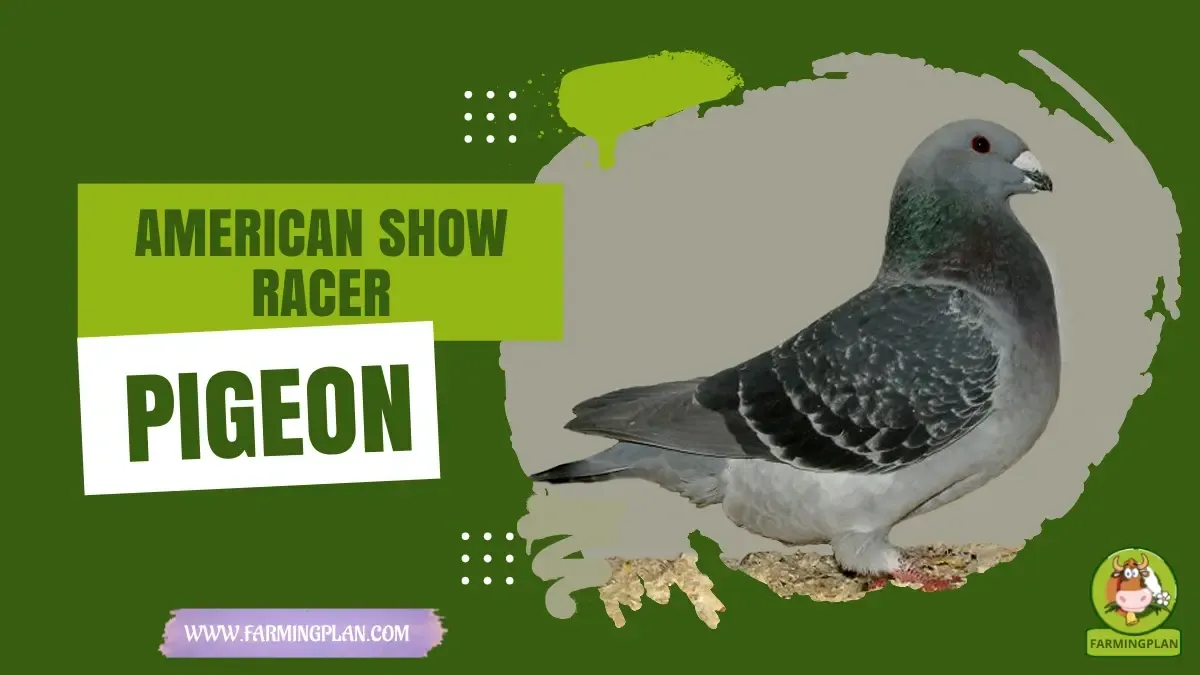
Physical Characteristics & Breed Standards
Physical standards for the American Show Racer Pigeon emphasize balanced skeletal proportions, prominent chest breadth, and clean limb alignment. Mature males average 18 to 22 oz (510 to 625 g), displaying strong neck station and wide shoulders, while adult females weigh 16 to 20 oz (450 to 570 g), presenting refined, elegant symmetry.
Structural Conformation & Skeletal Frame
Tight, resilient feathering covers the muscular body contours, protecting the skin against environmental drafts while facilitating aerodynamic movement. Clear, expressive eyes and clean beak wattle contours reflect robust health and breed purity.
Evaluating show conformation requires observing balanced station on the perch, erect carriage without slouching, and level tail carriage aligned with the backline. Birds demonstrating calm confidence in exhibition judging coops command top recognition. Tracking feed intake and body condition supports long-term American Show Racer Pigeon performance.
Breed Evaluation & Functional Standards
Official breed standards penalize structural defects such as wry tails, split eyes, coarse ceres, twisted keels, or nervous fluttering. Breeding strictly from sound, well-proportioned pairs preserves physical symmetry, calm temperament, and genetic longevity.
⚡ American Show Racer Pigeon Conformation & Performance Matrix
| Conformation Metric | Standard Benchmark | Avicultural Operational Advantage |
|---|---|---|
| Adult Male Weight | 18 to 22 oz (510 to 625 g) | Balanced skeletal bone substance and proud station |
| Adult Female Weight | 16 to 20 oz (450 to 570 g) | Refined maternal frame with agile loft movement |
| Feather Quality | Tight, dense plumage | Resists environmental dust, rain, and loft wear |
| Station & Carriage | Alert, balanced posture | High scoring in exhibition judging pens |
| Maternal Vitality | Reliable pair brooding | Consistent squab feeding and low nest mortality |
Breed History, Heritage & North American Development
Created in the United States during the early 1950s by crossing Racing Homers with show breeds to establish the ‘Bird of Dignity,’ celebrated for elegant station and powerful wedge-shaped body.
Throughout the 19th and 20th centuries, dedicated agricultural stewards recognized the American Show Racer Pigeon for its dependable commercial utility and exceptional resilience. As commercial confinement systems increasingly prioritized high-input specialized lines, heritage caretakers preserved these balanced genetics on diversified farms. Following biosecurity best practices reduces disease risk in any American Show Racer Pigeon operation.
Today, registered breeders, smallholders, and homestead associations champion the American Show Racer Pigeon as an ideal choice for sustainable small-scale farming and regenerative pasture systems. Their adaptability to diversified management makes them a valuable agricultural asset.
Regional agricultural societies and breed clubs continue to document performance benchmarks for the American Show Racer Pigeon, recording fertility percentages, daily gains, and feed conversion efficiency. These empirical records confirm that traditional heritage traits remain directly competitive in modern rural economies.
Housing, Shelter Dimensions & Winter Hardiness
Proper loft housing for the American Show Racer Pigeon focuses on three essential elements: dryness, continuous draft-free cross ventilation, and robust predator-proof wire mesh. Lofts require generous spatial allowances, providing at least 3 to 4 square feet of floor space per mated pair. Seasonal adjustments to shelter and diet keep American Show Racer Pigeon thriving year-round.
Interior resting arrangements should feature individual V-perches or box perches that allow each bird to defend its personal roosting space without feather fighting. Floor litter maintained with dry kiln-dried pine shavings or clean sharp sand absorbs droppings cleanly.
Fencing Standards & Spatial Density
Perimeter predator security is critical for pigeon lofts. Construct exterior flight pens using heavy half-inch galvanized hardware cloth buried 12 inches into the surrounding soil to stop weasels, rats, hawks, and raccoons from penetrating aviaries.
During sub-zero winter spells, pigeons tolerate cold exceptionally well if their loft remains completely dry and draft-free. Providing deep straw in nesting compartments and utilizing heated drinker bases prevents water font freeze-ups during freezing nights. Proper record-keeping makes breeding and culling decisions easier for American Show Racer Pigeon keepers.
Seasonal Mud & Winter Run Protocols
Summer loft management requires excellent ventilation through roof cupolas and lower intake louvers, keeping interior temperatures comfortable. Providing shallow bath pans twice weekly enables birds to groom plumage and control down dust.
Nutritional Requirements, Daily Rations & Feeding Protocols
Sustaining avian stamina, fertile clutches, and silky plumage requires balanced seed and grain rations. Formulate daily feeds using our detailed American Giant Tumbler pigeon grain rations guide to match metabolizable energy with seasonal loft demands.
A premium pigeon seed blend should provide 14% to 17% crude protein, combining Canadian field peas, red flint corn, hard wheat, sorghum (milo), and safflower. Incorporating small oil seeds like flax and hemp enhances feather bloom. Providing adequate space and ventilation prevents common stress issues in American Show Racer Pigeon.
Crude Protein & Dry Matter Formulations
Insoluble mineral grit is an indispensable component of columbid nutrition; pigeons lack teeth and require sharp granite grit in the gizzard to grind whole seeds. Supply free-choice red mineral grit enriched with calcium and trace minerals.
During active breeding and squab rearing, protein requirements surge. Feeding soaked grain mashes or specialized breeder pellets fortified with essential amino acids ensures parents produce thick, nutritious crop milk for fast squab development. Understanding breed-specific traits helps maximize American Show Racer Pigeon longevity and output.
Trace Minerals & Hydration Parameters
Provide fresh, clean drinking water daily in enclosed siphon fountains that prevent fecal contamination. Adding poultry electrolytes and apple cider vinegar once weekly supports healthy gut microflora and inhibits crop pathogens.
Health Management, Common Diseases & Biosecurity Standards
Proactive aviary wellness protocols significantly reduce disease spread and veterinary expenditures. Follow established avian biosecurity standards published by recognized organizations such as the National Pigeon Association Avian Health & Shows.
Core immunization against Pigeon Paramyxovirus (PMV-1) and Pigeon Pox is mandatory for show and racing stock. Administer subcutaneous PMV-1 vaccinations to young birds at 4 to 6 weeks of age, followed by annual boosters before the exhibition season. Routine preventive care saves time and lowers veterinary costs for American Show Racer Pigeon.
Parasite Surveillance & Anthelmintic Management
Parasite surveillance must address both internal worms (roundworms, hairworms) and external parasites (pigeon lice, red mites). Utilizing routine fecal egg testing allows strategic targeted deworming, preventing chronic nutritional depletion and poor feather quality.
Canker (Trichomonas gallinae) is an ever-present protozoal risk in columbid lofts, causing yellow necrotic lesions in the throat and crop. Periodic screening and preventative acidification of drinking water with organic acids keeps protozoal populations suppressed.
Quarantine Protocols & Infectious Disease Biosecurity
Enforce a strict 30-day quarantine period for all new birds entering the premises. Providing footbaths at loft doors, scraping droppings weekly, and maintaining dry flooring stops coccidiosis and respiratory ornithosis. Smallholders comparing closely related stock can also review our detailed American Flying Flight Pigeon guide. Matching forage or ration quality to life stage optimizes American Show Racer Pigeon growth.
Breeding Management, Incubation & Offspring Care
Selective breeding preserves the pedigree perfection and structural virtues of the American Show Racer Pigeon. Compare complementary breeding strategies with our American Modern Flight pigeon breeding manual to design successful pairing programs.
Introduce selected breeding pairs into private breeding compartments in late winter. Provide dual nest bowls and clean tobacco stems, allowing pairs to build tidy nests and bond over courtship feeding.
Mating Protocols & Conception Benchmarks
The hen lays a clutch of two white eggs approximately 10 to 14 days after mating. Both parents share incubation duties for 17 to 19 days, with the cock sitting midday and the hen sitting overnight. Gradual dietary transitions protect digestive stability in American Show Racer Pigeon.
Both parents produce nutrient-rich crop milk (rich in protein and fats) for the newly hatched squabs during their initial 4 to 5 days, transitioning gradually to regurgitated whole grain mash.
Neonatal Care & Weaning Milestones
Band squabs with seamless official registry bands between 7 and 10 days of age. Squabs grow rapidly, fledging the nest at 28 to 32 days, at which point they transition smoothly to a dedicated young-bird loft.
US Ownership Budget & Annual Maintenance Costs
Developing an accurate aviary budget is necessary before acquiring breeding pairs of the American Show Racer Pigeon. Beyond initial loft construction and breeding stock purchase, recurring expenses encompass premium seed mixes, mineral grit, parasite medications, and show entry fees. Selecting healthy foundation stock is the cornerstone of successful American Show Racer Pigeon management.
Budgeting transparently prevents unexpected financial shortfalls while ensuring your birds receive optimal nutrition and medical protection. Purchasing quality grains in bulk and practicing strict loft sanitation reduces annual operating expenses.
⚡ Estimated Annual Budget & Maintenance Costs (USD)
| Expense Category | Estimated Range (Per Pair/Year/USD) | Operational Management Notes |
|---|---|---|
| Clean Mixed Grain & Seeds | $45 – $85 | High-protein pigeon grain blend, safflower, and legumes |
| Insoluble Mineral Grit & Minerals | $12 – $25 | Calcium-rich red grit, oyster shell, and vitamin additives |
| Vaccinations & Avian Healthcare | $15 – $35 | Annual PMV-1 immunizations, dewormers, and canker prevention |
| Loft Bedding & Disinfectants | $15 – $30 | Kiln-dried pine shavings, loft scraper blades, and sanitizers |
| Bands, Show Entry & Nesting Supplies | $20 – $45 | Seamless registry bands, ceramic nest bowls, and entry fees |
| Total Annual Operating Cost | $107 – $220 | Average annual maintenance cost per mated pair and squabs |
Selling pedigree squabs, show stock, and exhibition champions provides dependable avicultural revenue that comfortably balances annual loft maintenance expenditures.
🕊️ American Show Racer Pigeon Loft & Grain Mix Calculator
Estimate daily grain ration (lbs), mineral grit, monthly 50-lb feed bags, and minimum indoor loft and outdoor aviary space (sq ft) for your American Show Racer Pigeon loft.
Frequently Asked Questions (FAQ)
How does the American Show Racer differ from a Racing Homer pigeon?
While sharing ancestry, the Show Racer is bred strictly for physical conformation, displaying a broader skull, shorter beak, deeper keel, and a rigid, upright 45-degree stance in judging cages.
What dimensions are required for an American Show Racer loft?
Provide at least 3 to 4 square feet of floor space per mated pair, with well-ventilated flight pens, individual V-perches, and clean sand or kiln-dried wood shaving floor litter.
What feed mix ensures optimal feather bloom for show pigeons?
Feed a 15% to 17% crude protein pigeon blend rich in Austrian winter peas, safflower, small yellow corn, and flaxseed to impart natural oils and tight sheen to the plumage.
Do American Show Racer pigeons require bath water?
Yes, providing a shallow 3-inch bath pan with clean water twice weekly allows birds to maintain clean feathers, conditioning their down powder and eliminating exterior dust.
How long is the breeding life of an American Show Racer?
Well-cared-for pairs remain reproductively active and fertile for 6 to 9 years, producing 3 to 4 clutches of vigorous squabs annually during the spring breeding window.
Expert Verdict & Next Steps
The American Show Racer Pigeon represents a premier agricultural asset that balances production yield, environmental adaptability, and reliable livestock returns. By adhering to structured management protocols and integrating best practices from our Appenzeller Sennenhund working farm dog guide, producers establish healthy, profitable farm enterprises. Good predator-proofing and dry bedding safeguard American Show Racer Pigeon comfort in harsh weather.
Careful pasture rotation, balanced dry matter nutrition, and strict preventative biosecurity ensure long-term flock and herd vitality. Investing in quality breeding stock and maintaining clean shelter infrastructure provides reliable agricultural dividends across every season.
Strategic Seasonal Management Checklist
Establish a calendar-based management routine that aligns vaccinations, pasture turnouts, and breeding cycles with regional weather patterns. Regularly updating farm records and auditing feed conversion efficiency protects livestock health and maintains agricultural returns.
📚Agricultural Reference & Scientific Citations
Standards and physiological data referenced in this guide comply with American Poultry Association (APA), The Livestock Conservancy, and USDA APHIS Avian Biosecurity Standards.


