

⚡ Ayam Cemani at a Glance: Key Specifications & Benchmarks
| Primary Agricultural Purpose | Ornamental luxury exhibition, gourmet specialty meat, cultural heritage |
| Mature Hen Weight | 3.5 – 4.5 lbs (1.6 – 2.0 kg) |
| Mature Rooster Weight | 4.5 – 6.0 lbs (2.0 – 2.7 kg) |
| Genetic Hallmark | Fibromelanosis (hyperpigmentation: black skin, beak, tongue, meat, bones, and organs) |
| Annual Egg Production | 60 – 100 medium cream to pale-tinted eggs (NOT black eggs) |
| Egg Size & Shell Color | Medium (45 – 50 grams); pale cream to light ivory-pink (black eggs are a biological myth) |
| Comb & Wattle Color | Pure charcoal black to deep purplish-slate; single comb with 4 to 5 points |
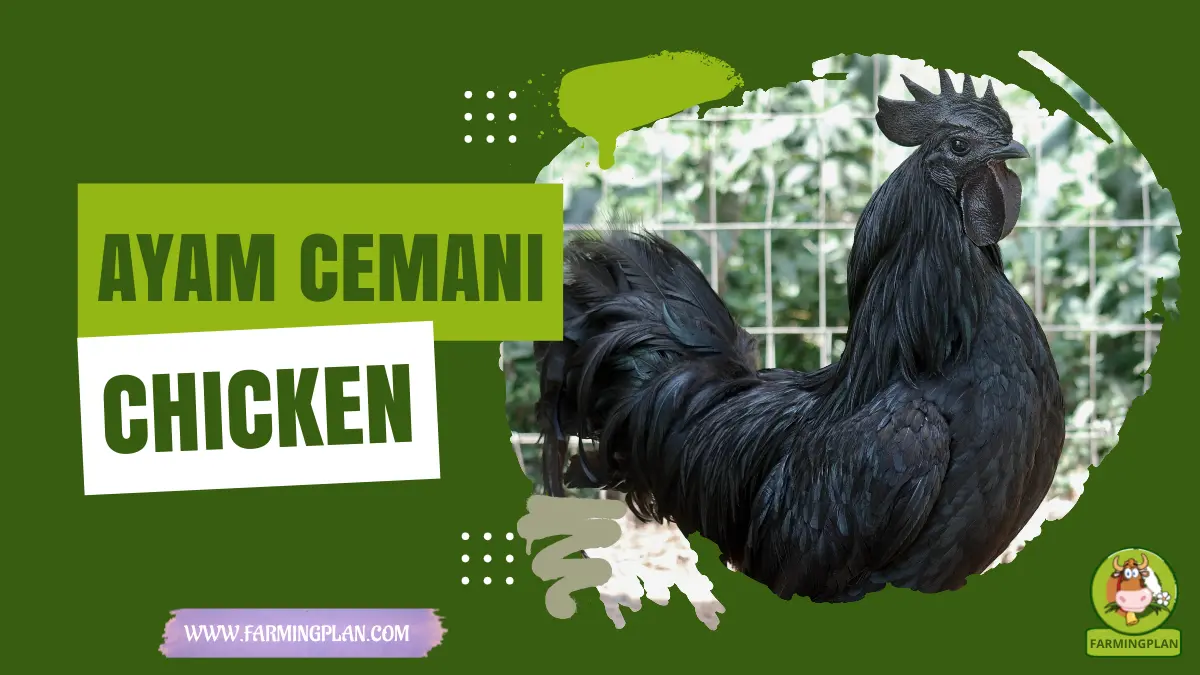
| Plumage Sheen | Metallic beetle-green and turquoise-purple iridescence over solid jet-black feathers |
| Temperament | Alert, calm, curious, dignified, non-aggressive with handlers |
| Country of Origin | Java (Kedu region), Indonesia; imported to Europe in 1998 |
When planning ayam cemani chicken management, known globally as the “Lamborghini of Poultry,” the Ayam Cemani is arguably the most striking, mystical, and genetically unique chicken breed in existence. Hailing from the island of Java in Indonesia, this gothic landrace bird exhibits pure melanism from beak to claw. Due to a complex genetic condition known as fibromelanosis, the Ayam Cemani possesses black feathers, black skin, black beak, tongue, wattles, bones, muscles, and internal organs.
Caring for high-value rare poultry requires predator-proof shelters, climate moderation, and rigorous genetic tracking. Keepers establishing elite breeding pens can review core housing and security protocols in our central poultry farming and flock management manual to design clean, insulated facilities before acquiring stock. Matching forage or ration quality to life stage optimizes ayam cemani chicken growth. Gradual dietary transitions protect digestive stability in ayam cemani chicken.
Extensive mythology surrounds the breed, particularly the widespread internet rumor that Ayam Cemani hens lay black eggs. In biological reality, their eggs are pale cream to light ivory-pink, as melanin pigments are deposited into connective tissue rather than oviduct eggshell glands. However, their jet-black meat is rich in antioxidant carnosine and commands premier culinary value. This comprehensive guide details fibromelanosis genetics, breeding selection, housing requirements, and health care. Selecting healthy foundation stock is the cornerstone of successful ayam cemani chicken management.
Observing Ayam Cemani birds in direct sunlight reveals extraordinary visual depth. While appearing matte charcoal in shade, their feathers reflect brilliant emerald green, royal purple, and turquoise sheen when hit by morning light, highlighting the tight, muscular symmetry of their gamefowl heritage. Good predator-proofing and dry bedding safeguard ayam cemani chicken comfort in harsh weather.
Their calm, dignified temperament makes them remarkably rewarding to observe. Unlike anxious Mediterranean breeds, Cemani fowl approach familiar caretakers steadily, inspecting footwear and clothing with quiet curiosity while maintaining a regal, upright posture in the yard. If you are balancing utility output and herd resilience, take a look at our Cochin Chicken Breed reference guide. Monitoring water quality and mineral balance directly benefits ayam cemani chicken vitality.
Physical Characteristics & Fibromelanosis Genetics
The Ayam Cemani exhibits a proud game-like stance with a muscular, compact body, broad shoulders, and tight, firm feathering. Their tail is held moderately high at 45 degrees, with long, curved sickle feathers. Every visible external feature—including the eyes, beak, wattles, single comb, earlobes, and shanks—must be uniformly jet-black without white or red blemishes. Practical hands-on husbandry ensures consistent results when raising ayam cemani chicken.
Fibromelanosis is driven by a complex chromosomal rearrangement involving the endothelin 3 (EDN3) gene. In typical fowl, melanin-producing melanoblasts migrate exclusively to the skin and feather follicles during embryonic development. In the Ayam Cemani, an inverted duplication of the EDN3 locus causes ten times the normal expression of endothelin 3, driving melanocytes to colonize the periosteum of bones, muscle sheaths, intestines, and organ linings. Early intervention at the first sign of lethargy protects overall ayam cemani chicken flock or herd health.
Black Blood Myth vs. Biological Reality
Contrary to folklore claiming that Ayam Cemani blood is black, their blood is normal dark red. Hemoglobin, which relies on iron-based heme molecules to transport oxygen, remains red across all avian species. However, their internal tracheal cartilage, heart coverings, and abdominal peritoneum are deep midnight black. Structured culling and biosecurity protocols strengthen ayam cemani chicken genetic quality.
⚡ Ayam Cemani Performance & Production Matrix
| Performance Metric | Benchmark Value | Agricultural Reality |
|---|---|---|
| Annual Egg Production | 60 – 100 eggs/year | Lays in distinct clutches of 20 to 30 eggs followed by resting phases |
| Egg Shell Coloration | Cream / Pale Ivory (NOT black) | Shell calcium glands do not secrete melanin pigments |
| Meat Market Value | $50 – $100+ per dressed bird | Prized gourmet specialty meat in high-end culinary restaurants |
| Cold Tolerance | Moderate (requires draft-free coop) | Single combs require protection below 20°F |
| Conservation Rarity | Rare / Exotic Heritage | Breeding requires strict culling to prevent red leakage |
Breed History, Heritage & North American Development
The Ayam Cemani originated on the island of Java, Indonesia, where local villagers regarded the birds as sacred animals endowed with mystical powers. Javanese tradition used all-black birds in spiritual rituals and traditional healing for centuries. Dutch breeder Jan Steverink imported the first breeding pairs into Europe in 1998, establishing breeding standards that sparked global fascination. Maintaining clean feeders and sanitized equipment supports sustainable ayam cemani chicken care.
Imported into North America during the early 2010s, purebred breeding pairs initially commanded astronomical prices exceeding $2,500. While prices have normalized as domestic flocks expanded, maintaining pure black genetics remains a demanding craft that requires rigorous culling of birds displaying mulberry or reddish leakage in wattles or plumage. Consistent daily observation helps keepers spot early changes in ayam cemani chicken health and behavior. Clean housing, fresh water, and balanced nutrition remain essential for ayam cemani chicken productivity.
Housing, Fencing & US Climate Hardiness
Ayam Cemanis are alert and agile fliers that require covered runs with sturdy netting or 6-to-8-foot perimeter fencing. Provide 4 to 5 square feet of indoor coop floor space per bird, with elevated roosts mounted 3 feet high where their tight plumage stays clean and free of bedding moisture. Tracking feed intake and body condition supports long-term ayam cemani chicken performance.
Originating in tropical Indonesia, the breed tolerates summer heat exceptionally well, but requires sheltered winter housing in northern states. Their large single combs are susceptible to frostbite during severe sub-zero cold waves; maintain dry coops with deep pine shavings and adequate gable ventilation to prevent moisture accumulation. Following biosecurity best practices reduces disease risk in any ayam cemani chicken operation.
Preserving the intense black sheen of Ayam Cemani plumage requires providing ample shade structures within pasture paddocks. Direct solar radiation during hot summer afternoons can oxidize black feathers, creating unsightly brassiness or reddish sunburn on wing bows and saddle hackles. High canopies, shade sails, and leafy fruit trees protect plumage integrity while offering natural shelter from soaring hawks and predatory raptors. Seasonal adjustments to shelter and diet keep ayam cemani chicken thriving year-round.
During winter months in northern climates, Ayam Cemani breeders should monitor nighttime roost temperatures carefully. Because their single combs and wattles lack insulating feathering, sub-zero drafts can lead to frostbite damage that mars show conformation. Applying protective organic coconut oil or petroleum jelly along comb serrations shields sensitive vascular tissues during prolonged polar vortex freezes. Proper record-keeping makes breeding and culling decisions easier for ayam cemani chicken keepers.
Nutritional Requirements, Daily Rations & Feeding Protocols
Feed adult birds an 18% complete poultry crumble or pellet ration to support dense muscle development and plumage luster. Supply clean drinking water and free-choice oyster shell for laying hens. To optimize complete feed rations, explore our practical guide to poultry feeds and grower nutrition. Providing adequate space and ventilation prevents common stress issues in ayam cemani chicken.
Supplementing rations with black oil sunflower seeds, mealworms, and dark leafy greens provides essential sulfur-containing amino acids (methionine and cysteine) that enhance the brilliant beetle-green iridescence of their black plumage during annual autumn molts. Understanding breed-specific traits helps maximize ayam cemani chicken longevity and output.
Health Management, Common Diseases & Biosecurity Standards
Ayam Cemanis are naturally hardy with strong immune systems, but like all rare heritage fowl, they require protection against external parasites like mites and lice. Inspect black skin and vents monthly using a bright light to detect crawling pests. Treat with permethrin dust or Spinosad sprays if external parasites appear. Routine preventive care saves time and lowers veterinary costs for ayam cemani chicken.
Enforce strict biosecurity protocols aligned with the USDA Defend the Flock Guidelines to keep wild birds and rodents from exposing your valuable breeding flock to Infectious Bronchitis or Avian Influenza. Matching forage or ration quality to life stage optimizes ayam cemani chicken growth. Gradual dietary transitions protect digestive stability in ayam cemani chicken.
Breeding Management, Incubation & Genetic Culling
Breeding pure Ayam Cemanis requires rigorous genetic selection. Breeders must check chick mouths at hatch: only chicks with solid black tongues, black roof-of-mouth palates, and black toenails should be retained for future breeding pens. Any pink or white leakage indicates diluted fibromelanosis expression. Selecting healthy foundation stock is the cornerstone of successful ayam cemani chicken management.
Cemani hens are notoriously poor brooders. Incubate clean cream-colored eggs artificially at 99.5°F and 45% relative humidity for 21 days, or place eggs underneath a dependable foster mother like a broody Silkie hen to ensure high hatch rates. Good predator-proofing and dry bedding safeguard ayam cemani chicken comfort in harsh weather.
The high culinary demand for Ayam Cemani meat in gourmet restaurants stems from its dense nutritional profile. Research shows black chicken meat contains significantly higher levels of carnosine peptides and bioavailable iron than standard white-meat broilers, providing a rich, earthy flavor profile that complements slow braising and Asian herbal stews. Monitoring water quality and mineral balance directly benefits ayam cemani chicken vitality.
Maintain individual wing band or leg band records on all hatched chicks to track pedigree lineage and avoid excessive inbreeding. Because pure bloodlines remain scarce outside Indonesia, rotating unrelated breeding roosters every two seasons prevents declining egg fertility and juvenile mortality. Practical hands-on husbandry ensures consistent results when raising ayam cemani chicken.
Keep juvenile Ayam Cemanis separated from aggressive standard breeds during their first 16 weeks. While athletic, their dignified disposition can make them vulnerable to bullying from assertive Mediterranean or American breeds in shared outdoor runs. Early intervention at the first sign of lethargy protects overall ayam cemani chicken flock or herd health.
US Ownership Budget & Annual Maintenance Costs
Day-old unsexed Ayam Cemani chicks from reputable breeders cost between $25 and $50 each, while certified all-black breeding pairs range from $200 to $500. The budget below outlines baseline annual maintenance costs for a breeding trio of three adult birds. Structured culling and biosecurity protocols strengthen ayam cemani chicken genetic quality.
⚡ Estimated Annual Budget & Maintenance Costs (USD)
| Expense Category | Scope & Annual Quantity | Estimated Annual Cost (USD) |
|---|---|---|
| Specialty Breeder Rations | 280 lbs 18% complete poultry crumble ration | $120 – $170 |
| Coop Shavings & Bedding | 8 bags kiln-dried pine shavings | $55 – $85 |
| Grit, Calcium & Molt Supplements | Granite grit, oyster shell, sunflower seeds | $35 – $55 |
| Flock Health & Dewormer | Poultry dust, electrolytes, vitamins | $25 – $45 |
| Secure Netting & Hardware | Covered run maintenance and locks | $45 – $75 |
| Total Estimated Annual Operating Cost | Complete maintenance budget for 3 Ayam Cemani fowl | $280 – $430 / year |
🐔 Ayam Cemani Chicken Flock Feed & Egg Yield Calculator
Estimate daily layer feed (lbs), monthly 50-lb feed bags, coop and run requirements, and expected weekly fresh egg yield for your Ayam Cemani Chicken flock.
Frequently Asked Questions (FAQ)
Do Ayam Cemani chickens lay black eggs?
No, that is a popular internet myth. Ayam Cemani chickens lay pale cream to light ivory-pink eggs. Melanin pigment from fibromelanosis is deposited into skin, muscle, and bone tissues, not into shell calcium glands.
Why is the Ayam Cemani completely black inside and out?
The breed carries a genetic condition called fibromelanosis, caused by a mutation in the endothelin 3 (EDN3) gene that forces melanocytes to replicate and migrate throughout skin, connective tissues, muscles, and bones.
What does Ayam Cemani black chicken meat taste like?
Ayam Cemani meat tastes similar to traditional pasture-raised heritage chicken, with a slightly richer, earthier, and savory game-like flavor. The meat has a firm, tender texture and high culinary prestige.
Is Ayam Cemani blood actually black?
No. Their blood is normal dark red. Like all birds and mammals, their blood relies on iron-rich hemoglobin to transport oxygen. However, their tongue, comb, wattles, and internal organs are charcoal black.
How many eggs do Ayam Cemani chickens lay per year?
Ayam Cemani hens lay between 60 and 100 medium cream eggs per year. They lay in distinct cycles of 20 to 30 eggs before taking prolonged breaks, making them an ornamental and meat breed rather than an egg layer.
Are Ayam Cemani chickens cold hardy?
Ayam Cemanis are adapted to tropical Indonesian weather. While they can handle moderate cold, they require clean, draft-free, insulated coops with frostbite protection for their combs during freezing northern winters.
Expert Verdict & Husbandry Roadmap
The Ayam Cemani is a breathtaking poultry masterpiece that captivates keepers with its surreal all-black pigmentation, gentle demeanor, and rich cultural history. While not built for high-volume egg production, its ornamental beauty and gourmet meat value make it a crown jewel in any heritage breeding facility. To explore commercial and homestead flock structures, review our operational guide to pasture layer poultry farming. Maintaining clean feeders and sanitized equipment supports sustainable ayam cemani chicken care.
With secure predator-proof housing, selective culling for all-black mouth palates, and balanced grower nutrition, passionate breeders will enjoy preserving this living gothic legend for years to come. Consistent daily observation helps keepers spot early changes in ayam cemani chicken health and behavior.
📚Agricultural Reference & Scientific Citations
Standards and physiological data referenced in this guide comply with American Poultry Association (APA), The Livestock Conservancy, and USDA APHIS Avian Biosecurity Standards.


