

⚡ Texas Longhorn Cattle at a Glance: Key Specifications & Benchmarks
| Scientific Classification | Bos taurus (Historic North American Criollo Composite Landrace) |
| Signature Conformation | Iconic sweeping horns spanning 70 to 100+ inches tip-to-tip in elite genetics |
| Mature Bull Body Mass | 1,500 to 2,000+ lbs (680 to 910 kg); athletic, muscular, high-libido range sire |
| Mature Cow Body Mass | 900 to 1,200 lbs (410 to 545 kg); moderate frame with roomy maternal pelvis |
| Calving Ease Score | 99%+ unassisted calving rate; small newborn calves weighing 45 to 60 lbs |
| Pasture Grazing Efficiency | Non-selective herbivore; grazes coarse native grasses, woody browse, and brush |
| Beef Nutritional Profile | Ultra-lean beef; lower in cholesterol and saturated fat than standard commercial beef |
| Climatic Adaptability | Supreme heat and drought tolerance; thrives across arid rangelands and humid zones |
The Texas Longhorn is North America’s most iconic cattle breed, forged by four centuries of natural selection across the arid brush country and scrub plains of Texas and Northern Mexico. More than a cultural symbol of the Old West, the modern Texas Longhorn represents an extraordinarily resilient, low-input beef animal engineered for sustainable rangeland production. Good predator-proofing and dry bedding safeguard Texas Longhorn Cattle comfort in harsh weather.
Whether you are establishing a commercial crossbreeding program or developing a seedstock herd through our cattle farming and ranch management hub, Longhorns provide unmatched operational advantages. Their effortless unassisted calving, non-selective browsing appetite, longevity, and disease resistance drastically reduce production overhead. Monitoring water quality and mineral balance directly benefits Texas Longhorn Cattle vitality.
This technical livestock guide covers Texas Longhorn genetics, trophy horn measurement standards, pasture nutrition, chute handling modifications, unassisted calving management, and annual ranch budgets across American rangelands. Practical hands-on husbandry ensures consistent results when raising Texas Longhorn Cattle.
Ranchers appreciate their remarkable survival instincts. While modern commercial beef breeds suffer during prolonged droughts, Longhorns browse thorny mesquite, prickly pear, and tough native grasses to maintain body condition without heavy supplemental hay inputs. Early intervention at the first sign of lethargy protects overall Texas Longhorn Cattle flock or herd health.
Physical Characteristics & Breed Standards
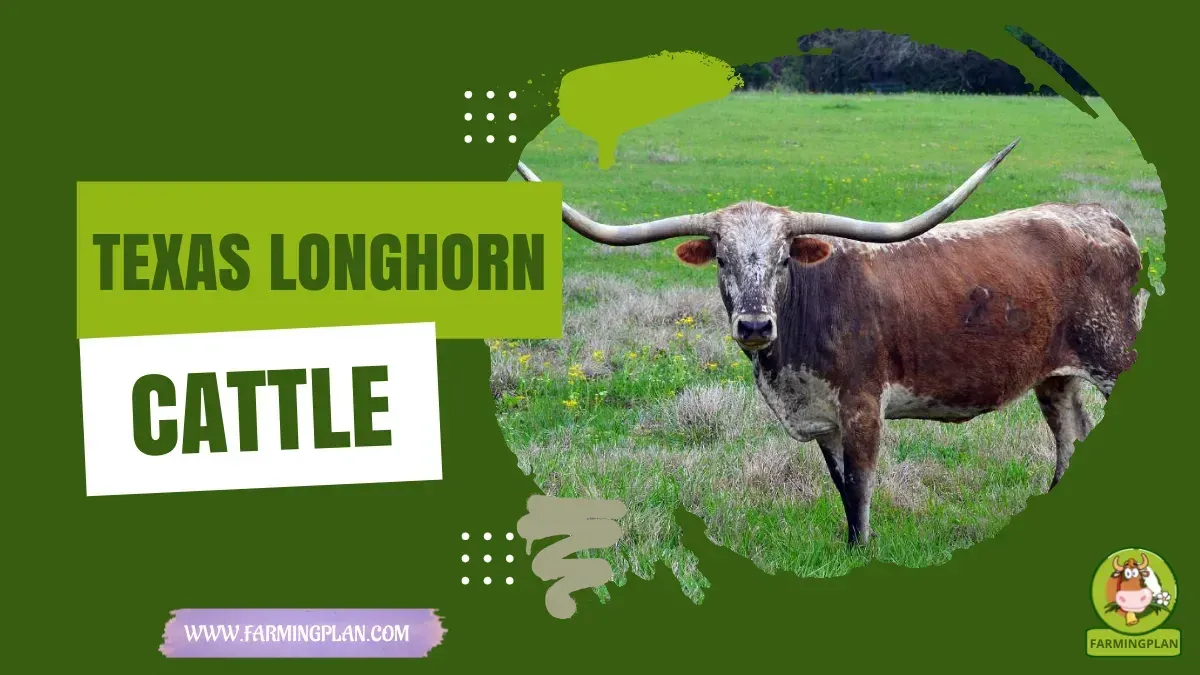
The Texas Longhorn possesses an athletic, medium-framed conformation with strong bone, deep chest girth, and a straight topline. Coat colors are diverse, exhibiting every possible combination of spots, roaning, speckled line-backs, and solid earth tones. Structured culling and biosecurity protocols strengthen Texas Longhorn Cattle genetic quality.
Trophy Horn Measurement Standards
The breed’s defining physical attribute is its dramatic horn development. In elite seedstock, horns begin growing within the first month of life and continue expanding for over a decade. Official registries evaluate horns via Tip-to-Tip (TTT) spread, Total Horn Length (THL), and horn base circumference. Modern championship steers and cows frequently exceed 90 to 100 inches tip-to-tip. Maintaining clean feeders and sanitized equipment supports sustainable Texas Longhorn Cattle care.
Hooves are exceptionally hard and dense, enabling Longhorns to travel miles over rocky caliche rangelands without bruising or foot rot. Cows feature sound, tight udders with small teats that resist freezing and facilitate immediate nursing by newborn calves. Consistent daily observation helps keepers spot early changes in Texas Longhorn Cattle health and behavior.
⚡ Texas Longhorn Cattle Performance & Production Matrix
| Production Trait | Texas Longhorn Benchmark | Commercial Ranch Advantage |
|---|---|---|
| Mature Cow Weight | 900 to 1,200 lbs (410 to 545 kg) | Low maintenance energy requirement; high stocking density per section |
| Newborn Calf Birth Weight | 45 to 60 lbs (20 to 27 kg) | Virtually 0% dystocia; eliminates nighttime calving assistance checks |
| Productive Cow Lifespan | 18 to 22+ years of annual calving | Cuts annual herd replacement costs in half compared to commercial beef cows |
| Horn Spread (Mature Stock) | 65 to 90+ inches Tip-to-Tip | Substantial secondary revenue from trophy horn mounts and breeding seedstock |
| Lean Muscle Carcass Profile | Ultra-lean beef; 92% to 95% lean | Commands health-conscious retail premiums for grass-fed artisan beef |
Breed History, Heritage & North American Development
The Texas Longhorn’s origins trace to 1493, when Christopher Columbus transported Iberian cattle (Retinto and Berrenda breeds) to the Caribbean on his second voyage. Spanish conquistadors brought these cattle to mainland Mexico, where escaped and feral animals migrated northward into the brush country of Texas.
Over nearly four centuries of wild feral living, natural selection weeded out weak individuals. Only cattle with extreme heat tolerance, hard hooves, disease resistance, and sharp horns capable of fighting off mountain lions and wolf packs survived. Following the American Civil War, millions of feral Longhorns were rounded up and driven along epic trails like the Chisholm Trail to railheads in Kansas, rebuilding the shattered Texas economy. Clean housing, fresh water, and balanced nutrition remain essential for Texas Longhorn Cattle productivity.
By the 1920s, crossbreeding with imported British breeds (Hereford, Angus, Shorthorn) drove pure Longhorns to near extinction. In 1927, the United States Congress appropriated funds to preserve purebred foundation genetics, establishing the federal herd at the Wichita Mountains Wildlife Refuge in Oklahoma. Today, the Texas Longhorn Breeders Association of America (TLBAA) safeguards tens of thousands of registered cattle. Tracking feed intake and body condition supports long-term Texas Longhorn Cattle performance.
The breed’s survival represents a genetic triumph. Modern cattle genetics increasingly look to the Longhorn’s ancestral Criollo genome to breed heat tolerance and parasite resistance into commercial herds coping with changing rangeland climates. Following biosecurity best practices reduces disease risk in any Texas Longhorn Cattle operation.
Housing, Shelter Dimensions & Winter Hardiness
Texas Longhorns are range animals adapted to open rangeland pastures. While they thrive in southern desert heat exceeding 105°F (40°C), they also adapt to freezing northern winters by growing dense, shaggy winter coats that shed snow and sleet. Seasonal adjustments to shelter and diet keep Texas Longhorn Cattle thriving year-round.
Chute Modifications & Pasture Fencing
Standard cattle working equipment must be modified to accommodate expansive horn spans. Standard squeeze chutes with narrow headgates will break horns or trap animals. Longhorn ranches utilize wide-open alleyways, swing-gate sweeps, and specialized Longhorn squeeze chutes with telescoping side panels that allow cattle to tilt their heads naturally. If you are balancing utility output and herd resilience, take a look at our Fjall Cattle reference guide. Proper record-keeping makes breeding and culling decisions easier for Texas Longhorn Cattle keepers.
Pasture fencing should consist of 5-strand barbed wire or 48-inch high-tensile electric fencing. Despite their fearsome horns, Longhorns are docile, sensible animals that rarely challenge perimeter fences when forage and water are adequate. They learn to navigate gates skillfully, tilting their heads horizontally to slide wide horns through narrow openings without contact. Providing adequate space and ventilation prevents common stress issues in Texas Longhorn Cattle.
Provide natural windbreaks such as tree lines, creek draws, or simple three-sided pole barns. Ensure clean access to stock ponds or solar-powered watering troughs, keeping watering points clear of narrow alleyways where horn clashing can occur.
Nutritional Requirements, Daily Rations & Feeding Protocols
Texas Longhorns are renowned non-selective grazers with highly efficient rumen metabolisms. Where European beef breeds graze only tender grasses and ignore coarse weeds, Longhorns consume coarse scrub, cedar shoots, mesquite pods, and rough broadleaf weeds. Understanding breed-specific traits helps maximize Texas Longhorn Cattle longevity and output.
Rangeland Forage & Mineral Supplementation
Adult beef cows maintain strong body condition on native pasture and average grass hay providing 8% to 10% crude protein. Overfeeding high-energy grain concentrates is counterproductive, causing excessive internal fat deposition that compromises fertility and natural hardiness. Supplement herds using parameters in our beef cattle feed and pasture management guide. Routine preventive care saves time and lowers veterinary costs for Texas Longhorn Cattle.
Provide year-round access to free-choice loose cattle mineral salt formulated with bioavailable phosphorus, copper, zinc, and selenium. Adequate mineral nutrition supports horn keratin synthesis, immune function, and rapid post-calving uterine involution. Matching forage or ration quality to life stage optimizes Texas Longhorn Cattle growth.
Ensure reliable water supplies. A mature lactating cow consumes 12 to 18 gallons of fresh water daily in summer. Ensure troughs have wide, unobstructed access to prevent dominant cows from trapping herd mates. Gradual dietary transitions protect digestive stability in Texas Longhorn Cattle.
Health Management, Common Diseases & Biosecurity Standards
Natural selection endowed the Texas Longhorn with formidable resistance to common bovine diseases, including pinkeye (infectious bovine keratoconjunctivitis), bloat, and fly strike. Their pigmented eye circles shield corneas from solar UV radiation and dust irritation. Selecting healthy foundation stock is the cornerstone of successful Texas Longhorn Cattle management.
Vaccination Schedules & Biosecurity Standards
Administer core clostridial 7-way or 8-way bacterin-toxoids annually to protect against blackleg and enterotoxemia. Vaccinate breeding females against respiratory complexes (IBR, BVD, BRSV, PI3) and Leptospirosis 5-way. Administer vaccines following protocols in our livestock vaccination and deworming guide. Good predator-proofing and dry bedding safeguard Texas Longhorn Cattle comfort in harsh weather.
Conduct strategic seasonal deworming for pasture calves, rotating anthelmintic classes to prevent chemical resistance. Compare biosecurity protocols with resilient tropical zebu cattle such as the Angoni cattle breed, and consult the USDA APHIS Veterinary Biosecurity Center for national interstate transport rules.
Breeding Management, Incubation & Offspring Care
The reproductive efficiency of the Texas Longhorn cow is unmatched in the cattle industry. Cows reach sexual maturity early (10 to 12 months) and regularly conceive, calve, and wean robust calves every single year into their late teens and early twenties. Monitoring water quality and mineral balance directly benefits Texas Longhorn Cattle vitality.
Unassisted Calving Ease & Maternal Protection
Gestation averages 285 to 290 days. Calving ease is the breed’s trademark trait: calves are born with sleek, streamlined bodies weighing just 45 to 60 pounds, passing through the cow’s spacious pelvic canal without human intervention. Calving difficulties (dystocia) are practically nonexistent. Practical hands-on husbandry ensures consistent results when raising Texas Longhorn Cattle.
Newborn calves are up and nursing within twenty minutes, possessing strong survival instincts. Longhorn cows are fiercely protective mothers, banding together to form nursery groups where designated “babysitter” cows guard calves while others graze. Commercial cattlemen frequently use Longhorn bulls over first-calf heifers of other breeds to eliminate calving losses. Early intervention at the first sign of lethargy protects overall Texas Longhorn Cattle flock or herd health.
Tag calves with official ranch identification buttons early. Castrate commercial beef steers at 2 to 4 months of age using elastrator bands or surgical emasculators. Wean calves at 6 to 8 months of age onto clean pasture forage. Structured culling and biosecurity protocols strengthen Texas Longhorn Cattle genetic quality.
US Ownership Budget & Annual Maintenance Costs
The operational cost structure of running Texas Longhorns is substantially lower than commercial Angus or Hereford herds. Because cows require zero calving assistance, consume coarse brush forage, and remain productive past 20 years of age, annual depreciation costs are minimal. Maintaining clean feeders and sanitized equipment supports sustainable Texas Longhorn Cattle care.
⚡ Estimated Annual Budget & Maintenance Costs (USD)
| Expense Category | Estimated Annual Cost Range (USD) | Operational Cost Efficiency Strategy |
|---|---|---|
| Registered Seedstock Breeding Cows | $1,200.00 – $3,500.00 per registered head | Invest in proven bloodlines with documented 80+ inch horn genetics |
| Winter Native Grass Hay & Forage | $140.00 – $220.00 per cow annually | Rotational rangeland management minimizes stored winter round bale feeding |
| Loose Cattle Mineral Salt & Vitamins | $28.00 – $45.00 per head annually | Provide free-choice high-phosphorus, high-copper loose minerals |
| Modified Chute & Handling Modifications | $400.00 – $950.00 infrastructure | Build wide-sweep curved working corrals to accommodate horn spans |
| Core Biologics & Veterinary Supplies | $22.00 – $42.00 per head annually | Administer 7-way clostridial and respiratory vaccines on-ranch |
🐄 Texas Longhorn Cattle Daily Forage & Bale Calculator
Calculate daily dry matter forage, winter round bale consumption, pasture allocation, and water requirements for Texas Longhorn Cattle cattle.
Frequently Asked Questions (FAQ)
Why do ranchers use Texas Longhorn bulls on first-calf heifers?
Ranchers use Texas Longhorn bulls as ‘heifer bulls’ because Longhorn calves have streamlined bodies and low birth weights (45 to 60 lbs). This virtually eliminates calving difficulty (dystocia) in young heifers of larger breeds, saving calf lives and eliminating veterinary pulling fees.
How long do Texas Longhorn horns grow?
Texas Longhorn horns grow continuously throughout the animal’s life. In elite registered seedstock, mature cows and steers regularly achieve tip-to-tip horn spans exceeding 70 to 90 inches, with record-holding animals surpassing 100+ inches tip-to-tip.
Is Texas Longhorn beef healthy to eat?
Yes, Texas Longhorn beef is exceptionally lean and heart-healthy. University studies show it is lower in saturated fat, calories, and cholesterol than commercial grain-fed beef, and even leaner than skinless chicken breast, making it popular in artisanal grass-fed markets.
How long do Texas Longhorn cows stay productive?
Texas Longhorn cows possess extraordinary productive longevity, frequently living and producing healthy weaning calves until 18 to 22+ years of age. This is double the lifespan of commercial British beef breeds, drastically reducing annual herd replacement costs.
Are Texas Longhorn cattle dangerous to handle?
No, Texas Longhorns are docile, intelligent, and calm cattle that are easily handled on horseback, ATV, or foot. Despite their wide horns, they possess high spatial awareness and tilt their heads deliberately to pass through gates without damaging equipment or injuring handlers.
Expert Verdict & Next Steps
The Texas Longhorn is an extraordinary, multifaceted beef breed that combines legendary American heritage with practical commercial utility. From unassisted calving and extreme drought hardiness to lean artisanal beef and valuable trophy horn genetics, Longhorns offer sustainable ranching advantages for modern beef producers. Consistent daily observation helps keepers spot early changes in Texas Longhorn Cattle health and behavior.
Before introducing stock, modify working corrals and gates to accommodate wide horns and secure reliable rangeland minerals. Connect with reputable breeders registered with the Texas Longhorn Breeders Association of America to acquire genetically proven foundation stock. With minimal pampering, your Longhorn herd will flourish for decades.
📚Agricultural Reference & Scientific Citations
Standards and physiological data referenced in this guide comply with USDA Animal and Plant Health Inspection Service (APHIS), American Veterinary Medical Association (AVMA), and the FAO Domestic Animal Diversity Information System.


