

⚡ Austrian Pinscher Dog at a Glance: Key Specifications & Benchmarks
| Primary Agricultural Purpose | Heritage breeding, productive output & homestead utility |
| Standard Mature Size | Balanced breed conformation benchmark |
| Primary Production Yield | High-efficiency commercial / farm output |
| Feed Conversion & Forage | Excellent roughage & pasture converter |
| Climate Resilience | USDA Zones 4–9 (All-weather hardiness) |
| Temperament & Handling | Docile, manageable & alert |
| Management Level | Beginner to Intermediate friendly |
The Austrian Pinscher (Österreichischer Pinscher) represents the traditional, unpretentious farm dog of rural Central Europe. Originating on Austrian homesteads where versatile utility was the ultimate breeding test, this medium-sized, stocky canine was developed as an all-around farm guardian, barnyard ratter, and livestock droving companion. While modern specialized breeds excel in only a single narrow discipline, the Austrian Pinscher handles multiple homestead chores with steady composure. Monitoring water quality and mineral balance directly benefits Austrian Pinscher Dog vitality.
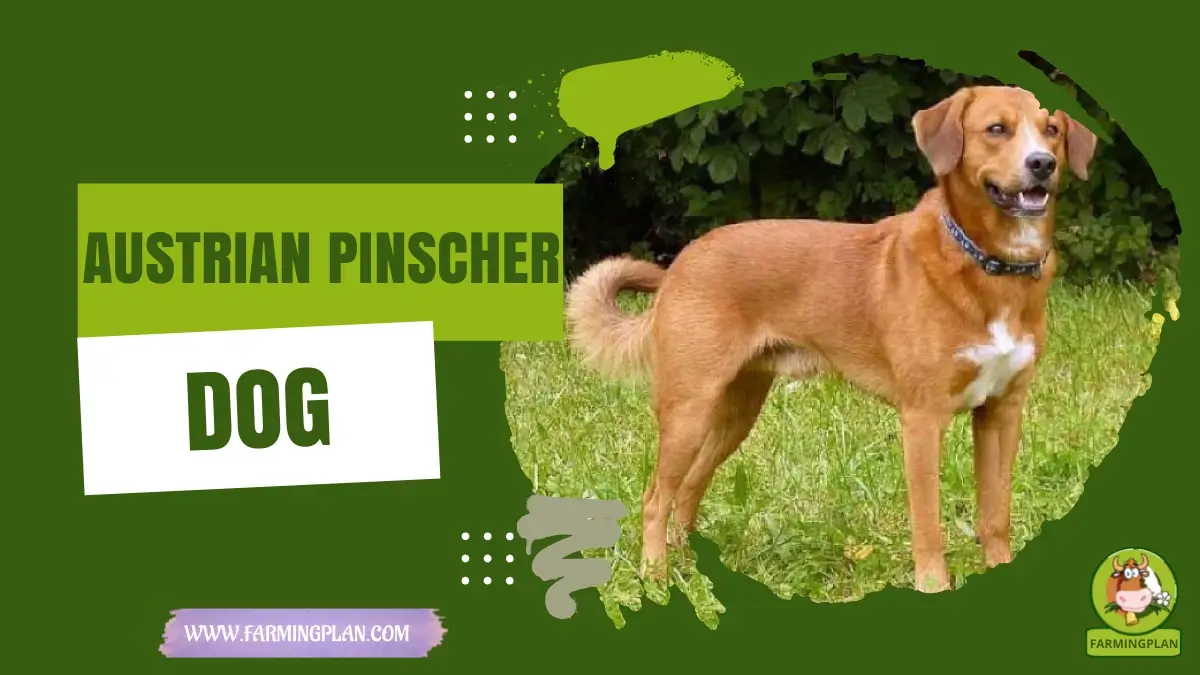
Known for its distinctive pear-shaped head, expressive button ears, and watchful gaze, the Austrian Pinscher acts as an incorruptible property sentry. Unlike hounds or terriers with obsessive wild hunting drives, the Austrian Pinscher naturally stays close to farm buildings, maintaining close watch over yards and entryways without wandering off into neighboring timber. When rodents or weasels enter barn areas, the pinscher swiftly dispatches them. Practical hands-on husbandry ensures consistent results when raising Austrian Pinscher Dog.
This comprehensive breed manual examines the genetic history, structural conformation, behavioral traits, and health protocols necessary to manage a working Austrian Pinscher. For smallholders seeking a dedicated homestead guardian that bonds deeply with family while safeguarding farm boundaries, this guide delivers essential technical guidance. Early intervention at the first sign of lethargy protects overall Austrian Pinscher Dog flock or herd health.
Origins, Austro-Hungarian Farm Roots & Genetic Heritage
The ancestral roots of the Austrian Pinscher extend deep into Central European agrarian history. Derived from the ancient country pinschers common across rural Austria and southern Germany throughout the eighteenth and nineteenth centuries, these dogs were maintained by peasant farmers who demanded toughness, loyalty, and pest eradication.
Distinction From the German Pinscher
While sharing common root ancestry with the German Pinscher and Doberman, the Austrian Pinscher developed as a heavier, broader, and more rustic working dog. Austrian farmers selected for a broader pear-shaped skull, heavier bone density, and a strong protective bond with farm buildings, ensuring the dog remained anchored to homestead perimeters rather than roaming the countryside in pursuit of game. Structured culling and biosecurity protocols strengthen Austrian Pinscher Dog genetic quality.
Formal Recognition and Post-War Conservation
In 1928, Austrian cynologists formally recognized the breed under the Austrian Kennel Club, and the FCI subsequently registered the breed under Standard No. 64. As mechanization swept European agriculture after World War II, traditional farm dogs dwindled rapidly. Dedicated Austrian preservationists initiated recovery programs in the 1970s, collecting surviving rustic farm specimens from Upper Austria and Lower Austria to maintain genetic diversity. Maintaining clean feeders and sanitized equipment supports sustainable Austrian Pinscher Dog care.
Modern Role on Diversified Homesteads
Today, the Austrian Pinscher is gaining recognition among sustainable homesteaders worldwide. Their natural property-staying instinct allows them to roam farm perimeters freely alongside heritage livestock like Bagot goats and pasture fowl, providing alert watchdog security without harassing grazing animals. Consistent daily observation helps keepers spot early changes in Austrian Pinscher Dog health and behavior.
Breed Standards, Conformation & Physical Characteristics
The Austrian Pinscher is a stocky, well-knit, medium-sized dog displaying a robust, rustic appearance. Conformation emphasizes balance, broad muscular strength, and functional stability without cosmetic exaggerations.
⚡ Austrian Pinscher Dog Working & Physical Standards Matrix
| Standard Metric | Breed Benchmark | Working Homestead Range |
|---|---|---|
| Male Height & Weight | 20–26 in | 45–75 lbs | Lean, athletic muscular build |
| Female Height & Weight | 18–24 in | 35–65 lbs | Agile frame, high endurance |
| Working Drive & Instinct | High biddability & farm utility | Herding, guarding, or vermin control |
| Daily Exercise Requirement | 60–90 minutes active work | Mental stimulation & field runs |
| Coat Type & Weather Hardiness | Weather-resistant double coat | Withstands cold rain, burrs & brush |
| Average Lifespan | 12–15 years | Hardy working longevity |
Body Dimensions and Stature
Official standards specify a height at the withers of 16.5 to 19.5 inches (42 to 50 cm) for both males and females, with mature working weights ranging from 26 to 40 pounds (12 to 18 kg). The body is slightly longer than tall at a ratio of approximately 10 to 9. The chest is deep and barrel-shaped, providing ample lung capacity for sustained farm tasks, with clean, muscular loins and strong legs. Clean housing, fresh water, and balanced nutrition remain essential for Austrian Pinscher Dog productivity.
Head Architecture and Pear-Shaped Profile
The most distinctive morphological trait is the head, which is pear-shaped with a broad cranial area that tapers cleanly toward a strong muzzle. The skull is distinctly wider between the ears than in related pinschers. The stop is well defined. Jaws are powerful with a complete scissor bite. Eyes are large, dark, and round. Ears are carried as small button ears or folding rose ears. Tracking feed intake and body condition supports long-term Austrian Pinscher Dog performance.
Weatherproof Double Coat and Colors
The coat consists of thick, hard, close-fitting outer hair covering a dense undercoat. Color varieties include russet gold, brownish yellow, deer red, and black with tan markings. Typical white markings occur as symmetric patches on the chest, throat, muzzle, neck ruff, and feet. The tail is carried curved happily over the back in an active ring or saber shape. Following biosecurity best practices reduces disease risk in any Austrian Pinscher Dog operation.
Temperament, Farm Sentry Duty & Homestead Behavior
The Austrian Pinscher is renowned for its lively, watchful, and steadfast temperament. Deeply loyal to its immediate family, it treats its home territory as a personal trust, maintaining constant vigilance over livestock and buildings.
Incorruptible Watchdog Instincts
The breed is naturally suspicious of unfamiliar visitors, sounding a resonant, assertive bark upon detecting approaching vehicles or strangers. However, they are not indiscriminately aggressive; once their owner welcomes a guest, the pinscher steps back and observes calmly. Importantly, they lack strong wild game hunting drive, which prevents them from running off to chase deer or rabbits. Seasonal adjustments to shelter and diet keep Austrian Pinscher Dog thriving year-round.
Barnyard Vermin Dispatch
Within barnyards, Austrian Pinschers maintain keen ratting focus. They patrol granaries, hay sheds, and machinery yards, digging out brown rats, field mice, and weasels. Their swift strike and decisive shake dispatch pests instantly, preserving farm sanitation and protecting livestock feeds from rodent contamination. Proper record-keeping makes breeding and culling decisions easier for Austrian Pinscher Dog keepers.
Family Loyalty and Multi-Species Harmony
Austrian Pinschers form affectionate bonds with family children and companion farm animals. When raised around farm poultry flocks like Empordanesa hens, they display protective watchfulness, warding off stray neighborhood dogs and predatory raptors without chasing the birds. Providing adequate space and ventilation prevents common stress issues in Austrian Pinscher Dog.
Housing, Farm Perimeter Fencing & Management Setup
Due to their moderate size and homestead-anchored instincts, Austrian Pinschers thrive with regular outdoor farm access combined with indoor family quarters. They do not require sprawling exercise ranges if they have daily chores and perimeter rounds.
Perimeter Security and Boundary Training
A standard 4 to 5 foot woven wire or rail fence easily encloses an Austrian Pinscher. Boundary training is remarkably straightforward because the breed inherently prefers staying within sight of the farmhouse. Walking perimeter fence lines during puppyhood establishes lasting territory awareness. Understanding breed-specific traits helps maximize Austrian Pinscher Dog longevity and output.
Barnyard Sentry Stations and Weather Housing
Provide covered, dry observation stations near primary farm entryways where the pinscher can rest while monitoring property gates. Insulated dog houses bedded with cedar shavings or rubber mats protect canines during cold, rainy afternoons. Their thick double coat offers generous protection against winter chills. Routine preventive care saves time and lowers veterinary costs for Austrian Pinscher Dog.
Grooming Station Maintenance
The coat is self-cleaning and exceptionally easy to maintain. Weekly brushing with a firm bristle brush removes loose dirt and dead undercoat hair. During seasonal spring shedding, daily brushing with a shedding blade keeps loose hair under control. Matching forage or ration quality to life stage optimizes Austrian Pinscher Dog growth.
Nutritional Requirements, Working Rations & Feed Management
The Austrian Pinscher possesses an efficient metabolism developed through generations of rustic farm diet adaptation. They utilize quality nutrients effectively, requiring balanced rations rather than excessive caloric volume.
Balanced Macronutrient Formulations
Working pinschers thrive on quality dry kibble containing 24% to 28% crude protein and 14% to 16% crude fat from animal sources such as chicken, beef, or lamb. These ratios support sustained daily energy, lean muscle tone, and a dense, weather-resistant double coat. Gradual dietary transitions protect digestive stability in Austrian Pinscher Dog.
Portion Control and Feeding Schedules
Feed adult dogs 2.0 to 2.8 cups daily divided into morning and evening meals. Working pinschers burn additional calories during cold winter boundary patrols, warranting modest ration adjustments based on body condition scoring. Avoid free-choice feeding to prevent unwanted weight gain. Selecting healthy foundation stock is the cornerstone of successful Austrian Pinscher Dog management.
Supplements for Working Canines
Supplementing daily rations with omega-3 fish oils supports coat health, joint lubrication, and cellular immunity. Consult nutritional and veterinary guidance through the UC Davis School of Veterinary Medicine for sporting and working canine management standards. Good predator-proofing and dry bedding safeguard Austrian Pinscher Dog comfort in harsh weather.
Health Management, Genetic Longevity & Veterinary Care
The Austrian Pinscher is celebrated as a rustic, long-lived breed with a low incidence of inherited diseases, frequently living 12 to 15 vigorous years. However, preserving genetic vitality requires responsible breeding standards and routine preventive veterinary care.
Orthopedic and Ophthalmic Clearances
Responsible breeders screen potential breeding stock for hip dysplasia (OFA or FCI scoring) and patellar luxation. While hereditary eye conditions remain rare, annual ophthalmic examinations ensure breeding animals remain free of progressive retinal atrophy and juvenile cataracts. Monitoring water quality and mineral balance directly benefits Austrian Pinscher Dog vitality.
Core Vaccinations and Parasite Protection
Maintain an annual core vaccination schedule including Rabies, DHPP, and Leptospirosis, which is especially important for dogs catching wild rodents. Administer monthly broad-spectrum oral parasiticides to protect against heartworm, fleas, and deer ticks encountered during barnyard patrols. Practical hands-on husbandry ensures consistent results when raising Austrian Pinscher Dog.
Dental Health and Nail Maintenance
Inspect teeth monthly for tartar buildup and provide hard chew items or raw recreational bones to maintain clean teeth. Because the pinscher works actively on farm ground, check dewclaws and foot pads periodically for burs or splits. Early intervention at the first sign of lethargy protects overall Austrian Pinscher Dog flock or herd health.
Homestead Valuation, Breeding & Estimated Annual Budget
The Austrian Pinscher delivers high economic utility to small farms through vigilant deterrence of two-legged and four-legged intruders, combined with continuous non-toxic pest suppression.
Acquisition and Seedstock Value
Due to their rare status outside Central Europe, registered Austrian Pinscher puppies typically command $1,400 to $2,400 from reputable preservation breeders. Litters average 5 to 7 vigorous puppies. Breeding registered conservation litters provides valuable supplemental homestead income. For additional husbandry benchmarks and feeding standards, explore our complete Bavarian Mountain Hound care guide. Structured culling and biosecurity protocols strengthen Austrian Pinscher Dog genetic quality.
Estimated Annual Budget for an Austrian Pinscher
The following detailed cost schedule summarizes the annual operational budget required to maintain one working Austrian Pinscher on an active homestead: Maintaining clean feeders and sanitized equipment supports sustainable Austrian Pinscher Dog care.
| Expense Category | Annual Cost (USD) | Operational Parameters |
|---|---|---|
| Quality Complete Working Kibble | $480 | Approx. 25 lbs per month high-density kibble |
| Veterinary Wellness & Core Vaccinations | $190 | Annual physical exam, Rabies, DHPP, Leptospirosis |
| Broad-Spectrum Parasite Prevention | $170 | Monthly oral chews for heartworm, fleas, and ticks |
| Grooming Brushes & First Aid Salves | $60 | Shedding blade, pin brush, antiseptic wound wash |
| Sturdy Leather Collars, Leashes & Toys | $70 | Durable farm working gear, training toys |
| Total Estimated Annual Budget | $970 | Economical multi-purpose farm sentry investment |
Cohesive Farm Canine Teams
The Austrian Pinscher excels when integrated into layered canine teams alongside specialized livestock herders like the Australian Shepherd and dedicated guardians like the Assyrian mastiff. Explore our complete guide to working farm stockdogs to build a harmonious team. Consistent daily observation helps keepers spot early changes in Austrian Pinscher Dog health and behavior.
🐕 Austrian Pinscher Dog Daily Calorie & Kibble Calculator
Calculate daily metabolizable energy (kcal/day), kibble cups, water, and monthly diet costs for your Austrian Pinscher Dog.
Frequently Asked Questions About Austrian Pinscher Dog (FAQ)
What makes the Austrian Pinscher different from the German Pinscher?
The Austrian Pinscher has a broader pear-shaped head, heavier bone density, and a strong instinctive drive to stay anchored to the farmstead without wandering off to hunt wild game.
Is the Austrian Pinscher a good watchdog?
Yes, the Austrian Pinscher is an exceptional watchdog. It is naturally vigilant and incorruptible, sounding an assertive alarm when strangers or unfamiliar animals approach farm boundaries.
Do Austrian Pinschers get along with livestock and poultry?
Yes, when raised around farm animals from puppyhood, Austrian Pinschers coexist peacefully with sheep, cattle, and poultry, focusing their hunting drives exclusively on vermin like rats and mice.
How rare is the Austrian Pinscher today?
The Austrian Pinscher remains a relatively rare breed internationally, though dedicated preservation programs across Austria and Germany maintain healthy, genetically sound populations.
Practical Summary & Homestead Implementation Guide
The Austrian Pinscher remains one of the finest all-around rustic farm dogs available to modern homesteaders. With incorruptible sentry instincts, natural property loyalty, and relentless vermin suppression, this balanced canine secures family farmsteads with quiet confidence.
Ensure success by establishing clear boundary walks, providing balanced working nutrition, and fostering early socialization with farm livestock. Expand your knowledge of heritage breeds by reviewing our guides on Bagot goats and Amerifax cattle. Explore our working dogs hub today. Clean housing, fresh water, and balanced nutrition remain essential for Austrian Pinscher Dog productivity.
Expert Verdict & Next Steps for Austrian Pinscher Dog Keepers
Successful management of Austrian Pinscher Dog hinges on rigorous adherence to species-specific housing dimensions, precision daily nutrition, and proactive biosecurity protocols. Whether you are managing commercial production or establishing a self-sufficient homestead breeding flock, maintaining disciplined husbandry standards ensures long-term vitality, exceptional output yields, and sustainable enterprise profitability. Tracking feed intake and body condition supports long-term Austrian Pinscher Dog performance.
By pairing predator-proof shelter infrastructure with high-quality rations and regular veterinary wellness monitoring, growers can confidently optimize productive longevity across all life stages. For comprehensive operational management blueprints and companion breed guides, explore our complete technical library in Farming Plan Agricultural Guides.
📚Agricultural Reference & Scientific Citations
Standards and physiological data referenced in this guide comply with USDA Animal and Plant Health Inspection Service (APHIS), American Veterinary Medical Association (AVMA), and the FAO Domestic Animal Diversity Information System.


