

⚡ Empordanesa Chicken at a Glance: Key Specifications & Benchmarks
| Primary Agricultural Purpose | Heritage breeding, productive output & homestead utility |
| Standard Mature Size | Balanced breed conformation benchmark |
| Primary Production Yield | High-efficiency commercial / farm output |
| Feed Conversion & Forage | Excellent roughage & pasture converter |
| Climate Resilience | USDA Zones 4–9 (All-weather hardiness) |
| Temperament & Handling | Docile, manageable & alert |
| Management Level | Beginner to Intermediate friendly |
The Empordanesa chicken represents one of the most distinguished and rare heritage poultry breeds native to the Catalonia region of northeastern Spain. Renowned worldwide for producing striking, deep reddish-brown and terracotta eggs, this elegant Mediterranean fowl combines high laying productivity with remarkable self-sufficiency. While commercial hybrid layers often suffer from fragile health and high feed dependency, the Empordanesa excels in free-range pasture environments where natural foraging reduces homestead feed expenditures. Monitoring water quality and mineral balance directly benefits Empordanesa Chicken vitality.
Beyond their spectacular egg pigmentation, Empordanesa chickens possess a graceful, upright profile adorned with an intricate comb featuring characteristic basal lobes. Their keen predator vigilance and lively, athletic temperament make them well-suited for homesteaders seeking resilient birds capable of dodging aerial and ground threats. In the kitchen, surplus roosters produce tender, flavorful table meat celebrated in classical European culinary traditions. Practical hands-on husbandry ensures consistent results when raising Empordanesa Chicken.
This comprehensive husbandry guide covers the biological standards, genetic background, housing parameters, and specialized feeding regimens required to manage a productive flock of Empordanesa chickens. Whether your goal is breeding rare conservation stock or enhancing farm egg basket diversity, this guide provides complete, practical management insights. Early intervention at the first sign of lethargy protects overall Empordanesa Chicken flock or herd health.
Origins, Catalan Avian Lineage & Heritage Recovery
The Empordanesa fowl traces its historical roots to the historic Empordà agricultural plain situated between the Pyrenees mountains and the Mediterranean Sea in northeastern Catalonia. For centuries, regional farmers selected hardy farmyard chickens that could thrive on grain stubble and insect populations while producing rich, dark-shelled eggs prized in Barcelona marketplaces.
Historical Decline and Twentieth-Century Rescue
By the mid-twentieth century, the rapid expansion of industrial hybrid battery layers pushed traditional Catalan landrace chickens toward near-total extinction. In 1982, veterinary researchers and avian geneticists at the Institute of Agrifood Research and Technology (IRTA) in Catalonia initiated an intensive conservation program. Researchers gathered the remaining isolated farm flocks across Alt and Baix Empordà, systematically purifying the distinct genetic lines. Structured culling and biosecurity protocols strengthen Empordanesa Chicken genetic quality.
Distinction From the Penedesenca Breed
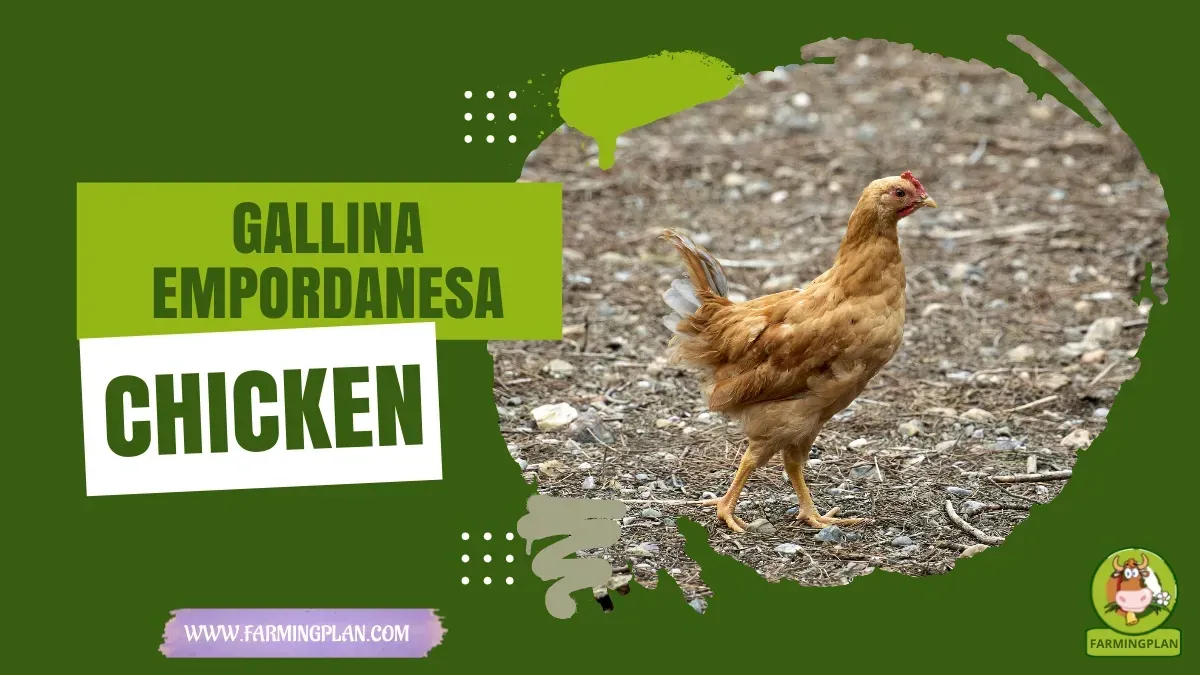
Poultry keepers often confuse the Empordanesa with its close Catalan cousin, the Penedesenca. While both share Mediterranean ancestry and lay dark chocolate-toned eggs, they exhibit distinct morphological traits. The Empordanesa features red earlobes, yellow shanks, and a single comb with subtle rear lobes, whereas the Penedesenca displays white earlobes, dark slate legs, and a prominent complex carnation comb. Maintaining clean feeders and sanitized equipment supports sustainable Empordanesa Chicken care.
International Homestead Conservation
Exported to North America and northern Europe during the late 1990s, the Empordanesa quickly attracted dedicated preservationist breeders. Small-scale farmers value the breed for small-flock biodiversity, partnering them alongside other functional heritage livestock like Barbados Blackbelly sheep and rotational pasture hogs on diverse permaculture farms.
Breed Standards, Physical Traits & Conformation
The Empordanesa exhibits a proud, alert Mediterranean carriage characterized by a medium-weight, cylindrical body held slightly upright. Movement is quick and graceful, supported by strong, unfeathered yellow legs that reflect high carotene processing efficiency. Consistent daily observation helps keepers spot early changes in Empordanesa Chicken health and behavior.
⚡ Empordanesa Chicken Waterfowl Performance Matrix
| Production Metric | Standard Benchmark | Flock Homestead Performance |
|---|---|---|
| Mature Drake Weight | 5.5–9.5 lbs | Robust keel and broad breast meat |
| Mature Duck (Hen) Weight | 4.5–8.0 lbs | High volume body capacity |
| Annual Egg Production | 180–280 eggs/year | Rich, nutrient-dense white/tinted eggs |
| Egg Weight & Shell Density | 75–88 grams | Heavy yolk percentage (32–35%) |
| Foraging Efficiency | Active pasture grazer | Consumes slugs, snails & greens |
| Cold Hardiness Threshold | Down to -10°F (-23°C) | Dense down plumage & weatherproofing |
Body Proportions and Plumage Color Varieties
Standard mature weights range from 5.5 to 6.6 pounds (2.5 to 3.0 kg) for cocks and 4.4 to 5.3 pounds (2.0 to 2.4 kg) for hens. The primary standardized plumage variety is the Red (Roig), exhibiting rich mahogany, golden-buff, and black accent feathers. Other recognized varieties include White (Blanc) and Partridge (Aperdiat), all possessing smooth, tight-fitting feathering that resists mud accumulation. Clean housing, fresh water, and balanced nutrition remain essential for Empordanesa Chicken productivity.
Head Structure, Lobed Comb and Earlobes
The head is moderately large and carried proudly. The comb is a single, upright blade with five to six well-defined points, terminating at the rear with distinctive lateral appendages or lobes known as creste. Facial skin and wattles are smooth, fine-textured, and vivid coral red. Importantly for breed purity, the earlobes must remain entirely red without white enamel spotting. Tracking feed intake and body condition supports long-term Empordanesa Chicken performance.
Egg Pigmentation and Shell Mechanics
The hallmark of the Empordanesa is its intense eggshell pigmentation, ranging from deep reddish-chestnut to rich terracotta (scoring 6 to 8 on the specialized European egg color fan). The intense coloration is imparted by oviductal porphyrin secretions deposited onto the cuticle during the final hours before oviposition, resulting in thick, glossy shells that resist moisture loss and microbial penetration.
Flock Temperament, Foraging Instincts & Social Dynamics
Empordanesa chickens retain wild landrace instincts that make them superb range foragers. They are alert, inquisitive, and brisk in movement. While they rarely become cuddly lap chickens, they become comfortably familiar with regular flock keepers who handle feeding chores calmly. Following biosecurity best practices reduces disease risk in any Empordanesa Chicken operation.
Pasture Foraging Vigor and Diet Economics
When given access to orchards, rotational pasture, or garden perimeters, Empordanesa hens tirelessly hunt grasshoppers, ticks, beetles, and weed seeds. Their energetic foraging can reduce commercial grain consumption by 20% to 30% during spring and summer months, while concentrating carotenoids and omega-3 fatty acids in their rich egg yolks. Seasonal adjustments to shelter and diet keep Empordanesa Chicken thriving year-round.
Predator Vigilance and Rooster Leadership
Roosters are vigilant sentinels, maintaining constant watch for hawks, foxes, and neighborhood predators. Upon spotting aerial raptors, roosters sound a sharp alarm call, sending hens sprinting toward brush cover. Roosters display confident flock leadership, guiding hens to rich foraging patches and maintaining peaceful flock harmony with minimal feather pecking.
Flight Agility and Roosting Tendencies
Light body weights and generous wing spans make the Empordanesa remarkably flight-capable compared to heavy American dual-purpose breeds. They easily hop over four-foot garden fences and possess an instinctive drive to roost high off the ground on overhead tree branches. Providing elevated, comfortable interior coop perches prevents unwanted outdoor tree sleeping habits. Proper record-keeping makes breeding and culling decisions easier for Empordanesa Chicken keepers.
Coop Design, Predator Defense & Winter Ventilation
Proper coop housing protects high-value heritage birds from nocturnal predators while supporting respiratory health. In Mediterranean climates, open-air setups flourish, but in colder northern homesteads, careful moisture management is necessary to safeguard the rooster’s large single comb from winter frostbite. Providing adequate space and ventilation prevents common stress issues in Empordanesa Chicken.
Interior Coop Layout and High Perch Spacing
Allocate a minimum of 3.5 to 4 square feet of indoor coop floor space per adult bird, paired with at least 10 square feet per bird in secure outdoor runs. Install rounded 2×4 wooden roosting bars (wide side facing up) positioned at least 30 to 48 inches above floor litter, allowing 12 inches of linear roost space per hen. Place nesting boxes (12×12 inches) in the darkest section of the coop to encourage egg laying. Understanding breed-specific traits helps maximize Empordanesa Chicken longevity and output.
Predator-Proof Perimeter Run Construction
To thwart raccoons, weasels, and coyotes, enclose outdoor poultry runs with half-inch 16-gauge galvanized hardware cloth rather than flimsy chicken wire. Bury the hardware cloth 12 inches vertically into the perimeter soil, bending an 8-inch horizontal apron outward to halt burrowing diggers. Cover the run with flight netting to exclude predatory hawks and wild songbirds.
Winter Ventilation and Frostbite Mitigation
Moisture accumulation poses a far greater winter threat than cold temperatures. Install baffled ridge vents high along the coop ceiling to exhaust humid, ammonia-rich air without creating direct drafts over roosting perches. In sub-freezing climates, applying pure coconut oil or food-grade petroleum jelly to male comb tips provides effective barrier protection during severe cold snaps. Routine preventive care saves time and lowers veterinary costs for Empordanesa Chicken.
Nutritional Requirements, Layer Rations & Shell Quality
Sustaining high egg production and dense, terracotta shell thickness demands disciplined nutritional balancing. Modern feed formulations must deliver high-protein building blocks alongside bioavailable calcium to maintain continuous pigment synthesis. Matching forage or ration quality to life stage optimizes Empordanesa Chicken growth.
Complete Layer Mash and Crude Protein Needs
Active laying hens require a premium 16% to 18% crude protein complete layer feed formulated with balanced methionine and lysine levels. During the active laying cycle, provide free-choice layer crumbles in automatic dry feeders. Supplementing with whole oats and black oil sunflower seeds during fall molting accelerates feather regeneration and restores vigor.
Calcium, Phosphorus and Shell Pigment Support
Heavy eggshell pigmentation requires substantial metabolic resources. In addition to calcium integrated into commercial layer feeds (3.8% to 4.2%), maintain a dedicated feeder stocked with coarse crushed oyster shells or heat-sanitized eggshells. Hens regulate their own mineral consumption, ingesting coarse calcium particles in the afternoon to fuel overnight shell formation. Gradual dietary transitions protect digestive stability in Empordanesa Chicken.
Insoluble Ingested Grit and Clean Hydration
Because free-ranging fowl ingest fibrous greens, tough weed stems, and tough beetles, insoluble granite poultry grit is mandatory for gizzard digestion. Clean water must be provided constantly. Consult nutritional and biosecurity standards from the USDA APHIS Avian Health Defend the Flock Program to align homestead poultry nutrition with federal wellness standards. Selecting healthy foundation stock is the cornerstone of successful Empordanesa Chicken management.
Flock Health Management, Biosecurity & Disease Prevention
The Empordanesa is naturally robust, displaying exceptional resistance to common environmental stresses when managed in sanitary, well-ventilated housing. However, diligent flock monitoring and biosecurity protocols remain vital to protect rare genetics from widespread poultry ailments. Good predator-proofing and dry bedding safeguard Empordanesa Chicken comfort in harsh weather.
Marek’s Disease Vaccination and Chick Care
Marek’s disease is a ubiquitous avian herpesvirus that causes immunosuppression, paralysis, and tumor formation. Ensure all day-old incubator-hatched chicks receive subcutaneous vaccination at the hatchery or on the farm prior to brooder placement. Maintain brooder temperatures at 95°F (35°C) during week one, lowering temperatures by 5°F weekly until fully feathered.
External Parasites: Mites, Lice and Dust Bathing
Red roost mites (Dermanyssus gallinae) and northern fowl mites irritate birds and deplete red blood cells, causing pale combs and reduced egg yield. Provide flock access to sheltered dust bathing boxes filled with dry play sand, wood ash, and food-grade diatomaceous earth. Routinely inspect the vent and roost crevices at dusk, treating coop timber with natural permethrin sprays as needed. Monitoring water quality and mineral balance directly benefits Empordanesa Chicken vitality.
Internal Parasite Control and Coccidiosis Management
Coccidiosis poses the greatest mortality threat to growing pullets under 16 weeks of age. Feed medicated starter crumble containing amprolium, or manage dry bedding diligently to prevent oocyst sporulation. For adult birds on rotational pasture, administer herbal or veterinary anthelmintics biannually based on veterinary fecal egg count screenings. Practical hands-on husbandry ensures consistent results when raising Empordanesa Chicken.
Breeding Economics, Egg Sales & Estimated Annual Budget
Empordanesa chickens offer dual economic opportunities for small-scale breeders. Their rare genetic status and distinct terracotta eggshells attract premium prices across both retail culinary markets and specialty poultry breeding networks.
Egg Marketing and Hatching Egg Revenue
While standard brown farm eggs sell for $4.00 to $6.00 per dozen, genuine dark terracotta Empordanesa table eggs command $8.00 to $12.00 per dozen at specialty farmers markets. In addition, fertile hatching eggs marketed to preservationist breeders sell for $35.00 to $60.00 per dozen, while day-old unsexed heritage chicks fetch $10.00 to $15.00 each. Early intervention at the first sign of lethargy protects overall Empordanesa Chicken flock or herd health.
Estimated Annual Budget for a 15-Hen Heritage Flock
The following detailed cost schedule outlines the annual operational budget required to manage a productive home breeding flock of 15 Empordanesa hens and 1 rooster: Structured culling and biosecurity protocols strengthen Empordanesa Chicken genetic quality.
| Cost Category | Annual Cost (USD) | Operational Parameters |
|---|---|---|
| Complete 18% Layer Pellets & Grains | $340 | Approx. 1,400 lbs total feed (accounting for forage) |
| Oyster Shells, Granite Grit & Minerals | $45 | Free-choice supplemental minerals and gizzard stone |
| Pine Shavings Coop Bedding | $85 | Deep litter replenishment and nesting box liners |
| Dewormers, Electrolytes & Biosecurity | $50 | Vitamins, seasonal dewormers, sanitizing supplies |
| Water Heater Power & Minor Repairs | $60 | Heated fount operation during winter cold snaps |
| Total Estimated Annual Budget | $580 | Annual investment for 16-bird heritage flock |
Integrating Fowl into Permaculture Systems
Empordanesa flocks integrate seamlessly into diversified homestead systems, sanitizing pastures behind sheep or goats and consuming agricultural residues. Explore our comprehensive husbandry guides on heritage Bagot goats and Beltex meat sheep to design efficient multi-species pasture systems. Maintaining clean feeders and sanitized equipment supports sustainable Empordanesa Chicken care.
🐔 Empordanesa Chicken Flock Feed & Egg Yield Calculator
Estimate daily layer feed (lbs), monthly 50-lb feed bags, coop and run requirements, and expected weekly fresh egg yield for your Empordanesa Chicken flock.
Frequently Asked Questions About Empordanesa Chicken (FAQ)
What color eggs do Empordanesa chickens lay?
Empordanesa chickens lay strikingly dark reddish-brown to terracotta eggs, frequently displaying a rich glossy sheen. They are among the darkest egg-laying poultry breeds in the world.
How many eggs does an Empordanesa hen lay per year?
A healthy Empordanesa hen lays between 180 and 220 large eggs per year, maintaining steady production through spring, summer, and early autumn before their seasonal winter molt.
What is the difference between Empordanesa and Penedesenca chickens?
Empordanesa chickens have red earlobes, bright yellow shanks, and a single comb with small basal lobes. Penedesencas feature white earlobes, dark slate shanks, and a large, complex carnation comb.
Are Empordanesa chickens good for free-range homesteads?
Yes, they are outstanding free-range foragers with strong predator awareness, athletic agility, and thrifty appetites that make them highly economical on pastured farms.
Practical Summary & Flock Establishment Guide
The Empordanesa chicken stands as a premier heritage poultry breed, combining rare European genetic history, outstanding dark egg beauty, and independent foraging resilience. Establishing a flock enriches farm biodiversity while supplying homestead tables with nutrient-dense, visually spectacular eggs.
Ensure success by constructing a secure, hardware-cloth reinforced coop, elevating roosting bars, and feeding high-protein layer rations balanced with coarse calcium. Deepen your avian knowledge by reading our dedicated poultry and waterfowl management guides today. Consistent daily observation helps keepers spot early changes in Empordanesa Chicken health and behavior.
Expert Verdict & Next Steps for Empordanesa Chicken Keepers
Successful management of Empordanesa Chicken hinges on rigorous adherence to species-specific housing dimensions, precision daily nutrition, and proactive biosecurity protocols. Whether you are managing commercial production or establishing a self-sufficient homestead breeding flock, maintaining disciplined husbandry standards ensures long-term vitality, exceptional output yields, and sustainable enterprise profitability. Clean housing, fresh water, and balanced nutrition remain essential for Empordanesa Chicken productivity.
By pairing predator-proof shelter infrastructure with high-quality rations and regular veterinary wellness monitoring, growers can confidently optimize productive longevity across all life stages. For comprehensive operational management blueprints and companion breed guides, explore our complete technical library in Farming Plan Agricultural Guides.
📚Agricultural Reference & Scientific Citations
Standards and physiological data referenced in this guide comply with American Poultry Association (APA), The Livestock Conservancy, and USDA APHIS Avian Biosecurity Standards.


