

| Morphological Metric | Breed Specification Benchmark |
|---|---|
| Zoological Classification | Sus scrofa domesticus |
| Breed Classification | Heritage Small Homestead Lard Swine |
| Mature Boar Body Mass | 250 – 350 lbs (113 – 159 kg) |
| Mature Sow Body Mass | 200 – 300 lbs (91 – 136 kg) |
| Ear Carriage Standard | Small, upright, pricked ears with slight forward tilt |
| Hoof & Limb Conformation | Compact, sturdy cloven hooves adapted to diverse soils |
| Coat Coloration | Solid black with coarse hair and seasonal winter coat |
| Average Farrowing Litter Size | 6 – 9 piglets with calm, careful maternal attention |
| Temperament Profile | Docile, friendly, inquisitive, and easily handled by hand |
| Daily Dry Ration Intake | 2.0 – 3.5 lbs modest ration supplemented by grass, clover, and windfall produce |
| Reproductive Gestation Cycle | 114 days (3 months, 3 weeks, 3 days) |
| Recommended Fencing Barrier | Standard 32-inch field fencing or two strands of low-voltage electric wire |
| Target Market Harvest Window | 12 – 14 months for optimal charcuterie and lard yield (180 – 220 lbs) |
| Carcass & Meat Profile | Dark, richly flavored gourmet pork with melting leaf lard ideal for artisan baking |
Breed Overview & Quick Facts
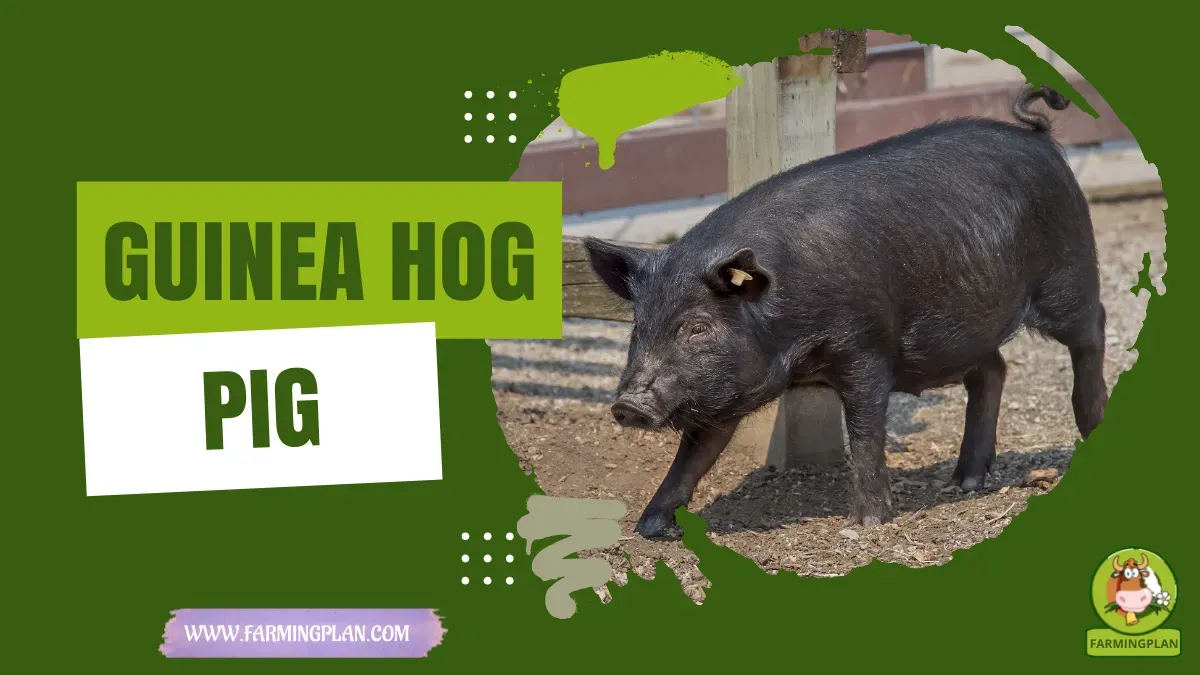
The american guinea hog occupies an esteemed position across modern swine husbandry, serving small-scale homesteaders and commercial pork producers who value genetic resilience, distinct conformational traits, and superior meat quality. Whether you manage an extensive woodland pasture or maintain specialized farrowing facilities, understanding the physiological profile of this outstanding breed ensures sustainable production and long-term farm success. Structured culling and biosecurity protocols strengthen American Guinea Hog genetic quality.
As heritage livestock stewardship gains momentum nationwide, raising guinea hogs offers a viable pathway toward food self-reliance and premium niche marketing. Exploring comparative husbandry principles across our sustainable multi-species grazing systems empowers producers to design resilient, multi-species homestead systems that withstand market fluctuations and climatic extremes.
Across diverse North American climate zones, from humid southern pastures to freezing northern winter shelters, managing environmental stress remains fundamental. Standardizing daily feeding, monitoring, and sanitation protocols maintains herd vitality throughout seasonal transitions. Experienced managers recognize that operational success depends on meticulous observation of daily rhythms, stress indicators, and social hierarchies. Maintaining clean feeders and sanitized equipment supports sustainable American Guinea Hog care.
Physical Characteristics & Breed Standards
Evaluating physical conformation remains fundamental when selecting foundation breeding stock or identifying prime market animals. The American Guinea Hog displays a robust skeletal architecture, characterized by sound pasterns, balanced muscle development, and uniform frame depth that withstands active outdoor living.
Special attention must be paid to topline stability, underline nipple distribution, and cranial characteristics. Sows should demonstrate at least six pairs of functional, evenly spaced teats along a clean mammary line. Boars should possess broad chests, strong shoulders, and symmetrical testicular development free from conformational defects or structural lameness. Consistent daily observation helps keepers spot early changes in American Guinea Hog health and behavior.
Coat texture and skin integrity provide critical indicators of overall herd health. The Solid black with coarse hair and seasonal winter coat pigmentation offers protective shielding against diverse environmental stressors, ensuring resilience during both intensive summer heat and frigid winter pasture cycles.
| Performance Dimension | Target Breed Parameter | Husbandry & Production Advantage |
|---|---|---|
| Mature Frame Scale | Boars: 250 – 350 lbs (113 – 159 kg) | Sows: 200 – 300 lbs (91 – 136 kg) | Robust bone structure with balanced commercial depth |
| Conformation Distinctions | Compact, sturdy cloven hooves adapted to diverse soils | Supports active foraging across diverse soils |
| Maternal Fecundity | 6 – 9 piglets with calm, careful maternal attention | Attentive dams with dependable milk output |
| Feed Utilization | 2.0 – 3.5 lbs modest ration supplemented by grass, clover, and windfall produce | Efficient conversion under pasture and grain rations |
| Temperament Stability | Docile, friendly, inquisitive, and easily handled by hand | Calm handling profile suitable for family farms |
Breed History, Heritage & North American Development
The American Guinea Hog originated in the Southeastern United States during the colonial era, likely descending from West African and European swine imported into Virginia and the Carolinas. Favored by small-acreage farmers, homesteaders, and enslaved laborers, the Guinea Hog survived on garden waste, acorns, and unimproved forage. Its compact size, calm nature, and self-sufficiency made it the quintessential yard pig across the American South prior to the twentieth century.
Throughout historical agrarian cycles, selection pressures prioritized animals that exhibited vigorous foraging vitality, efficient feed conversion, and reliable maternal attentiveness under variable environmental conditions. Today, pedigree preservation programs collaborate with regional agricultural associations to protect registered genetic diversity while optimizing phenotypic vigor. Clean housing, fresh water, and balanced nutrition remain essential for American Guinea Hog productivity.
Housing, Paddock Design & Winter Hardiness
Constructing durable housing and boundary fencing represents the foundation of successful swine husbandry. Pigs possess tremendous rooting power and leverage, requiring perimeter structures built with substantial hog panels, reinforced woven wire with a low-set barbed strand, or multi-strand high-tensile electric fencing.
Shelter facilities should feature well-drained three-sided run-in sheds or insulated hoop structures that provide thermal protection against rain, driving winds, and extreme sun. Adopting paddock layouts derived from small-scale meat homestead breeding prevents ground compaction, distributes organic fertility, and breaks parasite life cycles across rotational pastures. Tracking feed intake and body condition supports long-term American Guinea Hog performance.
Deep bedding systems utilizing untreated pine shavings, clean dry straw, or shredded cardboard create a comfortable thermal microclimate during freezing months while absorbing liquid waste. In summer, shallow shaded mud wallows or misting zones prevent heat stroke, as swine lack functional sweat glands for evaporative cooling.
Nutritional Requirements, Daily Rations & Feeding Protocols
Optimizing swine growth rates and carcass quality requires an accurate nutritional regimen tailored to life stage, environmental temperature, and physiological demands. Balanced rations must supply precise ratios of digestible crude protein, limiting essential amino acids (notably lysine, methionine, and threonine), metabolizable energy, vitamins, and bioavailable minerals. Following biosecurity best practices reduces disease risk in any American Guinea Hog operation.
Weanling piglets transition smoothly from sow milk utilizing high-protein starter feeds containing 18 to 20 percent crude protein, before graduating to grower rations at 16 percent, and finishing rations balanced at 14 percent crude protein. Integrating principles similar to homestead small-ruminant pasture care allows pasture-raised herds to harvest valuable micronutrients from mixed legumes, chicory, and grasses while cutting commercial grain dependency.
Continuous access to clean, fresh drinking water remains the single most vital component of swine nutrition. Mature pigs consume between 2 to 6 gallons of water daily, with lactating sows requiring up to 10 gallons. Water delivery systems must utilize freeze-resistant nipple waterers or weighted troughs anchored against aggressive rooting.
Health Management, Common Diseases & Biosecurity Standards
A proactive preventative health program shields your herd from debilitating infectious diseases and internal parasitic burdens. Swine herds face biological threats including Porcine Reproductive and Respiratory Syndrome (PRRS), Swine Influenza, Mycoplasma pneumonia, and Erysipelas, necessitating strict biosecurity barriers. Seasonal adjustments to shelter and diet keep American Guinea Hog thriving year-round.
Implementing rigorous quarantine protocols for all newly acquired stock prevents virulent pathogens from entering established breeding groups. Following a preventative farm biosecurity programs tailored by your licensed swine veterinarian ensures timely inoculations against endemic regional pathogens prior to seasonal breeding.
Producers should consult diagnostic resources from University of Georgia Extension Small Farm Swine to establish biosecurity protocols, isolate emerging clinical signs promptly, and calibrate herd health plans against state livestock department recommendations. Proper record-keeping makes breeding and culling decisions easier for American Guinea Hog keepers.
In addition to infectious pathogen barriers, external parasite control requires periodic herd audits for sarcoptic mange mites and hog lice. Mange infestation causes severe pruritus, skin thickening, and persistent scratching against fencing posts, leading to reduced feed conversion efficiency and secondary skin abrasions. Applying topical avermectins or approved permethrin sprays at seasonal turnouts effectively eradicates external parasites across all housing pens. Producers planning a diversified homestead operation often cross-reference our Mong Cai Pig breed and care guide.
Breeding Management, Reproduction & Piglet Care
Successful swine reproduction relies on identifying natural estrus cycles, providing proper conditioning for breeding sows, and executing attentive farrowing oversight. Gilts reach sexual maturity between 6 to 8 months of age, but should reach a minimum body weight of 250 pounds before initial service to prevent stunted pelvic development. Providing adequate space and ventilation prevents common stress issues in American Guinea Hog.
The porcine estrus cycle repeats every 21 days, characterized by vulva swelling, vocalization, and the classic standing reflex under back pressure. The standard gestation period lasts 114 days (3 months, 3 weeks, 3 days), during which pregnant sows require modest nutritional maintenance rations to prevent over-conditioning and associated dystocia complications.
Prior to farrowing, sows should enter thoroughly disinfected maternity pens equipped with guard rails or creep areas to protect newborn piglets from accidental crushing. Maintaining an ambient creep area temperature of 90 to 95 degrees Fahrenheit using radiant brooders ensures newborn vigor, while prompt naval dipping with iodine prevents joint ill.
Routine neonatal piglet processing during the first three days includes administering an intramuscular iron dextran injection to prevent nutritional piglet anemia, as sow milk contains negligible iron. Introducing palatable starter creep feeds around ten days of age stimulates early gut enzyme development, supporting smooth weaning transitions at four to six weeks. Understanding breed-specific traits helps maximize American Guinea Hog longevity and output.
US Ownership Budget & Annual Maintenance Costs
Constructing a realistic enterprise budget enables swine producers to calculate break-even targets, manage seasonal cash flows, and safeguard farm solvency. While pasture foraging reduces grain expenditures significantly, capital allocations for reinforced fencing, durable shelters, and biosecurity sanitation remain unavoidable.
⚡ Estimated Annual Budget & Maintenance Costs (USD)
| Expense Category | Item Description & Scope | Initial Capital Investment | Annual Recurring Cost |
|---|---|---|---|
| Foundation Breeding Stock | Registered pedigree boar or farrowing gilt breeding pair | $175 – $400 | $0 (sustainable herd renewal) |
| Shelter & Perimeter Fencing | Reinforced run-in shed, heavy panels, electric perimeter | $300 – $550 | $40 – $75 (annual fence upkeep) |
| Feed & Mineral Supplementation | Complete grower rations, pasture seed, mineral tubs | $60 – $100 (starter feeder bins) | $220 – $380 |
| Veterinary Care & Parasite Control | Vaccines, dewormers, iron injections, health certificates | $40 – $70 (medical starter kit) | $50 – $100 |
| Infrastructure Sundries & Bedding | Freeze-proof nipple waterers, straw bedding, handling boards | $100 – $200 | $60 – $120 |
| Estimated Total Investment | Comprehensive baseline per working breeding unit | $850 – $1,920 | $510 – $965 / head |
*Note: Cost ranges reflect prevailing US feed, lumber, and livestock prices. Actual expenditures vary according to regional forage availability and herd size.
Interactive Production & Cost Estimator
Estimate your feed requirements, projected finishing costs, and potential market returns using our interactive swine calculator. Adjust stocking numbers, feed prices, and harvest weights to project budget requirements for your farm enterprise. Routine preventive care saves time and lowers veterinary costs for American Guinea Hog.
🐖 American Guinea Hog Swine Daily Feed Calculator
Calculate daily grower/finisher rations (lbs), monthly 50-lb feed bags, pen space, and water needs for your American Guinea Hog pigs.
Frequently Asked Questions (FAQ)
How big do American Guinea Hogs get at maturity?
American Guinea Hogs remain compact, with mature boars weighing 250 to 350 pounds and mature sows weighing 200 to 300 pounds, standing roughly 21 to 24 inches tall.
Can American Guinea Hogs survive primarily on pasture?
Yes, American Guinea Hogs are true grazing pigs that derive up to 60 percent of their sustenance from quality pastures, clover, roots, and orchard windfall fruits.
Are American Guinea Hogs prone to becoming overly fat?
As a traditional lard breed, Guinea Hogs can easily gain excess subcutaneous fat if overfed high-energy commercial hog feeds, requiring strict ration monitoring.
Are American Guinea Hogs safe around young children and pets?
Guinea Hogs are renowned for their extraordinarily gentle, friendly temperament and love for belly rubs, making them exceptional livestock for family homesteads.
Why is American Guinea Hog lard prized by chefs?
Their leaf lard is exceptionally smooth, creamy, and neutral with a high smoke point, making it the gold standard fat for flaky pie crusts and gourmet pastries.
Expert Verdict & Next Steps for US Homesteaders
The American Guinea Hog represents a superb choice for discerning livestock producers, homesteaders, and commercial breeders who demand reliable maternal vigor, exceptional carcass characteristics, and hardy pasture performance. By establishing reinforced perimeter fencing, delivering species-calibrated nutritional programs, and adhering to strict preventative veterinary protocols, your farm can achieve sustainable production efficiency.
Whether your agricultural objectives focus on supplying local farm-to-fork dining markets or preserving registered heritage genetics, this breed consistently demonstrates economic and practical farm value. Compare production profiles across our sustainable multi-species grazing systems to design an integrated, highly profitable homestead livestock enterprise.
📚Agricultural Reference & Scientific Citations
Standards and physiological data referenced in this guide comply with USDA APHIS Swine Health, FAO Domestic Animal Diversity Information System, and the American Veterinary Medical Association (AVMA).


