

⚡ Fengjing Pig at a Glance: Key Specifications & Benchmarks
| Breed Classification & Origin | Taihu Swine Group; native to Fengjing township, Shanghai/Zhejiang border, China |
| Primary Agricultural Purpose | Hyper-prolific maternal crossbreeding, premium culinary lard, coarse forage conversion |
| Mature Boar Weight Range | 240 – 300 lbs (109 – 136 kg); compact, moderate skeletal frame |
| Mature Sow Weight Range | 220 – 280 lbs (100 – 127 kg); deep abdominal volume with pronounced belly droop |
| Sexual Maturity & Puberty | Hyper-precocious: reaches active sexual puberty between 55 and 65 days of age |
| Average Farrowing Litter Size | 15 to 17 live piglets per litter; third and later parities regularly surpass 20 piglets |
| Functional Teat Conformation | Carries 16 to 20 well-developed, evenly spaced teats capable of sustained milk flow |
| Distinguishing Physical Trait | Deep concentric facial wrinkles, heavily folded neck skin, large drooping pendulous ears |
| Carcass Fat & Meat Profile | High intramuscular marbling; thick, succulent backfat prized for traditional slow cooking |
| Dietary Foraging Capability | Exceptional ability to thrive on agricultural crop residues, water hyacinth, and coarse roughage |
The Fengjing pig represents one of the most astonishing biological marvels in global domestic swine genetics. Originating in the fertile Taihu Lake drainage basin along the historic township of Fengjing between Shanghai and Zhejiang province, this ancient Chinese lard breed is celebrated internationally for extreme reproductive fecundity. Sows routinely farrow litters ranging from fifteen to over twenty vigorous piglets, delivering reproductive throughput that astounds Western livestock geneticists. Understanding breed-specific traits helps maximize fengjing pig longevity and output.
Beyond its legendary litter sizes, the Fengjing hog displays unprecedented sexual precocity. Both boars and gilts reach active sexual maturity as early as sixty days of age—months ahead of conventional European commercial breeds. This evolutionary adaptation evolved over centuries of selection by smallholder farmers who fed herds on aquatic lake grasses and agricultural residues. Producers reviewing foundational herd containment can study our commercial pig farming management guide to configure robust breeding facilities. Routine preventive care saves time and lowers veterinary costs for fengjing pig.
While industrial commercial swine production favored rapid lean muscle accretion during the late twentieth century, the Fengjing pig preserved unmatched culinary qualities. Its deep crimson meat is rich in intramuscular marbling, capped by a thick layer of soft, sweet lard prized by master charcutiers and Asian culinary traditions. When compared to heritage grazers like our pastured heritage pasture swine management stock, the Fengjing offers exceptional feed adaptability. Matching forage or ration quality to life stage optimizes fengjing pig growth.
Modern genetic preservation efforts recognize the Fengjing pig as an invaluable genetic reservoir. University research programs across North America and Europe have imported and studied Taihu bloodlines to unlock the genomic sequences governing ovulation rate and disease resilience. For smallholders seeking self-sufficient homestead production, the Fengjing demonstrates remarkable forage efficiency and calm maternal nature.
Origins in the Taihu Basin & Centuries of Fecundity Selection
The roots of the Fengjing swine are deeply woven into the agricultural history of the Yangtze River Delta. Archaeological excavations around Lake Taihu reveal domestic swine husbandry dating back over seven thousand years to the Neolithic Majiabang and Liangzhu cultures. Over generations, the dense human population of the water-rich delta demanded livestock capable of recycling household kitchen scraps, canal weeds, and rice bran into valuable cooking fat and organic fertilizer. Gradual dietary transitions protect digestive stability in fengjing pig.
During the Ming and Qing dynasties, local peasant farmers focused deliberate selection pressure on reproductive fecundity and mothering temperament. Sows that produced large, thriving litters on coarse forage were retained as community seedstock. The Fengjing township emerged as the commercial trade nexus for these hyper-prolific black hogs, cementing the breed’s distinct regional identity within the broader Taihu swine classification. Selecting healthy foundation stock is the cornerstone of successful fengjing pig management.
In 1989, the United States Department of Agriculture (USDA), in collaboration with academic research institutions, imported Fengjing and Meishan breeding stock into federal research facilities to examine porcine reproductive genomics. Researchers confirmed that the breed carries distinct gene alleles that elevate luteinizing hormone sensitivity, allowing higher ovulation rates without reducing embryo survival during gestation.
The preservation of purebred Fengjing lines in its native region is now safeguarded through national conservation nucleus farms in Shanghai. As commercial modern hybrid pork increasingly dominates supermarket shelves, regional culinary foundations and conservation initiatives actively preserve the Fengjing to maintain biodiversity and heritage cooking traditions across Eastern China. Good predator-proofing and dry bedding safeguard fengjing pig comfort in harsh weather.
Breed Standards, Wrinkled Facial Conformation & Teat Matrix
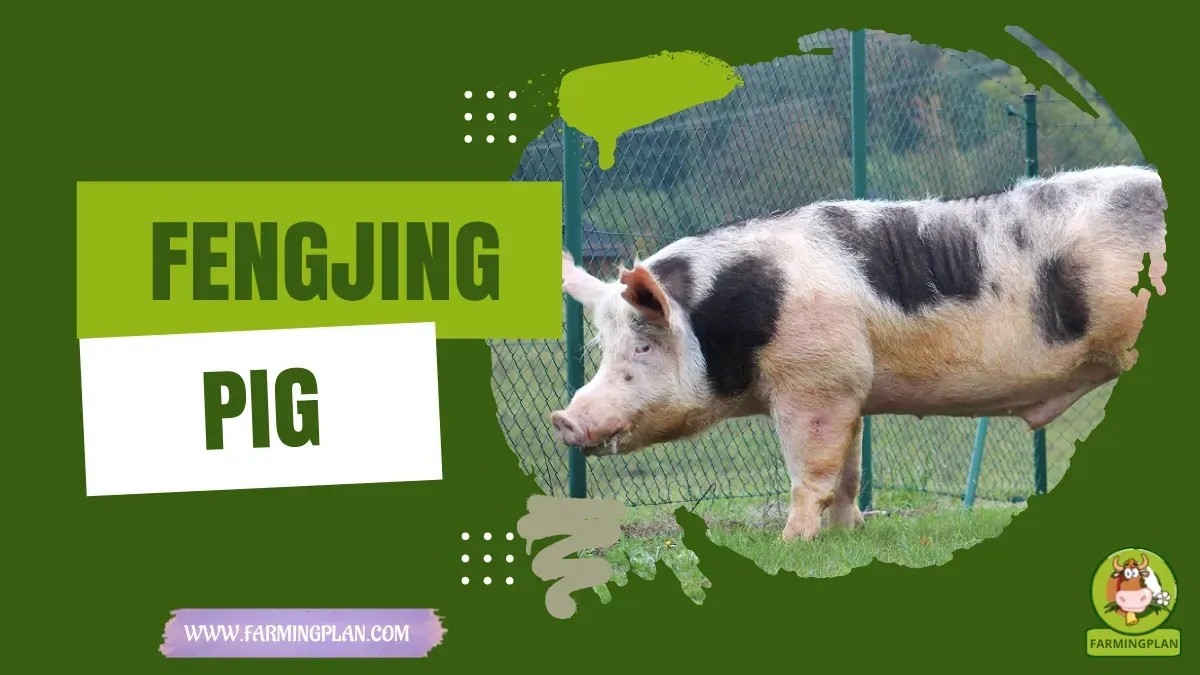
The physical appearance of the Fengjing pig is instantly unmistakable. The head is broad and deeply dished, characterized by heavy concentric skin folds that furrow across the forehead, snout, and jowls. In mature boars, these thick facial wrinkles often fold heavily around the eyes, requiring caretakers to ensure ocular hygiene is maintained. The ears are exceptionally large, thin, and pendulous, hanging limp beside the cheeks. Monitoring water quality and mineral balance directly benefits fengjing pig vitality.
The body is compact, low-slung, and medium-framed. A defining conformational signature is the pronounced lordosis (swayed back) and deep, relaxed abdominal underline. In pregnant and mature lactating sows, the spacious belly frequently brushes close to the bedding pack. The skin is slate gray to charcoal black, sparsely covered with fine, soft black bristles that thicken slightly during cold winter months.
Teat conformation in the Fengjing is among the most prolific in the animal kingdom. Breeding sows carry between 16 and 20 evenly spaced, fully functional teats. Unlike European commercial lines where surplus teats are frequently inverted or blind, Fengjing teats are well-plumbed, ensuring that large litters can nurse simultaneously without aggressive competition or starvation. Practical hands-on husbandry ensures consistent results when raising fengjing pig.
Leg conformation is fine-boned yet remarkably resilient on natural earthen paddocks. The hooves are dark, hard, and compact, providing surefooted mobility through damp wetland pastures. Mature boars weigh between 240 and 300 pounds (109 to 136 kg), while mature breeding sows maintain productive health at 220 to 280 pounds (100 to 127 kg), remaining easily manageable for family smallholders. Early intervention at the first sign of lethargy protects overall fengjing pig flock or herd health.
Farrowing Dynamics, Litter Management & Extreme Fecundity
Reproductive management in the Fengjing requires adjusting standard swine husbandry expectations. Gilts begin cycling and showing visible estrus behavior at 55 to 65 days of age, while young boars demonstrate viable sperm motility shortly after two months. To protect skeletal growth, responsible managers delay first breeding until gilts reach seven to eight months of age and achieve at least 180 pounds of body mass.
First-parity gilts typically deliver 12 to 14 piglets, with litter sizes expanding to 16 to 18 in second parities, and frequently exceeding 20 in third and subsequent farrowings. Sows possess broad pelvic openings that ensure swift, unassisted births. Farrowing intervals between piglets average ten to twelve minutes, drastically reducing piglet hypoxia and keeping stillbirth rates below 4%. Structured culling and biosecurity protocols strengthen fengjing pig genetic quality.
Mothering temperament is extraordinary. Fengjing sows are docile, affectionate, and quiet. When preparing to nurse, the sow emits rhythmic grunts that signal the entire litter, lying down with extreme care to avoid stepping on or crushing fragile newborns. Because litters are large, installing warm creep boxes heated to 88°F to 90°F (31°C to 32°C) gives smaller piglets a safe resting microclimate. Maintaining clean feeders and sanitized equipment supports sustainable fengjing pig care.
Colostrum intake must be carefully monitored across hyper-prolific litters. Practicing split-nursing during the first twelve hours ensures that every piglet receives its full complement of maternal antibodies. Handlers rotate the first half of the born litter into a straw-bedded creep brooder for forty-five minutes while the later-born piglets nurse undisturbed, equalizing weaning survival rates across the entire cohort.
Nutritional Strategies: Coarse Forage, Roughage & Fat Accretion
Unlike modern high-lean commercial hogs that require energy-dense, low-fiber cereal grain pellets, the Fengjing possesses a voluminous cecum and colon capable of fermenting fibrous plant materials. Sows can obtain up to 50% of their maintenance dry matter intake from roughages such as chopped alfalfa, clover, pumpkin vines, sweet potato foliage, and brewer’s spent grains. Consistent daily observation helps keepers spot early changes in fengjing pig health and behavior.
Feeding high-energy corn-soybean rations ad libitum will rapidly cause extreme obesity in Fengjing swine. Excess fat deposition around the reproductive tract impairs ovarian function and leads to farrowing difficulties. Managers must practice strict restricted feeding for gestating sows, offering 3.5 to 4.5 pounds daily of a balanced 13% crude protein ration high in digestible plant fiber. Clean housing, fresh water, and balanced nutrition remain essential for fengjing pig productivity.
During peak lactation, nutrient density must be increased to sustain heavy milk output for eighteen or more nursing piglets. Sows should receive a 16% protein lactation ration enriched with calcium, phosphorus, and vitamin E, accompanied by continuous clean drinking water. Smallholders managing mixed livestock pastures can consult our pasture rotational grazing systems guide to design dynamic legume paddocks.
For finishing hogs intended for gourmet culinary slaughter, supplementing the diet with roasted acorns, barley, and root vegetables during the final sixty days firms the carcass lard. This feeding protocol imparts a silky, nutty flavor to the fat cap, mirroring traditional artisanal ham-curing nutrition methods practiced across Mediterranean and East Asian culinary regions. Tracking feed intake and body condition supports long-term fengjing pig performance.
Health Management, Skin Fold Hygiene & Disease Resilience
The Fengjing pig demonstrates rugged native immunity against endemic respiratory pathogens and digestive parasites. However, their unique anatomical wrinkles require targeted management. Dust, moisture, and organic debris can accumulate within deep facial folds, creating ideal environments for bacterial dermatitis and fungal skin infections if pens are neglected. Following biosecurity best practices reduces disease risk in any fengjing pig operation.
Providing clean, dry bedding composed of dust-extracted barley straw or wood shavings keeps facial folds dry and clean. During hot summer months, outdoor herds require access to fresh mud wallows. Natural clay mud provides an evaporative cooling layer while sealing the skin against biting flies and external parasites like sarcoptic mange mites (Sarcoptes scabiei).
Routine herd health protocols include bi-annual deworming with ivermectin or fenbendazole, along with standard vaccination against swine erysipelas, leptospirosis, and porcine parvovirus (PPV). Formulating balanced mineral supplements aligns with the nutritional safety protocols covered in our dairy ration formulation guidelines to prevent mineral deficiencies. Seasonal adjustments to shelter and diet keep fengjing pig thriving year-round.
Internal biosecurity boundaries must be enforced to protect heritage herds from African Swine Fever (ASF) and PRRS. Restricting unauthorized visitor access, providing dedicated farm-specific boots, and preventing contact between domestic herds and wild boars are foundational biosecurity barriers that preserve irreplaceable breeding stock. Proper record-keeping makes breeding and culling decisions easier for fengjing pig keepers.
Culinary Lard Quality, Sweet Pork & Commercial Crossbreeding
In modern gastronomy, the Fengjing pig is celebrated for its extraordinary culinary profile. Unlike standard supermarket pork that is bred to be extremely lean and often dries out during cooking, Fengjing pork boasts heavy intramuscular marbling. The meat is tender, deeply pigmented, and juicy, with an exceptional water-holding capacity that excels in slow-braised stews, traditional sausages, and charcuterie.
The lard produced by the Fengjing is exceptionally pure, soft, and snow-white. Rich in monounsaturated oleic fatty acids with a lower melting point than commercial swine lard, it is prized by artisanal pastry chefs and specialty meat curers for creating delicate pie crusts and rich confit dishes. Carcass processing should prioritize separating the backfat for dedicated culinary rendering. Smallholders comparing closely related stock can also review our detailed Lacombe Pig guide. Providing adequate space and ventilation prevents common stress issues in fengjing pig.
In commercial terminal crossbreeding, Fengjing sows are frequently crossed with muscular, fast-growing boars like Duroc, Berkshire, or Hampshire. The resulting F1 crossbred market pigs combine the high prolificacy and docile mothering of the Fengjing with the accelerated lean muscle growth and heavy hams of the terminal sire, creating an ideal homestead meat animal. Understanding breed-specific traits helps maximize fengjing pig longevity and output.
Integrating durable shelter designs and automated water lines from our farm infrastructure and housing setups guide ensures that pasture-raised crossbred litters thrive in all weather, delivering abundant, high-quality family meat supplies with minimal purchased feed inputs.
⚡ Estimated Annual Budget & Maintenance Costs (USD)
| Registered Purebred Breeding Pair (1 Boar, 1 Sow) | Heritage Fengjing breeding stock from certified genetic registry: $1,200 |
| Deep-Straw Hoop Shelter & Farrowing Creep Box | South-facing wood shelter, radiant electric heat plate, dry bedding: $680 |
| Formulated Gestation, Lactation & Creep Rations | High-fiber cereal mix, soybean meal, mineral premix: $1,450 |
| Forage Paddock Fencing & Mud Wallow Setup | Multi-strand electric wire, energizer, water line: $380 |
| Veterinary Health, Dewormers & Core Vaccines | Leptospirosis, erysipelas vaccines, ivermectin, veterinary audit: $240 |
| Bedding Straw & Sanitizing Disinfectants | Kiln-dried straw bales, agricultural lime, Virkon disinfectant: $210 |
| Custom USDA Processing, Lard Rendering & Curing | Custom harvest fee, sausage blending, vacuum seal packaging: $720 |
| Estimated Total Annual Investment | $4,880 total baseline operational and breeding investment budget |
🐖 Fengjing Pig Swine Daily Feed Calculator
Calculate daily grower/finisher rations (lbs), monthly 50-lb feed bags, pen space, and water needs for your Fengjing Pig pigs.
Frequently Asked Questions (FAQ)
Why is the Chinese Fengjing pig famous worldwide in swine genetics?
Originating in China’s Taihu Lake basin, the Fengjing pig is one of the most prolific breeds on Earth—third-parity and older sows regularly farrow 15 to 20+ live piglets per litter supported by 16 to 20 functional teats.
At what young age do Fengjing pigs reach sexual maturity?
Fengjing pigs exhibit extreme sexual precocity: both young boars and gilts reach reproductive puberty between just 55 and 65 days of age, far earlier than 5-to-7-month Western breeds.
How large do adult Fengjing pigs get and what do they look like?
Unlike giant Western bacon hogs, mature Fengjing boars weigh 240 to 300 lbs and sows 220 to 280 lbs, featuring black skin, deeply wrinkled faces, folded necks, pendulous ears, and a low-slung belly.
Can Fengjing pigs thrive on coarse forage instead of heavy grain diets?
Yes, Fengjing hogs have exceptional hindgut fermentation capacity, allowing them to thrive on crop residues, water hyacinth, sweet potato vines, and coarse green roughage.
How is Fengjing genetics used in Western agricultural research?
Western geneticists cross Fengjing stock to study estrogen receptor and uterine capacity genes responsible for higher embryo survival and larger maternal litter sizes without compromising meat quality.
Expert Verdict & Husbandry Roadmap
The Fengjing pig represents an invaluable heritage treasure that challenges modern livestock conventions. Its astonishing fecundity, docile maternal nature, and unmatched ability to convert coarse fibrous vegetation into gourmet culinary fat make it an exceptional choice for smallholders, homesteaders, and genetic conservationists alike. Routine preventive care saves time and lowers veterinary costs for fengjing pig.
Achieving outstanding results requires catering to their unique physiology: restricting grain intake to prevent reproductive obesity, providing clean dry straw to protect facial skin folds, and utilizing split-suckling to support large newborn litters. When managed with attentive husbandry, the Fengjing pig delivers unparalleled reproductive returns and exceptional meat quality. Matching forage or ration quality to life stage optimizes fengjing pig growth.
For homesteaders seeking maximum protein self-sufficiency on small acreage, integrating Fengjing breeding stock provides unmatched peace of mind. Their calm temperament, high litter survival rates, and versatile forage foraging capabilities ensure dependable family meat harvests with minimal environmental impact and low feed expenses.
📚Agricultural Reference & Scientific Citations
Standards and physiological data referenced in this guide comply with USDA APHIS Swine Health, FAO Domestic Animal Diversity Information System, and the American Veterinary Medical Association (AVMA).


