

⚡ Alaskan Husky at a Glance: Key Specifications & Benchmarks
| Scientific Classification | Canis lupus familiaris (Performance Working Sled Dog) |
| Breed Classification | Purpose-bred working cross (Siberian Husky, Greyhound, Pointer, Hound) |
| Mature Male Body Weight | 40 to 60 lbs (18 to 27 kg) |
| Mature Female Body Weight | 35 to 50 lbs (16 to 23 kg) |
| Height at the Withers | 21 to 26 inches (53 to 66 cm) |
| Aerobic Capacity (VO2 Max) | 240 to 300 mL/kg/min (Highest athletic capacity of any mammal) |
| Sub-Zero Hardiness | Thrives in temperatures down to -50°F (-45°C) with proper shelter |
| Daily Working Calorie Intake | 4,500 to 10,000+ kcal/day during intense winter racing and draft work |
The Alaskan Husky stands as the supreme canine athlete of the Northern Hemisphere. Rather than conforming to purebred kennel club aesthetic registries, this working dog was developed exclusively for pulling power, extreme cardiovascular endurance, and cheerful willingness to run in harness. Today, they dominate competitive sled racing from sprint circuits to 1,000-mile endurance trials. Providing adequate space and ventilation prevents common stress issues in Alaskan Husky.
Developed through generations of crossing indigenous Arctic village dogs with Siberian Huskies, German Shorthaired Pointers, and Greyhounds, the Alaskan Husky is a purpose-bred working hybrid. In our comprehensive working canine management series, sled dog mushers emphasize matching pack energy levels with rigorous daily conditioning routines across all rural settings.
For homesteaders and rural outdoor enthusiasts, Alaskan Huskies provide dependable winter draft power, skijoring companionship, and packing utility. Their high metabolic efficiency allows them to convert dietary fats directly into sustained muscular energy without experiencing glycogen depletion.
Their cardiovascular performance is legendary. Alaskan Huskies possess massive left ventricular heart capacity and mitochondrial volume density far exceeding other domestic dogs. This unique physiology enables teams to run 100 miles in sub-zero weather without muscular exhaustion. Understanding breed-specific traits helps maximize Alaskan Husky longevity and output.
Physical Characteristics & Performance Standards
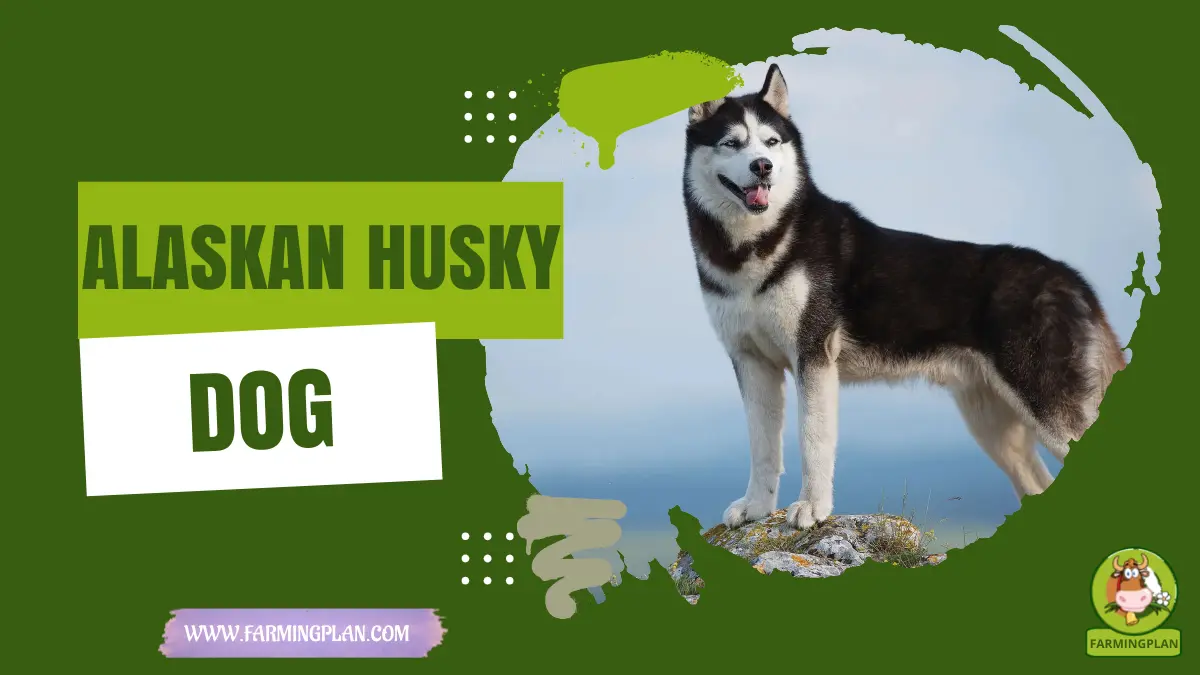
Because Alaskan Huskies are bred for performance rather than conformation show standards, their physical appearance varies widely. However, elite sled dogs share common biomechanical traits: lean muscular frames, deep ribcages for maximum lung expansion, long strides, and tough, webbed paws resistant to snow packing.
Weight Ranges, Coat Types & Foot Structure
Working dogs range from 35 to 60 pounds, striking an optimal balance between pulling mass and thermal regulation. Distance racers typically feature medium-length double coats with dense insulating underfur, while sprint racing strains carrying hound crosses exhibit shorter, sleeker coats suited for rapid heat dissipation.
Paw conformation is essential. The pads are thick, heavily calloused, and closely spaced with tough connective tissue. Musher protocols mandate checking paws daily and applying protective fleece or cordura dog booties during frozen trail runs to prevent abrasive ice lacerations. Routine preventive care saves time and lowers veterinary costs for Alaskan Husky.
Toe nail length directly influences traction and gait mechanics. Long nails alter paw landing angles, placing severe strain on flexor tendons and wrist joints. Mushers trim nails weekly to keep them level with pad surfaces, ensuring unhindered forward propulsion.
Tuck-up and spinal flexibility support long, efficient gait mechanics. Unlike heavier draft breeds that trot under load, Alaskan Huskies sustain an easy, fluid lope that minimizes joint impact over frozen riverbeds and uneven tundra trails.
⚡ Alaskan Husky vs. Purebred Arctic Sled Dogs
| Performance Parameter | Alaskan Husky | Siberian Husky | Alaskan Malamute |
|---|---|---|---|
| Average Working Weight | 38 to 55 lbs (Lean athletic) | 45 to 60 lbs (Standard spitz) | 75 to 100+ lbs (Heavy freight) |
| Average Sled Speed | 14 to 22 mph (Sprint/Mid-distance) | 10 to 14 mph (Moderate pace) | 6 to 9 mph (Steady heavy freight) |
| Thermal Heat Dissipation | Moderate to high efficiency | Low to moderate (Heavier fur) | Very low (Heavy arctic draft coat) |
| Pack Social Temperament | High sociability, cooperative | High sociability, pack-oriented | Independent, dominant male hierarchy |
| Primary Work Specialty | Competitive racing, skijoring | Traditional sledding, show | Heavy timber and freight hauling |
| Metabolic Recovery Rate | Rapid (Hours post-run) | Moderate | Moderate (Draft pacing) |
Breed History, Heritage & North American Development
The Alaskan Husky developed alongside the gold rushes and mail delivery routes of nineteenth-century Alaska and the Yukon Territory. Native Athabaskan and Inupiat peoples bred hardy village dogs for winter transport, fishing camp hauling, and trapline travel under extreme sub-zero conditions. Matching forage or ration quality to life stage optimizes Alaskan Husky growth.
During the early twentieth century, racing pioneers including Leonard Seppala, George Attla, and later Susan Butcher refined the breed by introducing fast European hunting hounds and pointer bloodlines. This selective hybridization produced dogs with unmatched endurance and rapid recovery rates.
Today, the Alaskan Husky is recognized globally as the premier racing sled dog. Beyond racing competitions, these dogs serve rural northern homesteaders as reliable backcountry companions capable of pulling loaded pulks and freight sleds across roadless winter terrain.
Breeding philosophies among mushers emphasize behavioral traits above all else. A dog with flawless conformation is useless in harness if it lacks the relentless desire to pull into headwinds and deep snow. This working selection created canines with joyful, cooperative pack attitudes. Gradual dietary transitions protect digestive stability in Alaskan Husky.
Housing, Kennel Design & Arctic Climate Hardiness
Alaskan Huskies thrive outdoors in cold climates but require thoughtful kennel architecture to stay healthy and clean. These high-energy dogs possess strong digging and jumping instincts, requiring secure containment systems.
Kennel Setups & Winter Bedding Management
Traditional sled dog yards employ rotating chain tethers (swivel tie-outs) attached to central insulated doghouses, or dedicated individual 10×10 foot chain-link pens with buried concrete footers. Fences must stand at least 6 feet tall with inward-facing overhangs to prevent escapes.
Every dog requires a raised wooden doghouse stuffed with clean, dry oat or wheat straw during winter. Straw provides superior thermal insulation compared to hay, which retains moisture and molds quickly. Replace soiled bedding weekly to keep coats completely dry in freezing weather. Selecting healthy foundation stock is the cornerstone of successful Alaskan Husky management.
Ground drainage prevents icy kennel pens. Install crushed gravel or wood chip footing over gentle slopes so meltwater drains away from houses. Elevate doghouses 4 to 6 inches off the frozen ground on treated wooden skids to block freezing conductive heat loss.
Nutritional Protocols & Working Sled Dog Rations
The metabolic engine of an Alaskan Husky is an aerodynamic marvel. While a resting dog requires roughly 1,400 calories daily, an active working sled dog in sub-zero harness demands 5,000 to 10,000 calories per day to maintain core body temperature and muscular output.
High-Fat Fueling & Hydration Management
Working sled dog diets must supply 30% to 32% crude protein and 20% to 24% fat during autumn training, shifting to a 32/30 or 40/40 ratio during intense winter running. Mushers blend high-grade commercial kibble with beef fat, wild salmon, poultry skins, and organ meats. Compare feeding protocols in our active working canine nutrition guide. Good predator-proofing and dry bedding safeguard Alaskan Husky comfort in harsh weather.
Winter hydration is critical. Dogs cannot consume enough snow to meet hydration needs without lowering their core temperature. Provide warm meat broth (“baited water”) containing melted fats twice daily to encourage full voluntary fluid intake before and after training runs.
Electrolyte balance prevents exertional cramping during extended runs. Add pinch measurements of potassium chloride and sodium chloride to warm hydration broths after runs exceeding 15 miles to restore cellular fluid equilibrium.
Health Management, Foot Care & Biosecurity Standards
Alaskan Huskies are exceptionally hardy but experience specialized stresses related to cold weather running. Common clinical concerns include shoulder and carpal sprains, pad lacerations, frostbite on ear tips, and exertional rhabdomyolysis (tying-up syndrome). Monitoring water quality and mineral balance directly benefits Alaskan Husky vitality.
Orthopedic Wellness & Parasite Protocols
Examine carpal joints, wrist tendons, and back muscles after strenuous runs. Apply protective zinc oxide ointment and herbal paw salves to pad surfaces to prevent cracking. In sub-zero trails, always equip dogs with lightweight cordura booties to shield feet from sharp ice crusts.
Maintain comprehensive deworming schedules against giardia, roundworms, and hookworms, which spread easily through shared kennel grounds. Follow established working dog health protocols outlined by the American Veterinary Medical Association to preserve team wellness.
Gastric ulcers occasionally affect high-mileage sled dogs under intense competitive pressure. Experienced mushers provide oral mucosal protectants like bismuth subsalicylate or sucralfate during multi-day backcountry treks to safeguard digestive lining. Practical hands-on husbandry ensures consistent results when raising Alaskan Husky.
Training, Harness Conditioning & Pack Socialization
Training begins around 6 months of age with basic directional voice commands: “Gee” (turn right), “Haw” (turn left), “Hike” (go forward), and “Whoa” (stop). Pups are paired alongside calm, experienced wheel and team dogs who naturally teach straight-line pulling discipline.
Distance Progression & Team Dynamics
Condition young teams gradually during cool autumn weather (below 50°F) using four-wheeled all-terrain vehicles or training rigs. Start with 1 to 2 mile runs, steadily building endurance to 10 to 15 miles before winter snow trails open.
Alaskan Huskies possess an innate drive to run in unison. Foster positive pack camaraderie through shared feeding and group turnout sessions. For companion alternatives in cold climates, review our care guide on the Alaskan Klee Kai miniature spitz. Early intervention at the first sign of lethargy protects overall Alaskan Husky flock or herd health.
Lead dogs require exceptional intelligence, confidence, and responsiveness to vocal commands. Identify natural leaders early by testing which pups maintain forward momentum and trail focus when confronted by unexpected obstacles or wildlife crossings.
Team harmony dictates trail speed and safety. Aggressive or quarrelsome dogs disrupt gangline rhythm and risk team tangles during high-speed descents. Selecting dogs with steady, cooperative temperaments ensures safe multi-dog travel across rugged backcountry trails.
US Ownership Budget & Annual Maintenance Costs
Maintaining working sled dogs requires dedication to high-protein feeds, durable harness equipment, and winter veterinary care. While a single pet companion costs moderately to feed, maintaining an operational 4 to 8 dog recreational sled team represents a substantial annual budget. Structured culling and biosecurity protocols strengthen Alaskan Husky genetic quality.
⚡ Estimated Annual Budget & Maintenance Costs (USD)
| Expense Category | Single Dog Annual Cost (USD) | 4-Dog Team Annual Cost (USD) |
|---|---|---|
| High-Energy Performance Rations | $550.00 – $850.00 | $2,200.00 – $3,400.00 |
| Raw Meat & Fat Supplements | $200.00 – $350.00 | $800.00 – $1,400.00 |
| Harnesses, Ganglines & Sled Gear | $120.00 – $220.00 | $600.00 – $1,200.00 |
| Booties, Paw Ointments & Bedding | $80.00 – $150.00 | $320.00 – $600.00 |
| Veterinary Care & Dewormers | $250.00 – $450.00 | $1,000.00 – $1,800.00 |
| Kennel Maintenance & Straw | $100.00 – $200.00 | $400.00 – $800.00 |
🐕 Alaskan Husky Daily Calorie & Kibble Calculator
Calculate daily metabolizable energy (kcal/day), kibble cups, water, and monthly diet costs for your Alaskan Husky.
Frequently Asked Questions (FAQ)
Is an Alaskan Husky an officially recognized dog breed?
No, the Alaskan Husky is not recognized by the AKC or FCI. It is a purpose-bred working hybrid developed exclusively for sled pulling speed, endurance, and genetic health.
How much exercise does an Alaskan Husky need daily?
Alaskan Huskies require at least 1 to 2 hours of vigorous running or draft pulling daily. Without intense cardiovascular exercise, they become bored, anxious, and destructive indoors.
Can an Alaskan Husky live in warm southern states?
While they can adapt to moderate climates, Alaskan Huskies suffer in high heat and humidity. They require air conditioning, abundant shade, and zero exercise during warm midday hours.
What is the difference between an Alaskan Husky and Siberian Husky?
Siberian Huskies are purebred show and working dogs with strict appearance standards. Alaskan Huskies are lighter, faster, leggy hybrids bred strictly for racing and pulling speed.
Why do sled dogs wear booties in the snow?
Booties protect canine footpads from sharp ice shards, abrasive packed snow, and chemical trail de-icers, preventing painful pad cracking and snow clumping between toes.
Expert Verdict & Next Steps
The Alaskan Husky stands unmatched as an active working partner for rural homesteads, winter mushers, and outdoor enthusiasts. Their remarkable athletic stamina, friendly pack nature, and cold resilience make them exceptional working companions when matched with owners who can satisfy their drive to run.
Prospective owners must evaluate secure yard fencing and commit to consistent cold-weather training. For operational comparisons across Arctic working breeds, check our detailed guide on Alaskan Malamute freight pulling.
📚Agricultural Reference & Scientific Citations
Standards and physiological data referenced in this guide comply with USDA Animal and Plant Health Inspection Service (APHIS), American Veterinary Medical Association (AVMA), and the FAO Domestic Animal Diversity Information System.


