

⚡ Alaskan Malamute at a Glance: Key Specifications & Benchmarks
| Scientific Classification | Canis lupus familiaris (Heavy Arctic Freight Spitz) |
| Breed Origin & Indigenous Roots | Kotzebue Sound, Northwestern Alaska (Bred by the Mahlemut Inupiat) |
| Mature Male Body Weight | 80 to 95+ lbs (36 to 43+ kg) standard freight size |
| Mature Female Body Weight | 70 to 85 lbs (32 to 39 kg) standard freight size |
| Height at the Withers | Males: 25 inches (63.5 cm); Females: 23 inches (58.5 cm) |
| Primary Working Function | Heavy draft freight pulling, winter expedition pack hauling, search & rescue |
| Sub-Zero Thermal Tolerance | Comfortable in temperatures down to -60°F (-51°C) with dense double coat |
| Draft Pulling Capacity | Single adult can pull 1,000 to 2,500+ lbs in sanctioned weight pull trials |
The Alaskan Malamute is the heavyweight locomotive of the Arctic canine world. Developed millennia ago by the Mahlemut Inupiat people of northwestern Alaska, this ancient spitz dog was bred not for fast racing speed, but for immense pulling power, heavy freight transport, and survival in the most inhospitable winter climates on Earth. Matching forage or ration quality to life stage optimizes Alaskan Malamute growth.
Unlike lighter Siberian Huskies or sprinting Alaskan Huskies that trot swiftly over frozen snow, the Malamute moves with steady, deliberate force. In our comprehensive homestead working canine guides, Arctic dog specialists emphasize pairing the breed’s heavy draft instincts with secure enclosures and consistent working jobs.
For rural homesteaders in northern states, Alaskan Malamutes provide valuable winter utility. They excel at hauling heavy firewood sleds, clearing snow trails, pulling loaded garden carts, and providing devoted family protection through their imposing physical presence. Gradual dietary transitions protect digestive stability in Alaskan Malamute.
Their pack-oriented nature makes them deeply affectionate with their human family. However, their natural dominance and high physical mass require confident handling and clear pack hierarchy from early puppyhood to prevent willful behavior.
Physical Characteristics & Breed Standards
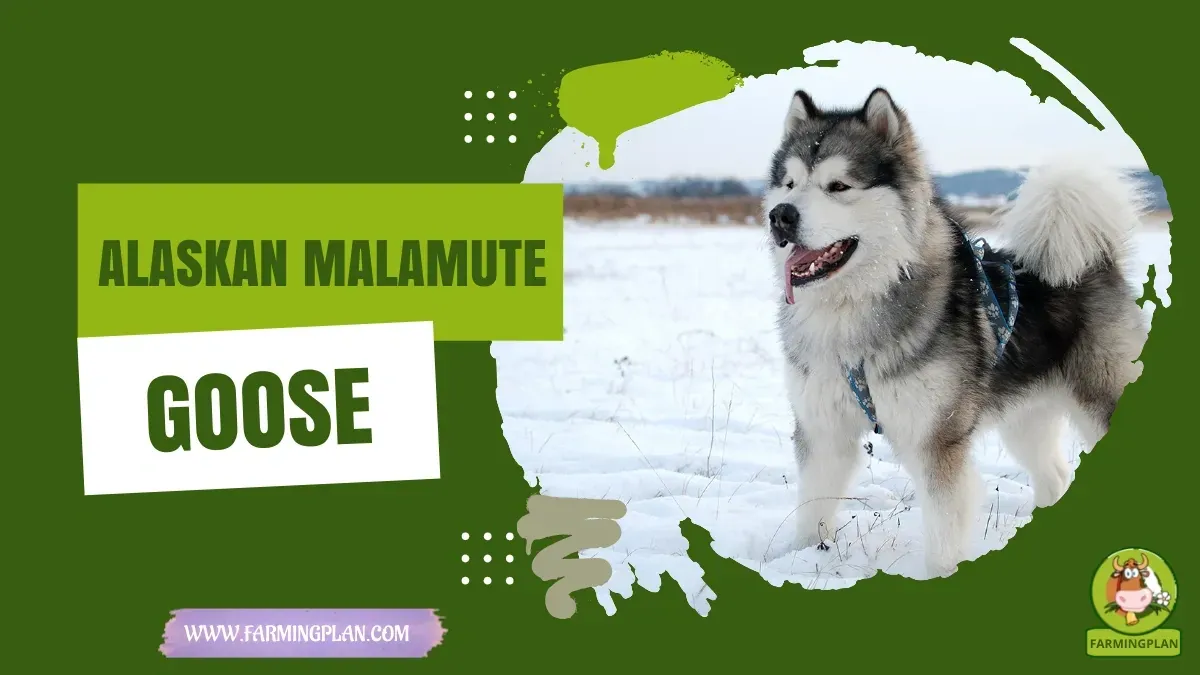
The Alaskan Malamute stands as the largest and heaviest of all Arctic sled dog breeds. American Kennel Club (AKC) standards demand heavy bone substance, strong straight legs, deep chests, and broad shoulders designed for relentless freight draft work. Selecting healthy foundation stock is the cornerstone of successful Alaskan Malamute management.
Skeletal Conformation, Facial Cap & Double Coat
Standard males stand 25 inches at the shoulder weighing roughly 85 pounds, while females measure 23 inches weighing 75 pounds. The head is broad between the ears with a powerful, non-pointed muzzle. Eyes are almond-shaped and brown; blue eyes represent a disqualification under purebred breed standards.
The coat is a marvel of Arctic thermal engineering. The outer guard coat is thick, coarse, and stand-off, protecting a dense, woolly undercoat 1 to 2 inches deep. Coat colors range from light grey through intermediate shadings to black, sable, and red, always accompanied by white markings on the belly, paws, and face. Good predator-proofing and dry bedding safeguard Alaskan Malamute comfort in harsh weather.
The tail is well-furred and carried over the back like a waving ostrich plume. During extreme sub-zero blizzards, Malamutes curl into tight balls and tuck their bushy tails across their muzzles to filter icy air before it reaches delicate lung tissue.
⚡ Arctic Spitz Breeds Conformation Comparison
| Breed Parameter | Alaskan Malamute | Siberian Husky | Samoyed |
|---|---|---|---|
| Primary Working Function | Heavy draft freight pulling | Fast light-load transport | Reindeer herding, general sled |
| Mature Adult Weight | 75 to 95+ lbs (34 to 43+ kg) | 35 to 60 lbs (16 to 27 kg) | 45 to 65 lbs (20 to 29 kg) |
| Eye Color Standard | Brown strictly (No blue eyes) | Brown, blue, or bi-eyed | Dark brown strictly |
| Bone Substance Index | Heavy, massive joints | Medium, athletic bone | Moderate, compact bone |
| Draft Pulling Style | Low-speed, massive torque | High-speed, moderate endurance | Moderate speed, persistent trotting |
Breed History, Heritage & North American Development
The Mahlemut people of Alaska’s Seward Peninsula depended on their freight dogs for survival across thousands of years. These dogs hauled seal carcasses across frozen sea ice, packed heavy hunting gear over summer mountain passes, and protected coastal settlements from polar bears. Monitoring water quality and mineral balance directly benefits Alaskan Malamute vitality.
During the 1896 Klondike Gold Rush, prospectors paid astronomical prices for native freight dogs. Crossbreeding with European hounds nearly destroyed pure indigenous bloodlines until Eva “Short” Seeley and Arthur Walden gathered foundation stock in New Hampshire to establish the modern purebred registry in 1935.
Malamutes served bravely in both World Wars, hauling supplies across snowy European battlefields and serving with Admiral Richard Byrd on his historic Antarctic expeditions. Their enduring courage and strength under pressure remain central to the breed’s modern identity.
Unlike dogs bred in warm climates, the Malamute retained ancient primitive genetics closely aligned with ancestral wolves. This deep heritage shows in their communicative howling, complex pack hierarchy, and independent problem-solving skills. Practical hands-on husbandry ensures consistent results when raising Alaskan Malamute.
Housing, Kennel Enclosures & Heat Vulnerability
Alaskan Malamutes are built for polar cold and suffer acutely in hot, humid weather. Providing appropriate yard infrastructure and climate mitigation is mandatory for responsible ownership in temperate or southern regions.
Escape-Proof Fencing & Summer Thermal Management
Enclose yards with 6-foot heavy chain-link or wooden fencing reinforced with concrete footers or buried aprons. Malamutes are legendary diggers and will excavate under fence perimeters in minutes to pursue wildlife or create cool resting craters. Early intervention at the first sign of lethargy protects overall Alaskan Malamute flock or herd health.
Summer management requires strict protocols. Never exercise a Malamute when temperatures exceed 75°F. Provide indoor air conditioning, commercial cooling mats, and multiple fresh water troughs during warm months to prevent fatal exertional heatstroke.
Never shave a Malamute’s double coat in summer. The coat insulates against external heat just as it preserves body warmth in winter. Shaving exposes pale skin to solar radiation, leading to painful sunburns and permanent coat damage. Structured culling and biosecurity protocols strengthen Alaskan Malamute genetic quality.
Nutritional Requirements & Working Feeding Protocols
Malamutes have highly efficient metabolisms developed through millennia of seasonal feast-and-famine Arctic existence. They absorb nutrients remarkably well from relatively small volumes of high-protein, high-fat food.
Protein Ratios, Raw Feeding & Zinc Absorption
Feed a diet providing 28% to 32% crude protein and 16% to 20% dietary fat. Adult Malamutes consume 3.5 to 5 cups of premium large-breed kibble daily, often supplemented with raw wild salmon, beef marrow bones, and poultry fats. Explore nutritional strategies in our working canine nutrition guide. Maintaining clean feeders and sanitized equipment supports sustainable Alaskan Malamute care.
Northern breeds face hereditary risks of Zinc-Responsive Dermatosis, an inherited inability to absorb dietary zinc effectively. Supplement meals with chelated zinc methionine and omega-3 fatty acids if dry crusty lesions appear around eyes and muzzles.
Avoid overfeeding working dogs during periods of inactivity. Excess weight strains stifle ligaments and accelerates hip dysplasia. Keep adults in lean, muscular condition where ribs are easily felt under dense coat fur. Consistent daily observation helps keepers spot early changes in Alaskan Malamute health and behavior.
Health Management, Genetic Screening & Biosecurity Standards
While generally robust, the Alaskan Malamute is subject to several inherited conditions that require pre-breeding health testing through recognized registries.
Orthopedic Screening, PN & Day Blindness
Screen all breeding stock through the Orthopedic Foundation for Animals (OFA) for hip dysplasia, elbow dysplasia, and autoimmune thyroiditis. DNA tests must verify clear status for Polyneuropathy (AMPN), a fatal neuromuscular degenerative disease, and Cone Degeneration (Day Blindness).
Maintain comprehensive deworming schedules and core vaccinations, complying with veterinary biosecurity standards from the American Veterinary Medical Association to preserve working team health across rural homesteads. Clean housing, fresh water, and balanced nutrition remain essential for Alaskan Malamute productivity.
Chondrodysplasia (dwarfism) was historically present in commercial lines but is now detectable through genetic testing. Responsible breeders verify parentage clearances to ensure proper skeletal proportion and sound draft pulling mechanics.
Coat management requires intensive seasonal maintenance. During the bi-annual seasonal coat blow, use long-toothed undercoat rakes and high-velocity pet dryers to remove dead underfur before it compacts into painful skin-choking mats. Regular line-combing protects skin breathability and prevents wet eczema from developing beneath heavy fleece. Tracking feed intake and body condition supports long-term Alaskan Malamute performance.
Protect working paws during winter trail hauling and gravel training runs. Inspect interdigital webbing for ice balls, snow pack, and sharp flint stone bruises after every work session. Applying commercial musher paw wax or fitting Cordura trail booties prevents pad cracking and keeps sled dogs moving comfortably over rough surfaces.
Training, Weight Pulling & Social Conditioning
Malamutes are strong-willed, intelligent pack animals that quickly challenge passive or inconsistent handlers. Early obedience training and positive leadership must be established before dogs reach their full 85-pound adult strength. Following biosecurity best practices reduces disease risk in any Alaskan Malamute operation.
Harness Conditioning & Pack Sociability
Introduce freight harnesses around 8 months of age, starting with light drag tires or empty sleds. Malamutes love pulling heavy weights and find deep mental satisfaction in sanctioned weight-pull competitions and winter skijoring.
Same-sex aggression can manifest among mature intact males. Maintain firm pack boundaries and supervise interactions around food bowls and high-value chew toys. For comparisons with fast racing lines, explore our guide on the Alaskan Husky sled dog. Seasonal adjustments to shelter and diet keep Alaskan Malamute thriving year-round.
High prey drive toward cats, poultry, and rabbits is innate. Keep homestead fowl in predator-proof coops and never allow Malamutes unsupervised access to free-range poultry pastures.
US Ownership Budget & Annual Maintenance Costs
Raising an Alaskan Malamute involves investments in quality nutrition, secure yard containment, and winter draft harness gear. Long-term maintenance remains predictable when preventative wellness care is prioritized. Proper record-keeping makes breeding and culling decisions easier for Alaskan Malamute keepers.
⚡ Estimated Annual Budget & Maintenance Costs (USD)
| Expense Category | Estimated Annual Cost Range (USD) | Management Strategy |
|---|---|---|
| Health-Tested Purebred Puppy | $1,500.00 – $2,800.00 initial purchase | Acquire from AMCA-registered breeders with OFA hips and AMPN clear DNA |
| Heavy-Duty Yard Fencing | $900.00 – $2,500.00 setup | Install 6-foot chain-link fencing with buried ground aprons |
| High-Protein Large-Breed Kibble | $800.00 – $1,250.00 per year | Purchase nutrient-dense working rations in bulk 40-lb sacks |
| Veterinary Care & OFA Testing | $350.00 – $650.00 per year | Annual wellness exams, vaccines, tick prevention, and baseline radiographs |
| Freight Harnesses, Sleds & Slicks | $200.00 – $550.00 setup | Custom padded freight harnesses and heavy-duty steel cable drop lines |
| Grooming Rakes & High-Velocity Dryer | $150.00 – $280.00 setup | Invest in commercial blow dryers to clear thick undercoat during seasonal blows |
🐕 Alaskan Malamute Daily Calorie & Kibble Calculator
Calculate daily metabolizable energy (kcal/day), kibble cups, water, and monthly diet costs for your Alaskan Malamute.
Frequently Asked Questions (FAQ)
What is the difference between an Alaskan Malamute and Siberian Husky?
Malamutes are much larger and heavier (75 to 95+ lbs) bred for heavy freight pulling with brown eyes only. Huskies are smaller (35 to 60 lbs) bred for high-speed racing with blue or brown eyes.
Can Alaskan Malamutes have blue eyes?
No, purebred Alaskan Malamutes never have blue eyes. Blue eyes indicate crossbreeding with Siberian Huskies and represent a severe disqualification under purebred breed standards.
How much do Alaskan Malamutes shed?
Malamutes shed moderately year-round and blow their thick undercoat heavily twice a year, producing massive amounts of fur that require daily brushing and high-velocity drying.
How much weight can an Alaskan Malamute pull?
A conditioned adult Malamute in a properly fitted freight harness can pull between 1,000 and 2,500+ pounds on wheeled carts or snow tracks during sanctioned weight pull competitions.
Can an Alaskan Malamute live in warm southern climates?
They can live in moderate climates with air conditioning and shade, but they suffer in high heat and humidity. They should never be exercised in temperatures exceeding 75°F.
Expert Verdict & Next Steps
The Alaskan Malamute stands as a magnificent, ancient partner for cold-climate homesteaders and active outdoor adventurers. Their monumental freight power, affectionate pack loyalty, and iconic Arctic beauty make them deeply rewarding companions for dedicated handlers.
Ensure you have sturdy 6-foot fencing and commit to consistent winter exercise before bringing a puppy home. For comparisons with compact northern companion breeds, review our guide on the Alaskan Klee Kai miniature spitz.
📚Agricultural Reference & Scientific Citations
Standards and physiological data referenced in this guide comply with USDA Animal and Plant Health Inspection Service (APHIS), American Veterinary Medical Association (AVMA), and the FAO Domestic Animal Diversity Information System.


