

⚡ Alaskan Klee Kai at a Glance: Key Specifications & Benchmarks
| Scientific Classification | Canis lupus familiaris (Northern Companion Spitz Breed) |
| Breed Origin & Developer | Wasilla, Alaska, USA (Developed by Linda Spurlin in the 1970s–1980s) |
| Size Varieties Recognized | Toy (up to 13 in), Miniature (13 to 15 in), Standard (15 to 17.5 in) |
| Mature Adult Weight Range | 10 to 22 lbs (4.5 to 10 kg) across all three size classes |
| Coat Type & Double Layer | Plush insulating double coat featuring distinct contrasting facial mask |
| Average Expected Lifespan | 13 to 16 years with proper canine wellness care |
| Activity & Energy Profile | High energy, agile, alert, vocal (“talking” spitz), loyal companion |
| Homestead Suitability | Excellent alert farm watchdog and companion; high prey drive with rodents |
The Alaskan Klee Kai offers all the striking visual appeal and northern spirit of the Siberian Husky in a compact, manageable companion size. Developed in Wasilla, Alaska during the late twentieth century, this intelligent spitz breed was engineered specifically as an energetic companion dog without the massive pulling strength or giant roaming range of traditional sled teams. Gradual dietary transitions protect digestive stability in Alaskan Klee Kai.
Unlike unethical miniature novelties produced through dwarfism mutations, the Alaskan Klee Kai was created by selectively downsizing Alaskan and Siberian Huskies with American Eskimo Dogs and Schipperkes. In our dedicated homestead canine breed guides, trainers emphasize consistent mental engagement to channel this breed’s lively curiosity into obedience and agility excellence.
For rural homesteaders and small-acreage farmers, the Klee Kai serves as an outstanding alert watchdog and companion. While naturally reserved around strangers, they bond intensely with their human families and display remarkable agility when navigating farm terrain.
Their keen predatory drive makes them efficient barnyard vermin hunters. Klee Kai track mice, voles, and barn rats with intense terrier-like determination, helping maintain grain room cleanliness without requiring chemical rodent baits.
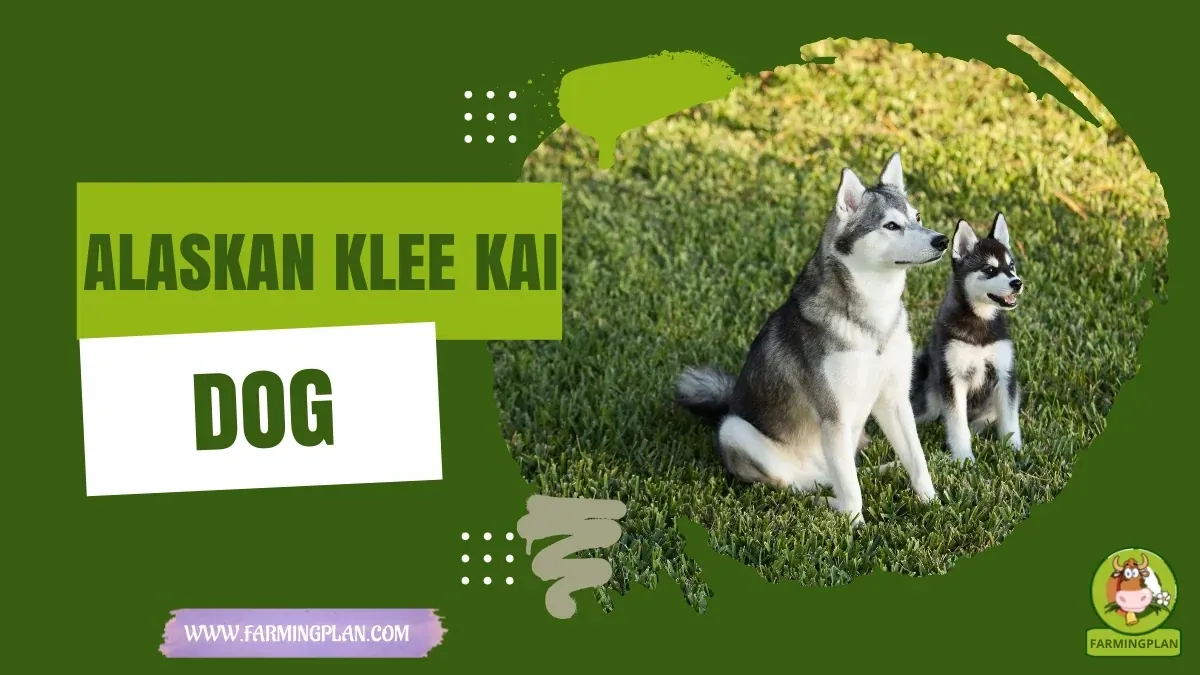
Physical Characteristics & Breed Standards
The Alaskan Klee Kai is a small, well-proportioned northern spitz dog possessing clean bone structure, a wedge-shaped head, and a plush double coat. The breed standard, maintained by the United Kennel Club (UKC) and the American Rare Breed Association (ARBA), recognizes three official size categories.
Size Categories, Facial Masking & Plumage Colors
The Toy variety stands up to 13 inches tall and weighs 10 to 13 pounds. The Miniature variety measures between 13 and 15 inches, weighing 13 to 17 pounds. The Standard variety stands between 15 and 17.5 inches, weighing 17 to 22 pounds. Any dog exceeding 17.5 inches is disqualified under official breed standards. Selecting healthy foundation stock is the cornerstone of successful Alaskan Klee Kai management.
Plumage coloration falls into three recognized patterns: Black & White, Grey & White, and Red & White. Every individual must possess a distinct, contrasting facial mask with dark spectacles or cap markings outlining almond-shaped eyes that can be icy blue, warm brown, amber, or heterochromatic (bi-eyed).
Tail carriage reflects classic spitz heritage. The tail is well-furred and curls gracefully over the spine in a loose or double ring curl, resting against the flank during alert stances. Dropped or tucked tails indicate timidity or structural faults.
⚡ Alaskan Klee Kai Official Size Classifications
| Variety Class | Height at the Withers | Typical Weight Range | Ideal Homestead Role |
|---|---|---|---|
| Toy Variety | Up to 13 inches (<33 cm) | 9 to 13 lbs (4.1 to 5.9 kg) | Indoor companion, alert house sentinel |
| Miniature Variety | Over 13 to 15 in (33 to 38 cm) | 13 to 17 lbs (5.9 to 7.7 kg) | Agility competitor, active farm companion |
| Standard Variety | Over 15 to 17.5 in (38 to 44 cm) | 17 to 22 lbs (7.7 to 10.0 kg) | Trail hiking partner, barn vermin patroller |
| Disqualification Limit | Over 17.5 in (>44.5 cm) | N/A | Disqualified from UKC conformation competition |
Breed History, Heritage & North American Development
During the early 1970s, breeder Linda Spurlin of Wasilla, Alaska acquired an unusually small Siberian Husky cross. Captivated by the dog’s beauty and miniature size, Spurlin partnered with fellow breeders to establish a dedicated breeding program aimed at creating a true miniature husky.
By blending small Alaskan and Siberian Huskies with the American Eskimo Dog (for small stature and coat plushness) and the Schipperke (for compact back length and alert intelligence), Spurlin fixed the breed’s genetics over two decades. She named the breed “Klee Kai,” an Inupiaq term translating to “little dog.”
The breed was released to the public in 1988 and gained official recognition from the United Kennel Club in 1997. Today, Alaskan Klee Kai enthusiasts maintain strict breeding registries to eliminate genetic defects while promoting sound working drive and friendly dispositions.
Unlike unregistered designer crosses, Spurlin maintained closed studbooks with rigorous culling of uncharacteristic temperaments. This strict discipline ensured the modern Klee Kai preserved high trainability, vocal communication, and hygienic self-grooming habits. Good predator-proofing and dry bedding safeguard Alaskan Klee Kai comfort in harsh weather.
Housing, Yard Enclosures & Climate Adaptation
While compact enough for farm dwellings and apartments, Alaskan Klee Kai dogs possess extraordinary athletic leaping skills. These agile spitz can clear standard 4-foot garden fences with ease, requiring carefully designed containment.
Fence Engineering & Cold Weather Tolerance
Enclose exercise yards with solid 5 to 6-foot perimeter fencing constructed from wood panels or heavy woven wire. Install bottom dig-barriers or concrete curbing along fence baselines, as their husky ancestry drives them to dig under perimeter barriers when pursuing rabbits or rodents.
Their insulating double coat allows them to enjoy crisp winter conditions down to 10°F during supervised outdoor activities. However, because of their smaller body mass compared to full-sized sled dogs, they should sleep indoors as cherished family house companions.
Summer management requires caution. While their double coat reflects radiant heat, their compact respiratory tract can overheat during humid southern weather. Always provide shaded patios, air-conditioned resting rooms, and fresh water basins during summer months.
Nutritional Requirements & Daily Feeding Rations
Alaskan Klee Kai have fast metabolic rates and require nutrient-dense, high-protein rations tailored to small, active breeds. Feeding poor-quality fillers or grain-heavy low-protein meals leads to dull coat texture and digestive sensitivity. Monitoring water quality and mineral balance directly benefits Alaskan Klee Kai vitality.
Crude Protein Benchmarks & Dental Health
Select commercial small-breed kibbles supplying 26% to 28% crude protein and 14% to 16% dietary fat. Adult Klee Kai consume 1 to 1.75 cups of kibble daily divided into two meals. Supplement meals with omega-3 fatty acids from wild Alaskan salmon oil to support skin and coat health. Compare feeding programs with our homestead working canine nutrition guide.
Because small-breed jaws feature crowded dentition, dental tartar buildup represents a common concern. Provide raw poultry necks, dehydrated beef tendons, and regular dental cleanings to preserve gingival health throughout adulthood.
Avoid overfeeding table scraps or high-fat treats. Due to their small stature, adding two pounds of surplus body fat places severe mechanical strain on stifle joints and increases the risk of patellar luxation.
Health Management, Genetic Screening & Veterinary Care
The Alaskan Klee Kai is generally a long-lived and robust breed. However, responsible breeders utilize genetic screening panels to test for hereditary conditions that occasionally impact the breed.
Screening Protocols & Factor VII Deficiency
A notable genetic concern is Factor VII deficiency, a mild to moderate inherited blood clotting disorder. Simple DNA testing allows ethical breeders to eliminate affected matings. Other screening priorities include patellar luxation, thyroiditis, juvenile cataracts, and persistent pupillary membranes (PPM).
Maintain standard vaccination schedules and regular fecal parasite examinations through the American Veterinary Medical Association to protect your companion across shared pasture areas. Practical hands-on husbandry ensures consistent results when raising Alaskan Klee Kai.
Retained deciduous teeth occur occasionally in Toy and Miniature varieties. Have your veterinarian inspect oral cavity development at 6 months of age during spay or neuter procedures, extracting any baby teeth that fail to shed naturally.
Grooming Protocols, Shedding & Temperament Conditioning
The Klee Kai coat is naturally clean and odorless, requiring no regular shaving or professional clipping. Shaving a double-coated spitz permanently damages hair follicle growth and impairs natural temperature regulation.
Seasonal Coat Blow & Social Conditioning
Expect significant shedding (“blowing coat”) twice annually during seasonal transitions. Use an undercoat rake and slicker brush two to three times weekly to remove dead underfur before matting occurs. Warm baths followed by high-velocity blow dryers speed up shedding cycles.
Klee Kai are naturally cautious around unfamiliar people. Begin positive socialization at 8 weeks, introducing puppies to diverse sounds, livestock, and friendly visitors to build confidence. Compare behavioral traits with our Australian Shepherd care guide.
Their high cognitive aptitude makes them stars in canine agility, rally obedience, and barn hunt competitions. Providing structured training games prevents the boredom-induced vocal whining and escape attempts common in unworked northern breeds. Early intervention at the first sign of lethargy protects overall Alaskan Klee Kai flock or herd health.
Leash training requires patience and consistent positive reinforcement. Due to strong prey drive toward squirrels, chipmunks, and poultry, a Klee Kai should never be walked off-leash in unfenced rural areas. Use secure martingale collars or front-clip harnesses that prevent backing out of restraints.
Mental enrichment puzzles satisfy their sharp problem-solving instincts. Scent work, food dispensing toys, and agility obstacle courses channel their busy energy into productive tasks, creating calm and well-mannered indoor companions during quiet evening hours.
US Ownership Budget & Annual Maintenance Costs
Because the Alaskan Klee Kai is a relatively rare breed requiring extensive health testing and careful breeding, puppy acquisition represents a premium investment. Ongoing food and care expenses, however, remain modest due to their compact body size.
⚡ Estimated Annual Budget & Maintenance Costs (USD)
| Expense Item | Estimated Annual Cost Range (USD) | Management Strategy |
|---|---|---|
| Health-Tested Purebred Puppy | $1,800.00 – $3,200.00 initial purchase | Acquire from UKC-registered breeders with OFA eye and patella clearances |
| Secure Yard Fencing & Crate | $600.00 – $1,400.00 setup | Install 5-foot smooth wire or privacy fencing with secure latches |
| Premium Small-Breed Kibble & Chews | $360.00 – $540.00 per year | Feed nutrient-dense formulas with whole meat proteins and salmon oil |
| Veterinary Care, Vaccines & Flea/Tick | $280.00 – $480.00 per year | Annual wellness exams, core boosters, and monthly parasite control |
| Grooming Rakes, Collars & Toys | $75.00 – $150.00 per year | Invest in stainless steel undercoat rakes and interactive puzzle toys |
| Agility & Obedience Classes | $120.00 – $250.00 per year | Enroll in local agility clubs to satisfy problem-solving athletic drives |
🐕 Alaskan Klee Kai Daily Calorie & Kibble Calculator
Calculate daily metabolizable energy (kcal/day), kibble cups, water, and monthly diet costs for your Alaskan Klee Kai.
Frequently Asked Questions (FAQ)
How big does an Alaskan Klee Kai get?
Depending on the variety, adult Alaskan Klee Kai stand between 10 and 17.5 inches tall at the shoulder and weigh between 10 and 22 pounds, with Toy, Miniature, and Standard classes recognized.
Do Alaskan Klee Kai shed a lot?
Yes, as double-coated northern spitz dogs, they shed moderately year-round and blow their undercoat heavily twice a year during spring and autumn seasonal coat transitions.
Are Alaskan Klee Kai good with young children?
They can be good family companions when raised alongside respectful children, but their sensitive northern temperament makes them best suited for older kids who understand gentle handling.
Do Alaskan Klee Kai bark frequently?
They rarely bark persistently like terriers, but they are highly vocal ‘talkers’ that produce expressive roos, chortles, and howls when greeting owners or seeking attention.
Can an Alaskan Klee Kai live outdoors full-time?
No, despite their insulating double coat, the Alaskan Klee Kai was developed as an indoor companion dog. They require close family companionship and should sleep indoors.
Expert Verdict & Next Steps
The Alaskan Klee Kai delivers the captivating beauty and independent spirit of Arctic sled dogs in an adaptable companion package. Their sharp intelligence and devotion make them rewarding partners for active owners who prioritize early socialization and interactive play.
Before purchasing a puppy, visit certified breeders to meet adult dogs and observe temperament firsthand. For larger guardian alternatives on working ranches, explore our analysis of the Aksaray Malaklisi livestock guardian.
📚Agricultural Reference & Scientific Citations
Standards and physiological data referenced in this guide comply with USDA Animal and Plant Health Inspection Service (APHIS), American Veterinary Medical Association (AVMA), and the FAO Domestic Animal Diversity Information System.


