

⚡ Zebra Danio Care at a Glance: Key Specifications & Benchmarks
| Scientific Taxonomy | Danio rerio (Cyprinidae Family) |
| Common Industry Names | Zebra Danio, Zebrafish, Striped Danio, Freshwater Zebra Fish |
| Adult Body Length | 1.5 – 2.0 inches (3.8 – 5.1 cm); streamlined torpedo body profile |
| Minimum Tank Volume | 10 gallons for small group; 20-gallon long strongly recommended for swimming sprints |
| Optimal Water Temperature | 64°F – 75°F (18°C – 24°C); temperate tolerance allows unheated home setups |
| Water Chemistry Targets | pH 6.5 – 7.5; General Hardness (GH) 5 – 12 dGH; KH 4 – 8 dKH |
| Minimum School Size | 6 to 8 individuals; schooling prevents territorial fin-nipping behavior |
| Dietary Classification | Omnivorous surface feeder (crushed flakes, micro-pellets, daphnia, brine shrimp) |
| Reproduction Mechanism | Egg scatterer; non-adhesive eggs fall into bottom vegetation, zero parental care |
| Average Domestic Lifespan | 3 – 5 years in clean, well-oxygenated aquatic environments |
The zebra danio stands out as one of the most rugged, active, and iconic freshwater fish in home aquaria. Native to the fast-flowing streams, paddy fields, and irrigation canals of eastern India, Pakistan, and Bangladesh, these miniature cyprinids are renowned for their bullet-fast swimming speed and metallic horizontal stripes. Their unmatched hardiness makes zebra danio care an ideal starting point for entry-level aquarists while remaining a staple model organism in global biomedical genetics. Gradual dietary transitions protect digestive stability in zebra danio care. Selecting healthy foundation stock is the cornerstone of successful zebra danio care management.
Successfully designing a long-term closed-loop aquatic enclosure requires a working command of biological cycling, surface oxygen exchange, and water turnover. Explore foundational engineering standards and ecosystem biology in our fish farming resource center to optimize aeration rates, filter turnover, and habitat layout. Good predator-proofing and dry bedding safeguard zebra danio care comfort in harsh weather.
Despite their exceptional tolerance for fluctuating conditions, zebra danios are high-metabolism schooling fish that deteriorate rapidly when confined to cramped bowls or stagnant water. Without adequate horizontal swimming runways, they can exhibit nervous aggression or fin-nipping toward slower tank companions. This comprehensive guide details aquarium setup, water parameters, nutrition, schooling psychology, and captive breeding protocols for Danio rerio. Monitoring water quality and mineral balance directly benefits zebra danio care vitality.
Physical Characteristics, Color Morphs & Genetic Varieties
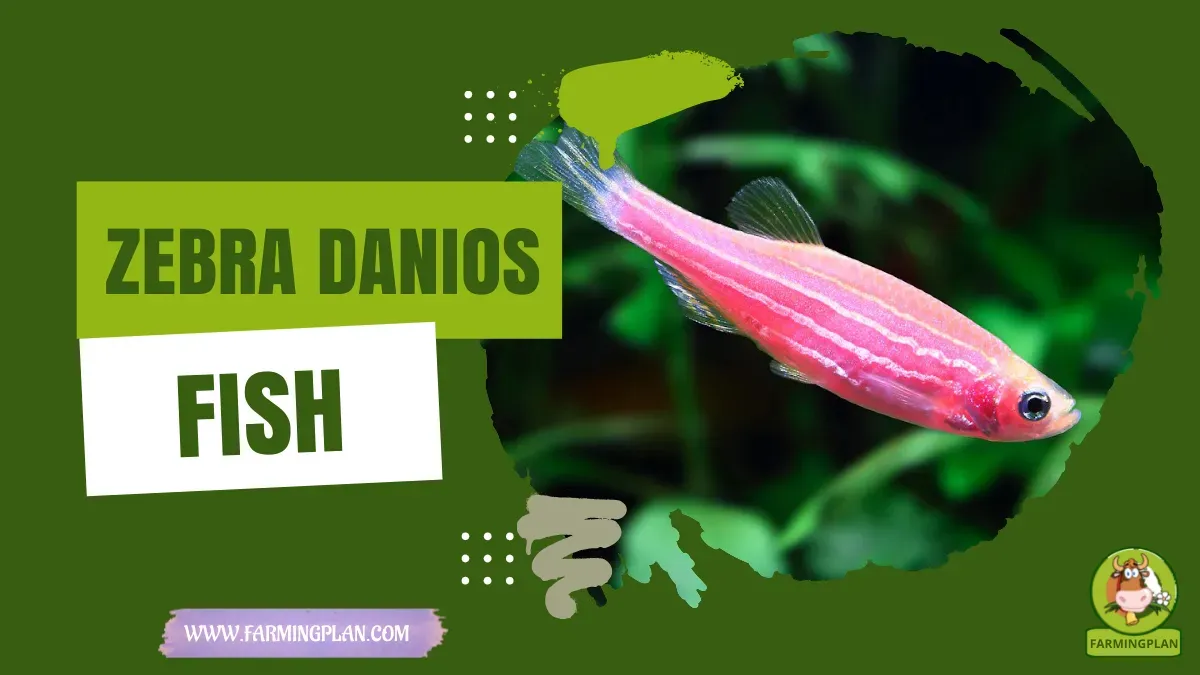
The anatomy of the zebra danio is built for hydrodynamic efficiency in moving currents. Their slender, laterally compressed bodies display five distinct, uniform, metallic blue horizontal stripes running from the gill covers straight through the caudal fin. Small, upward-pointing mouths enable them to skim fallen terrestrial insects and floating zooplankton directly from the water surface. Practical hands-on husbandry ensures consistent results when raising zebra danio care. Early intervention at the first sign of lethargy protects overall zebra danio care flock or herd health.
Captive Varieties and Morphological Distinctions
Commercial selective breeding has generated distinct physical variations of Danio rerio. Longfin zebra danios possess delicate, elongated finnage resembling silk ribbons, requiring lower water currents to prevent fin tearing. The Leopard danio—historically classified as a separate species (Danio frankei)—is genetically identical to the zebra danio but exhibits broken spotted patterning. In addition, trademarked fluorescent varieties (GloFish) carry natural green and red fluorescent protein genes derived from jellyfish and coral. Structured culling and biosecurity protocols strengthen zebra danio care genetic quality.
⚡ Zebra Danio Variety Comparison & Physical Benchmarks
| Variety Name | Visual Pattern & Fins | Swimming Capability | Recommended Tank Size |
|---|---|---|---|
| Standard Wild-Type | Five crisp metallic blue stripes; short compact fins | High velocity; excels in moderate-to-strong currents | 10 – 20+ gallons (Long profile) |
| Longfin Zebra Danio | Trailing lace-like caudal, anal, and dorsal finnage | Moderate; vulnerable to fin-nipping and filter intake | 20-gallon minimum with gentle flow |
| Leopard Danio (Spotted) | Gold-bronze background covered in dense dark rosettes | High velocity; vigorous schooling behavior | 10 – 20+ gallons |
| Golden Zebra Danio | Pale cream-yellow base with iridescent white striping | High velocity; bright contrast against dark backgrounds | 10 – 20+ gallons |
| Albino Zebra Danio | Translucent pearly pink body with red ocular pupils | Moderate; sensitive to intense overhead showroom lighting | 15 – 20 gallons with floating cover |
Natural Stream Ecology & The Biomedical Laboratory Revolution
In their wild South Asian habitats, zebra danios occupy shallow, slow-to-moderately flowing streams with silt or gravel substrates and overhanging vegetation. They experience seasonal monsoons that flood adjacent plains, triggering massive spawning events in nutrient-rich shallows. This evolutionary background endowed them with broad temperature tolerance and remarkable cellular adaptability. Maintaining clean feeders and sanitized equipment supports sustainable zebra danio care care.
Beyond the aquarium trade, Danio rerio serves as one of science’s most critical vertebrate model organisms. Their embryos are completely transparent and develop outside the mother within 72 hours, allowing developmental biologists to observe cellular division in real time. In addition, zebra danios share over 70% of their protein-coding genes with humans and possess the extraordinary ability to regenerate heart muscle, retinas, and spinal cords—making them invaluable to regenerative medicine. Consistent daily observation helps keepers spot early changes in zebra danio care health and behavior.
Tank Architecture, Flow Dynamics & Temperate Water Standards
When setting up an enclosure for zebra danios, tank length matters far more than tank height. A 20-gallon long aquarium (30 inches wide) provides the horizontal swimming distance these hyperactive fish require. Confining them to tall hexagon or cube tanks restricts sprint corridors and induces behavioral stress. A tight canopy is essential, as these surface-oriented fish are notorious jumpers when startled. Clean housing, fresh water, and balanced nutrition remain essential for zebra danio care productivity. Tracking feed intake and body condition supports long-term zebra danio care performance.
One of the greatest husbandry advantages of zebra danios is their temperate thermal range. While tropical community fish require constant heaters set to 78°F, zebra danios thrive between 64°F and 75°F (18°C to 24°C). In standard climate-controlled homes, they can be housed in unheated aquariums, saving electricity and eliminating heater failure risks. However, if ambient room temperatures fall below 62°F in winter, install a modest heater set to 68°F. Following biosecurity best practices reduces disease risk in any zebra danio care operation.
Water chemistry should remain between pH 6.5 and 7.5 with general hardness from 5 to 12 dGH. Danio species love moderate water current. Utilize a hang-on-back power filter or a small powerhead to generate directional flow across the upper third of the tank. Furnish the perimeter with hearty plants like Vallisneria, Java fern, and Cryptocoryne, leaving the center completely open for unhindered schooling sprints. Seasonal adjustments to shelter and diet keep zebra danio care thriving year-round.
Nutritional Protocols, Surface Feeding & Micro-Rations
Zebra danios possess an energetic metabolism driven by constant locomotion. Because they burn calories quickly, they require two to three small, nutrient-dense feedings each day. As dedicated surface feeders, food that sinks rapidly to the substrate is often ignored and left to decompose. Compare nutritional strategies with our guide on cherry barb feeding and planted care to tailor rations for active cyprinids. Proper record-keeping makes breeding and culling decisions easier for zebra danio care keepers.
Offer high-quality floating tropical flakes crushed to fit their small mouths, paired with slowly sinking micro-pellets. Supplement three times weekly with live or frozen daphnia, baby brine shrimp, cyclops, and finely minced bloodworms. Incorporating small amounts of spirulina or chlorella flakes supports immune health and preserves the vivid metallic luster of their stripes. Providing adequate space and ventilation prevents common stress issues in zebra danio care. Understanding breed-specific traits helps maximize zebra danio care longevity and output.
- High-Protein Flake Rations: Primary maintenance diet fortified with stabilized vitamins and carotenoids for color enhancement.
- Live / Frozen Daphnia: Superb natural roughage that stimulates hunting instincts while preventing swim bladder constipation.
- Freshly Hatched Brine Shrimp: Nutrient-dense conditioning food given to breeding colonies to induce heavy egg production.
- Micro-Granules (0.5 mm): Slow-sinking pellets that allow mid-water fish in community tanks to feed peacefully alongside danios.
Disease Resistance, Veterinary Care & Biosecurity Standards
Zebra danios are exceptionally disease-resistant, but poor hygiene or overcrowding can trigger clinical vulnerabilities. The most notorious ailment affecting cyprinids is Fish Tuberculosis (Mycobacteriosis), caused by Mycobacterium marinum. Symptoms include progressive emaciation, spinal curvature, loss of appetite, and lethargy. Because mycobacteria are zoonotic and can cause skin granulomas in humans, handle infected tanks with aquatic gloves. Routine preventive care saves time and lowers veterinary costs for zebra danio care.
Another common condition is Velvet disease (Piscinoodinium pillulare), a microscopic dinoflagellate parasite that produces a fine, gold-dust dusting across the skin. Treat immediately by dimming lights, elevating water temperature, and administering copper sulfate or malachite green. For veterinary biosecurity standards and diagnostic resources in small closed systems, consult the USDA APHIS Aquaculture Health Center. Matching forage or ration quality to life stage optimizes zebra danio care growth.
Quarantine all new arrivals in a dedicated 5-to-10-gallon observation tank for at least three weeks. Administer prophylactic antiparasitic baths if wild-caught or commercial batch-shipped stock exhibits fin flicking or rapid opercular breathing. Gradual dietary transitions protect digestive stability in zebra danio care.
Breeding Mechanics, Marble Traps & Egg-Scatterer Propagation
Zebra danios are prolific, photoperiodic egg scatterers that spawn enthusiastically at daybreak. However, both parents are voracious egg predators that will devour their entire clutch within minutes of release. Successful breeding requires setting up a dedicated spawning tank with an egg-protection barrier. Selecting healthy foundation stock is the cornerstone of successful zebra danio care management. Good predator-proofing and dry bedding safeguard zebra danio care comfort in harsh weather.
Prepare a 5-to-10-gallon breeding aquarium with 4 to 6 inches of shallow water. Cover the entire base with two layers of clean glass marbles or plastic craft mesh with 1/8-inch openings. Non-adhesive eggs dropped by the female fall between the marbles, out of reach of the hungry adult fish. Contrast breeding systems with our detailed guide on platy fish livebearer reproduction to understand egg-laying versus live-bearing nursery dynamics. Monitoring water quality and mineral balance directly benefits zebra danio care vitality.
Condition two males and one plump female separately on live blackworms and brine shrimp for one week before pairing them in the spawning tank at dusk. As the morning sun or aquarium lights illuminate the tank, the males will chase the female vigorously, coaxing out 200 to 500 clear eggs. Remove the parent fish immediately after spawning concludes. Eggs hatch in 48 hours at 74°F; feed microscopic infusoria and liquid fry food for the first week before introducing baby brine shrimp. Practical hands-on husbandry ensures consistent results when raising zebra danio care.
US Ownership Budget & Annual Maintenance Costs
Setting up and maintaining a thriving zebra danio school is remarkably budget-friendly. Because they tolerate unheated indoor setups, their electrical consumption is among the lowest of any aquarium fish. Below is an itemized breakdown of expenses for a 20-gallon long setup in the United States. Early intervention at the first sign of lethargy protects overall zebra danio care flock or herd health.
⚡ Estimated Annual Zebra Danio Aquarium Budget (USD)
| Expense Category | Hardware & Husbandry Schedule | Initial Startup Cost | Annual Maintenance Cost |
|---|---|---|---|
| Aquarium & Tight Glass Canopy | 20-gallon long glass aquarium with sliding glass top | $55 – $95 | $0 (Equipment capital) |
| Power Filter & Sponge Pre-Filter | Hang-on-back filter rated for 100–150 GPH turnover | $25 – $45 | $15 – $25 (Filter media replacement) |
| Substrate & Plantings | Natural river gravel + Java fern and Vallisneria | $30 – $50 | $10 – $15 |
| Initial Danio Schooling Stock | 8 purebred zebra danios ($2.00 – $3.50 each) | $16 – $28 | $0 (Sustained captive stock) |
| Commercial Feed & Frozen Supplements | Flake rations, micro-pellets, frozen daphnia & brine shrimp | $15 – $22 | $25 – $40 |
| Conditioner & Water Testing | Tap water dechlorinator + master liquid test kit | $25 – $40 | $15 – $25 |
| Electrical Consumption | Filter motor & LED lighting (unheated: approx. 60 kWh/yr) | $0 | $10 – $18 |
| Total System Projections | 20-gallon high-velocity temperate danio setup | $166 – $280 | $75 – $123 / year |
🐟 Zebra Danio Tank & Feed Calculator
Calculate water volume, minimum filtration capacity, water changes, and daily feed amounts for your Zebra Danio.
Frequently Asked Questions (FAQ)
What water temperature is best for zebra danio care?
Zebra danios thrive between 64u00b0F and 75u00b0F (18u00b0C to 24u00b0C). Because they tolerate cool temperate water, they do not require an aquarium heater in standard climate-controlled homes, making them ideal for unheated setups.
How many zebra danios should you keep together?
Keep a minimum of six to eight zebra danios together. They are obligate schooling fish; keeping them in smaller numbers causes social anxiety, chronic stress, and defensive fin-nipping toward other community tank mates.
Can zebra danios live with slow-swimming fish like bettas?
Housing zebra danios with long-finned or slow fish like male bettas is not recommended. The hyperactive swimming speed and potential fin-nipping of danios can stress slower fish, and bettas require warmer water temperatures.
What tank size is required for zebra danios?
A 10-gallon tank is the minimum size for a small school, but a 20-gallon long aquarium is strongly recommended. The extra horizontal length provides essential sprint corridors for these high-velocity swimmers.
Why do zebra danios jump out of aquariums?
Zebra danios are surface-oriented fish that feed on flying insects in the wild. During feeding excitement or startling events, they will leap out of open tanks. Always secure the aquarium with a tight-fitting glass lid.
How do zebra danios reproduce in captivity?
Zebra danios are egg scatterers that spawn in morning light, releasing hundreds of non-adhesive eggs over plants or gravel. Because adult danios eat their own eggs, breeders use marble beds to allow eggs to fall safely out of reach.
Expert Summary & Community Aquarium Stewardship
The zebra danio is an enduring triumph of the freshwater hobby. Combining unmatched biological hardiness, dynamic schooling choreography, and accessible breeding mechanics, this spirited fish enlivens any temperate aquarium. By providing generous horizontal swimming space, cool clean water, and a tight canopy, keepers ensure their schools remain vibrant and healthy for years. Structured culling and biosecurity protocols strengthen zebra danio care genetic quality. Maintaining clean feeders and sanitized equipment supports sustainable zebra danio care care.
To expand your technical knowledge across commercial holding systems, review our architectural breakdown of farm pond and aquaculture management to evaluate aeration dynamics, carrying capacity, and nutrient cycles. Consistent daily observation helps keepers spot early changes in zebra danio care health and behavior.
Expert Verdict & Next Steps for Zebra Danio Keepers
Successful management of Zebra Danio hinges on rigorous adherence to species-specific housing dimensions, precision daily nutrition, and proactive biosecurity protocols. Whether you are managing commercial production or establishing a self-sufficient homestead breeding flock, maintaining disciplined husbandry standards ensures long-term vitality, exceptional output yields, and sustainable enterprise profitability. Clean housing, fresh water, and balanced nutrition remain essential for zebra danio care productivity.
By pairing predator-proof shelter infrastructure with high-quality rations and regular veterinary wellness monitoring, growers can confidently optimize productive longevity across all life stages. For comprehensive operational management blueprints and companion breed guides, explore our complete technical library in Farming Plan Agricultural Guides. Tracking feed intake and body condition supports long-term zebra danio care performance.
📚Agricultural Reference & Scientific Citations
Standards and physiological data referenced in this guide comply with USDA Animal and Plant Health Inspection Service (APHIS), American Veterinary Medical Association (AVMA), and the FAO Domestic Animal Diversity Information System.


