

⚡ Rinderpest at a Glance: Key Specifications & Production Benchmarks
| Scientific Classification | Rinderpest morbillivirus |
| Breed Category / Type | Transboundary Viral Pathogen (Global Eradication 2011) |
| Target Species | Cattle, water buffalo, yaks, sheep, goats, swine, and wild cloven-hoofed ruminants |
| Transmission Pathway | Direct aerosol contact, contaminated water, saliva, eye discharges, and manure |
| Historical Case Mortality | Approached 100% in naive cattle populations during epidemic outbreaks |
| Typical Incubation Period | 3 to 15 days following viral exposure |
| Primary Clinical Signs | Fever, necrotic mouth lesions, profuse bloody diarrhea, dehydration, and death |
| Official Eradication Date | Officially declared globally eradicated by the FAO and OIE/WOAH in June 2011 |
The global agricultural campaign against Rinderpest stands as one of the most significant achievements in modern veterinary medicine. For centuries, this devastating pathogen decimated cloven-hoofed herds, ruined pastoral economies, and triggered widespread famine across Europe, Asia, and Africa before targeted eradication efforts permanently altered livestock disease control. Consistent daily observation helps keepers spot early changes in Rinderpest health and behavior.
Modern farm operators studying herd protection through our comprehensive cattle herd biosecurity manual recognize that historic viral outbreaks established today’s rigorous border biosecurity standards. Examining how this catastrophic plague spread, manifested clinically, and met total elimination provides essential knowledge for preventing modern transboundary animal disease outbreaks.
Understanding veterinary epidemiology requires rigorous analysis of transmission vectors, environmental persistence, and tissue pathology. By examining the biological mechanisms of historical pathogens, livestock managers strengthen routine farm quarantine protocols and protect North American herds from foreign animal threats.
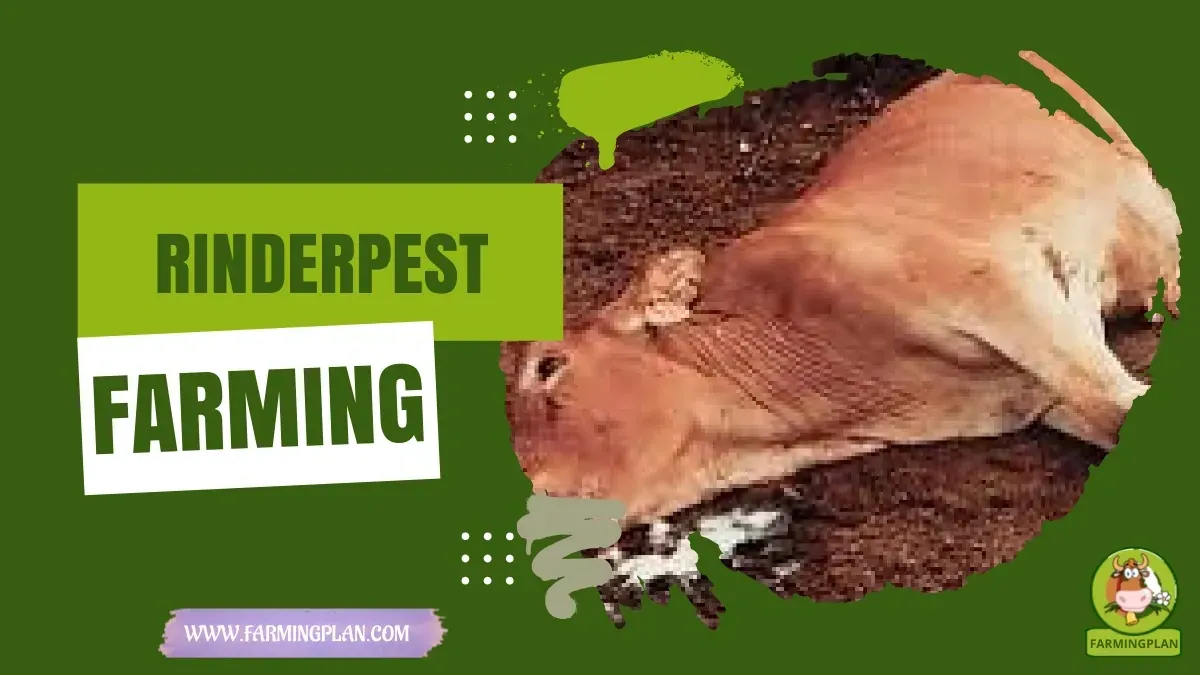
Viral Morphology, Pathology & Clinical Characteristics
The virus responsible for Rinderpest is an enveloped, negative-sense single-stranded RNA agent classified within the genus Morbillivirus. It shares direct genetic homology with human measles and canine distemper viruses. Its viral envelope contains hemagglutinin and fusion glycoproteins that mediate rapid attachment to host cell receptors.
Structural Conformation & Skeletal Frame
Upon entering lymphoid tissues, the pathogen rapidly replicates, inducing severe leukopenia and immunosuppression. Infected animals exhibit distinctive necrotic erosions throughout the oral cavity, tongue, and dental pad, followed by catastrophic hemorrhagic enteritis throughout the abomasum and intestinal tract. Clean housing, fresh water, and balanced nutrition remain essential for Rinderpest productivity.
Clinical differentiation from Bovine Viral Diarrhea (BVD), Malignant Catarrhal Fever (MCF), and Foot-and-Mouth Disease (FMD) is critical during initial veterinary triage. While FMD produces vesicular blisters on the feet and snout, this pathogen induces severe non-vesicular mucosal sloughing, pungent breath odor, and dehydration.
Breed Evaluation & Functional Standards
Post-mortem pathology consistently reveals pathognomonic longitudinal striations of congestion and hemorrhage along the mucosal folds of the cecum, colon, and rectum. These characteristic ‘zebra stripes’ result from extensive microvascular thrombosis and mucosal necrosis.
⚡ Rinderpest Pathological & Diagnostic Matrix
| Diagnostic Parameter | Clinical Benchmark | Operational Field Significance |
|---|---|---|
| Causative Agent | Morbillivirus (Paramyxoviridae) | Enveloped negative-sense single-stranded RNA virus |
| Tissue Affinity | Lymphoid tissue & gastrointestinal mucosa | Rapid destruction of mucosal epithelial lining |
| Thermal Inactivation | Destroyed at 133°F (56°C) in 60 minutes | Sensitive to sunlight, warmth, and common disinfectants |
| Primary Lesions | Oral ulcerations & bloody enteritis | Pathognomonic zebra-stripe markings in large intestine |
| Diagnostic Standard | RT-PCR & antigen-capture ELISA | Rapid differentiation from BVDV and MCF |
Historical Impact, Epidemic Waves & Global Eradication
Originated in Central Asia; swept across Europe and Africa for centuries, causing catastrophic cattle plagues and human famines; eradicated through international vaccine campaigns.
During the late 19th century, an imported wave of the virus swept across sub-Saharan Africa, killing over 90 percent of native cattle herds and wild buffalo. The ensuing famine decimated human populations and restructured pastoralist communities across entire regions. Tracking feed intake and body condition supports long-term Rinderpest performance.
The turning point arrived in the mid-20th century with Walter Plowright’s development of a safe, effective tissue culture rinderpest vaccine (TCRV). Coordinated by international agricultural coalitions, extensive vaccination campaigns successfully wiped out remaining viral reservoirs.
The historic success of this international veterinary milestone proves the power of unified epidemiological mapping and synchronized vaccination programs. By eliminating natural hosts and controlling live animal movements across frontiers, global animal health authorities eradicated a lethal livestock scourge.
Containment Infrastructure & Physical Biosecurity Fencing
Preventing contagious livestock pathogen transmission requires dedicated perimeter infrastructure designed to halt wildlife interaction and stray livestock ingress. Double-fenced pasture boundaries with an eight-foot buffer zone eliminate nose-to-nose contact across fence lines.
Quarantine holding pens should feature solid concrete or packed gravel flooring sloped toward sealed drainage lagoons. Disinfection footbaths filled with broad-spectrum phenolic or peracetic acid compounds must guard every personnel entry point. Following biosecurity best practices reduces disease risk in any Rinderpest operation.
Fencing Standards & Spatial Density
Enclosed barn isolation units require positive-pressure HEPA air filtration and dedicated equipment that never crosses into general herd areas. Proper infrastructure prevents mechanical pathogen carriage via footwear or farm implements.
Barn humidity control is equally vital in disease management facilities. Maintaining continuous mechanical airflow that keeps interior relative humidity below 65 percent discourages aerosol pathogen droplet suspension and protects stock respiratory membranes.
Seasonal Mud & Winter Run Protocols
Sanitation schedules must mandate high-pressure washing with hot water followed by applied disinfectants rated for viral pathogens. Concrete stall seams, feeding troughs, and automatic waterers demand thorough scrubbing between isolation animal groups.
Nutritional Immunology, Rations & Metabolic Support
Maintaining robust immune defenses against systemic pathogens requires balanced nutrition. Formulate daily diets following our cattle disease prevention and quarantine protocols to support active white blood cell proliferation and epithelial mucosal barrier repair. Seasonal adjustments to shelter and diet keep Rinderpest thriving year-round.
Zinc and selenium play indispensable enzymatic roles in mucosal healing and antioxidant defense. Ensure rations deliver bioavailable zinc methionine and organic selenium yeast at 0.3 ppm to sustain natural antibodies.
Crude Protein & Dry Matter Formulations
Dehydration rapidly accelerates mortality during enteritis outbreaks. Supplying balanced oral rehydration salts containing sodium chloride, potassium chloride, and sodium bicarbonate preserves cellular electrolyte balance and prevents metabolic acidosis.
High-energy water-soluble vitamins, particularly B-complex and ascorbic acid, aid cellular repair in recovering ruminants. Supplying parenteral vitamin injections overcomes acute intestinal malabsorption caused by damaged villi.
Trace Minerals & Hydration Parameters
Rumen microbial populations collapse rapidly during systemic viral fever. Gradually reintroducing highly digestible alfalfa leaf meal and probiotic yeast cultures restores cellulose fermentation without inducing secondary ruminal acidosis. Proper record-keeping makes breeding and culling decisions easier for Rinderpest keepers.
Health Management, Common Diseases & Biosecurity Standards
Proactive herd wellness protocols significantly reduce mortality and vet expenditures. Establish strict quarantine protocols that isolate newly arriving livestock in a dedicated pen for at least 30 days before integration into existing pasture groups.
Routine veterinary monitoring should follow established national guidelines, such as the USDA APHIS Transboundary Animal Disease Biosecurity. Maintaining standardized vaccination records, implementing strategic anthelmintic rotations based on fecal egg counts, and testing water quality prevent chronic parasitic infestation.
Biosecurity protocols must restrict farm visitor access, disinfect footwear at barn thresholds, and isolate sick stock immediately upon early clinical symptoms like lethargy or nasal discharge. Prompt veterinary diagnosis and targeted intervention prevent isolated conditions from escalating into herd-wide health challenges. Breeders interested in comparing housing, diet, and productivity traits should see our Fjall Cattle husbandry guide.
Parasite Surveillance & Anthelmintic Management
Internal parasites represent the most persistent subclinical production drain in pasture-based livestock. Utilizing targeted selective treatment (FAMACHA scoring or body condition indexing) ensures dewormers are applied only to animals harboring high parasite burdens, preserving anthelmintic drug efficacy. Providing adequate space and ventilation prevents common stress issues in Rinderpest.
Rotational grazing acts as an effective non-chemical parasite barrier. Moving animals to fresh pasture paddocks before grass is grazed below 4 inches prevents stock from ingesting infective L3 larvae concentrated near soil level.
Reproductive Biosecurity, Semen Screening & Herd Replacements
Pathogen transmission via reproductive fluids represents a critical vector for systemic infections. Compare genetic resilience strategies with our bovine breed genetics and disease resilience guide to evaluate safe replacement stock integration.
All donor semen and embryo collection centers must hold negative diagnostic certifications for transboundary viral pathogens prior to commercial distribution. Liquid nitrogen storage units require continuous sanitary auditing.
Mating Protocols & Conception Benchmarks
Breeding herds should undergo routine serological testing prior to annual mating windows. Preventing reproductive tract infections safeguards calf conception rates and prevents devastating prenatal losses across breeding females. Understanding breed-specific traits helps maximize Rinderpest longevity and output.
Artificial insemination (AI) drastically reduces pathogen transmission compared to natural service bulls. Utilizing certified disease-free straws guarantees that venereal pathogens never enter closed breeding herds.
Neonatal Care & Weaning Milestones
Strict replacement heifer quarantine mandates a 60-day isolation period with paired serological titers to confirm negative status for persistent viral shedding before entering breeding pastures.
US Ownership Budget & Annual Maintenance Costs
Developing an accurate operational budget is essential for sustainable livestock operations. While initial capital investment covers breeding stock, boundary fencing, and shelter infrastructure, recurring expenses primarily involve winter hay, mineral rations, and preventative veterinary care.
Itemizing annual costs in clear budget categories prevents unexpected financial shortfalls. Establishing bulk purchasing agreements with local hay producers and maintaining basic on-farm veterinary equipment lowers per-head maintenance overhead significantly. Routine preventive care saves time and lowers veterinary costs for Rinderpest.
⚡ Estimated Annual Budget & Maintenance Costs (USD)
| Expense Category | Estimated Range (Per Head/Year) | Operational Management Notes |
|---|---|---|
| Purchased Forage & Hay | $180 – $380 | High-quality grass-legume hay for winter feeding months |
| Concentrates & Mineral Packs | $85 – $190 | Formulated protein supplements, trace minerals, and free-choice salt |
| Veterinary Care & Vaccines | $45 – $95 | Annual core vaccinations, fecal parasite exams, and emergency buffer |
| Bedding & Barn Supplies | $40 – $80 | Dry wood shavings, clean straw, and sanitation supplies |
| Fencing & Facility Upkeep | $35 – $75 | Routine fence line repairs, water trough heaters, and gate latches |
| Total Annual Operating Cost | $385 – $820 | Average annual maintenance range excluding initial capital purchase |
Tracking revenue generated from live breeding stock sales, meat shares, fleece harvests, or milk products balances out annual overhead. Producers that maintain strict financial records and implement seasonal cost controls achieve dependable livestock profitability.
🐄 Rinderpest Daily Forage & Bale Calculator
Calculate daily dry matter forage, winter round bale consumption, pasture allocation, and water requirements for Rinderpest cattle.
Frequently Asked Questions (FAQ)
What was Rinderpest and why was it so devastating to livestock?
Rinderpest, also known as ‘cattle plague’, was a lethal viral morbillivirus that infected cattle and ruminants. With mortality rates nearing 100 percent in naive herds, it triggered catastrophic livestock losses and widespread human famines.
When and how was Rinderpest officially eradicated from the world?
In June 2011, the Food and Agriculture Organization (FAO) and the World Organisation for Animal Health (WOAH) officially declared Rinderpest eradicated globally, accomplished through Walter Plowright’s tissue culture vaccine (TCRV).
Is Rinderpest related to the human measles virus?
Yes, Rinderpest belongs to the Morbillivirus genus and is the evolutionary ancestor of the human measles virus, canine distemper virus, and peste des petits ruminants (PPR) virus in sheep and goats.
Could Rinderpest ever re-emerge in global cattle populations?
While wild strains are eradicated, limited seed stocks are kept under high-security confinement in approved laboratories. Strict international oversight by FAO and WOAH prevents accidental release or biological weaponization.
What ongoing biosecurity lessons did agriculture learn from Rinderpest?
The eradication proved the necessity of rapid global diagnostic reporting, border quarantine inspections, mass prophylactic vaccination, and international cooperation across veterinary agencies.
Expert Verdict & Next Steps
The Rinderpest represents a premier agricultural asset that balances production yield, environmental adaptability, and reliable livestock returns. By adhering to structured management protocols and integrating best practices from our ruminant nutrition and immune support manual, producers establish healthy, profitable farm enterprises.
Careful pasture rotation, balanced dry matter nutrition, and strict preventative biosecurity ensure long-term flock vitality. Investing in quality breeding stock and maintaining clean shelter infrastructure provides reliable agricultural dividends across every season.
Strategic Seasonal Management Checklist
Establish a calendar-based management routine that aligns herd vaccinations, pasture turnouts, and breeding cycles with regional weather patterns. Regularly updating farm records and auditing feed conversion efficiency protects flock health and maintains agricultural returns.
📚Agricultural Reference & Scientific Citations
Standards and physiological data referenced in this guide comply with USDA Animal and Plant Health Inspection Service (APHIS), American Veterinary Medical Association (AVMA), and the FAO Domestic Animal Diversity Information System.


