

⚡ Cattle Breeds at a Glance: Key Functional Classes & Benchmarks
| Global Taxonomic Divisions | Bos taurus (humpless European/British temperate cattle) and Bos indicus (humped zebu tropical cattle) |
| Commercial Beef Benchmarks | Finished live weights of 1,250 to 1,450 lbs (567–658 kg) reached at 14 to 18 months of age |
| Dairy Fluid Volume Standard | Holstein Friesian cows average 25,000 to 28,000 lbs (11,300–12,700 kg) of milk per 305-day lactation |
| Dairy Butterfat & Solids Leader | Jersey cattle lead commercial dairies with 4.8% to 5.2% butterfat and 3.8% milk protein |
| Mature Bull Weight Spectrum | Ranging from compact Dexter bulls (1,000 lbs) to massive Charolais or Chianina sires (2,600–3,000 lbs) |
| Standard Gestation Period | 283 days (approximately 9 months, 9 days); targeting a strict 365-day calving interval |
| Tropical Hardiness Trait | Brahman crosses (such as Brangus and Beefmaster) provide natural tick, parasite, and heat tolerance |
| Core Operational Revenue | Weaned feeder calves ($1,200–$1,800), finished locker beef, replacement heifers, milk components |
Selecting the foundation cattle breed is the single most defining capital investment in bovine agriculture. Domestic cattle (Bos taurus and Bos indicus) have been selectively honed over millennia into specialized genetic populations, spanning muscular beef seedstock, high-volume dairy producers, and versatile dual-purpose homestead cattle. Choosing the right breed dictates your feed conversion efficiency, calving ease, and market carcass value. Following biosecurity best practices reduces disease risk in any cattle breeds operation.
Matching cattle genetics against your regional climate, forage availability, and marketing channels determines operational margins. Whether managing high-density rotational grazing or arid rangeland, connecting your enterprise through our comprehensive cattle farming guide provides producers with field-tested herd management protocols and handling facility designs. Seasonal adjustments to shelter and diet keep cattle breeds thriving year-round.
Ranchers frequently suffer financial losses by importing delicate continental beef breeds into hot, humid pastures or running high-intake dairy cattle on low-protein native range. Succeeding in commercial cattle production requires understanding frame scores, hybrid vigor (heterosis), and breed-specific nutritional demands. This comprehensive reference categorizes commercial cattle breeds by production focus, carcass traits, milk solids, and maternal hardiness. Proper record-keeping makes breeding and culling decisions easier for cattle breeds keepers.
Bovine Taxonomy & Functional Selection Matrix
Modern cattle breeds fall into four distinct operational categories: British beef breeds (moderate frame, high marbling), Continental beef breeds (large frame, heavy lean muscling), commercial dairy breeds (high volume and butterfat solids), and dual-purpose or miniature cattle (homestead versatility). Specific herd nutrition guidelines are detailed in our cattle feeding guide. Providing adequate space and ventilation prevents common stress issues in cattle breeds.
📊 Major Commercial Cattle Breed Comparison Matrix
| Breed Name | Primary Function | Mature Cow Weight | Frame Size & Origin | Key Commercial Trait Highlights |
|---|---|---|---|---|
| Black Angus | Commercial Beef (British) | 1,200 – 1,400 lbs | Moderate / Scotland | Premier carcass marbling; high consumer demand; polled heads |
| Hereford | Commercial Beef (British) | 1,200 – 1,450 lbs | Moderate / England | Docile temperament; exceptional foraging ability; white-face hybrid vigor |
| Charolais | Terminal Beef (Continental) | 1,600 – 1,900 lbs | Large / France | Rapid daily gain; heavy muscled carcass; high feedlot conversion |
| Holstein Friesian | Commercial Fluid Dairy | 1,400 – 1,600 lbs | Large / Netherlands | Unrivaled fluid milk volume; 3.6% butterfat; global dairy standard |
| Jersey | High-Solids Dairy | 900 – 1,100 lbs | Compact / Channel Islands | Rich 5.0% butterfat; superior cheese yield; low maintenance intake |
| Simmental | Dual-Purpose / Terminal Beef | 1,450 – 1,750 lbs | Large / Switzerland | High lactation for beef dams; heavy weaning weights; rapid growth |
| Dexter | Homestead Dual-Purpose | 700 – 900 lbs | Miniature / Ireland | Thrifty feed conversion; manageable scale; dual milk and beef |
Premier Commercial Beef Breeds: British & Continental Lines
Commercial beef production combines British maternal lines with heavy Continental terminal sires. British breeds mature early, deposit intramuscular marbling easily on forage, and display gentle temperaments. Continental breeds contribute explosive frame growth, heavy bone mass, and high dressing yields. Understanding breed-specific traits helps maximize cattle breeds longevity and output.
Black Angus: The Marbling Standard
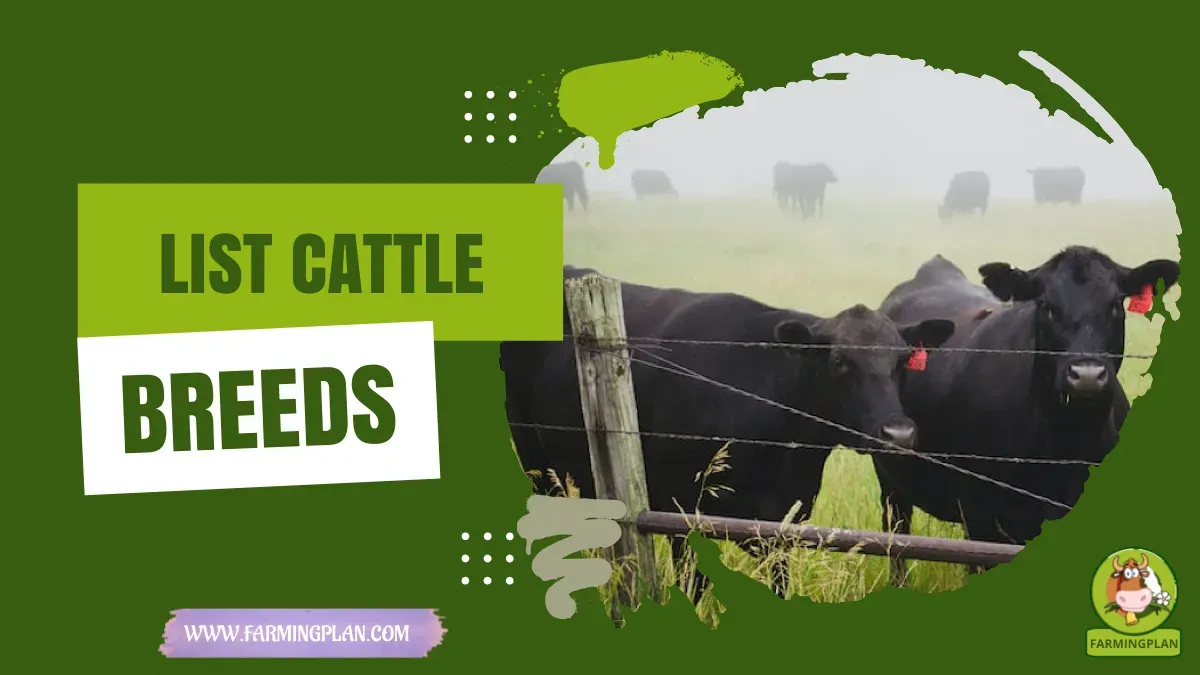
The Angus cattle breed is the commercial foundation of North American beef. Known for their polled (hornless) black coats, Angus cows exhibit high fertility, easy calving, and excellent maternal instincts. Their meat consistently achieves USDA Choice and Prime grades due to superior intramuscular marbling, earning producers substantial price premiums through Certified Angus Beef (CAB) brand programs. Routine preventive care saves time and lowers veterinary costs for cattle breeds.
Hereford & The Black Baldy
Originating in England, Hereford cattle are celebrated for their red bodies, white faces, docility, and rugged range hardiness. Herefords thrive on sparse forage where other breeds lose body condition. Crossing Hereford bulls on Black Angus cows produces the legendary “Black Baldy” F1 commercial cross, which delivers outstanding hybrid vigor, maternal longevity, and fast feedlot gains. Matching forage or ration quality to life stage optimizes cattle breeds growth.
Charolais: Heavyweight Terminal Muscle
The cream-white Charolais cattle from France represent the premier terminal sire breed. Charolais bulls add 50 to 80 pounds to weaning weights when bred to commercial Angus or Hereford dams, producing feeder calves that finish with lean, heavy-yielding carcasses on high-energy grain rations. Gradual dietary transitions protect digestive stability in cattle breeds.
Commercial Dairy Breeds: Fluid Milk vs. Component Solids
Commercial dairy farming requires matching cow genetics against milk processor payment formulas. Dairies selling into fluid milk bottling markets prioritize volume, while operations marketing to cheese and butter processors prioritize total solids (protein and butterfat). Selecting healthy foundation stock is the cornerstone of successful cattle breeds management.
Holstein Friesian: The Volume Powerhouse
The black-and-white Holstein Friesian produces more fluid milk per lactation than any other bovine breed, routinely surpassing 26,000 lbs (3,000 gallons) annually. Holsteins convert high-concentrate total mixed rations (TMR) into fluid output with exceptional biological efficiency, dominating large commercial drylot dairies. Good predator-proofing and dry bedding safeguard cattle breeds comfort in harsh weather.
Jersey: The Component & Cheese Leader
The fawn-colored Jersey cattle breed is smaller in frame (900–1,000 lbs) but produces milk with the highest concentration of butterfat (4.8%–5.2%) and protein (3.8%) in commercial dairying. Jerseys consume 20% to 25% less feed per unit of body weight than Holsteins, exhibit lower calving difficulty, and generate superior cheese yields per hundredweight of milk. Smallholders comparing closely related stock can also review our detailed Deer Feed guide. Monitoring water quality and mineral balance directly benefits cattle breeds vitality.
Dual-Purpose, Heritage & Small-Acreage Breeds
Smallholders and regenerative ranchers often prioritize manageable scale, thriftiness, and multi-purpose output over single-trait commercial specialization. Dual-purpose breeds provide both family dairy milk and table beef from a single animal. Practical hands-on husbandry ensures consistent results when raising cattle breeds.
Dexter: The Premier Homestead Breed
The Irish Dexter cattle breed is the gold standard for small farms. Standing just 38 to 44 inches tall, Dexters thrive on low-quality pasture, produce 2 to 3 gallons of rich 4% butterfat milk daily, and yield high-quality lean beef cuts sized appropriately for home freezers without requiring heavy handling equipment. Early intervention at the first sign of lethargy protects overall cattle breeds flock or herd health.
Highland Cattle: Extreme Climate Resilience
With their long shaggy double coats and sweeping horns, Highland cattle are built to survive severe blizzards and sub-zero temperatures. Their thick insulating hair layer eliminates the need for thick subcutaneous fat, resulting in lean, richly marbled grass-finished beef that commands premium prices in direct-to-consumer specialty markets. Structured culling and biosecurity protocols strengthen cattle breeds genetic quality.
Climate Hardiness: Bos taurus vs. Bos indicus Crosses
In hot, sub-tropical regions, temperate Bos taurus breeds suffer acute thermal stress, reducing grazing time and impairing reproduction. Ranches across the southern United States and tropical regions incorporate Bos indicus (zebu) genetics, primarily American Brahman. Maintaining clean feeders and sanitized equipment supports sustainable cattle breeds care.
Brahman cattle feature large pendulous ears, a distinctive thoracic hump, and specialized skin sweat glands that dissipate heat rapidly. In addition, their loose, thick skin secretes natural sebaceous oils that repel biting flies and cattle ticks. Composite breeds like Brangus (3/8 Brahman, 5/8 Angus) and Beefmaster combine tropical heat hardiness with British carcass quality. For federal livestock health standards and tick surveillance protocols, consult the USDA APHIS Cattle Health Information Center. Consistent daily observation helps keepers spot early changes in cattle breeds health and behavior.
Protecting herd health requires understanding bovine pathology and vaccination protocols. Review common disorders and treatment routines in our clinical cattle diseases manual. Clean housing, fresh water, and balanced nutrition remain essential for cattle breeds productivity.
Crossbreeding Systems & Maximizing Hybrid Vigor
Commercial cow-calf ranchers utilize structured crossbreeding programs to capture heterosis. Crossing unrelated purebred parent lines produces crossbred offspring that outperform the average of their parents in lowly heritable traits such as fertility, calf vigor, disease resistance, and maternal longevity. Tracking feed intake and body condition supports long-term cattle breeds performance.
A classic three-breed terminal cross combines an F1 crossbred dam (such as an Angus x Hereford cow) with a heavy Continental terminal sire like a Charolais or Limousin. The crossbred cow contributes 10% to 15% higher lifetime productivity through early conception and heavy weaning weights, while the terminal bull maximizes calf growth rate and feedlot feed conversion. Following biosecurity best practices reduces disease risk in any cattle breeds operation.
Enterprise Budgets & Financial Comparison Across Breeds
Capital outlays and revenue schedules vary significantly depending on breed specialization and production focus. The budget below contrasts annual economic benchmarks for 30-head herds across commercial beef, small-scale dairy, and direct-market grass-fed models. Seasonal adjustments to shelter and diet keep cattle breeds thriving year-round.
💰 30-Head Cattle Operation Annual Economic Comparison by Production Model
| Operational Model | Primary Breed Foundation | Annual Operating Overhead | Gross Revenue Streams | Net Annual Profit Potential |
|---|---|---|---|---|
| Commercial Beef Cow-Calf | Angus x Hereford Commercial Dams | $18,000 – $24,000 (Hay, pasture, mineral, vet) | $36,000 – $44,000 (26 feeder calves sold @ 550 lbs) | $14,000 – $20,000 |
| Direct Grass-Fed Finished Beef | Hereford or Dexter Steers | $22,000 – $28,000 (Rotational grazing + processing) | $52,000 – $65,000 (24 hanging carcasses direct retail) | $24,000 – $37,000 |
| Commercial Fluid/Solids Dairy | Holstein or Jersey Milking Herd | $48,000 – $62,000 (High-energy TMR + parlor power) | $75,000 – $96,000 (Component milk sales + bull calves) | $22,000 – $34,000 |
🐄 Cattle Daily Forage & Bale Calculator
Calculate daily dry matter forage, winter round bale consumption, pasture allocation, and water requirements for Cattle cattle.
Frequently Asked Questions (FAQ)
What is the most popular beef cattle breed in the United States?
Black Angus is the most popular beef cattle breed in the United States. Angus cattle dominate the commercial industry due to their exceptional intramuscular marbling, calving ease, polled heads, and the widespread market demand driven by Certified Angus Beef programs.
What is a Black Baldy cow and why are they so popular?
A Black Baldy is a first-generation (F1) cross between a Hereford and a Black Angus. They are renowned for their white face and solid black body, displaying outstanding hybrid vigor (heterosis), exceptional mothering instincts, high fertility, and fast calf growth rates.
Which dairy cow breed produces the highest milk volume?
Holstein Friesian cows produce the highest fluid milk volume of any dairy breed, averaging 25,000 to 28,000 pounds (nearly 3,000 gallons) per standard lactation. They dominate large-scale commercial dairy production worldwide.
Which dairy breed is best for making artisan cheese and butter?
Jersey cattle are the best breed for cheese and butter production. Jersey milk has the highest concentrations of butterfat (4.8% to 5.2%) and milk protein (3.8%), providing superior curd yields and rich flavor with lower feed intake per pound of milk solids.
What is the best cattle breed for a small 5-acre homestead?
The Dexter is the premier breed for small homesteads. Standing just 38 to 44 inches tall, Dexters consume roughly half the forage of a standard beef cow, produce 2 to 3 gallons of high-butterfat milk daily, and yield manageable, high-quality beef cuts.
Why are Brahman cattle used in crossbreeding in hot climates?
Brahman cattle (Bos indicus) possess specialized sweat glands, loose skin with insect-repelling oils, and a thoracic hump that provide exceptional heat, tick, and drought tolerance. Crossing Brahman with British breeds produces heat-hardy hybrids like Brangus.
Expert Summary & Cattle Breed Selection Roadmap
Establishing a successful cattle enterprise begins with matching biological type against your pasture ecosystem and target markets. Commercial cow-calf operations thrive by combining maternal British cow lines with heavy Continental terminal sires, capturing hybrid vigor without increasing herd maintenance overhead. Proper record-keeping makes breeding and culling decisions easier for cattle breeds keepers.
Specialty operations maximize margins by focusing on component-rich Jersey milk for cheese or low-input heritage breeds like Dexter and Highland for direct retail beef. By selecting foundation stock with proven expected progeny differences (EPDs) and enforcing disciplined herd health management, producers build a durable, profitable bovine agribusiness. Providing adequate space and ventilation prevents common stress issues in cattle breeds.
Expert Verdict & Next Steps for Cattle Breeds Keepers
Successful management of Cattle Breeds hinges on rigorous adherence to species-specific housing dimensions, precision daily nutrition, and proactive biosecurity protocols. Whether you are managing commercial production or establishing a self-sufficient homestead breeding flock, maintaining disciplined husbandry standards ensures long-term vitality, exceptional output yields, and sustainable enterprise profitability. Understanding breed-specific traits helps maximize cattle breeds longevity and output.
By pairing predator-proof shelter infrastructure with high-quality rations and regular veterinary wellness monitoring, growers can confidently optimize productive longevity across all life stages. For comprehensive operational management blueprints and companion breed guides, explore our complete technical library in Farming Plan Agricultural Guides.
📚Agricultural Reference & Scientific Citations
Standards and physiological data referenced in this guide comply with USDA Animal and Plant Health Inspection Service (APHIS), American Veterinary Medical Association (AVMA), and the FAO Domestic Animal Diversity Information System.


