

⚡ Red Shaver Chicken at a Glance: Key Specifications & Production Benchmarks
| Breed Classification | Commercial sex-link hybrid; specialized brown egg production line |
| Origin & Development | Guelph, Ontario, Canada (Shaver Poultry Breeding Farms) |
| Mature Rooster Mass | 6.0 – 7.5 lbs (2.7 – 3.4 kg); medium-heavy, muscular body conformation |
| Mature Hen Body Mass | 4.5 – 5.5 lbs (2.0 – 2.5 kg); efficient, compact, full-breasted layer |
| Plumage Coloration | Hens: rich reddish-bay with white under-feathers; Roosters: mostly white with red patches |
| Annual Egg Production | 280 – 320 large to extra-large brown eggs per year |
| Age at First Egg | 18 to 20 weeks of age; rapid sexual maturation and early lay synchronization |
| Broodiness Tendency | Extremely low; selectively eliminated to maintain continuous daily lay |
| Winter Cold Hardiness | Exceptional Canadian cold tolerance; maintains steady lay through freezing winter |
Poultry Husbandry & Egg Production • 2026 Breed Guide
Raising the red shaver chicken introduces backyard homesteaders, free-range farmers, and commercial egg producers to one of the most prolific and cold-hardy red sex-link layer hybrids developed in North America. Originally bred in Ontario, Canada, by Shaver Poultry Breeding Farms, this high-performance hen is celebrated for producing over 300 large, rich brown eggs annually while maintaining exceptional feed conversion efficiency. Renowned for its calm, friendly demeanor and resilience through harsh winter freezing, the Red Shaver represents an elite choice for sustainable homestead egg production. Providing adequate space and ventilation prevents common stress issues in red shaver chicken. Understanding breed-specific traits helps maximize red shaver chicken longevity and output.
Developmental Heritage: Donald Shaver’s Canadian Breeding Legacy
The developmental lineage of the Red Shaver is linked to Donald McQueen Shaver, an iconic Canadian poultry geneticist who established Shaver Poultry Breeding Farms in Galt, Ontario, following World War II. Shaver sought to engineer a laying hen tailored to withstand Canada’s severe sub-zero winters while matching the prolific egg counts of Mediterranean Leghorns. Routine preventive care saves time and lowers veterinary costs for red shaver chicken.
By systematically crossing specialized Rhode Island Red male lines with high-producing Barred Plymouth Rock and White Rock female lines, Shaver established a proprietary sex-link cross. Day-old female chicks hatch with distinct reddish-buff down, while male chicks hatch with white down, enabling instant visual sexing at the hatchery without vent examination. The resulting Red Shaver became one of Canada’s most successful agricultural exports, dominating commercial and smallholder brown egg markets worldwide. Matching forage or ration quality to life stage optimizes red shaver chicken growth.
Physical Characteristics, Sex-Linkage & Cold Hardiness
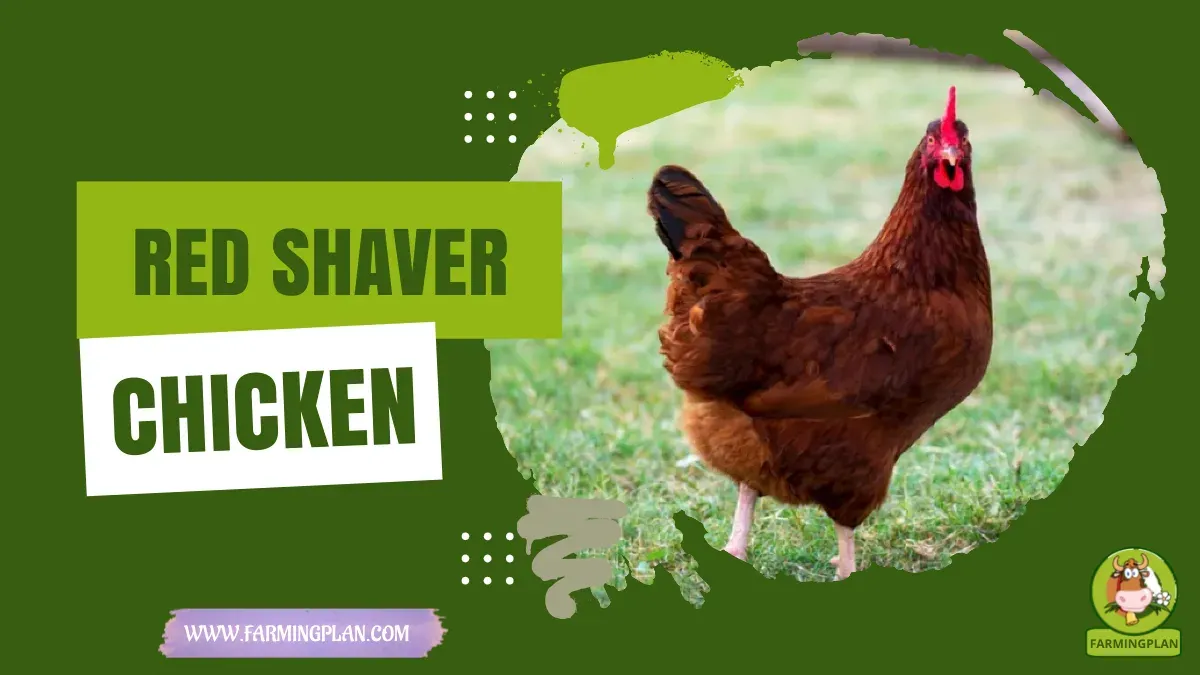
The Red Shaver exhibits a medium-framed, functional layer conformation with a deep abdomen, wide pelvic span, and well-rounded breast. Hens feature warm chestnut or reddish-bay plumage interspersed with creamy white under-feathers and occasional white tail accents. The head carries a single upright red comb of moderate size, red wattles, and red earlobes. Gradual dietary transitions protect digestive stability in red shaver chicken.
The shanks and feet are clean, unfeathered, and bright yellow, equipped with sturdy claws that forage efficiently. Because the breed was developed in Ontario, Red Shavers feature dense feather insulation and tight body plumage that prevents thermal heat loss during severe freezing weather. Their moderate comb size significantly reduces frostbite risks compared to large-combed Leghorns. Selecting healthy foundation stock is the cornerstone of successful red shaver chicken management.
Roosters, in contrast, display predominantly white plumage with reddish-chestnut patches across the shoulders and wing bows, providing unmistakable sex-linked physical dimorphism throughout life. Good predator-proofing and dry bedding safeguard red shaver chicken comfort in harsh weather.
This clean sexual dimorphism makes flock sex identification straightforward at any life stage, allowing homesteaders to easily separate growing cockerels for heritage meat roasters while directing pullets toward dedicated egg laying coops. Monitoring water quality and mineral balance directly benefits red shaver chicken vitality.
Temperament, Social Behavior & Flock Dynamics
Red Shaver hens are celebrated for their calm, friendly, and non-aggressive temperament. Unlike nervous or flighty Mediterranean breeds, Red Shavers are curious, social birds that quickly become accustomed to human caretakers, often following farmers around the yard for treats. Practical hands-on husbandry ensures consistent results when raising red shaver chicken.
Within mixed backyard flocks, they integrate smoothly with heritage breeds, establishing harmonious pecking orders without excessive feather pecking or bully behavior. Their gentle demeanor makes them an outstanding breed for family homesteads with young children. For comparisons with other high-producing layers, explore our Kuroiler chicken guide and commercial layer poultry guide. Early intervention at the first sign of lethargy protects overall red shaver chicken flock or herd health.
When allowed access to open pasture runs, they demonstrate alert foraging habits, actively seeking weed seeds and soil invertebrates while remaining attentive to flock sentinel calls. Structured culling and biosecurity protocols strengthen red shaver chicken genetic quality.
Egg Production Profile, Shell Strength & Laying Cycle
Egg production is the primary commercial asset of the Red Shaver hen. Pullets begin laying early, often producing their first eggs between 18 and 20 weeks of age, rapidly ascending to peak laying rates exceeding 92% to 95% by 26 weeks. Maintaining clean feeders and sanitized equipment supports sustainable red shaver chicken care.
Over a full 12-month laying cycle, a well-nourished Red Shaver hen consistently yields 280 to 320 large to extra-large brown eggs. The eggs feature dense, hard shells and rich, deep orange yolks when hens are managed on pasture. The broody instinct has been selectively removed, ensuring uninterrupted daily egg harvest through summer and autumn. For egg binding prevention, review our egg-bound chicken emergency protocol. Consistent daily observation helps keepers spot early changes in red shaver chicken health and behavior.
In unheated northern coops, providing artificial morning lighting to maintain a 15-to-16-hour photoperiod preserves regular laying rhythms through December and January, preventing winter production slumps without compromising hen welfare. Clean housing, fresh water, and balanced nutrition remain essential for red shaver chicken productivity.
Nutritional Requirements, Feed Efficiency & Calcium Protocols
Red Shavers possess an exceptionally thrifty feed conversion ratio, consuming only 110 to 120 grams of feed daily to produce a large 60-gram egg. This outstanding feed efficiency reduces farm operational feed bills compared to heavier heritage dual-purpose breeds. Tracking feed intake and body condition supports long-term red shaver chicken performance.
Feed a balanced 16% to 18% crude protein complete layer mash or crumble fortified with essential amino acids (methionine and lysine). Provide a dietary calcium level of 3.8% to 4.2% in active lay, supported by free-choice crushed oyster shell or coarse limestone grit in separate hoppers. Coarse calcium dissolves slowly in the gizzard overnight, providing continuous ionic calcium during nocturnal eggshell calcification. Ensure constant access to clean water; a mature hen drinks approximately 0.5 pints daily. Explore poultry housing hardware in our layer poultry equipment manual. Following biosecurity best practices reduces disease risk in any red shaver chicken operation.
Avoid excessive feeding of low-protein grain scratch or table scraps, which dilutes balanced layer rations and promotes internal abdominal fat deposition that restricts oviduct peristalsis. Seasonal adjustments to shelter and diet keep red shaver chicken thriving year-round.
Housing Infrastructure, Roosting Space & Winter Insulation
Provide a well-ventilated, predator-proof coop offering 3 to 4 square feet of indoor floor space per hen, paired with an outdoor pasture run allowing at least 8 to 10 square feet per bird. Equip the coop with rounded wooden roosting bars providing 8 to 10 inches of perch space per hen. Proper record-keeping makes breeding and culling decisions easier for red shaver chicken keepers.
Provide private, darkened roll-away nest boxes bedded with clean pine shavings at a ratio of one nesting compartment for every four hens. In winter, maintain high coop ventilation near the roof ridge to expel moist respiratory breath vapor while eliminating cold drafts at roost level. Keep bedding dry to prevent frostbitten feet and maintain pristine eggshells. Learn more about farm setups in our livestock farming overviews. Providing adequate space and ventilation prevents common stress issues in red shaver chicken.
Install insulated automatic nipple drinker lines paired with thermostatically controlled submersible heaters during harsh freezing spells. Constant hydration remains mandatory, as hens deprived of clean liquid drinking water will immediately cease daily egg production cycles. Understanding breed-specific traits helps maximize red shaver chicken longevity and output.
Flock Health Protocols, Biosecurity & Hybrid Considerations
Red Shavers inherit robust hybrid vigor, demonstrating high disease resistance and livability exceeding 95% over their primary laying year. However, disciplined flock biosecurity is necessary to preserve long-term health. Routine preventive care saves time and lowers veterinary costs for red shaver chicken.
Vaccinate day-old chicks against Marek’s disease and follow with immunizations against Newcastle Disease and Infectious Bronchitis. Monitor flocks for external parasites like northern fowl mites and poultry lice, providing dry sand and wood ash dust baths. Because the Red Shaver is an F1 sex-link hybrid, breeding Red Shaver to Red Shaver does not produce Red Shaver chicks, as genetic segregation will cause variable feathering and reduced egg yield in subsequent generations. Review our comprehensive poultry vaccination schedule and anthrax livestock guidelines. Matching forage or ration quality to life stage optimizes red shaver chicken growth.
Regularly inspect vent cleanliness and abdominal pliability to detect early signs of salpingitis or peritonitis, isolating any depressed birds into dedicated recovery pens. For additional husbandry benchmarks and feeding standards, explore our complete Sebright Chicken care guide. Gradual dietary transitions protect digestive stability in red shaver chicken.
⚡ Estimated Annual Budget & Maintenance Costs (USD)
Operating a homestead flock of 25 Red Shaver laying hens involves economical startup investments and rapid commercial payback from continuous daily egg sales. Below is an itemized 2026 economic breakdown: Selecting healthy foundation stock is the cornerstone of successful red shaver chicken management.
| Operational Expense Category | Initial Setup (USD) | Annual Recurring Cost (USD) |
|---|---|---|
| Point-of-Lay Pullets (25 Pullets @ $14/bird) | $350 | $0 |
| Predator-Proof Coop, Outdoor Run & Roll-Away Nests | $650 – $1,100 | $40 – $80 |
| Hanging Feeders & Nipple Waterers with De-Icers | $80 – $140 | $15 – $30 |
| Complete 16% Layer Crumbles (115g/bird/day) | $0 | $420 – $580 |
| Crushed Oyster Shell & Insoluble Granite Grit | $20 – $35 | $25 – $40 |
| Poultry Vaccines, Dewormers & First-Aid Supplies | $35 – $60 | $40 – $70 |
| Dry Pine Shaving Bedding & Clean Egg Cartons | $30 – $55 | $60 – $100 |
| Total Estimated Investment | $1,165 – $1,740 | $600 – $900 / year |
🐔 Red Shaver Chicken Flock Feed & Egg Yield Calculator
Estimate daily layer feed (lbs), monthly 50-lb feed bags, coop and run requirements, and expected weekly fresh egg yield for your Red Shaver Chicken flock.
Frequently Asked Questions (FAQ)
What kind of chicken is a Red Shaver?
The Red Shaver is a high-production sex-link hybrid chicken developed in Ontario, Canada, bred from Rhode Island Red and Plymouth Rock lines specifically for prolific brown egg laying.
How many eggs does a Red Shaver hen lay per year?
A healthy Red Shaver hen typically produces between 280 and 320 large to extra-large brown eggs annually, maintaining high egg output even through cold Canadian winter weather.
Are Red Shaver chickens cold hardy?
Yes, having been bred in Ontario, Canada, Red Shavers feature dense plumage and moderate comb sizes that withstand freezing winter weather with minimal risk of frostbite.
What is the temperament of Red Shaver chickens?
Red Shavers have a remarkably calm, friendly, and docile temperament. They rarely fight with flockmates, bond easily with human handlers, and make wonderful family homestead chickens.
Can you breed Red Shaver chickens together to hatch true chicks?
No, because the Red Shaver is an F1 sex-link cross, breeding Red Shavers together results in genetic segregation, producing offspring with uneven feathering and lower egg production.
Do Red Shaver hens go broody often?
No, broodiness was selectively bred out of the Red Shaver line so that hens channel their metabolic energy into continuous, year-round egg laying rather than sitting on nests.
Key Breed Advantages
- Outstanding annual egg yield: 280 to 320 large brown eggs per hen
- Thrifty feed conversion ratio reduces monthly feed expenses
- Superior Canadian winter cold tolerance maintains winter laying
- Exceptionally gentle, docile temperament ideal for family farms
- Early sexual maturity with first eggs laid at 18 to 20 weeks
Management Considerations
- Cannot breed true in F2 generation, requiring periodic chick restocking
- Non-broody hens will not incubate their own replacement offspring
- Heavy egg laying demands continuous high-calcium dietary supplementation
- Egg production declines naturally after two laying years
📚Agricultural Reference & Scientific Citations
1. Canadian Poultry Research Council (CPRC): Egg Production, Shell Quality and Layer Hybrid Efficiency.
2. University of Guelph Department of Animal Biosciences: Commercial Poultry Genetics & Canadian Sex-Link Development.
3. American Poultry Association (APA): Commercial Fowl Production Standards and Management Guidelines.


