

⚡ Pekin Bantam at a Glance: Key Specifications & Benchmarks
| Scientific Classification | Gallus gallus domesticus (True Feather-Footed Miniature Bantam) |
| Breed Origin & Heritage | Peking (Beijing), Imperial China; introduced to Britain during the 1860s |
| Mature Cock Weight Range | 24 to 28 oz (680 to 790 g / 1.5 to 1.75 lbs) |
| Mature Hen Weight Range | 20 to 24 oz (570 to 680 g / 1.25 to 1.5 lbs) |
| Body Silhouette & Carriage | Spherical, low-slung ball of feathers with low forward-tilted carriage |
| Foot Feathering Standard | Heavily feathered shanks, outer toes, and middle toes forming foot muff |
| Annual Egg Production | 120 to 160 small cream or tinted eggs; exceptional broody foster mothers |
| Average Expected Lifespan | 7 to 10+ years under clean dry bedding and predator protection |
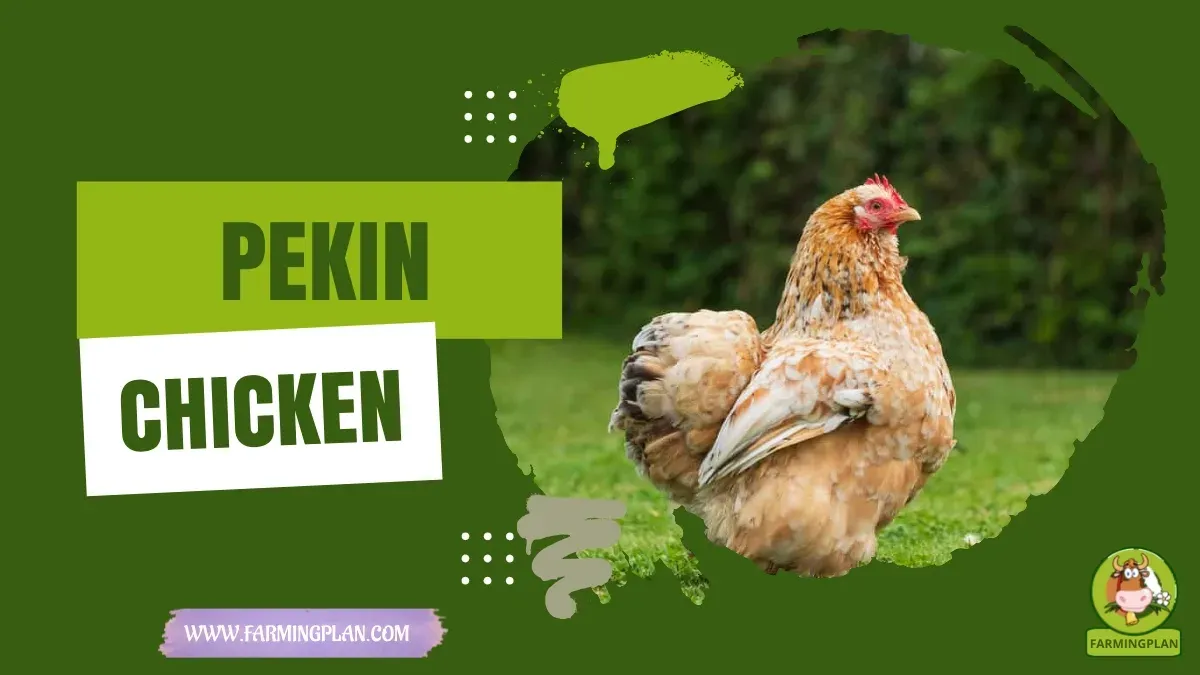
The Pekin Bantam chicken is one of the most delightful, visually captivating, and docile miniature poultry breeds in the world. Frequently described as a living “spherical ball of feathers” on tiny legs, this charming true bantam originated in the imperial gardens of Beijing (formerly Peking), China, where Qing Dynasty nobility kept them as prized ornamental pets. Following biosecurity best practices reduces disease risk in any Pekin Bantam Chicken operation.
Unlike standard chickens miniaturized through cross-breeding, the Pekin is an authentic true bantam with no large fowl counterpart in European standardizations (though closely allied with Cochin bantams in North American classifications). In our dedicated backyard poultry and chicken care guides, homesteaders celebrate the Pekin for its exceptionally gentle temperament, child-friendly personality, and low impact on home gardens. Seasonal adjustments to shelter and diet keep Pekin Bantam Chicken thriving year-round.
Their dense, abundant plumage extends completely down their stout yellow legs, covering toes in a thick muff of soft feathers. Because they are low-slung to the ground and cannot fly over standard two-foot garden fencing, Pekins are ideal companions for landscaped suburban backyards where larger scratching chickens would tear up ornamental flower beds. Proper record-keeping makes breeding and culling decisions easier for Pekin Bantam Chicken keepers.
Beyond their exhibition beauty and companion charm, Pekin bantam hens are world-famous for their intense maternal instincts. Poultry keepers worldwide maintain small flocks of Pekin hens specifically to serve as reliable, attentive foster mothers for hatching delicate duck, quail, and pheasant eggs. Providing adequate space and ventilation prevents common stress issues in Pekin Bantam Chicken.
Physical Characteristics & Exhibition Standards
The Poultry Club of Great Britain (PCGB) and international bantam standards define the Pekin as a compact, profusely feathered bird that appears nearly as wide and deep as it is long. Every line flows in soft, rounded curves without sharp angles or protruding bones. Understanding breed-specific traits helps maximize Pekin Bantam Chicken longevity and output.
Cushion Plumage, Foot Feathering & Head Points
The body is carried low and forward-tilted, with the breast carried barely above lawn turf. The back rises into an enormous, soft cushion formed by profuse saddle feathers that nearly obscure the short, rounded tail. The wings are small, tightly tucked into the cushion, and completely incapable of sustained flight.
Shanks are short, stout, and hidden beneath voluminous thigh fluff. Dense feathers cascade down the outside of both shanks and extend across outer and middle toes. This foot feathering must be clean, unbroken, and free of dirt clumps in exhibition show halls. Routine preventive care saves time and lowers veterinary costs for Pekin Bantam Chicken.
The head is small, neat, and carried proudly. The comb is a small, firm, single upright comb with four or five neat serrations. Wattles are small, rounded, and bright coral-red, matching smooth earlobes. Eyes are bold, prominent, and bright red or deep orange, imparting a sweet, calm facial expression. Matching forage or ration quality to life stage optimizes Pekin Bantam Chicken growth.
⚡ Feather-Footed Miniature Bantams: Conformation Comparison
| Breed Parameter | Pekin Bantam | Silkie Bantam | Booted Bantam (Sabelpoot) |
|---|---|---|---|
| Body Silhouette | Spherical, low-slung, heavily rounded | Compact, upright, fluffy silk plumage | Upright, proud stance with vulture hocks |
| Feather Structure | Standard webbed; extremely dense and soft | Barbless, hair-like downy silk fibers | Standard hard webbed plumage |
| Comb & Skin Points | Single red comb; standard yellow skin | Walnut comb; black skin and blue earlobes | Single red comb; white skin |
| Foot Feathering Type | Profuse shank and toe muff (no hock stiff) | Feathered shanks; five toes | Long stiff vulture hocks and foot sabels |
| Garden Foraging Impact | Very low; gentle scratching surface | Minimal; gentle garden browser | Moderate; active forager |
Breed History, Imperial Origins & British Standardization
Pekin bantams were bred exclusively within the private pleasure gardens of the Chinese Imperial Summer Palace in Beijing for centuries. Royal aviculturists selected these miniature birds for docile demeanor and rounded, cloud-like plumage to entertain the Qing court. Gradual dietary transitions protect digestive stability in Pekin Bantam Chicken.
In 1860, during the Second Opium War, British and French soldiers captured the Imperial Summer Palace. Several live Pekin bantams were saved from palace grounds and shipped back to England, where a trio was presented to Queen Victoria at Windsor Castle. Selecting healthy foundation stock is the cornerstone of successful Pekin Bantam Chicken management.
British aviculturists fell in love with these miniature imports, forming the Pekin Bantam Club in 1884. Fanciers perfected dozens of exquisite color varieties, including black, white, lavender, buff, cuckoo, partridge, birchen, mottled, and millefleur.
While the American Poultry Association merged Pekins into Cochin bantams in 1874, British and European registries steadfastly maintain the Pekin Bantam as an independent true bantam breed, celebrating its distinct forward tilt and compact spherical carriage. Good predator-proofing and dry bedding safeguard Pekin Bantam Chicken comfort in harsh weather.
Coop Engineering, Dry Bedding & Foot Feather Hygiene
Because Pekins have heavily feathered feet and very short legs, standard poultry housing setups with muddy outdoor yards will ruin their health and feather condition. Monitoring water quality and mineral balance directly benefits Pekin Bantam Chicken vitality.
Low Roosts, Ramps & Mud-Free Run Substrates
Never install high roosting perches. Pekins cannot fly upward easily and will break legs or fracture foot plumage when jumping down from elevated bars. Position roosts no higher than 8 to 12 inches off the ground, or provide broad wooden ramps leading to low resting platforms. Practical hands-on husbandry ensures consistent results when raising Pekin Bantam Chicken.
Keep outdoor runs covered and dry. Wet clay soil cakes onto foot feathers, drying into heavy, rock-hard mud balls that twist delicate toe bones, snap flight quills, and cause chronic lameness. Cover outdoor runs with coarse bark wood chips, river sand, or dry pea gravel. Early intervention at the first sign of lethargy protects overall Pekin Bantam Chicken flock or herd health.
Inside the coop house, maintain a deep 4-inch layer of dry kiln-dried pine shavings or clean chopped straw. Remove wet bedding beneath drinkers daily to keep foot feathers immaculate and fluffy.
Nutritional Requirements & Daily Feeding Rations
Pekins possess miniature crops and beaks that require fine crumble feed rather than large commercial poultry pellets that they struggle to ingest. Structured culling and biosecurity protocols strengthen Pekin Bantam Chicken genetic quality.
Small Crumbles, Protein Levels & Feather Care
Supply a complete 16% to 18% crude protein poultry breeder or layer crumble. A mature Pekin consumes only 1.5 to 2.0 ounces of feed daily, making flock maintenance remarkably affordable. Review balanced feeding fundamentals in our homestead poultry grain guide. Maintaining clean feeders and sanitized equipment supports sustainable Pekin Bantam Chicken care.
During the annual autumn molt, increase protein rations to 20% by offering black oil sunflower seeds, dried mealworms, and cooked scrambled eggs. Producing their massive volume of dense cushion feathers places immense metabolic demands on their tiny bodies. Consistent daily observation helps keepers spot early changes in Pekin Bantam Chicken health and behavior.
Provide fine chick-sized granite grit and crushed oyster shells in shallow bowls. Because their beaks are small, standard adult grit is too large for their gizzards to utilize efficiently. Clean housing, fresh water, and balanced nutrition remain essential for Pekin Bantam Chicken productivity.
Use elevated nipple drinker lines or shallow water fonts. Avoid deep open water bowls, which allow foot feathers to become waterlogged, dragging dampness into the coop bedding. Tracking feed intake and body condition supports long-term Pekin Bantam Chicken performance.
Health Management, Scaly Leg Mites & Biosecurity
While hardy and cold-resilient when kept dry, Pekins require close management to prevent parasites from colonizing their dense plumage.
Shank Inspections, Northern Fowl Mites & Foot Washing
Examine leg shanks bi-weekly beneath foot feathers. Scaly leg mites (Knemidokoptes mutans) frequently establish unnoticed under heavy foot plumage, causing painful crusting and swelling. Soak legs in warm soapy water and apply mineral oil or petroleum jelly monthly as a preventative. Following biosecurity best practices reduces disease risk in any Pekin Bantam Chicken operation.
Their dense cushion plumage is an attractive refuge for Northern fowl mites and poultry lice. Provide deep dust baths filled with dry play sand, wood ash, and food-grade diatomaceous earth in covered outdoor runs so birds can cleanse their own skin naturally. Seasonal adjustments to shelter and diet keep Pekin Bantam Chicken thriving year-round.
Maintain biosecurity standards from the USDA APHIS Avian Center, quarantining all exhibition show birds for two weeks following poultry events to protect your home breeding flock. Proper record-keeping makes breeding and culling decisions easier for Pekin Bantam Chicken keepers.
Breeding Biology, Broody Hens & Foster Parenting
Pekin bantam hens are celebrated as the supreme broody foster mothers of the poultry kingdom. When a Pekin hen decides to sit, her dedication to her clutch is absolute. Providing adequate space and ventilation prevents common stress issues in Pekin Bantam Chicken.
Nesting Boxes, Clutch Size & Chick Brooding
Provide low-set, darkened nesting boxes measuring 12×12 inches positioned directly on the coop floor with a low 2-inch front retaining lip. Line boxes with fresh meadow hay or cedar-free shavings.
A broody Pekin hen can comfortably cover 6 to 8 bantam eggs, or 4 standard duck eggs. Her voluminous breast fluff wraps around the eggs in a humid, warm envelope, resulting in exceptionally high hatchability rates. Breeders interested in comparing housing, diet, and productivity traits should see our Augsburger Chicken husbandry guide. Understanding breed-specific traits helps maximize Pekin Bantam Chicken longevity and output.
Once chicks hatch after 21 days, the Pekin hen proves to be a fierce, protective mother, shielding her brood beneath her fluffy wings and teaching them to forage on starter crumbles. For comparative small-farm poultry management, read our husbandry guide on the Malay chicken breed. Routine preventive care saves time and lowers veterinary costs for Pekin Bantam Chicken.
US Ownership Budget & Annual Maintenance Costs
Keeping a small flock of Pekin bantams represents one of the most economical, rewarding poultry projects available, characterized by low feed consumption and minimal housing square footage. Matching forage or ration quality to life stage optimizes Pekin Bantam Chicken growth.
⚡ Estimated Annual Budget & Maintenance Costs (USD)
| Expense Category | Estimated Annual Cost Range (USD) | Management Strategy |
|---|---|---|
| Breeding Trio (1 Cock, 2 Hens) | $75.00 – $180.00 initial purchase | Acquire from pedigree exhibition bantam breeders with show-quality foot feathering |
| Covered Predator-Proof Coop & Run | $250.00 – $550.00 setup | Construct low-perch coop with covered gravel run to protect foot feathers from mud |
| Miniature Layer Crumbles & Seeds | $80.00 – $130.00 per year | Purchase 50-lb 18% complete poultry crumble sacks and black oil sunflower seeds |
| Kiln-Dried Pine Shavings Bedding | $45.00 – $75.00 per year | Maintain deep 4-inch dry shavings bed inside coop house to preserve foot plumage |
| Grit, Oyster Shells & Dust Bath Sand | $25.00 – $40.00 per year | Supply chick-sized granite grit and play sand with wood ash for natural dust baths |
| Poultry Vitamins & Scaly Leg Care | $30.00 – $55.00 per year | Keep mineral oil, electrolyte packets, and poultry dusting powder in stock |
🐔 Pekin Bantam Chicken Flock Feed & Egg Yield Calculator
Estimate daily layer feed (lbs), monthly 50-lb feed bags, coop and run requirements, and expected weekly fresh egg yield for your Pekin Bantam Chicken flock.
Frequently Asked Questions (FAQ)
What is the difference between a Pekin Bantam and a Cochin Bantam?
In the UK and Australia, the Pekin is recognized as a true bantam with a forward tilt and spherical cushion. In the US, the APA classifies them under Cochin bantams.
Can Pekin Bantam chickens fly over garden fences?
No, Pekin bantams are heavy for their wing size and have short, rounded wings. They cannot fly over standard two-foot garden boundaries, making them ideal garden pets.
How do you keep Pekin bantam foot feathers clean?
Keep coop bedding dry with deep pine shavings and provide covered outdoor runs with wood chips or sand. Avoid muddy clay soil, which creates damaging balls on foot plumage.
How many eggs do Pekin Bantam hens lay each year?
Pekin hens lay approximately 120 to 160 small, tinted eggs per year. They frequently go broody in spring and make exceptional foster mothers for hatching eggs.
Are Pekin Bantams good for children?
Yes, Pekin bantams are renowned for their calm, trusting, docile nature. They enjoy being held and petted, making them one of the best chicken breeds for kids.
Expert Verdict & Next Steps
The Pekin Bantam chicken is a delightful jewel of the poultry world, offering breathtaking exhibition plumage, gentle companionship, and legendary brooding maternal instincts. With dry covered housing and attentive foot feather care, this miniature imperial treasure enriches any homestead. Gradual dietary transitions protect digestive stability in Pekin Bantam Chicken.
Source breeding stock from dedicated bantam exhibitors who prioritize correct forward tilt, dense cushion, and clean foot feathering. For dual-purpose waterfowl options on small farms, explore our husbandry guide on the Silver Appleyard duck.
📚Agricultural Reference & Scientific Citations
Standards and physiological data referenced in this guide comply with American Poultry Association (APA), The Livestock Conservancy, and USDA APHIS Avian Biosecurity Standards.


