

⚡ Manx Cat at a Glance: Key Specifications & Benchmarks
| Scientific Classification | Felis catus (Ancient Celtic Island Landrace) |
| Mature Body Weight | Males: 9 to 13 lbs (4.1 to 5.9 kg); Females: 7 to 10 lbs (3.2 to 4.5 kg) |
| Tail Variation Types | Rumpy (completely tailless), rumpy riser, stumpy, and longy (full tail) |
| Body Shape & Carriage | Cobby, round, compact frame; powerful arched back and high rump |
| Gait Dynamics | Rabbit-like hopping gait powered by muscular elongated hind legs |
| Average Lifespan | 12 to 15+ years under educated orthopedic veterinary care |
| Temperament & Drive | Devoted, calm, playful mouser, highly protective of family territory |
| Coat Varieties | Shorthair (dense double coat) and Longhair (known as Cymric) |
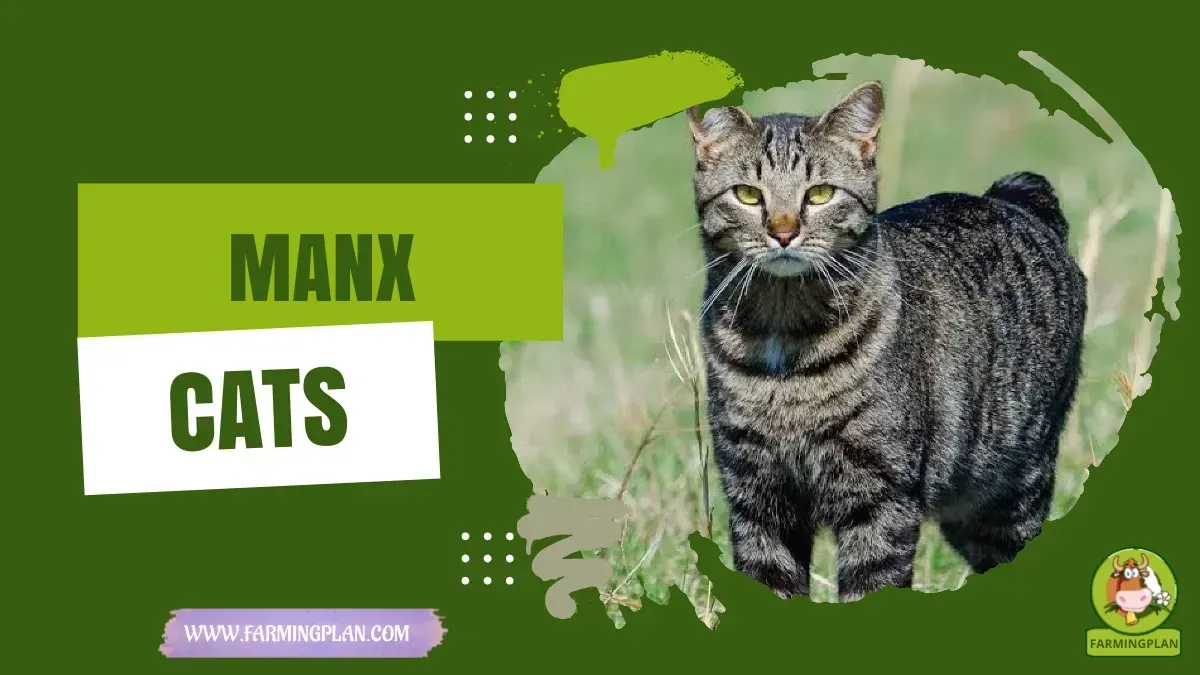
The Manx cat is one of the oldest, most storied natural feline breeds in the world. Originating on the remote Isle of Man in the Irish Sea centuries ago, this historic tailless cat is famous for its compact cobby body, round teddy-bear head, and powerful hindquarters that produce an endearing, rabbit-like hopping stride. Tracking feed intake and body condition supports long-term Manx Cat performance.
Unlike artificially created breeds featured across our cats and feline management portal, the Manx developed its taillessness through a spontaneous genetic mutation that spread throughout the isolated island cat population. Island folklore credited the cat with surviving shipwrecks of the Spanish Armada or escaping Noah’s Ark as the door slammed shut on its tail. Following biosecurity best practices reduces disease risk in any Manx Cat operation.
Living with a Manx requires specialized knowledge of spinal anatomy and responsible genetic breeding. Because the tailless gene affects the development of the caudal vertebral column, proper breeding practices and veterinary screening prevent neurological complications. This comprehensive manual details coat grooming, spinal health, dietary protocols, and indoor enrichment for American pet owners. Seasonal adjustments to shelter and diet keep Manx Cat thriving year-round.
Physical Characteristics & Breed Standards
The Cat Fanciers’ Association (CFA) and The International Cat Association (TICA) maintain exacting standards for the Manx. The overarching theme of the standard is roundness: round head, round cheeks, round eyes, round rump, and a short arched back.
Cobby Conformation & Hindquarter Angulation
The head is broad and round with prominent cheeks and a firm, well-developed muzzle. The ears are medium in size, wide at the base, and taper to rounded tips, set tilted slightly outward. The eyes are large, round, and luminous, set at a slight angle toward the nose. Proper record-keeping makes breeding and culling decisions easier for Manx Cat keepers.
The body is solidly built, compact, and cobby, with a broad chest and well-sprung ribs. The back forms a continuous smooth arch rising from the shoulders to an elevated, rounded rump. The hind legs are substantially longer than the forelegs, with heavy thighs that give the cat its distinctive bounding, hopping gait and extraordinary jumping propulsion. Providing adequate space and ventilation prevents common stress issues in Manx Cat.
Tail Categories & Double Coat Structure
Manx litters produce four distinct tail classifications: Rumpy (completely tailless with a hollow dimple at the base of the spine, the premier show standard), Rumpy Riser (a tiny rise of 1 to 3 fused vertebrae that does not stop the judge’s hand), Stumpy (a short, movable tail up to a few inches), and Longy (a full normal tail). The coat is a plush, dense double coat with a thick, cottony undercoat that sheds water efficiently. Understanding breed-specific traits helps maximize Manx Cat longevity and output.
⚡ Manx Cat Performance & Production Matrix
| Morphological Parameter | CFA Standard Benchmark | Exhibition Target | Management Challenge |
|---|---|---|---|
| Tailless Classification | Complete rumpy (dimple at rump) | Smooth curve; zero cartilage rise | Gentle rump handling; sensitive nerve endings |
| Hindquarter Elevation | High rump; hind legs longer than forelegs | Seamlessly arched backline | Higher concussive impact on landing |
| Double Coat Density | Padded, plush, open double coat | Crisp, glossy outer guard hairs | Heavy seasonal shedding during spring |
| Mousing & Prey Drive | Exceptional vermin predator instincts | Calm, confident show temperament | High interactive play requirements |
| Spinal Health Screening | Full vertebral spinal alignment | Absence of spina bifida defects | Screening litters for Manx syndrome |
Breed History, Heritage & North American Development
The Manx is one of the foundation breeds of the global cat fancy. For hundreds of years, the tailless cat developed in isolation on the Isle of Man, where island farmers and coastal fishermen prized the breed for its fearless mousing ability, sturdy health, and weatherproof double coat.
King Edward VIII of the United Kingdom owned Manx cats, popularizing the breed across European high society in the early 20th century. The Manx was among the elite group of foundation breeds exhibited at the world’s first modern cat show at London’s Crystal Palace in 1871, organized by Harrison Weir. Routine preventive care saves time and lowers veterinary costs for Manx Cat.
In North America, the Manx was recognized as a charter breed by the Cat Fanciers’ Association upon its founding in 1906. American breeders established preservation catteries to protect the ancient British bloodlines, developing strict breeding protocols that incorporate tailed Manx cats (“longies”) into breeding programs to preserve spinal column soundness. Matching forage or ration quality to life stage optimizes Manx Cat growth.
The Isle of Man government honored the cat on official postage stamps and currency coins. Today, responsible breeders in the US and Europe work cooperatively to maintain the breed’s historical heritage, ensuring that modern Manx cats embody ancient island hardiness without compromising skeletal integrity. Gradual dietary transitions protect digestive stability in Manx Cat.
Housing, Shelter Dimensions & Winter Hardiness
While historically hardy barn cats on the Isle of Man, modern companion Manx cats should be housed primarily indoors to protect them from suburban traffic and outdoor parasites. Their dense double coat makes them comfortable across a wide range of household environments.
Indoor Exercise & Leaping Architecture
Thanks to their powerful hind legs, Manx cats are extraordinary jumpers that can easily launch themselves onto high kitchen cabinetry or tall bookshelves from a sitting start. Provide heavy-base cat trees with wide platforms, sisal scratching towers, and solid resting perches that accommodate their broad, muscular bodies. Selecting healthy foundation stock is the cornerstone of successful Manx Cat management.
Manx cats possess strong guardian instincts and will often emit a low growl or investigate when strange noises occur outside household doors. They enjoy water games, batting at dripping faucets, and following their human companions around the house like loyal canine shadows. Good predator-proofing and dry bedding safeguard Manx Cat comfort in harsh weather.
Their dense, plush double coat insulates them effectively against chilly indoor drafts. However, during the heavy spring molt, daily brushing with a stainless steel de-shedding tool is necessary to remove loose undercoat fibers and prevent hairballs from accumulating in the digestive tract.
Nutritional Requirements, Daily Rations & Feeding Protocols
Manx cats have substantial bone density and heavy muscular mass, but their compact cobby frame can quickly conceal excess body fat. Because extra weight places severe strain on their shortened spinal column, maintaining a lean body condition score is critical. Monitoring water quality and mineral balance directly benefits Manx Cat vitality.
High-Protein Nutrition & Fiber Balance
Feed a meat-dense feline diet with at least 38% to 42% crude protein and 14% to 18% crude fat on a dry matter basis. Feed measured portions twice daily rather than free-choice dry kibble. In-depth companion nutrition standards can be referenced in our farm pets and companion nutrition index. Practical hands-on husbandry ensures consistent results when raising Manx Cat.
Incorporate moderate dietary fiber (pumpkin puree or psyllium husk) into canned meals to promote smooth intestinal transit. Because some tailless cats have slightly reduced colon motility, adequate moisture and fiber prevent constipation and megacolon development. Early intervention at the first sign of lethargy protects overall Manx Cat flock or herd health.
Ensure continuous access to fresh, clean drinking water in heavy ceramic fountains. Providing canned wet food daily supplies vital dietary moisture that protects the urinary tract and supports kidney function throughout their adult life.
Health Management, Common Diseases & Biosecurity Standards
Understanding the unique genetics of the tailless mutation is essential for every Manx owner and breeder. The tailless gene (M) is an autosomal dominant mutation with variable expression that affects spinal cord elongation during fetal development. Structured culling and biosecurity protocols strengthen Manx Cat genetic quality.
Manx Syndrome, Spine Care & Veterinary Protocols
Manx syndrome refers to a cluster of developmental spinal abnormalities that can occur if the gene shortens the spine too severely. It may cause spina bifida, fused vertebrae, fecal or urinary incontinence, and hind limb weakness. Symptoms typically manifest before 4 to 5 months of age; reputable breeders never place kittens until 16 weeks to ensure full neurological soundness. Maintaining clean feeders and sanitized equipment supports sustainable Manx Cat care.
When petting a rumpy Manx, be gentle around the base of the spine where the tail would normally be located. Nerve endings in this area are sensitive, and firm downward pressure can cause discomfort. Follow national veterinary health guidelines outlined by the USDA APHIS Veterinary Biosecurity Center. Consistent daily observation helps keepers spot early changes in Manx Cat health and behavior.
Maintain routine core vaccinations (FVRCP and Rabies) and annual dental scale-and-polish cleanings. Arthritis can develop in senior tailless cats due to biomechanical hopping stresses; joint supplements containing glucosamine and green-lipped mussel provide excellent mobility support.
Breeding Management, Incubation & Offspring Care
Breeding Manx cats requires strict adherence to genetic safety rules. The tailless gene (M) is homozygous lethal: embryos that inherit two copies of the gene (MM) do not survive gestation and are resorbed early in the womb. Clean housing, fresh water, and balanced nutrition remain essential for Manx Cat productivity.
The Mandatory Tailed Outcross & Kitten Care
Because homozygous taillessness is lethal, two tailless rumpy cats must never be bred together. Responsible breeders always mate a tailless or stumpy Manx (Mm) to a fully tailed Manx (mm) or a recognized outcross. This safe pairing produces healthy, vigorous litters containing both rumpy and tailed kittens with zero embryonic loss. Tracking feed intake and body condition supports long-term Manx Cat performance.
Gestation lasts 63 to 67 days. Brood queens are attentive, self-sufficient mothers that deliver litters of 3 to 5 kittens. Contrast tailless genetics with the benign recessive bobtail mutation found in the Japanese Bobtail Cat breed guide. Following biosecurity best practices reduces disease risk in any Manx Cat operation.
Wean kittens onto high-protein kitten pate starting at 4 weeks. Monitor kittens closely as they learn to walk to confirm normal gait coordination, tail sensitivity, and bowel control before placement with pet families at 14 to 16 weeks of age.
US Ownership Budget & Annual Maintenance Costs
Manx kittens from certified CFA or TICA catteries range in price depending on their tail classification and pedigree line. Fully tailless rumpy pet kittens typically cost $1,000 to $2,000, while stumpy or tailed companion kittens range from $600 to $1,000. Grand champion show stock commands $2,200 to $3,500. Seasonal adjustments to shelter and diet keep Manx Cat thriving year-round.
⚡ Estimated Annual Budget & Maintenance Costs (USD)
| Expense Category | Estimated Annual Cost Range (USD) | Operational Cost Efficiency Strategy |
|---|---|---|
| Manx Companion Kitten | $1,000.00 – $2,200.00 initial cost | Adopt exclusively from ethical breeders who hold kittens to 16 weeks |
| Premium High-Protein Meat Diet | $400.00 – $700.00 per cat | Purchase case flats of quality canned food online in scheduled auto-orders |
| Sturdy Cat Climbing Furniture | $120.00 – $250.00 initial setup | Select wide-base climbing trees that support heavy muscular hopping leaps |
| Grooming Tools & Litter Supplies | $160.00 – $260.00 annual supply | Use stainless steel undercoat rakes to minimize hairball remedies |
| Veterinary Wellness & Vaccines | $250.00 – $550.00 annual health | Maintain proper weight to eliminate costly arthritis therapy in later years |
🐈 Manx Cat Daily Nutrition & Care Calculator
Calculate daily metabolizable calories (kcal), dry/wet food portions, clean water intake (fl oz), litter box minimums, and monthly care cost for your Manx Cat.
Frequently Asked Questions (FAQ)
Are all Manx cats completely tailless?
No, not all Manx cats are completely tailless. A single litter can produce rumpies (completely tailless), rumpy risers (a tiny rise of 1 to 3 fused vertebrae), stumpies (short partial tails), and longies (full normal tails).
What is Manx syndrome?
Manx syndrome is a genetic condition caused when the tailless gene shortens the spine too severely. It can result in spina bifida, fused vertebrae, nerve damage, and bowel or urinary incontinence. Responsible breeding practices eliminate this condition.
Why do Manx cats hop like rabbits?
Manx cats have hind legs that are significantly longer and more muscular than their front legs. This anatomical structure, combined with their arched back, causes them to run with a distinctive, bounding hop reminiscent of a hare.
Can two tailless Manx cats be bred together?
No, two tailless Manx cats should never be bred together. The tailless gene is lethal in homozygous form (MM), causing kittens to perish early in gestation. Ethical breeders always mate a tailless Manx to a tailed Manx.
Do Manx cats make good family pets?
Yes, Manx cats are renowned for their calm, affectionate, and loyal personalities. They form deep bonds with children and household pets, enjoy learning interactive games like fetch, and are gentle family companions.
Expert Verdict & Next Steps
The Manx cat is a living legend of feline heritage, combining ancient island mousing prowess with plush teddy-bear charm and loyal devotion. For families seeking an athletic, bounding companion that brings warmth, humor, and steadfast friendship to the home, the Manx is a treasured choice. Proper record-keeping makes breeding and culling decisions easier for Manx Cat keepers.
By adopting from responsible breeders who screen litters thoroughly and maintaining disciplined weight control, your Manx will enjoy an active, healthy life past 15 years. To explore other distinctive domestic companion breeds that feature exotic visual traits, review our comprehensive care guide on the Toyger Cat care profile.
📚Agricultural Reference & Scientific Citations
Standards and physiological data referenced in this guide comply with USDA Animal and Plant Health Inspection Service (APHIS), American Veterinary Medical Association (AVMA), and the FAO Domestic Animal Diversity Information System.


