

⚡ Great Pyrenees Dog at a Glance: Key Specifications & Benchmarks
| Scientific Classification | Canis lupus familiaris (Livestock Guardian Dog / Pastoral Group) |
| Mature Height at Withers | Males: 27 to 32 inches (69 to 81 cm); Females: 25 to 29 inches (64 to 74 cm) |
| Mature Body Weight | Males: 100 to 140+ lbs (45 to 64 kg); Females: 85 to 115 lbs (38 to 52 kg) |
| Signature Physical Trait | Single dewclaws on front legs; functional double dewclaws on rear legs |
| Weatherproof Double Coat | Thick, coarse white outer guard coat with dense, woolly undercoat |
| Average Working Lifespan | 10 to 12 years under dedicated pastoral pasture management |
| Primary Agricultural Role | Apex livestock guardian against coyotes, wolves, bears, and stray dogs |
| Guardian Behavioral Style | Autonomous night patrolling, booming deterrence bark, calm deterrence |
The Great Pyrenees dog—known in Europe as the *Chien de Montagne des Pyrénées*—is the gold standard of livestock guardian dogs (LGD). Bred for millennia to defend sheep and goat herds across the rugged, snow-capped Pyrenees Mountains between France and Spain, this majestic canine combines imposing physical power with a serene, patient soul. Understanding breed-specific traits helps maximize Great Pyrenees Dog longevity and output.
Unlike herding dogs like border collies that drive livestock with predatory eye stalks, livestock guardians operate through passive integration and fierce territorial defense. As documented throughout our farm and working dogs operational hub, the Great Pyrenees views sheep, goats, or poultry as its adopted pack, placing its massive body between predators and vulnerable stock without human intervention.
For modern American homesteaders and commercial ranchers, the Great Pyrenees provides reliable, non-lethal predator deterrence against coyotes, cougars, black bears, and stray canines. Managing an independent, autonomous giant requires specific boundary fencing, puppy bonding protocols, and sound nutrition. This definitive guide delivers operational standards for pasture infrastructure, veterinary care, and behavioral training across US agricultural zones. Routine preventive care saves time and lowers veterinary costs for Great Pyrenees Dog.
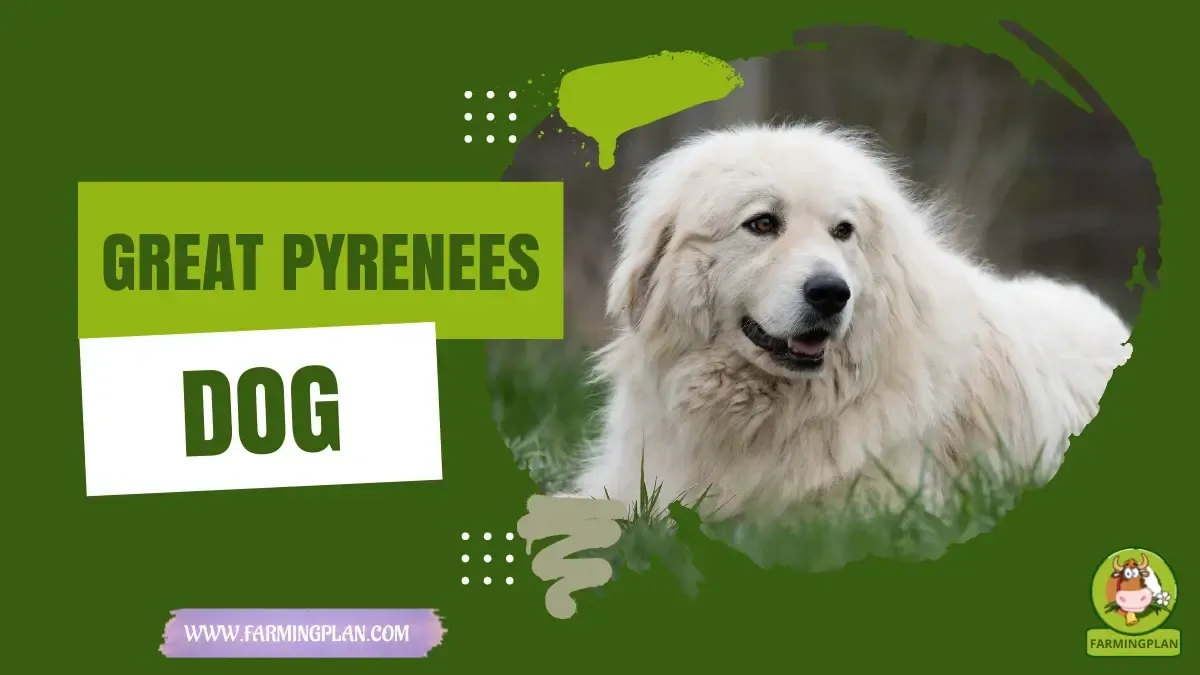
Physical Characteristics & Breed Standards
The American Kennel Club (AKC) and the Great Pyrenees Club of America (GPCA) hold the breed to rigorous physical conformation criteria designed to sustain long, punishing winter vigils in sub-zero alpine conditions.
Alpine Architecture & Rear Double Dewclaws
The head is wedge-shaped with a slightly rounded crown, possessing an intelligent, contemplative expression with dark almond-shaped eyes framed by black eye rims. The muzzle is strong and blends smoothly into the cheeks without a sharp stop. The ears are medium-small, V-shaped, and carried low against the head.
The body is muscular, broad, and deep-chested, supported by heavy bone structure. A mandatory physical hallmark is the presence of functional double dewclaws on each rear limb. Supported by distinct bony structures, these articulated double dewclaws acted as natural snowshoes and climbing crampons on steep, icy Pyrenean peaks, and removal disqualifies dogs from show rings. Matching forage or ration quality to life stage optimizes Great Pyrenees Dog growth.
Weatherproof Coat & Size Benchmarks
Mature males stand 27 to 32 inches at the withers and weigh between 100 and 140+ pounds, while females stand 25 to 29 inches and weigh 85 to 115 pounds. The coat is a weather-resistant double coat: coarse, long flat outer guard hairs shed moisture, while a dense, woolly undercoat preserves body heat. Solid white is standard, with badger, gray, or reddish-brown markings permitted on the head and ears.
⚡ Great Pyrenees Dog Performance & Production Matrix
| Performance Parameter | AKC Standard Benchmark | Pastoral Working Target | Management Challenge |
|---|---|---|---|
| Mature Working Mass | 100–140+ lbs (males); 85–115 lbs (females) | Muscular athletic mountain agility | Rapid growth orthopedic bone stress |
| Rear Double Dewclaws | Mandatory articulated rear double claws | Intact snowshoe footing on crags | Trimming extra claws to prevent tearing |
| Predator Deterrence Mode | Vocal night perimeter patrolling | Zero livestock loss to coyotes | Neighbor complaints regarding night barking |
| Weather Hardiness | Sub-zero snow & wind tolerance | Continuous outdoor herd protection | Heat stress in humid Southern summers |
| Independent Decision Making | Autonomous guardian instinct | Protects stock without human commands | Roamer instincts; demands secure fencing |
Breed History, Heritage & North American Development
Fossil records and pastoral documentation place ancestral livestock guardians in the Pyrenees mountain range as early as 1800 to 1000 BC. Evolving from ancient mastiff-type dogs of Central Asia, the Great Pyrenees spent centuries working in partnership with Basque and French shepherds, protecting flocks from wolves and Eurasian brown bears.
In 1675, King Louis XIV and the French nobility declared the Great Pyrenees the official Royal Dog of France, stationing these majestic white canines as sentries guarding royal châteaux and estates. In the 1830s, General Lafayette and European nobility imported foundation dogs into North America. Gradual dietary transitions protect digestive stability in Great Pyrenees Dog.
The American Kennel Club formally recognized the Great Pyrenees in 1933. During the 1970s and 1980s, as US federal environmental regulations restricted chemical predator poisons on Western grazing leases, American sheep ranchers rediscovered the Great Pyrenees. University wildlife trials confirmed that adding guardian dogs reduced sheep losses to coyotes by over 90%.
Today, the Great Pyrenees serves as the cornerstone of pasture predator management across North America. Modern breeders balance traditional working genetics with calm companion temperaments, ensuring dogs retain authentic flock bonding instincts alongside sound domestic manners. Selecting healthy foundation stock is the cornerstone of successful Great Pyrenees Dog management.
Housing, Shelter Dimensions & Winter Hardiness
Great Pyrenees are pastoral working guardians that require large, secure acreage. Confining a full-grown livestock guardian to a suburban chain-link backyard inevitably leads to boredom, escape digging, and non-stop nighttime barking.
Pasture Fencing & Roaming Mitigation
The cardinal rule of guardian dog management is: if it is not fenced, it is not your dog. Pyrenees possess a powerful instinct to patrol expanding perimeters (“disappearing over the horizon”). Enclose pastures with high-tensile woven wire or 5-foot non-climb field fencing with an electrified bottom wire to stop digging beneath fence lines.
In winter, Great Pyrenees thrive in open pastures down to -30°F (-34°C). They prefer sleeping outside in deep snowdrifts rather than inside enclosed barns, utilizing their woolly undercoat and feathered tail curled over their nose to trap warm air. Provide an open three-sided run-in shed with dry wheat straw as an optional windbreak. Good predator-proofing and dry bedding safeguard Great Pyrenees Dog comfort in harsh weather.
Summer heat management is critical. Never shave a Great Pyrenees; their double coat acts as thermal insulation that shields skin from solar radiation and prevents heat stroke. Ensure natural tree shade, clean water troughs, and shallow wading pools during hot, humid summer spells.
Nutritional Requirements, Daily Rations & Feeding Protocols
Despite their massive physical frame, Great Pyrenees have a remarkably slow basal metabolic rate compared to working herding breeds like Australian Shepherds. Overfeeding commercial dog food leads to rapid obesity, hip dysplasia, and gastric dilatation-volvulus (bloat).
Pasture Nutrition & Large-Breed Formulations
Feed a high-quality large-breed formula containing 24% to 26% crude protein and 12% to 15% crude fat. An active adult working guardian typically consumes only 4 to 6 cups of premium kibble daily. Explore complete working canine feeding models in our farm livestock feeding index. Monitoring water quality and mineral balance directly benefits Great Pyrenees Dog vitality.
Divide daily rations into two equal morning and evening feedings to minimize gastric torsion risk. Avoid strenuous perimeter running or fence pacing for at least one hour after meals. Supplement working winter guardians with animal fats (poultry fat, beef tallow) during sustained freezing spells to support thermogenesis.
Working dogs must have continuous access to fresh water. In winter, utilize heated automatic waterers or heavy rubber tubs with submersible de-icers to prevent freezing. Check water daily, as dogs patrolling pasture perimeters burn significant moisture through winter respiration.
Health Management, Common Diseases & Biosecurity Standards
The Great Pyrenees is generally a vigorous, durable breed, but its giant stature and outdoor working environment expose it to specific orthopedic and parasitic risks. Practical hands-on husbandry ensures consistent results when raising Great Pyrenees Dog.
Orthopedic Screening, Dewclaw Care & Biosecurity
Hip Dysplasia and Elbow Dysplasia are recognized orthopedic hazards. Prospective breeding stock should be evaluated radiographically through the Orthopedic Foundation for Animals (OFA) or PennHIP. Trim rear double dewclaws every 4 to 6 weeks; because these claws do not touch the ground during normal walking, they can curl into pads if unmanaged.
Working guardians interact with wildlife vectors (raccoons, skunks, coyotes) carrying dangerous pathogens. Vaccinate annually against Rabies, Leptospirosis, and Canine Distemper/Parvovirus. Administer monthly heartworm, tick, and flea preventatives to control tick-borne Lyme disease and anaplasmosis. Follow livestock biosecurity recommendations published by the USDA APHIS National Animal Health Programs. Early intervention at the first sign of lethargy protects overall Great Pyrenees Dog flock or herd health.
Inspect ears biweekly for foxtails, burrs, and bacterial otitis. The folded drop ears of the Pyrenees trap moisture, requiring periodic drying and veterinary cleaning following wet pasture patrols.
Breeding Management, Incubation & Offspring Care
Successful livestock guardian dogs are made, not born. While genetic instinct provides the foundation, puppy bonding between 8 and 16 weeks of age cements lifelong devotion to livestock rather than human companion dependency.
Pasture Bonding & Puppy Mentorship
At 8 weeks of age, place puppies into a clean, safe nursery pen directly adjacent to gentle ewes, lambs, or goats. Puppies must view livestock as their primary social family. Pair adolescent puppies with an experienced, steady adult guardian dog who corrects rough play, chasing, or ear-chewing behaviors. Compare guardian bonding methods with the Assyrian Mastiff guardian guide. Structured culling and biosecurity protocols strengthen Great Pyrenees Dog genetic quality.
Gestation lasts 63 to 65 days. Brood females deliver large litters averaging 8 to 12 robust puppies. Provide a sturdy whelping box equipped with pig rails to prevent heavy mothers from accidentally crushing neonatal pups.
Wean puppies onto large-breed puppy kibble formulated with controlled calcium and phosphorus ratios (1.2:1) to prevent rapid bone growth and panosteitis. Young guardians reach full emotional and working maturity at 2 to 2.5 years of age.
US Ownership Budget & Annual Maintenance Costs
Acquiring and raising a working livestock guardian dog is an investment that pays for itself by eliminating predator livestock losses. Purebred puppies with verified working parentage range from $800 to $1,800, while trained working adult guardians command $2,500 to $4,500. Maintaining clean feeders and sanitized equipment supports sustainable Great Pyrenees Dog care.
⚡ Estimated Annual Budget & Maintenance Costs (USD)
| Expense Category | Estimated Annual Cost Range (USD) | Operational Cost Efficiency Strategy |
|---|---|---|
| Working Line Puppy Acquisition | $800.00 – $1,800.00 initial asset | Source puppies from working ranchers whose breeding pairs actively guard stock |
| Large-Breed Kibble (40 lb Bags) | $600.00 – $950.00 per dog | Buy commercial 40-lb bags in bulk through local agricultural co-ops |
| Heartworm, Flea & Tick Preventatives | $180.00 – $300.00 per dog | Order 12-month multi-dog packs through veterinary supply distributors |
| Veterinary Care & Annual Vaccines | $250.00 – $550.00 annual wellness | Group farm health visits with routine sheep and cattle vet checks |
| Fencing & Pasture Infrastructure | $500.00 – $1,500.00 initial setup | Maintain electrified hot-wire perimeter fences to prevent wandering |
🐕 Great Pyrenees Dog Daily Calorie & Kibble Calculator
Calculate daily metabolizable energy (kcal/day), kibble cups, water, and monthly diet costs for your Great Pyrenees Dog.
Frequently Asked Questions (FAQ)
Why do Great Pyrenees bark so much at night?
Great Pyrenees are nocturnal guardians. Their primary method of predator deterrence is vocal; by barking around pasture perimeters, they announce their presence to nocturnal coyotes, wolves, and bears, turning them away before confrontation occurs.
Why do Great Pyrenees have double dewclaws on their back legs?
Double dewclaws are an ancient genetic breed hallmark. In their native Pyrenees Mountains, these extra articulated toes acted as natural snowshoes and stabilizing anchors on steep, snowy mountain slopes and loose rocky scree.
Should you shave a Great Pyrenees dog in the summer?
No, never shave a Great Pyrenees. Their double coat provides natural thermal insulation against summer heat as well as winter freezing. Shaving exposes bare skin to severe sunburn, insect bites, and destroys the coat texture permanently.
Do Great Pyrenees roam away from home?
Yes, the breed possesses a powerful instinctive drive to expand their territory. If pastures are not securely fenced with 4.5- to 5-foot perimeter fencing, they will roam for miles patroling what they believe is their territory.
How do you stop a Great Pyrenees puppy from playing roughly with livestock?
Pair the adolescent puppy with a calm, experienced adult guardian dog who will discipline rough chasing behaviors, and keep the puppy in an adjacent pen until gentle submission behaviors are firmly established.
Expert Verdict & Next Steps
The Great Pyrenees dog stands as the supreme protector of North American pastures, uniting monumental strength with an unshakable dedication to its flock. By trusting their ancient protective instincts and backing them with secure fencing and balanced nutrition, farmers secure unmatched predator defense.
For homesteaders and commercial ranchers seeking non-lethal, sustainable flock security, the Great Pyrenees represents an unbeatable partner. For comparisons with other distinguished working mountain dogs, consult our comprehensive profile on the Bernese Mountain Dog working guide.
📚Agricultural Reference & Scientific Citations
Standards and physiological data referenced in this guide comply with USDA Animal and Plant Health Inspection Service (APHIS), American Veterinary Medical Association (AVMA), and the FAO Domestic Animal Diversity Information System.


