

⚡ Mangalarga Marchador Horse at a Glance: Key Specifications & Benchmarks
| Scientific Name | Equus caballus (Iberian-Derived Brazilian Gaited Landrace) |
| Breed Origin | Minas Gerais, Brazil (Hacienda Campo Alegre, 1812) |
| Official Registry | ABCCMM (Brazil) / USMMA (North America) |
| Average Mature Height | 14.2 to 15.3 hands (58 to 63 inches / 147 to 160 cm) |
| Average Mature Weight | 900 to 1,100 lbs (410 to 500 kg) |
| Signature Gaits | Marcha Batida (broken diagonal 4-beat) & Marcha Picada (broken lateral 4-beat) |
| Primary Working Roles | Cattle ranching, endurance trail riding, pleasure hacking, equine tourism |
| Temperament Traits | Docility paired with energetic brio; highly bonded and cooperative |
The Mangalarga Marchador stands as the official national horse breed of Brazil, celebrated worldwide for its aristocratic Iberian beauty, tireless ranching stamina, and completely smooth gaits. Developed during the early 19th century in the rugged province of Minas Gerais, the Marchador was bred to carry plantation owners and cattle managers comfortably across immense hacienda acreage for days at a time without rider fatigue. Exploring our comprehensive directory of celebrated horse breeds reveals why the Marchador is regarded as one of the most versatile and comfortable equine partners on the planet. Gradual dietary transitions protect digestive stability in Mangalarga Marchador Horse.
What sets the Mangalarga Marchador apart from all other gaited breeds is its remarkable physical versatility and absence of artificial gait devices. Unlike some gaited horses that require weighted shoes or harsh mechanical training, the Marchador performs its signature gaits—the Marcha Batida and Marcha Picada—completely naturally from birth while barefoot. Beyond its smooth traveling gaits, the Marchador retains an exceptional working canter, athletic jumping ability, and genuine cow sense, making it a true dual-purpose utility horse capable of shifting effortlessly from intense cattle work to relaxing family trail riding. Selecting healthy foundation stock is the cornerstone of successful Mangalarga Marchador Horse management.
With over 400,000 registered animals in Brazil and rapidly expanding breeding associations across North America and Europe, the Mangalarga Marchador has captured the attention of progressive equestrians everywhere. This detailed management guide explores the breed’s historical roots, distinctive gait mechanics, nutritional programs, housing protocols, and preventive healthcare strategies to help breeders and owners achieve maximum performance and longevity with their horses.
Physical Characteristics & Breed Standards
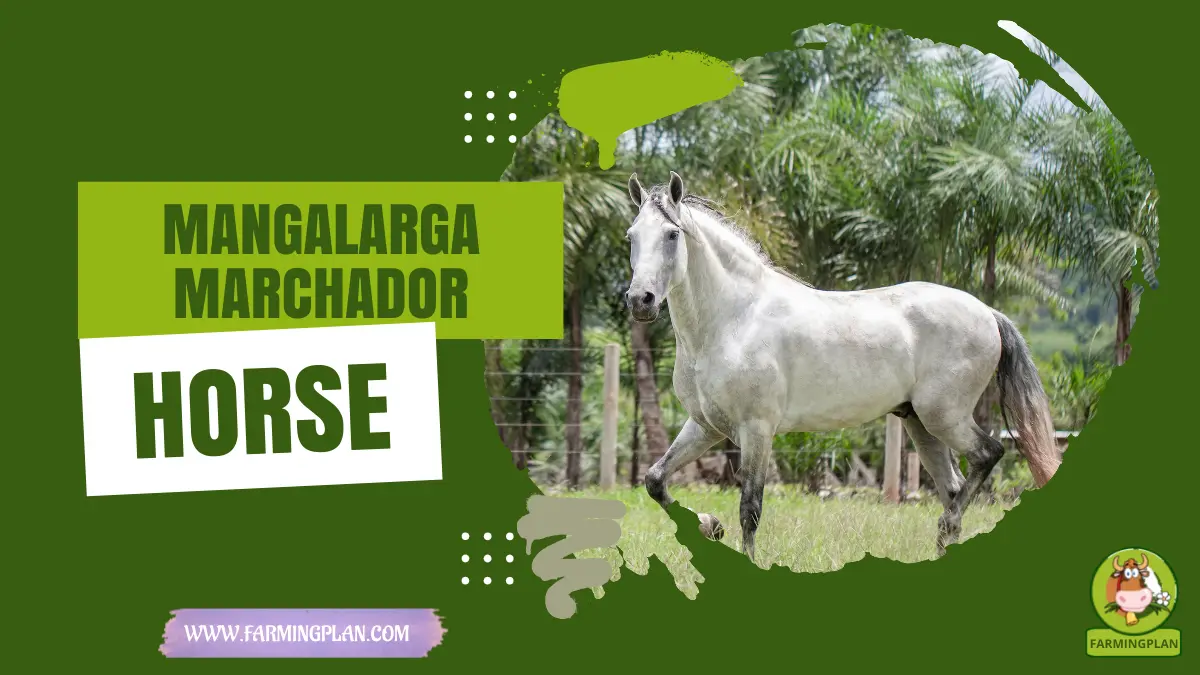
Conformationally, the Mangalarga Marchador reflects its noble Iberian lineage, tracing back to the historic Alter Real and colonial Spanish Jennet horses brought to South America by the Portuguese royal family. Mature Marchadors stand between 14.2 and 15.3 hands high, exhibiting an harmonious, athletic profile characterized by muscular symmetry, a deep chest, well-sprung ribs, and a strong, short back. The croup is smooth, gently sloping, and muscular, providing exceptional pushing power and balance during complex lateral and diagonal foot movements. Good predator-proofing and dry bedding safeguard Mangalarga Marchador Horse comfort in harsh weather.
The head is triangular and refined, featuring a straight or slightly sub-convex profile, wide flat forehead, expressive almond-shaped eyes, and medium-sized ears that point alertly forward. The neck is arched, muscular, and set high into sloping shoulders, allowing the horse to achieve natural self-carriage and balance without heavy rein pressure. The legs are clean, hard, and muscular, with dry joints, flat tendons, and strong, medium-length pasterns that provide natural shock absorption over rocky trails.
Conformation Standards & Anatomical Structure
The breed’s defining functional characteristic is its quadruple support sequence during the Marcha. In both the Marcha Batida (a broken diagonal gait with brief moments of triple support) and the Marcha Picada (a broken lateral gait characterized by extended periods of triple and quadruple hoof contact), the horse always keeps at least two, and often three, hooves firmly on the ground simultaneously. Monitoring water quality and mineral balance directly benefits Mangalarga Marchador Horse vitality.
This continuous ground contact eliminates the suspension phase found in the trot, absorbing vertical concussion and providing a sensation often described as riding on velvet. The back remains virtually flat, allowing the rider to sit motionless in the saddle for hours without spine fatigue. Practical hands-on husbandry ensures consistent results when raising Mangalarga Marchador Horse.
Size, Weight Benchmarks & Color Variations
Stallions stand between 14.3 and 15.3 hands high and weigh 950 to 1,100 lbs, while mares average 14.2 to 15.1 hands and weigh 900 to 1,020 lbs. Their medium size provides ideal maneuverability through narrow mountain passes and timber pastures.
Recognized coat colors encompass bay, grey, chestnut, black, palomino, buckskin, roan, and pinto, with grey and bay being the most prominent historically across Brazilian cattle estates. Early intervention at the first sign of lethargy protects overall Mangalarga Marchador Horse flock or herd health.
⚡ Mangalarga Marchador Horse Performance & Production Matrix
| Functional Benchmark | Operational Standard | Performance Metric | Practical Field Application |
|---|---|---|---|
| Marcha Smoothness & Cadence | Four-beat Batida & Picada without vertical bounce | Superior (9.9/10) | Natural, non-forced smooth gait provides unmatched rider comfort on long rides. |
| Endurance & Distance Capacity | 50 to 80-mile trail journeys with rapid recovery | Superior (9.8/10) | Exceptional heart-rate recovery and aerobic stamina inherited from Iberian stock. |
| Cattle Sense & Ranch Utility | Agile cutting, roping, and pasture sorting ability | Superior (9.6/10) | Natural tracking instinct and cow sense make them premier working ranch horses. |
| Hoof Durability & Barefoot Suitability | Dense, cupped, dark horn resistant to chips | Superior (9.7/10) | Many Marchadors work successfully barefoot or in simple front boots on rocky trails. |
| Forage Conversion Efficiency | Maintains body condition on modest roughage | Strong (9.4/10) | Thrives on pasture grass; requires minimal grain unless working heavy daily shifts. |
| Trainability & Temperament (Brio) | Calm under saddle with responsive forward desire | Superior (9.8/10) | Balanced energy allows safe riding by novices while offering power for pros. |
Breed History, Heritage & North American Development
The historical genesis of the Mangalarga Marchador began in 1812 at the Campo Alegre estate in Minas Gerais, Brazil. Gabriel Francisco Junqueira, the Baron of Alfenas, received an Alter Real stallion named Sublime as a royal gift from King John VI of Portugal. The Baron bred Sublime to local colonial mares descended from hardy Iberian Jennet and Criollo stock that had adapted to the rugged Brazilian interior over three centuries of natural selection. The resulting offspring exhibited extraordinary stamina, calm bravery, and an exceptionally smooth traveling gait.
The name ‘Marchador’ derives from the Portuguese term for walking or marching with purposeful cadence, while ‘Mangalarga’ refers to the Mangalarga plantation where Junqueira family members showcased the horses to traveling cattle buyers and aristocracy. In 1949, breeders formalized the Associação Brasileira dos Criadores do Cavalo Mangalarga Marchador (ABCCMM), establishing one of the most rigorous inspection systems in global equine history. Before any horse can receive permanent breeding registration in the ABCCMM studbook, it must pass a comprehensive adult veterinary and gait evaluation under saddle by certified inspectors. Structured culling and biosecurity protocols strengthen Mangalarga Marchador Horse genetic quality.
Today, international interest in the breed has expanded dramatically. Scientific research programs supported by global bodies and the USDA Agricultural Research Service highlight how the Marchador’s preserved genetic diversity and structural soundness insulate it against common conformational weaknesses that afflict heavily inbred show breeds. Compare this dynamic with European sport horses in our guide to the Danish Warmblood horse.
Housing, Shelter Dimensions & Winter Hardiness
Housing and paddock design for the Mangalarga Marchador should accommodate their active nature and social herd instincts. In temperate climates, Marchadors thrive when maintained on 24/7 pasture turnout with access to well-drained three-sided run-in sheds that provide shade during summer heat and shelter against cold winter rains. Maintaining clean feeders and sanitized equipment supports sustainable Mangalarga Marchador Horse care.
Run-in sheds should provide at least 120 to 140 square feet per horse, featuring high ceilings and open roof ventilation to prevent the accumulation of warm, humid air and ammonia. Consistent daily observation helps keepers spot early changes in Mangalarga Marchador Horse health and behavior.
Spatial Density & Enclosure Engineering
If box stalls are utilized during severe weather or breeding operations, they should measure 12 by 12 feet or larger, with open-slat or mesh upper walls that allow visual and social contact with barn neighbors. Rubber stall mats over compacted gravel, bedded with kiln-dried pine shavings or clean straw, protect joints and hooves during indoor rest periods.
Paddocks and pastures must be secured with safe, high-visibility horse fencing standing at least 50 to 54 inches tall. Post-and-rail timber, flexible polymer rail, or high-tensile coated wire represent ideal boundary solutions. Barbed wire must never be used with Marchadors, as their curious, social nature can lead to severe leg entanglements. Clean housing, fresh water, and balanced nutrition remain essential for Mangalarga Marchador Horse productivity.
Nutritional Requirements, Daily Rations & Feeding Protocols
Nutritional management for the Mangalarga Marchador centers around providing high-quality forage while respecting their efficient metabolic utilization. Bred to work long hours on native Brazilian savanna grasses, the Marchador converts fiber into energy with exceptional biological efficiency. Feeding excessive sweet feeds, grain concentrates, or lush, rich legumes will rapidly lead to over-conditioning and unnecessary metabolic stress.
For most leisure and moderate trail horses, a daily forage intake of 1.8 to 2.2 percent of body weight in clean grass hay (such as orchard grass, coastal Bermuda, or timothy) provides all required calories and structural gut fiber. Horses engaged in heavy ranch work or 50-mile endurance rides may require supplemental energy, which is best supplied through fermentable fibers like soaked unmolassed beet pulp, alfalfa pellets, and healthy cold-pressed oils rather than high-starch cereal grains. Research from Penn State Extension Equine Science shows that fiber-and-fat diets maintain stable blood glucose levels and prevent exertional rhabdomyolysis (tying-up) in athletic working horses. Tracking feed intake and body condition supports long-term Mangalarga Marchador Horse performance.
Explore foundational equine care recommendations through our guide on essential horse care principles.
Crude Protein Benchmarks Across Life Stages
A concentrated ration balancer pellet should be fed daily at a rate of one to two pounds to provide essential amino acids (lysine and methionine), balanced calcium-to-phosphorus ratios, zinc, copper, and selenium. Clean, fresh water must be available continuously, supplemented by free-choice loose white salt. Following biosecurity best practices reduces disease risk in any Mangalarga Marchador Horse operation.
In warm climates or during heavy summer ranching operations, electrolyte supplements should be administered to replenish minerals lost through sustained sweating. Seasonal adjustments to shelter and diet keep Mangalarga Marchador Horse thriving year-round.
Health Management, Common Diseases & Biosecurity Standards
Maintaining optimal health in the Mangalarga Marchador requires regular preventative veterinary care, strategic parasite control, and consistent hoof management. Thanks to rigorous studbook selection in Brazil, the breed has a very low incidence of hereditary conformational defects, boasting sound respiratory, cardiovascular, and skeletal systems.
Hoof care is simple but vital. The Marchador possesses round, dense hooves that naturally resist cracking. Because their gait depends on precise foot landing and breakover, farriers must maintain balanced, symmetrical trimming every six to eight weeks. Trimming should respect the horse’s natural hoof-pastern axis, avoiding excessively low heels or over-long toes that can alter the delicate four-beat cadence of the Marcha. Proper record-keeping makes breeding and culling decisions easier for Mangalarga Marchador Horse keepers.
Biosecurity Protocols & Veterinary Defenses
Many owners find that their horses perform comfortably barefoot or in flexible composite shoes on rocky mountain trails. Preventive wellness visits should include annual dental examinations and routine floating to remove sharp enamel points, ensuring comfortable bit communication.
Parasite surveillance should be conducted using seasonal fecal egg counts (FEC), deworming only when egg counts exceed 200 eggs per gram to minimize anthelmintic resistance. Annual vaccinations should align with American Association of Equine Practitioners (AAEP) guidelines, covering tetanus, rabies, West Nile virus, and encephalitis. Providing adequate space and ventilation prevents common stress issues in Mangalarga Marchador Horse.
Breeding Management, Reproductive Cycles & Offspring Care
Breeding the Mangalarga Marchador is governed by strict functional and conformational standards established by the ABCCMM and international affiliate registries. In Brazil, only horses that have undergone formal adult inspection under saddle by an official breed judge are granted permanent breeding papers (Livro Definitivo). This rigorous certification process ensures that only horses demonstrating true Marcha gaits, sound conformation, and calm temperaments enter the breeding pool.
Broodmares typically reach breeding maturity between three and four years of age. They are renowned for high fertility, easy foaling, and outstanding maternal care, rarely experiencing complications during normal delivery. Gestation averages 335 to 345 days. Understanding breed-specific traits helps maximize Mangalarga Marchador Horse longevity and output.
Throughout gestation, broodmares should be maintained on high-quality forage and balanced mineral supplementation, avoiding excess weight gain during early pregnancy. In the final trimester, increasing protein and mineral density supports steady fetal skeletal development. Routine preventive care saves time and lowers veterinary costs for Mangalarga Marchador Horse.
Stallion selection focuses on gait clarity, structural soundness, docile brio, and proven ancestry. For ranchers interested in comparing stock working equines, reviewing our profile on the versatile American Quarter Horse offers valuable insights into working cattle breeds.
US Ownership Budget & Annual Maintenance Costs
Establishing an operational homestead budget for the Mangalarga Marchador Horse requires balancing initial infrastructure capital with predictable recurring annual maintenance expenses. Sourcing certified foundation stock, constructing predator-resistant housing, and investing in high-quality nutrition protects your long-term agricultural investment. Matching forage or ration quality to life stage optimizes Mangalarga Marchador Horse growth.
The comprehensive cost model below details typical initial investments alongside recurring annual expenses for maintaining healthy, productive Mangalarga Marchador Horse stock on American acreage.
💰 Estimated Annual Budget & Maintenance Costs (USD)
| Budget Category | Item Description & Scope | Initial Capital Outlay | Annual Recurring Expense |
|---|---|---|---|
| Purebred Breeding / Riding Stock | Registered ABCCMM / USMMA Marchador mount | $8,000 – $18,000 | $0 |
| Pasture Run-In Shelter & Apron | 12×24 ft wood frame shed with gravel apron | $3,000 – $5,000 | $200 / yr |
| Premium Grass Hay Roughage | 3.0 to 3.5 tons per head annual requirement | $0 | $750 – $1,100 / yr |
| Ration Balancer & Minerals | Commercial low-starch balancer, salt, electrolytes | $0 | $340 – $480 / yr |
| Veterinary Care & Vaccines | Annual AAEP core vaccines, dental float, Coggins | $0 | $350 – $550 / yr |
| Farrier Barefoot Trim Schedule | Routine balance trim every 6 weeks (8 trims) | $0 | $400 – $560 / yr |
| High-Tensile Polymer Fencing | Safe pasture containment with sight rail | $2,500 – $4,500 | $150 / yr |
🧮 Mangalarga Marchador Horse Daily Feed & Hay Intake Calculator
Calculate recommended daily dry grass hay (lbs), clean water intake, and estimated monthly forage costs tailored specifically for your Mangalarga Marchador Horse.
Frequently Asked Questions (FAQ)
What is the difference between Marcha Batida and Marcha Picada?
Marcha Batida is a broken diagonal four-beat gait where footfalls alternate between diagonal and lateral pairs, offering high stability and speed. Marcha Picada is a broken lateral four-beat gait with extended periods of triple and quadruple support, resulting in an exceptionally smooth, horizontal ride.
Do Mangalarga Marchadors need special shoes to perform their gaits?
No. The Marcha is 100 percent natural and genetically inherited. Mangalarga Marchadors perform their smooth gaits barefoot from the day they are born, without the use of weighted shoes, pads, chains, or artificial training devices.
Can a Mangalarga Marchador canter and jump?
Yes. Unlike some gaited breeds that struggle to canter smoothly, the Marchador has a lovely, balanced three-beat canter and possesses natural jumping ability, making them competitive in trail obstacle challenges and versatility classes.
How does the Mangalarga Marchador handle hot and humid climates?
Exceptionally well. Having evolved in tropical and subtropical regions of Brazil, the breed possesses superior heat tolerance, efficient sweating mechanisms, and dense skin that resists environmental insects and intense sunlight.
Expert Verdict & Next Steps for US Homesteaders
The Mangalarga Marchador is widely considered one of the equestrian world’s most versatile, comfortable, and charismatic treasures. Offering the aristocratic presence of Iberian ancestors, the stamina of a working cow horse, and the smooth gliding gait of a world-class trail mount, this Brazilian masterpiece excels across a broad spectrum of equestrian disciplines. Whether navigating steep mountain trails, sorting livestock on a working ranch, or providing relaxing weekend family rides, the Marchador delivers unmatched dependability and joy. Gradual dietary transitions protect digestive stability in Mangalarga Marchador Horse.
Investing in a Mangalarga Marchador means welcoming a willing partner with exceptional intelligence and genuine human affection. By providing balanced forage nutrition, thoughtful hoof maintenance, and respectful horsemanship, owners can look forward to decades of sound, smooth-riding companionship from this extraordinary national horse of Brazil.
📚Agricultural Reference & Scientific Citations
Standards and physiological data referenced in this guide comply with USDA Animal and Plant Health Inspection Service (APHIS), American Veterinary Medical Association (AVMA), and the FAO Domestic Animal Diversity Information System.