

⚡ Leghorn Chicken at a Glance: Key Specifications & Benchmarks
| Primary Agricultural Purpose | World-standard commercial white egg production, homestead layer |
| Mature Hen Weight | 4.5 – 5.0 lbs (2.0 – 2.3 kg) for Standard; 30 oz for Bantam |
| Mature Rooster Weight | 6.0 – 6.5 lbs (2.7 – 3.0 kg) for Standard; 34 oz for Bantam |
| Annual Egg Production | 280 – 320 large to extra-large white eggs (highest in poultry world) |
| Egg Size & Shell Color | Large to Extra Large (58 – 64 grams); smooth chalk-white |
| Feed-to-Egg Conversion | Exceptional: produces one dozen eggs on approximately 3.0 to 3.4 lbs of feed |
| Comb Varieties | Single Comb (large, five-point serrated) and Rose Comb |
| Earlobes & Shanks | Pure porcelain white oval earlobes; clean unfeathered bright yellow shanks |
| Temperament | Energetic, active, flighty, independent forager, excellent predator evasion |
| Breed Classification | Mediterranean Class; American Poultry Association (APA) Standard 1874 |
The Leghorn chicken stands as the undisputed global champion of commercial and homestead egg production. Originating in the sun-drenched coastal province of Livorno in Tuscany, Italy, this lean Mediterranean breed revolutionized the twentieth-century poultry sector. Nearly all commercial white eggs sold in grocery stores across North America are laid by White Leghorn hybrids, proving their peerless feed-to-egg conversion efficiency and relentless laying drive. Maintaining clean feeders and sanitized equipment supports sustainable leghorn chicken care.
Managing high-metabolism layers successfully requires planning balanced calcium nutrition, adequate roost height, and proper flight enclosures. Backyard keepers can master fundamental flock principles in our comprehensive flock management and chicken farming guide to prepare coops, predator netting, and watering setups before bringing pullets home. Consistent daily observation helps keepers spot early changes in leghorn chicken health and behavior.
While heavier dual-purpose heritage breeds invest significant caloric energy into muscular meat and thick body fat, the Leghorn directs virtually every calorie consumed into egg production. Leghorn hens rarely pause laying during summer heat or mild winter months, producing between 280 and 320 pristine chalk-white eggs annually on roughly 25% less feed than an Orpington or Plymouth Rock. This guide covers biological conformation, high-protein rations, housing dimensions, and health care. Clean housing, fresh water, and balanced nutrition remain essential for leghorn chicken productivity.
Experienced flock masters observe distinct social hierarchies in Leghorn pens. Due to their quick reflexes, hens establish clear pecking orders early with minimal physical sparring. Providing multiple feed hoppers and nipple drinker stations prevents dominant birds from monopolizing resources, ensuring uniform nutrient intake across the entire flock. Tracking feed intake and body condition supports long-term leghorn chicken performance.
On pasture ranges, White Leghorns maintain constant movement, hunting field crickets, grasshoppers, and wild weed seeds from dawn until dusk. Their alert yellow eyes detect overhead birds of prey instantly, sounding sharp alarm calls that send the entire barnyard scurrying under protective brush cover. To evaluate alternative bloodlines and practical management routines, check our Polish Chicken Breed overview. Following biosecurity best practices reduces disease risk in any leghorn chicken operation.
Physical Characteristics & Breed Standards
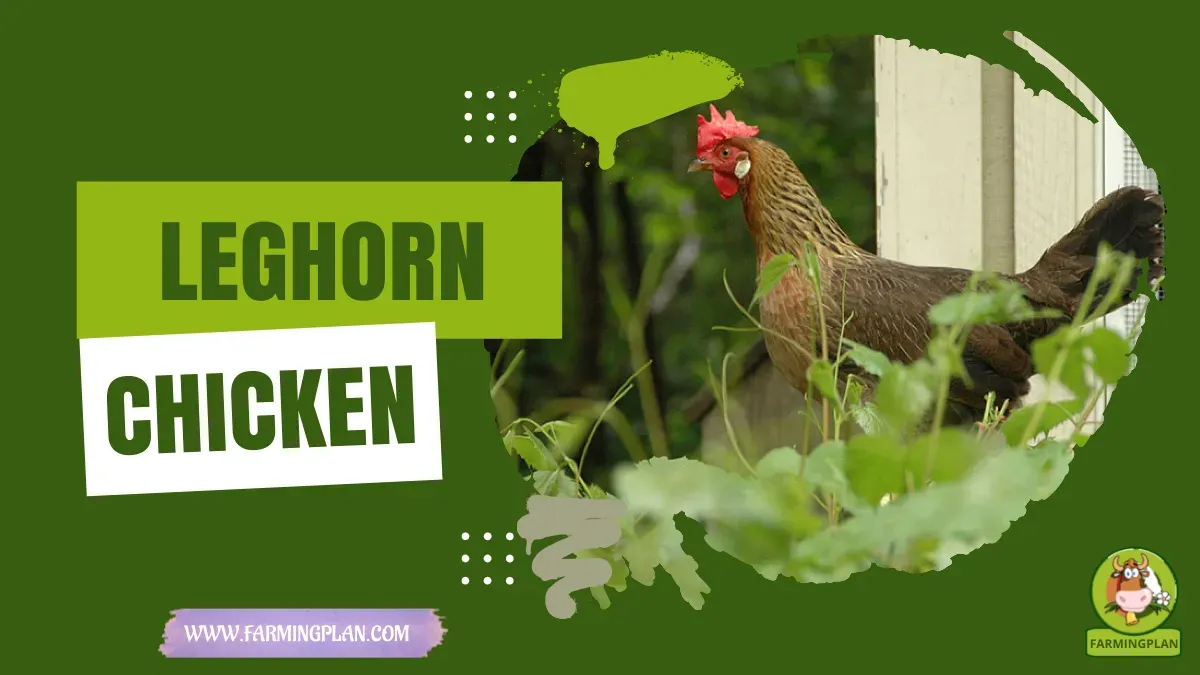
The Leghorn presents a light, active, and athletic silhouette characterized by a tight, sleek plumage wrap and a prominent breast carried well forward. The back is of medium length, sloping gently downward before rising sharply into an expansive, full-spread tail carried at a 40-degree angle on roosters and 35 degrees on hens. Seasonal adjustments to shelter and diet keep leghorn chicken thriving year-round.
Their head features bright bay-red eyes and smooth, oval, porcelain-white earlobes that serve as a reliable visual indicator of white-shelled eggs. In the Single Comb variety, roosters sport a large, deeply serrated five-point comb held proudly erect, while the hen’s comb stands upright at the first point before folding gracefully to one side without covering the eye. Their shanks and toes are smooth, unfeathered, and deep yellow. Proper record-keeping makes breeding and culling decisions easier for leghorn chicken keepers.
APA Color Varieties
While the White Leghorn dominates commercial production, the APA recognizes a diverse spectrum of heritage plumage patterns: Dark Brown, Light Brown, White, Black, Buff, Silver, Red, Black-Tailed Red, and Columbian. Heritage Brown and Silver varieties display magnificent wild-type ancestral color genetics while retaining the breed’s legendary laying vigor. Providing adequate space and ventilation prevents common stress issues in leghorn chicken.
⚡ Leghorn Performance & Production Matrix
| Performance Metric | Benchmark Value | Economic Production Benefit |
|---|---|---|
| Annual Egg Production | 280 – 320 eggs/year | Unsurpassed laying volume across first two production years |
| Daily Feed Consumption | 3.0 – 3.5 oz (85 – 100g) | Extremely low maintenance cost per dozen eggs produced |
| Feed-to-Egg Ratio | 1.8 to 2.1 lbs feed per lb eggs | Highest biological feed efficiency in modern agriculture |
| Broodiness Tendency | Virtually Zero (< 1%) | Never loses production weeks to maternal sitting cycles |
| Heat Tolerance | Superior (tolerates 95°F–102°F) | Large combs and lean frames dissipate tropical heat rapidly |
Breed History, Heritage & North American Development
Leghorns trace their lineage to native Italian fowl historically known as “Livornese,” named for the Tuscan port of Livorno. In 1828, Captain Gates of the ship Betsy imported the first brown and white specimens into Mystic, Connecticut. New England breeders immediately recognized the birds’ phenomenal egg-laying frequency and began refining strains for consistent body conformation and clean white shells. Understanding breed-specific traits helps maximize leghorn chicken longevity and output.
The American Poultry Association admitted the Single Comb White, Brown, and Black Leghorns in its inaugural 1874 Standard of Excellence. During the mid-twentieth century, geneticists developed specialized industrial hybrid inbred lines from purebred White Leghorn stock, creating the modern commercial layer that feeds cities across the globe. Routine preventive care saves time and lowers veterinary costs for leghorn chicken.
Preservation of heritage non-industrial Leghorns remains vital. Unlike commercial strains that burn out after 72 weeks of laying, standard-bred heritage Leghorns maintain productive laying cycles into their fourth and fifth years while displaying hardy pasture foraging capabilities. Matching forage or ration quality to life stage optimizes leghorn chicken growth.
Housing, Fencing & US Climate Hardiness
Leghorns are athletic fliers capable of launching themselves straight upward to roost in barn rafters 10 to 12 feet high. Outdoor runs must be enclosed with overhead anti-flight netting, or perimeter boundary fences must stand at least 8 feet tall. Provide 4 square feet of indoor floor space per bird and install roosts 3 to 4 feet off the ground. Gradual dietary transitions protect digestive stability in leghorn chicken.
Leghorns excel in hot, humid climates from Texas to Florida, where large combs and slender bodies radiate body heat without heat prostration. However, in northern states (USDA zones 3 to 6), large male single combs are prone to frostbite if coops lack dry ventilation. Keep coops bone dry with deep pine shavings, or choose the Rose Comb Leghorn variety for sub-zero winter regions. Selecting healthy foundation stock is the cornerstone of successful leghorn chicken management.
Nutritional Requirements, Daily Rations & Feeding Protocols
Because a Leghorn hen deposits roughly 2 grams of pure calcium into an eggshell almost every single day, proper mineral nutrition is vital. Feed a high-grade 16% to 18% crude protein layer crumble ration fortified with vitamin D3, methionine, and trace minerals. For detailed feed blending techniques, explore our practical guide to poultry feeds and grower nutrition. Good predator-proofing and dry bedding safeguard leghorn chicken comfort in harsh weather.
Always provide free-choice crushed oyster shell in separate containers alongside commercial feed. Free-ranging Leghorns actively hunt insects, beetles, and tender clover, offsetting up to 25% of their grain intake during spring and summer foraging flushes. Monitoring water quality and mineral balance directly benefits leghorn chicken vitality.
Health Management, Common Diseases & Biosecurity Standards
Due to intense egg production velocity, Leghorns are metabolically prone to egg peritonitis and prolapsed vent if pushed with excessive artificial lighting before reaching full skeletal frame maturity at 20 weeks. Avoid jump-starting pullet laying with 24-hour lights; allow birds to develop naturally on standard day-length cycles. Practical hands-on husbandry ensures consistent results when raising leghorn chicken.
Because active foragers range widely, practice rigid biosecurity barriers to prevent contact with wild songbirds and rodents that transmit avian parasites and Salmonella. Follow biosecurity guidelines published by the USDA Defend the Flock Resource Hub to protect commercial and pasture flocks from Newcastle disease and Avian Influenza. Early intervention at the first sign of lethargy protects overall leghorn chicken flock or herd health.
Breeding Management, Incubation & Chick Brooding
Centuries of selective breeding for non-stop egg laying completely eradicated maternal broodiness in Leghorn hens. To hatch chicks, collect pristine white hatching eggs and incubate them artificially at 99.5°F and 45% relative humidity for 21 days, or place eggs under a broody foster mother like a broody Silkie hen. Structured culling and biosecurity protocols strengthen leghorn chicken genetic quality.
Leghorn chicks hatch quickly, feather rapidly within three weeks, and display extraordinary vigor. Brood chicks at 95°F during week one, lowering temperatures by 5°F each week. Provide ample feeder space so active chicks do not crowd or trample smaller companions. Maintaining clean feeders and sanitized equipment supports sustainable leghorn chicken care.
In commercial and pastured operations, pullet flock uniformity dictates long-term egg revenue. Monitor pullet body weights weekly from 8 to 18 weeks of age, aiming for an average flock target of 3.0 to 3.2 lbs at first egg drop. Flocks with 85% weight uniformity achieve sharper peak production curves exceeding 94% laying rates during mid-production cycles. Consistent daily observation helps keepers spot early changes in leghorn chicken health and behavior.
During high-temperature summer stretches exceeding 90°F, high-yielding Leghorn hens reduce feed intake, leading to thinner eggshells. Implement midnight feeding programs by turning coop lights on for 60 to 90 minutes in the cool hours of the night to encourage hens to consume calcium-rich rations during cooler temperatures. Clean housing, fresh water, and balanced nutrition remain essential for leghorn chicken productivity.
Because Leghorns are intensely active and energetic, close confinement can trigger aggressive feather pecking. Prevent behavioral vices by providing continuous environmental enrichment, including hanging cabbage heads, alfalfa hay nets, and designated dust bathing boxes filled with dry play sand and wood ash. Tracking feed intake and body condition supports long-term leghorn chicken performance.
US Ownership Budget & Annual Maintenance Costs
Day-old Leghorn pullet chicks cost between $3.00 and $4.50 from standard hatcheries, making them one of the most budget-friendly poultry breeds available. Their low feed consumption maximizes profitability. The table below outlines annual maintenance expenses for a backyard flock of four Leghorn hens. Following biosecurity best practices reduces disease risk in any leghorn chicken operation.
⚡ Estimated Annual Budget & Maintenance Costs (USD)
| Expense Category | Scope & Annual Quantity | Estimated Annual Cost (USD) |
|---|---|---|
| High-Efficiency Layer Rations | 320 lbs 16% complete poultry pellets | $130 – $175 |
| Coop Shavings & Bedding | 10 bags kiln-dried pine shavings | $70 – $110 |
| Oyster Shell, Grit & Minerals | Calcium supplement and insoluble granite grit | $35 – $55 |
| Flock Health & Dewormer | Electrolytes, poultry dust, vitamins | $25 – $45 |
| Overhead Run Netting & Hardware | Anti-flight netting and feeder maintenance | $45 – $75 |
| Total Estimated Annual Operating Cost | Complete maintenance budget for 4 Leghorn hens | $305 – $460 / year |
🐔 Leghorn Chicken Flock Feed & Egg Yield Calculator
Estimate daily layer feed (lbs), monthly 50-lb feed bags, coop and run requirements, and expected weekly fresh egg yield for your Leghorn Chicken flock.
Frequently Asked Questions (FAQ)
How many eggs does a Leghorn chicken lay per year?
A Leghorn hen lays between 280 and 320 large white eggs per year, averaging 5 to 6 eggs per week. They start laying early, around 18 to 20 weeks of age, and continue laying consistently throughout the year.
What color eggs do Leghorn chickens lay?
Leghorn chickens lay clean, chalk-white eggs with smooth, strong shells. The White Leghorn is responsible for virtually all commercial white shell eggs produced in the United States.
Are Leghorn chickens noisy or aggressive?
Leghorns are energetic, nervous, and alert birds that make vocal alarm calls when alarmed by predators. While roosters can be territorial, hens are gentle, though they prefer independent foraging over being held.
Can Leghorn chickens fly over fences?
Yes. Leghorns are lightweight and strong fliers capable of clearing 8-foot fences easily. In small backyard enclosures, keepers should install covered run netting or clip flight feathers on one wing.
Are Leghorns cold hardy in northern winters?
Leghorns tolerate cold weather well if their coop is dry and draft-free. However, their large single combs are prone to frostbite during extreme sub-zero temperatures. In northern states, the Rose Comb Leghorn variety is preferred.
Do Leghorn hens ever go broody?
Leghorn hens almost never go broody. Centuries of intense breeding for non-stop egg production removed their maternal sitting instinct, so keepers must use artificial incubators to hatch chicks.
Expert Verdict & Husbandry Roadmap
The Leghorn chicken is the undisputed economic champion of the poultry world. For homesteaders and commercial producers prioritizing egg yield, low feed overhead, and active pasture foraging, no breed matches the output of the Leghorn. To compare diverse pastured production models across commercial flocks, explore our comprehensive overview of layer poultry farming operations to maximize farm profits. Seasonal adjustments to shelter and diet keep leghorn chicken thriving year-round.
With covered predator-proof runs, dry winter ventilation, and ample calcium supplementation, your Leghorn flock will deliver hundreds of delicious white eggs year after year.
📚Agricultural Reference & Scientific Citations
Standards and physiological data referenced in this guide comply with American Poultry Association (APA), The Livestock Conservancy, and USDA APHIS Avian Biosecurity Standards.


