

⚡ Husumer Pig at a Glance: Key Specifications & Benchmarks
| Scientific Name | Sus scrofa domesticus (Danish-German Saddleback Subtype) |
| German Breed Name | Rotbunte Husumer Schwein (Danish Protest Pig) |
| Breed Origin | North Frisia, Schleswig-Holstein, Germany / Southern Jutland, Denmark |
| Average Mature Boar Weight | 650 to 800 lbs (300 to 360 kg) |
| Average Mature Sow Weight | 500 to 650 lbs (230 to 300 kg) |
| Primary Production Purpose | Pastured bacon, marbled pork roasts, living historical conservation |
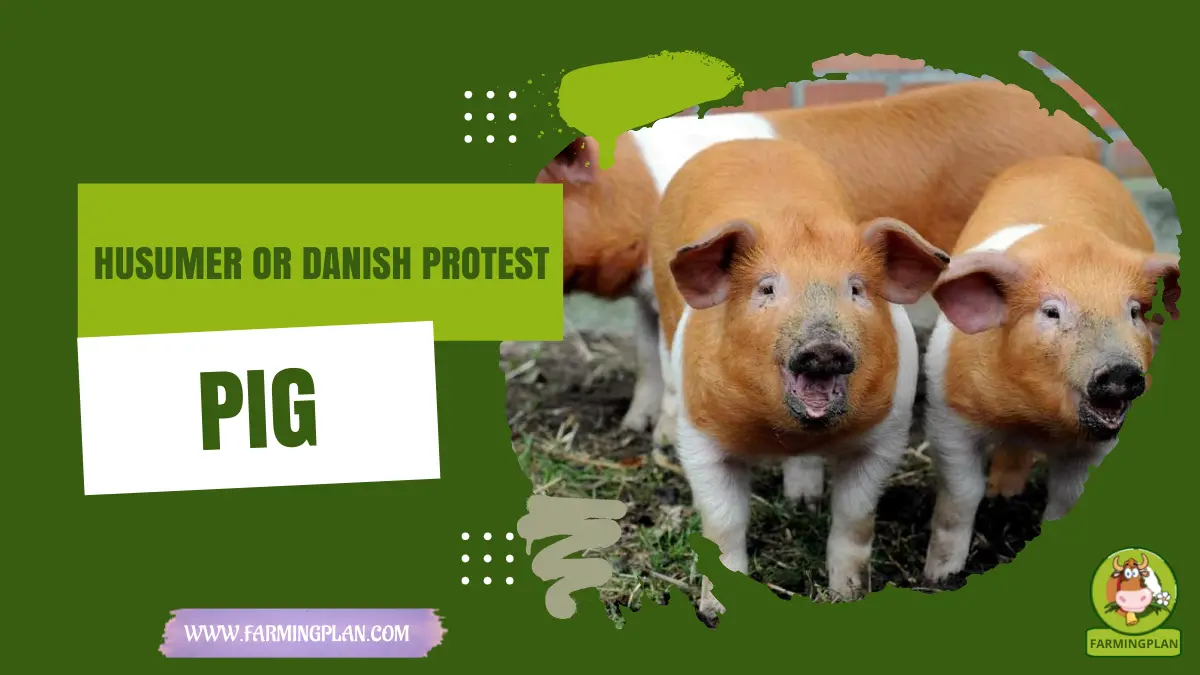
| Signature Coat Color | Vibrant red ground coat with a continuous broad white saddle and belt |
| Conservation Status | Extremely Endangered (Category I on the GEH Red List) |
The Husumer pig, internationally celebrated as the Danish Protest Pig (Rotbunte Husumer Schwein), possesses one of the most romantic, politically defiant, and culturally fascinating histories in the global annals of animal husbandry. Originating in the borderlands of North Frisia and Southern Jutland in the late nineteenth century, this striking red-and-white belted swine was bred by North Frisian farmers as an ingenious act of patriotic defiance. When Prussian authorities banned the flying of the red-and-white Danish national flag (the Dannebrog) following the Second Schleswig War, Frisian crofters bred a pig with a fiery red body and a bold white cross-saddle, effectively displaying their forbidden national colors in their front pastures. Maintaining clean feeders and sanitized equipment supports sustainable Husumer Pig care.
Homesteaders exploring our comprehensive pig farming and swine herd management guides will discover in the Husumer far more than historical symbolism. The breed is a colossal, robust outdoor grazer engineered to thrive on cold, wet North Sea coastal marshes. Possessing thick skin, dense bristles, and strong legs, the Husumer roots and grazes outdoor pastures with effortless hardiness.
Beyond historical charisma, the Husumer pig yields extraordinary culinary pork. Their long loin delivers rich, deeply marbled streaky bacon, while their succulent roasts carry firm, white backfat that renders into silky, nutrient-dense lard.
Their calm, gentle disposition and attentive maternal instincts make managing breeding boars and sows exceptionally safe for family smallholders and educational farmsteads. Consistent daily observation helps keepers spot early changes in Husumer Pig health and behavior.
Physical Characteristics & Breed Standards
The Husumer pig displays an impressive, large-framed, and muscular commercial body type that conveys physical strength and functional balance. The back is long and level, supported by stout, straight-boned legs and hard dark hooves designed to handle wet pasture mud.
The head is long and refined with a straight nasal bridge, wide forehead, and bright, alert eyes. The ears are large and semi-lop, carried forward to shade the eyes while remaining responsive to outdoor sounds.
Conformation Standards & Anatomical Structure
The chest is broad and exceptionally deep, housing large heart and lung capacity vital for cold outdoor living. The sides are long and deep, providing generous bacon yield, while the hams are full, rounded, and carried low toward the hocks.
The skin is supple, thick, and healthy, clothed in dense, coarse bristles that insulate the body during winter. The tail is set high, thick at the base, and carried with a lively curl that signals robust digestive health. Clean housing, fresh water, and balanced nutrition remain essential for Husumer Pig productivity.
Size, Weight Benchmarks & Color Variations
Mature Husumer boars reach live weights of 650 to 800 lbs (300 to 360 kg) and shoulder heights of 34 to 38 inches (86 to 96 cm). Mature sows stand 31 to 35 inches (78 to 88 cm) and weigh between 500 and 650 lbs (230 to 300 kg).
Plumage coloration is strictly defined: a rich, vibrant reddish-orange ground color interrupted by a complete, continuous white belt that encircles the shoulders, forelegs, and chest, creating the visual image of the Danish flag. A subtle white dorsal stripe along the spine completes the historic ‘cross’ pattern.
⚡ Husumer Pig Performance & Production Matrix
| Pastured Swine Benchmark | Husumer Pig Standard | Modern Industrial Hybrid | Homestead Benefit |
|---|---|---|---|
| Coat Color & Pattern | Red with white saddle belt | Plain industrial white | Unique historical living conservation showcase |
| North Sea Weather Hardiness | Exceptional rain & cold tolerance | Requires indoor climate control | Thrives outdoors in cold, wet coastal and northern climates |
| Bacon Carcass Quality | Deeply marbled / firm fat | Watery lean / low flavor | Premium artisanal bacon and dry-cured charcuterie |
| Pasture Foraging Vigor | Active grazer / roots brush | Confined feed-only | Substantially lowers grain feeding costs on rotational forage |
| Temperament Score | Placid, friendly, handleable | Easily stressed / flighty | Safe and enjoyable interaction for family homesteaders |
Breed History, Heritage & North American Development
The creation of the Husumer pig began after the 1864 war between Prussia and Denmark, which placed North Frisia under Prussian rule. Denied the right to fly their beloved Dannebrog flag, local farmers selectively crossed red Tamworth swine with white-belted Angeln Saddlebacks and regional marsh hogs to forge a living symbol of Danish identity.
By the early 1900s, the breed was well-established across North Frisia, celebrated for its high growth rates and bacon marbling. However, following World War II, modernization led to its near-total disappearance, with the breed declared extinct in the late 1960s. Tracking feed intake and body condition supports long-term Husumer Pig performance.
In 1984, heritage livestock enthusiasts discovered surviving individuals displaying true Husumer phenotype at the Berlin Zoo. The Society for the Conservation of Old and Endangered Livestock Breeds (GEH) launched a dedicated recovery program, establishing a formal studbook.
Today, breeding populations are carefully managed across Germany and Denmark, with growing international interest from heritage livestock guardians who cherish its rich history and outstanding pork quality.
Housing, Shelter Dimensions & Winter Hardiness
Housing Husumer pigs requires recognizing their natural adaptation to cold, breezy, and damp coastal conditions. Confinement inside warm, unventilated indoor facilities triggers respiratory problems and behavioral stress.
Provide mobile A-frame field huts or arched steel shelters offering at least 55 to 70 square feet of covered space per mature sow. Construct shelters on heavy wooden skids so they can be easily towed to fresh ground during rotational pasture cycles. Following biosecurity best practices reduces disease risk in any Husumer Pig operation.
During winter months, pack shelters deeply with clean wheat straw or wood shavings; the pigs will nest together, using their communal body heat to stay comfortable in sub-zero weather without heat lamps.
Spatial Density & Enclosure Engineering
Pasture fencing requires two strands of high-tensile electric wire at 6 and 18 inches, energized to at least 5,500 volts. Because Husumer pigs are smart and curious, establish secure perimeter fencing and train young pigs in a small corral before pasture release.
Paddock stocking density averages 5 to 6 market hogs per acre on rotational forage, moving herds every 10 to 14 days to preserve soil vegetation. Ensure outdoor wallow areas or automatic waterers have gravel footings to prevent deep mud bogs.
Nutritional Requirements, Daily Rations & Feeding Protocols
Husumer pigs are efficient roughage converters that enthusiastically graze clover leys, chicory, native pasture grasses, and seasonal root crops. Their digestive tract handles high-fiber forage with exceptional nutrient extraction. Seasonal adjustments to shelter and diet keep Husumer Pig thriving year-round.
Comparing feeding rations in our Berkshire pig feeding and pork guide shows how pasture forage enhances pork marbling. Supplementing with balanced grain concentrates ensures steady, uniform growth.
Crude Protein Benchmarks Across Life Stages
Growing feeder pigs require a 15% to 16% crude protein (CP) ground grain ration composed of cracked barley, oats, field peas, and a complete swine vitamin-mineral premix, fed at approximately 3.0% of body weight daily alongside pasture forage.
Adult breeding sows maintain body condition on pasture plus 4 to 5 lbs of a 13% CP maintenance feed daily during gestation, increasing to free-choice 16% lactation feed while nursing large litters.
Supply clean, fresh water continuously via pressurized nipple drinkers mounted on concrete pads. A finishing pig drinks 3 to 5 gallons of fresh water daily to maintain proper hydration and digestive function. Proper record-keeping makes breeding and culling decisions easier for Husumer Pig keepers.
Health Management, Common Diseases & Biosecurity Standards
Husumer pigs enjoy robust immune health and rarely experience the leg unsoundnesses that afflict confinement breeds. However, pastured swine must be protected from external parasites and soil-borne pathogens.
Flock and herd managers should maintain biosecurity protocols aligned with the USDA Animal and Plant Health Inspection Service (APHIS) Swine Health Guidelines.
Quarantine all incoming breeding stock for 30 days in an isolated pen, testing for brucellosis and pseudorabies before herd turnout. To evaluate alternative bloodlines and practical management routines, check our Gottingen Minipig overview.
Biosecurity Protocols & Veterinary Defenses
Vaccinate breeding stock annually against Erysipelas and Leptospirosis 4 weeks prior to breeding. Implement a targeted deworming schedule using fenbendazole or ivermectin in spring and autumn to control roundworms and lungworms. Providing adequate space and ventilation prevents common stress issues in Husumer Pig.
Check ears and skin periodically for swine mange mites (*Sarcoptes scabiei*). Provide natural mud wallows in summer, which cools pigs and smothers external biting insects naturally.
Breeding Management, Conservation Genetics & Piglet Care
Husumer gilts reach breeding maturity at 8 to 9 months of age when reaching approximately 270 to 300 lbs. Sows are legendary for their calm, protective mothering, producing generous milk from 14 well-developed teats.
Gestation lasts 114 days, culminating in unassisted farrowing in outdoor huts in over 96% of births. Sows deliver litters of 8 to 11 vigorous piglets that nurse colostrum within minutes without fear of crushing.
Wean piglets naturally at 8 weeks onto pasture and creep feed, allowing them to develop strong immune defenses, mirroring practices in our Duroc pig production care guide. Understanding breed-specific traits helps maximize Husumer Pig longevity and output.
US Ownership Budget & Annual Maintenance Costs
Establishing a herd of Husumer pigs requires modest capital for fencing, portable huts, and breeding stock. Below is an itemized annual budget in US dollars.
💰 Estimated Annual Budget & Maintenance Costs (USD)
| Budget Category | Item Description & Scope | Initial Capital Outlay | Annual Recurring Expense |
|---|---|---|---|
| Registered Breeding Gilt | Purebred Husumer gilt from certified conservation lines | $350 – $600 | Initial investment |
| Pasture Supplemental Feed | Ground grains and swine mineral premix (700 lbs/pig) | $120 – $180 | $150 – $230 per head annually |
| Electric Fencing & Solar Charger | Polywire, posts, and solar energizer unit | $180 – $350 | $30 – $60 maintenance |
| Veterinary Vaccines & Health Care | Erysipelas vaccines, dewormers, and veterinary visits | $25 – $40 | $30 – $50 per head |
| Mobile Field Arcs & Straw Bedding | Skid-mounted shelter and clean wheat straw | $130 – $260 | $35 – $55 annually |
🐖 Husumer Pig Swine Daily Feed Calculator
Calculate daily grower/finisher rations (lbs), monthly 50-lb feed bags, pen space, and water needs for your Husumer Pig pigs.
Frequently Asked Questions (FAQ)
Why is the Husumer pig called the Danish Protest Pig?
In the late 1800s, Prussian rulers banned the Danish flag in North Frisia; local farmers defiantly bred the Husumer pig with a red body and white belt to display the Danish flag colors.
Are Husumer pigs good for outdoor pasture farming?
Yes, they were developed for outdoor life on cold North Sea coastal marshes, possessing thick skin and coarse bristles that provide exceptional weather and cold tolerance.
What does Husumer pork taste like?
Husumer pork is deeply marbled, dark, and succulent, with firm backfat that produces world-class dry-cured bacon and flavorful roasts celebrated by artisan charcutiers.
How large do Husumer pigs grow?
Mature Husumer boars weigh between 650 and 800 lbs (300 to 360 kg), while mature sows weigh between 500 and 650 lbs (230 to 300 kg), making them a heavy heritage breed.
Are Husumer pigs endangered?
Yes, the Husumer pig is an endangered heritage breed on the GEH Red List, with dedicated conservation programs preserving its unique cultural history and genetics.
Expert Verdict & Next Steps for Heritage Swine Guardians
The Husumer pig is an extraordinary living piece of European history, blending defiant cultural symbolism with superb bacon marbling, extreme cold-weather hardiness, and gentle barnyard manners. For homesteaders seeking a rare, captivating heritage animal that thrives on pasture, this breed delivers timeless value.
Before acquiring stock, construct a secure electric paddock, build an insulated mobile arc, and connect with registered conservation breeders. Comparing management systems with other top pasture breeds like the Red Wattle hog production guide will help you build a successful pastured swine enterprise.
📚Agricultural Reference & Scientific Citations
Standards and physiological data referenced in this guide comply with USDA APHIS Swine Health, FAO Domestic Animal Diversity Information System, and the American Veterinary Medical Association (AVMA).


