

⚡ Lahore Pigeon at a Glance: Key Specifications & Benchmarks
| Scientific Classification | Columba livia domestica (Fancy / Form Pigeon Group) |
| Mature Body Weight | 16 to 20 oz (450 to 567 g); heavy, broad-chested body structure |
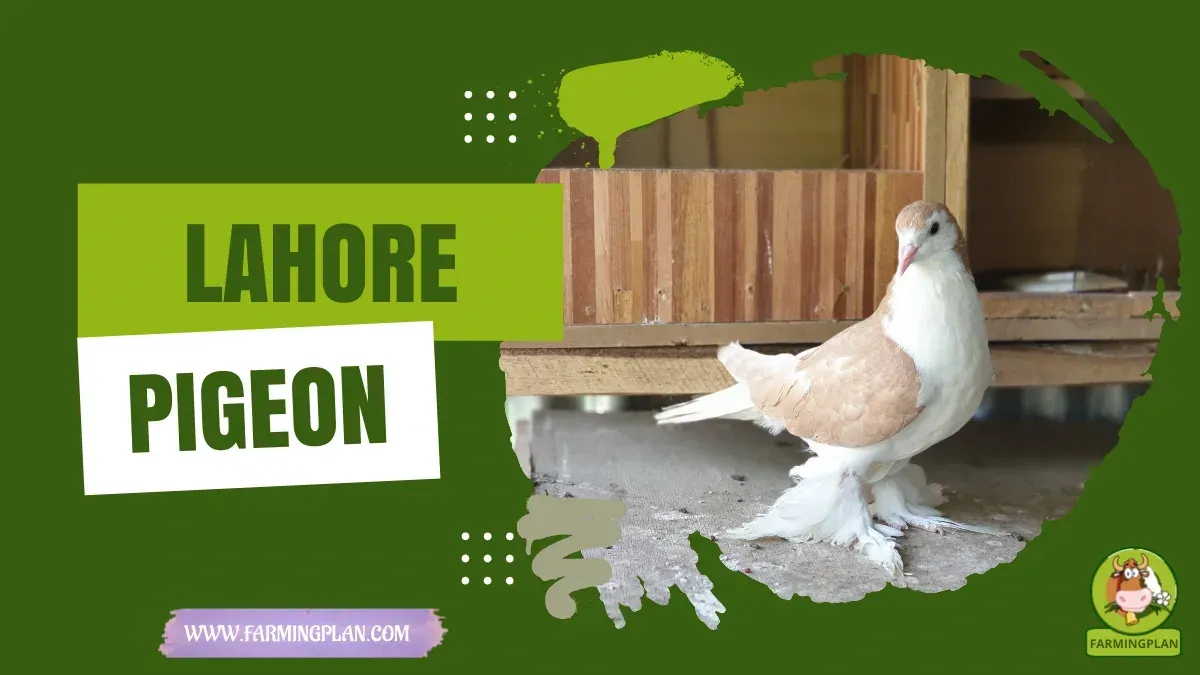
| Signature Color Pattern | Pied marking: colored secondary wing & nape over pure white underbody |
| Plumage Characteristics | Dense feathering, heavily muffed shanks and toes, smooth head |
| Flight Capability | Moderate, low-flying bird; docile ground-oriented disposition |
| Average Lifespan | 10 to 14 years under sound aviary shelter management |
| Nesting & Parenting | Exceptional foster parents; calm sitters and diligent feeders |
| Temperament & Handling | Quiet, placid, friendly, easily managed by beginner aviculturists |
The Lahore Pigeon is globally celebrated as one of the most striking and gentle varieties in fancy aviculture. Named after the historic city of Lahore in ancient South Asia, this distinctive bird combines substantial body mass with an unforgettable contrast of pure white underparts and boldly pigmented wing blankets. Good predator-proofing and dry bedding safeguard Lahore Pigeon comfort in harsh weather.
Unlike aggressive utility strains or skittish wild doves featured in our pigeons and aviary birds management guide, the Lahore Pigeon exhibits an exceptionally placid temperament. Its calm disposition makes it a favorite choice for community lofts, educational exhibitions, and family homestead aviaries across North America. Monitoring water quality and mineral balance directly benefits Lahore Pigeon vitality.
Beyond its visual appeal, the Lahore is renowned for its reliability as a foster parent. Many fancy pigeon breeders maintain a pair of Lahores specifically to raise delicate squabs of rarer breeds that exhibit poor maternal instincts. This detailed husbandry guide outlines housing construction, nutritional formulations, and show preparation standards for US keepers. Practical hands-on husbandry ensures consistent results when raising Lahore Pigeon.
Physical Characteristics & Breed Standards
Breed standards published by the National Pigeon Association (NPA) emphasize balanced proportions, solid bone substance, and sharp demarcation between white and colored feather zones. The Lahore presents a broad, full breast carried slightly elevated, giving the bird an imposing yet graceful stance.
Marking Pattern & Conformation Standards
The defining breed characteristic is its unique pied pattern. The base color covers the back of the neck, running down over the shoulders, back, and secondary wing feathers. In contrast, the throat, breast, belly, vent, primary flight feathers, and rump must remain immaculate, sparkling white. A sharp, crisp division between colors is required for show ribbons. Early intervention at the first sign of lethargy protects overall Lahore Pigeon flock or herd health.
The legs and toes are thickly cloaked in dense muff feathers that radiate outward, shielding the feet from cold surfaces. The head is broad and round, bearing a bright hazel or bull eye framed by pale, soft flesh ceres. The beak is medium in length, stout, and flesh-colored, contributing to the breed’s pleasant expression. Structured culling and biosecurity protocols strengthen Lahore Pigeon genetic quality.
Size Benchmarks & Recognized Color Morphs
Mature Lahore cocks weigh between 18 and 20 ounces (510 to 567 grams), while hens average 16 to 18 ounces (450 to 510 grams). Recognized standard colors include classic black, lavender, chocolate, red, yellow, dun, and blue-bar markings. In all color varieties, feather quality must remain tight and glossy without dry fraying.
⚡ Lahore Pigeon Performance & Production Matrix
| Performance Parameter | Standard Benchmark | Exhibition Standard | Breeder Management Objective |
|---|---|---|---|
| Mature Body Weight | 16–20 oz (450–567 g) | Broad, rounded brisket | Prevent excess abdominal fat deposits |
| Pied Color Definition | Clear boundary on neck | Razor-sharp separation line | Cull birds with white bib smudges |
| Leg & Muff Feathering | Thickly feathered to toes | Symmetrical outer sweep | Inspect weekly for damp droppings |
| Brooding & Parenting | Dependable clutch sitters | Heavy crop milk volume | Utilize as reliable foster parents |
| Aviary Behavior | Placid, docile demeanor | Non-confrontational cocks | Ideal for mixed-breed fancy lofts |
Breed History, Heritage & North American Development
The Lahore traces its heritage to the historical Punjab region, spanning modern Pakistan and northern India. Historically bred for both its rich markings and succulent squab meat, the breed underwent intensive selection by court aviculturists who favored peaceful temperament and symmetrical coloration over raw flight speed. Maintaining clean feeders and sanitized equipment supports sustainable Lahore Pigeon care.
During the late 19th and early 20th centuries, European fanciers imported the Lahore into Germany and Great Britain, where breeders further accentuated its broad head structure, dense foot muffs, and exact marking boundaries. The breed was formally introduced to the United States following World War II, quickly capturing the attention of pigeon hobbyists. Consistent daily observation helps keepers spot early changes in Lahore Pigeon health and behavior.
The Lahore Club of America was founded to maintain rigorous breeding standards and sponsor specialty exhibition rings at national events. Today, the American standard emphasizes a slightly larger frame and cleaner feather lines than ancestral strains, solidifying its place as a cornerstone fancy breed across North American lofts. For additional husbandry benchmarks and feeding standards, explore our complete English Carrier Pigeon care guide.
Conservation of pure bloodlines remains active, with breeders paying close attention to genetic diversity. While commercial hatcheries focus on industrial production, dedicated hobbyists preserve the unique markings and calm maternal instincts that define the Lahore heritage. Clean housing, fresh water, and balanced nutrition remain essential for Lahore Pigeon productivity.
Housing, Shelter Dimensions & Winter Hardiness
Housing for Lahore Pigeons must reflect their physical heft and gentle nature. Because they are not high flyers, tall flight aviaries are unnecessary. Instead, prioritize expansive floor surfaces, wide access ramps, and low-level roosting ledges that protect their long foot feathers. Tracking feed intake and body condition supports long-term Lahore Pigeon performance.
Loft Dimensions & Foot Sanitation
Allocate a minimum of 4 to 5 square feet of indoor coop floor space per adult pair, combined with an attached predator-proof outdoor flight pen providing at least 8 square feet per pair. Install flat perches measuring 5 to 6 inches wide, positioned between 12 and 24 inches off the floor to prevent hard landings that bruise foot soles. Following biosecurity best practices reduces disease risk in any Lahore Pigeon operation.
Sanitation of the loft floor is vital for muff health. Coarse pine shavings, dry river sand, or kiln-dried hardwood pellets absorb moisture efficiently. Saturated bedding sticks to foot quills, causing fecal balls that restrict blood flow to the toes. Scrape perches twice weekly and replace soiled bedding under perches promptly.
Lahore Pigeons are remarkably cold hardy, enduring winter temperatures down to 10°F (-12°C) without artificial heating, provided the coop is draft-free and dry. Adequate roof ventilation that exhausts warm, moist air without creating chilling floor drafts prevents respiratory infections and frostbitten feet. Seasonal adjustments to shelter and diet keep Lahore Pigeon thriving year-round.
Nutritional Requirements, Daily Rations & Feeding Protocols
A balanced grain diet fuels feather development, sustains muscular density, and supports squab rearing. Pigeons lack teeth and swallow seeds whole, utilizing a thick-walled muscular gizzard to pulverize hard grains into digestible nutrients with the aid of mineral grit. Proper record-keeping makes breeding and culling decisions easier for Lahore Pigeon keepers.
Dietary Formulations & Seasonal Rations
During the non-breeding winter months, provide a 13% to 14% crude protein blend composed of hard yellow corn, milo, Canadian field peas, white wheat, and barley. Adult Lahores consume approximately 1.2 to 1.6 ounces (34 to 45 grams) per bird daily. Provide rations in covered wooden feed hoppers to prevent contamination.
During the active breeding and molting period, increase protein concentration to 16% to 18% crude protein by incorporating safflower, Austrian peas, and black sunflower seeds. Supplementation strategies for diverse domestic species can be explored in our broader farm animals and pets care index. Providing adequate space and ventilation prevents common stress issues in Lahore Pigeon.
Ensure that birds have continuous access to mineral grit enriched with calcium carbonate, oyster shell, trace minerals, and dicalcium phosphate. Fresh, clean water must be replenished daily in enclosed gravity fountains that keep birds from wading into the water tray. Understanding breed-specific traits helps maximize Lahore Pigeon longevity and output.
Health Management, Common Diseases & Biosecurity Standards
Maintaining high flock health requires consistent preventative sanitation, parasite management, and biosecurity vigilance. Due to their dense plumage and foot muffs, Lahores require regular inspections to detect external parasites before infestations compromise bird vigor.
Parasite Control, Respiratory Health & Quarantine
Common external parasites include pigeon lice (Columbicola columbae) and red mites (Dermanyssus gallinae). Inspect the undersides of primary wing quills and muff feathers monthly. Treat lofts with pyrethrin sprays or food-grade diatomaceous earth. Dust nest bowls between clutches to protect vulnerable squabs. Routine preventive care saves time and lowers veterinary costs for Lahore Pigeon.
Respiratory ailments like ornithosis (chlamydiosis) and mycoplasmosis can spread rapidly through crowded or poorly ventilated lofts. Keep humidity levels below 65% and maintain strict biosecurity protocols aligned with the USDA APHIS National Avian Biosecurity Standards to safeguard birds against wild avian pathotypes. Matching forage or ration quality to life stage optimizes Lahore Pigeon growth.
Isolate incoming show birds or newly purchased breeding pairs in a dedicated quarantine cage for 30 days before integration into the main flock. Administer routine annual vaccinations against Pigeon Paramyxovirus (PMV-1) and Pigeon Pox to prevent severe nervous system trauma and skin lesions. Gradual dietary transitions protect digestive stability in Lahore Pigeon.
Breeding Management, Incubation & Brooding Offspring
Lahore Pigeons are monogamous, attentive partners that exhibit strong nest defense and generous feeding habits. Because of their heavy bodies and feathered feet, nest box dimensions must be generous to prevent parent birds from accidentally kicking eggs or squabs from the nest.
Nest Box Sizing & Fostering Protocols
Provide nest boxes measuring at least 24 inches wide, 14 inches deep, and 14 inches high, equipped with a 3-inch retaining front lip. Use heavy ceramic or composite nest bowls measuring 9 to 10 inches in diameter. Line bowls with coarse pine straw or washed tobacco stems to provide stable footing for newly hatched chicks. Selecting healthy foundation stock is the cornerstone of successful Lahore Pigeon management.
The hen typically lays two white eggs per clutch, 44 hours apart. Incubation lasts 17 to 19 days, with the cock sitting during the middle of the day and the hen taking over from late afternoon through the night. Compare this parenting efficiency with the active Archangel Pigeon breed guide. Good predator-proofing and dry bedding safeguard Lahore Pigeon comfort in harsh weather.
Young squabs grow rapidly on parents’ protein-rich crop milk during the first 7 days, transitioning to softened whole grains thereafter. Squabs fledge at approximately 28 to 32 days of age, at which point they should be moved to a weaning pen to feed independently on starter grain mixes.
US Ownership Budget & Annual Maintenance Costs
Owning and breeding Lahore Pigeons is an accessible hobby with modest recurring operating costs. Starter breeding pairs from reputable bloodlines cost between $50 and $150, while exhibition-grade birds with immaculate markings command $175 to $350 each. Monitoring water quality and mineral balance directly benefits Lahore Pigeon vitality.
⚡ Estimated Annual Budget & Maintenance Costs (USD)
| Expense Category | Estimated Annual Cost Range (USD) | Operational Cost Efficiency Strategy |
|---|---|---|
| Breeding Stock Acquisition | $100.00 – $300.00 initial pair | Source birds from established specialty club breeders |
| Balanced Grain & Seed Rations | $40.00 – $70.00 per adult pair | Purchase grains in bulk 50-lb sacks through local feed mills |
| Mineral Grit & Health Supplements | $15.00 – $25.00 annual loft | Keep grit hoppers elevated to prevent waste and fouling |
| Loft Bedding & Clean Shavings | $30.00 – $55.00 annual supply | Use wire scrape-boards beneath perches to extend bedding life |
| Parasite Treatments & Vaccines | $20.00 – $45.00 annual flock | Implement strict biosecurity to reduce medication requirements |
🕊️ Lahore Pigeon Loft & Grain Mix Calculator
Estimate daily grain ration (lbs), mineral grit, monthly 50-lb feed bags, and minimum indoor loft and outdoor aviary space (sq ft) for your Lahore Pigeon loft.
Frequently Asked Questions (FAQ)
What makes the Lahore Pigeon’s color pattern unique?
The Lahore Pigeon possesses a distinctive pied pattern where the secondary wing feathers, back, and back of the neck are richly colored, while the entire breast, throat, belly, primary flights, and rump remain pure white with sharp demarcation lines.
Are Lahore Pigeons good for beginners?
Yes, Lahore Pigeons are exceptionally docile, quiet, and friendly birds that do not startle easily. Their calm nature and robust constitution make them an ideal choice for novice aviculturists and family homesteads.
Can Lahore Pigeons fly outside freely?
No, Lahore Pigeons are heavy-bodied birds with large foot feathers that limit flight speed and agility. Releasing them outside leaves them highly vulnerable to domestic cats, hawks, and ground predators; they should remain in enclosed aviaries.
How do you care for a Lahore Pigeon’s foot muffs?
Keep the aviary floor clean and completely dry using kiln-dried pine shavings or coarse sand. Inspect foot feathers weekly for accumulated droppings or feather mites, and ensure perches are flat boards rather than narrow round perches.
Why are Lahore Pigeons used as foster parents?
Lahores are devoted, reliable brooders and produce abundant crop milk. Many pigeon fanciers use them to incubate and rear eggs from delicate or rare fancy breeds that exhibit poor maternal instincts or frequently abandon their nests.
Expert Verdict & Next Steps
The Lahore Pigeon remains an enduring treasure of the avicultural community. Combining magnificent visual symmetry with a quiet, patient temperament, it rewards breeders with reliable reproductive success, excellent squab rearing, and high exhibition potential. Practical hands-on husbandry ensures consistent results when raising Lahore Pigeon.
For homesteaders and aviary enthusiasts seeking a tranquil, ornamental bird that enriches the loft without causing friction among flockmates, the Lahore is an unmatched selection. For comparisons with athletic racing strains, explore our detailed profile on the Belgian Homer Pigeon athletic guide.
📚Agricultural Reference & Scientific Citations
Standards and physiological data referenced in this guide comply with American Poultry Association (APA), The Livestock Conservancy, and USDA APHIS Avian Biosecurity Standards.


