

📊 Silver Marten Rabbit at a Glance: Key Specifications & Production Benchmarks
| Scientific Name & Family | Oryctolagus cuniculus (Leporidae Family) |
| ARBA Body Type Category | Commercial Body Type |
| Senior Buck Mature Weight | 6.5 to 8.5 lbs (3.0 to 3.9 kg) |
| Senior Doe Mature Weight | 7.5 to 9.5 lbs (3.4 to 4.3 kg) |
| Coat Fur Classification | Flyback Fur; dense, glossy, shimmering silver ticking |
| Primary Agricultural Purpose | ARBA exhibition showroom, commercial meat fryer, companion |
| Average Litter Size | 6 to 8 active, healthy kits per kindle |
| Fryer Market Performance | 4.5 to 5.0 lbs dressed fryer weight at 10 to 12 weeks |
| Temperament & Disposition | Alert, inquisitive, docile, gentle, easy to pose |
| Average Lifespan in Hutch | 7 to 10 years with clean hutch management and fiber care |
The Silver Marten Rabbit is one of the most aesthetically captivating and versatile domestic rabbit breeds recognized by the American Rabbit Breeders Association (ARBA). Created in the 1920s through serendipitous genetic sports in American Chinchilla rabbit litters, this sleek, commercial-type rabbit is celebrated for its dazzling silver-tipped guard hairs, immaculate white eye circles, and gleaming flyback fur. Selecting healthy foundation stock is the cornerstone of successful Silver Marten Rabbit management.
Whether you are establishing an elite showroom exhibition string or raising sustainable table fryers through our rabbit farming and cuniculture pillar, the Silver Marten offers outstanding dual utility. Their medium commercial frame produces plump, tender meat fryers with an excellent meat-to-bone ratio, while their calm, tractable temperament makes them a favorite for youth 4-H and homestead rabbitries. Good predator-proofing and dry bedding safeguard Silver Marten Rabbit comfort in harsh weather.
Beyond visual appeal, Silver Marten does are attentive mothers with dependable milk production and maternal instincts. In this technical husbandry guide, we analyze ARBA showroom judging standards, cage engineering, high-fiber dietary protocols, kit brooding, and biosecurity defenses against infectious rabbit illnesses.
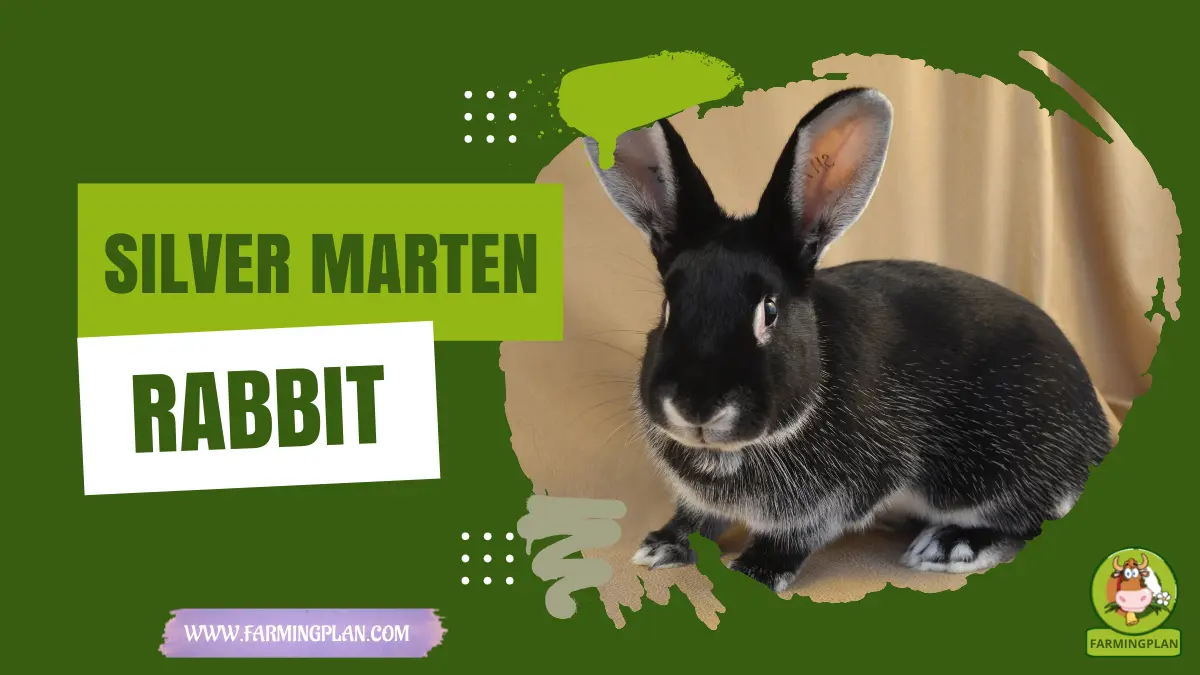
Physical Characteristics & Breed Standards
The Silver Marten presents a medium-sized commercial body type characterized by a compact, muscular frame with full shoulders and broad, deeply rounded hindquarters. When posed on the judging table, their body exhibits balance, firmness, and depth of flesh. Monitoring water quality and mineral balance directly benefits Silver Marten Rabbit vitality.
Their skeletal framework is medium-boned, providing substantial muscle attachment along the loin and hindquarters without coarseness.
Conformation Standards & Anatomical Structure
The head is medium-full, carried erect on a short neck, with bold, bright eyes encircled by pristine silver-white eye circles. The ears are medium in length (around 4 to 4.5 inches), carried erect, well-furred, and bordered with silver-white ticking along the ear edges. Nostrils, jawline, and the nape of the neck (‘triangle’) are adorned with crisp silver-white markings. Practical hands-on husbandry ensures consistent results when raising Silver Marten Rabbit.
The back rises in a gradual, smooth curve from the nape of the neck to its highest point over the center of the hips, falling smoothly to a rounded lower rump. The chest is full and well-muscled. Early intervention at the first sign of lethargy protects overall Silver Marten Rabbit flock or herd health.
The fur is a classic flyback coat: short, exceptionally dense, fine-textured, and lustrous. When stroked backward from rump to head, the fur immediately snaps cleanly back into its natural lying position. Shimmering silver guard hairs tip the lower flanks, hips, and rump, creating a frosty, star-dusted appearance.
Size, Weight Benchmarks & Color Variations
Senior bucks weigh between 6.5 and 8.5 pounds (ideal weight 7.5 lbs), while senior does weigh between 7.5 and 9.5 pounds (ideal weight 8.5 lbs). Junior rabbits under 6 months weigh 3.5 to 6.5 pounds. Structured culling and biosecurity protocols strengthen Silver Marten Rabbit genetic quality.
ARBA recognizes four distinct color varieties: Black (jet black body with silver ticking), Blue (dark slate blue), Chocolate (rich milk chocolate), and Sable (rich sepia brown shading lighter on flanks).
Dressed fryers reach 4.5 to 5.0 pounds at 10 to 12 weeks of age, yielding tender, mild white meat with excellent dress-out percentages around 58%. Maintaining clean feeders and sanitized equipment supports sustainable Silver Marten Rabbit care.
📊 Silver Marten Rabbit Performance & Production Matrix
| Evaluation Metric | Silver Marten Rabbit | American Chinchilla | Netherland Dwarf Marten |
|---|---|---|---|
| ARBA Body Type | Commercial Body Type | Commercial Body Type | Compact Dwarf Type |
| Senior Doe Weight | 7.5 to 9.5 lbs (Medium) | 10.0 to 12.0 lbs (Large) | 2.0 to 2.5 lbs (Tiny Dwarf) |
| Fur Style & Action | Flyback Fur (Dense, glossy) | Rollback Fur (Agouti bands) | Rollback Fur (Dwarf soft) |
| Fryer Meat Capability | Excellent (Fast-growing fryers) | Superior (Heavy commercial) | None (Strict pet/show) |
| Showroom Posing Ease | Very High (Cooperative, alert) | High (Standard commercial) | Moderate (Flighty/nervous) |
Breed History, Heritage & North American Development
The Silver Marten arose in the United States during the early 1920s as an unplanned genetic mutation within American Chinchilla rabbit breeding programs. Breeders crossing Chinchillas with black rabbits (such as Tans or Beverens) to improve pelt density unexpectedly discovered kits exhibiting dark self-colored bodies adorned with dazzling silver-white bellies and eye circles. Consistent daily observation helps keepers spot early changes in Silver Marten Rabbit health and behavior.
Fascinated by this striking marten pattern, pioneer breeders organized the Silver Marten Club in 1927 to standardize the breed. The American Rabbit Breeders Association recognized the Black and Silver varieties in 1927, followed by the Blue variety in 1933, and Chocolate and Sable varieties in subsequent revisions.
Throughout the 20th century, the Silver Marten maintained strong standing among commercial and exhibition rabbitries. Their combination of showroom brilliance, docile disposition, and efficient feed conversion has ensured their enduring status across American homesteads. Clean housing, fresh water, and balanced nutrition remain essential for Silver Marten Rabbit productivity.
Housing, Shelter Dimensions & Winter Hardiness
Housing Silver Marten rabbits requires well-constructed wire cages that preserve their lustrous fur and prevent pododermatitis. Proper ventilation and summer heat mitigation are essential.
Spatial Density & Enclosure Engineering
Provide adult Silver Martens with cages measuring at least 30 inches wide, 30 inches deep, and 18 inches high (6.25 square feet of floor space per rabbit). Construct cages using 14-gauge galvanized wire with 1×2-inch wire mesh for sides and 1/2×1-inch mesh for floors. Tracking feed intake and body condition supports long-term Silver Marten Rabbit performance.
Install smooth plastic resting pads in all cages to provide relief from wire floors and prevent foot calluses. Hang cages inside a well-ventilated, predator-proof shed or barn with cross-ventilation windows that keep indoor ammonia levels strictly below 5 ppm. Following biosecurity best practices reduces disease risk in any Silver Marten Rabbit operation.
Silver Martens thrive in cool temperatures down to 15°F (-9°C) with dry bedding and windbreaks. However, temperatures over 85°F (29°C) pose severe heat-stress hazards; deploy circulating fans and frozen water bottles during hot summer spells.
Nutritional Requirements, Daily Rations & Feeding Protocols
Maintaining the Silver Marten’s glossy, dense coat and lean muscle requires balanced nutrition rich in digestible crude fiber and essential amino acids. Seasonal adjustments to shelter and diet keep Silver Marten Rabbit thriving year-round.
Crude Protein Benchmarks Across Life Stages
Provide continuous, free-choice clean Timothy hay or orchard grass hay 24 hours a day. High-fiber long-stem hay stimulates cecal motility, prevents hairballs (*trichobezoars*), and maintains healthy dental wear.
Feed a commercial 16% crude protein, 18% to 22% crude fiber pelleted rabbit diet. Adult bucks and dry does consume 3.5 to 5.0 ounces (100 to 140 grams) of pellets daily. Lactating does nursing large litters should be free-fed pellets to sustain rich milk yields, referencing feeding standards from our rabbit dietary management manuals. Proper record-keeping makes breeding and culling decisions easier for Silver Marten Rabbit keepers.
Supply clean drinking water daily through 32-ounce ball-point sipper bottles. Refresh water twice daily during freezing winter weather or install heated water systems. Providing adequate space and ventilation prevents common stress issues in Silver Marten Rabbit.
Health Management, Common Diseases & Biosecurity Standards
Silver Martens are genetically robust and free from extreme dwarf or giant health issues, but proper sanitation is necessary to prevent common rabbit ailments. Producers planning a diversified homestead operation often cross-reference our Chinchilla Giganta Rabbit breed and care guide.
Biosecurity Protocols & Veterinary Defenses
Clean manure collection pans every 3 to 4 days, dusting pans with agricultural lime to neutralize ammonia gas that predisposes rabbits to *Pasteurella* respiratory infections. Check ears monthly for ear mite crusts (*Psoroptes cuniculi*), treating promptly with mineral oil. Understanding breed-specific traits helps maximize Silver Marten Rabbit longevity and output.
Protect your rabbitry against Rabbit Hemorrhagic Disease Virus (RHDV2) by administering annual vaccines and practicing strict biosecurity. Adhere to national animal health protocols from the USDA APHIS Rabbit Health Standards and review hutch construction in our predator-proof rabbit housing blueprints.
Groom coats every two weeks with a soft bristle brush or damp hands, increasing grooming frequency during spring and autumn molts to eliminate loose hair and preserve coat shine. Routine preventive care saves time and lowers veterinary costs for Silver Marten Rabbit.
Breeding Husbandry, Color Genetics & Kit Management
Silver Martens breed reliably year-round. The marten gene (at) is recessive to the agouti gene (A) but dominant over self non-agouti (a). Breeding Black Martens together produces pure Black Marten kits with occasional Blue recessives. Matching forage or ration quality to life stage optimizes Silver Marten Rabbit growth.
Senior does reach breeding maturity at 6 to 8 months. Always bring the doe to the buck’s cage for mating. Gestation spans 31 days. Introduce a clean wooden nest box lined with pine shavings and straw on day 28.
Does pull generous belly fur to line the nest. Litters average 6 to 8 energetic kits. Kits open their eyes at 10 days, begin eating pellets at 3 weeks, and wean cleanly at 8 weeks of age. Compare maternal performance with other heritage meat breeds like the Beveren rabbit. Gradual dietary transitions protect digestive stability in Silver Marten Rabbit.
US Ownership Budget & Annual Maintenance Costs
Establishing a Silver Marten rabbitry involves initial wire hutch construction, acquisition of pedigreed ARBA breeding stock, and ongoing pelleted feed and hay expenses.
💰 Estimated Annual Budget & Maintenance Costs (USD)
| Budget Category | Item Description & Scope | Initial Capital Outlay | Annual Recurring Expense |
|---|---|---|---|
| Pedigreed Breeding Trio | ARBA-registered buck and two does from proven showroom lines | $150 – $270 | $0 (self-replenishing stock) |
| Three-Hole Wire Hutch System | Galvanized wire cages (30×30 in), dropping pans & stand | $220 – $380 | $25 – $40 (cage upkeep) |
| Nest Boxes & Poly Resting Pads | Metal nest boxes and poly resting pads for wire floors | $50 – $90 | $15 – $25 (replacements) |
| Complete Rabbit Pellets | 50-lb bags of 16% protein rabbit pellets (approx. 9 bags/year) | $25 (initial bag) | $200 – $260 |
| Premium Timothy Hay Bales | High-fiber Timothy grass hay bales (approx. 10 bales/year) | $20 | $120 – $180 |
| Water Bottles & J-Feeders | Stainless steel gravity feeders and 32-oz sipper bottles | $45 | $15 – $30 |
| Total Silver Marten Budget | Complete initial setup costs and recurring annual maintenance | $510 – $895 | $375 – $535 / year |
🐇 Silver Marten Rabbit Daily Hay & Pellet Calculator
Calculate daily Timothy hay (unlimited bulk), pellet rations, fresh greens, and clean water intake for your Silver Marten Rabbit.
Frequently Asked Questions (FAQ)
What gives the Silver Marten rabbit its unique silver color?
The Silver Marten possesses the marten gene (at), which produces silver-white tipping on guard hairs, white eye circles, and a silver underbelly against a dark coat.
What four color varieties of Silver Marten are recognized?
The American Rabbit Breeders Association recognizes four official varieties: Black, Blue, Chocolate, and Sable, with Black being the most common.
Are Silver Marten rabbits good for meat production?
Yes, Silver Martens are commercial-type rabbits that produce meaty, tender fryers weighing 4.5 to 5.0 pounds by 10 to 12 weeks with high dress-out yield.
What kind of fur does a Silver Marten rabbit have?
They possess a flyback fur coat that is dense, fine, and glossy, snapping quickly back into its natural lying position when stroked from back to front.
How big do Silver Marten rabbits get?
Senior bucks weigh between 6.5 and 8.5 pounds, while senior does are slightly larger, weighing between 7.5 and 9.5 pounds at full maturity.
How long do Silver Marten rabbits live?
Silver Martens enjoy an average lifespan of 7 to 10 years when maintained on high-fiber hay diets, clean wire hutches, and preventative veterinary care.
Expert Verdict & Next Steps for Rabbit Fanciers
The Silver Marten Rabbit is an exceptional domestic breed that combines showroom glamour, docile temperament, and practical meat utility in a manageable medium-sized package. For 4-H exhibitors, fiber crafters, and homestead meat producers, the Silver Marten provides dependable agricultural performance. Selecting healthy foundation stock is the cornerstone of successful Silver Marten Rabbit management.
By providing clean 30-inch wire cages, unlimited Timothy grass hay, and balanced 16% pellets, your rabbitry will thrive across every season. Review our comprehensive evaluation of commercial and heritage rabbit breeds to discover complementary stock for your homestead.
📚Agricultural Reference & Scientific Citations
Standards and physiological data referenced in this guide comply with American Rabbit Breeders Association (ARBA), USDA APHIS Animal Health, and the FAO Domestic Animal Diversity Information System.


