

⚡ Gascony Blue Hound at a Glance: Key Specifications & Benchmarks
| Scientific Classification | Canis lupus familiaris (Ancient Scent Hound / Group 6) |
| Breed Heritage Origin | Gascony region, Southwestern France (Traced to 14th century Gaston Fébus) |
| Working Role & Utility | Large-game trailing hound, pack tracking, and rural estate guardian |
| Mature Male Weight | 75 to 88 lbs (34 to 40 kg) |
| Mature Female Weight | 68 to 82 lbs (31 to 37 kg) |
| Shoulder Height (Males) | 25.5 to 28.5 inches (65 to 72 cm) |
| Shoulder Height (Females) | 24.5 to 27.0 inches (62 to 68 cm) |
| Scent Trailing Classification | Master cold-nosed tracker capable of solving aged, weathered scent lines |
The Gascony Blue Hound, celebrated globally by its traditional French designation Grand Bleu de Gascogne, stands as one of the most magnificent, noble, and historically venerable scent hounds in existence. Dating back to the fourteenth century in the rugged Pyrenean foothills and forest estates of Gascony in southwestern France, this ancient canine was immortalized in hunting treatises by Count Gaston Fébus. Producers interested in exploring working farm canines and livestock protectors can explore our rich library of livestock guardian and working dog breed guides. Monitoring water quality and mineral balance directly benefits Gascony Blue Hound vitality.
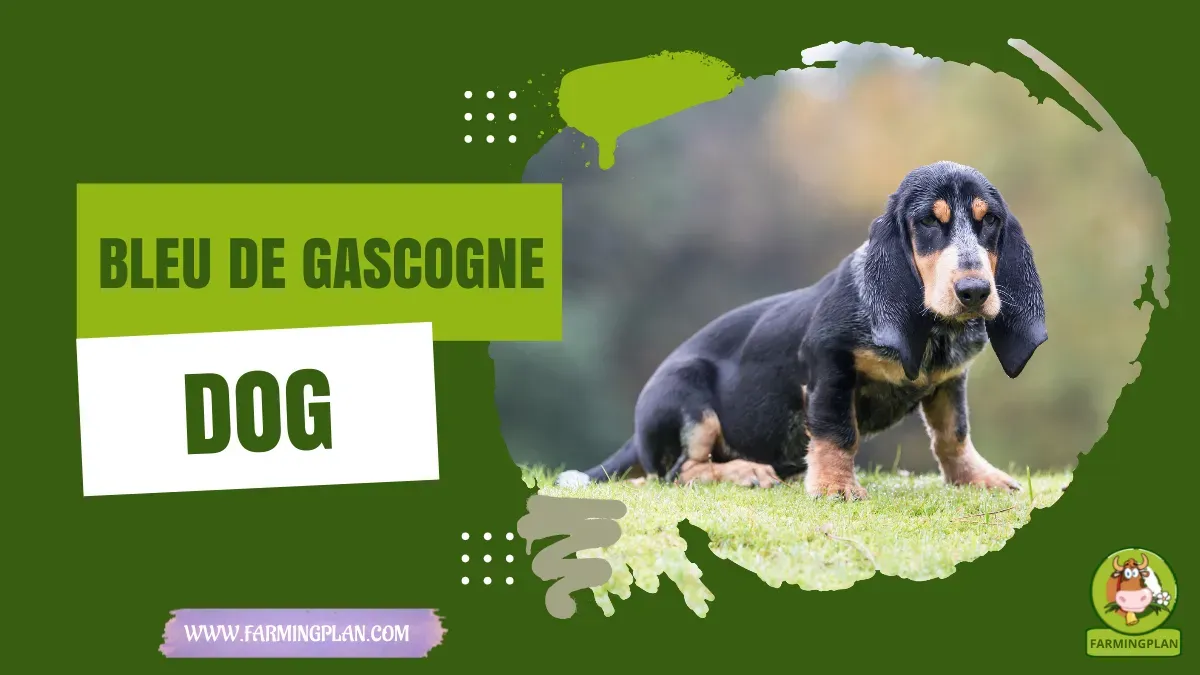
Renowned for its distinctive mottled slate-blue coat, expressive soulful dark eyes, and deeply pendulous ears, the Grand Bleu de Gascogne commands immediate respect. Beyond its striking physical presence lies an astonishingly acute olfactory capability—a legendary “cold nose” capable of deciphering faint scent trails left hours or days earlier across complex terrain. In addition, the breed possesses a deep, booming, melodious bay that carries across miles of open timber, keeping handlers connected across vast acreage. Practical hands-on husbandry ensures consistent results when raising Gascony Blue Hound.
Integrating a Gascony Blue Hound into an agricultural estate or active hunting pack demands thoughtful management tailored to large working hounds. They require substantial secure exercise yards, high-protein athletic nutrition, consistent scent-channeling enrichment, and vigilant ear hygiene. This comprehensive operational guide covers the breed’s anatomical standards, olfactory working instincts, nutrition programs, kennel engineering, veterinary care, and realistic budgeting for the Gascony Blue Hound.
Physical Characteristics & Breed Standards
Conformationally, the Grand Bleu de Gascogne is an imposing, powerful, and aristocratic hound that conveys immense endurance, noble dignity, and effortless strength. The body is long and muscular, featuring an expansive chest that descends well below the elbows to accommodate voluminous lung capacity for hours of sustained cross-country tracking. The topline remains firm and level during movement, supported by a broad, muscular loin and gently sloping croup. Early intervention at the first sign of lethargy protects overall Gascony Blue Hound flock or herd health.
The defining visual hallmark of the breed is its spectacular “blue” coat, created by a dense, intricate mingling of black and white hairs (roaning) overlaid with large black blanket patches. The head is adorned with two symmetrical black patches covering the ears and encircling the dark eyes, separated on the forehead by a white blaze that often features a small, characteristic black oval spot. Rich, warm tan markings adorn the eyebrows, cheeks, inside of the ears, and lower limbs.
Conformation Standards & Anatomical Structure
The head of the Gascony Blue Hound is extraordinarily distinctive and unmistakably aristocratic. The skull is elongated, slightly domed, and displays a prominent occipital crest, flowing into a long, powerful muzzle that terminates in a wide black nose with open nostrils. The lips are loose and deep, forming soft square jowls that contribute to the hound’s resonant acoustic vocalization. Structured culling and biosecurity protocols strengthen Gascony Blue Hound genetic quality.
The ears are a masterpiece of functional hound anatomy: set very low beneath the eye line, remarkably supple and thin, folding gracefully inward in delicate corkscrew rolls. As the hound tracks with its head lowered to the earth, these sweeping ears stir up volatile scent particles from grass and soil directly into the open nasal chambers. The paws are strong and oval-shaped with tough, thickly cushioned black pads built to withstand jagged rocky terrain.
Size, Weight Benchmarks & Color Variations
Adult male Gascony Blue Hounds stand 25.5 to 28.5 inches (65 to 72 cm) at the withers and weigh between 75 and 88 pounds (34 to 40 kg). Mature females measure 24.5 to 27.0 inches (62 to 68 cm) and weigh 68 to 82 pounds (31 to 37 kg). Maintaining clean feeders and sanitized equipment supports sustainable Gascony Blue Hound care.
This substantial physical stature provides the leverage, bone strength, and stamina necessary to navigate heavy briar thickets, steep mountain gullies, and thick timber without exhausting prematurely. Consistent daily observation helps keepers spot early changes in Gascony Blue Hound health and behavior.
⚡ Gascony Blue Hound Performance & Production Matrix
| Trait / Characteristic | Grand Bleu de Gascogne | Standard Scent Hound | Field Application |
|---|---|---|---|
| Olfactory Tracking Acuity | Master cold-nosed trailing capability | Warm-scent track runner | Solves complex scent trails over 24 hours old. |
| Vocal Resonance & Tone | Deep, melodious baritone bay | High-pitched chop or bark | Acoustic signal carries 1.5+ miles across timber. |
| Physical Frame & Endurance | Large, heavy-boned endurance athlete | Medium-sized sprint tracker | Sustains 8+ hours of continuous mountain work. |
| Temperament & Pack Harmony | Calm, noble, gentle, and cooperative | Often independent or reactive | Integrates smoothly into large multi-hound packs. |
| Guard & Sentinel Presence | Formidable deterrence and deep alert bay | Moderate deterrence | Provides powerful acoustic and visual perimeter alert. |
| Coat Protection & Weathering | Dense water-repellent slate-blue coat | Standard short single coat | Resists thorn punctures and freezing rain in brush. |
Breed History, Heritage & North American Development
The heritage of the Grand Bleu de Gascogne traces directly to fourteenth-century Gascony in southwestern France. Historical records show that Count Gaston Fébus used these formidable blue-mottled hounds to track wild boar, wolves, and roe deer across the steep slopes of the Pyrenees. Their calm persistence and acute scenting capability established them as the premier “chien d’ordre” (classic pack tracking hound) of the French nobility.
Over the centuries, the breed directly influenced many American hound breeds, including the Bluetick Coonhound and American Foxhound. Recognized by the Fédération Cynologique Internationale (FCI) and the Société Centrale Canine (SCC), the Grand Bleu de Gascogne remains a pinnacle of scent hound excellence. To compare working dogs used in livestock and farm protection, review our profile of the Spanish Mastiff guardian breed. Clean housing, fresh water, and balanced nutrition remain essential for Gascony Blue Hound productivity.
Housing, Shelter Dimensions & Winter Hardiness
Housing a large working pack hound like the Grand Bleu de Gascogne requires substantial physical space, robust fencing, and clean, insulated resting quarters. Because of their powerful scent drive and athletic energy, they are poorly suited to cramped suburban yards.
Rural kennels should incorporate spacious, concrete-paved or pea-gravel exercise runs measuring at least 10 feet wide by 20 feet long per dog. Perimeter fencing must stand at least 5 to 6 feet in height, constructed of heavy woven wire or chain link, with buried ground aprons to prevent digging. Tracking feed intake and body condition supports long-term Gascony Blue Hound performance.
Spatial Density & Enclosure Engineering
Shelter boxes must be insulated, draft-proof, and elevated off the ground to protect against dampness and cold. Bedding should consist of clean cedar shavings or fresh wheat straw, changed frequently to prevent moisture accumulation.
Because these hounds have loud, carrying voices that resonate across miles, outdoor kennels should be sited thoughtfully relative to property boundaries. Managing perimeter deterrence alongside working dogs is explored further in our guide to the Booroola Merino sheep livestock integration. Following biosecurity best practices reduces disease risk in any Gascony Blue Hound operation.
Nutritional Requirements, Daily Rations & Feeding Protocols
Nutritional management for the Grand Bleu de Gascogne must support the extraordinary energy expenditure of an 80-pound working scent hound. During active tracking and training seasons, working hounds require a high-performance working diet containing 26% to 30% crude protein and 16% to 20% crude fat. Seasonal adjustments to shelter and diet keep Gascony Blue Hound thriving year-round.
According to research published by Texas A&M AgriLife Extension, large athletic working dogs require high levels of digestible animal protein, zinc, and omega-3 fatty acids to maintain lean muscle mass, protect pad integrity, and nourish dense coats. Compare canine dietary management with livestock grazing principles in our guide to Bovec sheep farming.
Crude Protein Benchmarks Across Life Stages
Daily caloric intake ranges from 1,800 to 2,400 kcal, divided into two distinct morning and evening meals. Because deep-chested hounds are predisposed to Gastric Dilatation-Volvulus (GDV or bloat), never feed a single large meal daily, and enforce a mandatory 60-to-90-minute rest period before and after strenuous exercise. Proper record-keeping makes breeding and culling decisions easier for Gascony Blue Hound keepers.
Supplementing rations with wild salmon oil and glucosamine-chondroitin supports joint cartilage and coat shine. Clean, fresh water must be available continuously in heavy stainless steel bowls placed at chest height.
Health Management, Common Diseases & Biosecurity Standards
The Gascony Blue Hound is generally a robust, hearty breed with an average lifespan of 10 to 12 years. However, their physical morphology presents specific anatomical vulnerabilities that require regular monitoring. Providing adequate space and ventilation prevents common stress issues in Gascony Blue Hound.
The most common health issue involves their long, pendulous ear leathers. These heavy, folding ears restrict air circulation within the ear canal, creating a warm, moist environment prone to bacterial and yeast otitis externa. Weekly inspection and gentle cleansing with drying antiseptic ear wash are essential.
Biosecurity Protocols & Veterinary Defenses
Preventative gastropexy should be discussed with a veterinarian during routine neutering or spaying to eliminate the risk of stomach torsion if bloat occurs. Radiographic hip and elbow screenings (OFA or PennHIP) ensure breeding stock is free from developmental dysplasia. Understanding breed-specific traits helps maximize Gascony Blue Hound longevity and output.
Working in dense timber exposes hounds to ticks, fleas, and internal parasites. Maintain continuous year-round tick prophylaxis, broad-spectrum deworming, and heartworm preventative regimens. Producers planning a diversified homestead operation often cross-reference our Cocker Spaniel Dog breed and care guide. Routine preventive care saves time and lowers veterinary costs for Gascony Blue Hound.
Breeding Management, Reproductive Cycles & Offspring Care
Breeding Grand Bleu de Gascogne hounds requires dedicated preservation of physical soundness, noble breed type, and working scent acuity. Breeding candidates should pass comprehensive health screenings, including hip and elbow evaluations, cardiac checks, and eye examinations.
Females reach physical maturity for breeding between 2.0 and 2.5 years of age. Gestation spans the standard 63 days, with litters averaging between 7 and 10 puppies. Puppies are born mostly white with black patches, with slate-blue ticking developing over subsequent weeks. Matching forage or ration quality to life stage optimizes Gascony Blue Hound growth.
Puppies should undergo structured early socialization between 8 and 16 weeks of age, exposing them to diverse farm sounds, livestock scents, and scent-trailing games. Compare working canine roles with small livestock husbandry in our review of Californian meat rabbit production.
US Ownership Budget & Annual Maintenance Costs
Investing in a Grand Bleu de Gascogne represents a significant financial commitment in quality working genetics, robust kennel infrastructure, and premium nutrition. However, their working value on large acreages and hunting reserves provides substantial returns. Gradual dietary transitions protect digestive stability in Gascony Blue Hound.
The financial model below details estimated first-year capital setup expenses and recurring annual maintenance costs for an adult Gascony Blue Hound on an American farm or estate.
💰 Estimated Annual Budget & Maintenance Costs (USD)
| Budget Category | Item Description & Scope | Initial Capital Outlay | Annual Recurring Expense |
|---|---|---|---|
| Working Lineage Hound Puppy | Registered pedigree working/hunting puppy | $1,200 – $2,200 | $0 |
| Heavy Chain-Link Kennel & Run | 10×20 foot secure chain-link kennel and box | $1,000 – $2,000 | $100 / yr |
| Satellite GPS Hound Tracking Collar | Long-range GPS collar and handheld receiver | $400 – $800 | $60 / yr |
| Premium Performance Athletic Kibble | High-protein working dog food & supplements | $0 | $800 – $1,200 / yr |
| Veterinary Vaccines & Parasite Control | Core vaccines, heartworm, tick & deworming | $0 | $250 – $450 / yr |
| Grooming, Ear Care & Pad Balms | Medicated ear washes, drying powders & brushes | $60 – $100 | $50 / yr |
| OFA Radiographs & Genetic Screening | Radiographic hip/elbow clearances & DNA panel | $300 – $500 | $0 |
🐕 Gascony Blue Hound Daily Calorie & Kibble Calculator
Calculate daily metabolizable energy (kcal/day), kibble cups, water, and monthly diet costs for your Gascony Blue Hound.
Frequently Asked Questions (FAQ)
What is the historical origin of the Gascony Blue Hound?
The Gascony Blue Hound (Grand Bleu de Gascogne) originated in the Gascony region of southwestern France during the fourteenth century. Mentioned by Count Gaston Fébus, the breed was developed to track large game such as wild boar, deer, and wolves across mountainous forests.
What creates the hound’s unique blue coat coloration?
The blue appearance is produced by a fine, dense mingling of black and white hairs (roaning) across the body, highlighted by large solid black blanket patches and rich mahogany tan points on the cheeks, jowls, legs, and eyebrows.
How large do mature Gascony Blue Hounds grow?
Adult males stand 25.5 to 28.5 inches at the shoulder and weigh 75 to 88 pounds (34 to 40 kg), while females stand 24.5 to 27.0 inches and weigh 68 to 82 pounds (31 to 37 kg), making them large, powerful scenthounds.
Are Gascony Blue Hounds good companions for families?
Yes, in the home or kennel, the Grand Bleu is exceptionally calm, noble, gentle, and affectionate with human family members and other dogs. However, their intense scent drive requires secure fencing and leashed handling outdoors.
What are the primary health concerns for the breed?
The main health considerations are chronic ear infections (otitis externa) caused by their long pendulous ears and gastric dilatation-volvulus (bloat) resulting from their deep chest. Preventative gastropexy and weekly ear cleaning effectively manage these risks.
Expert Verdict & Next Steps for US Homesteaders
The Gascony Blue Hound is an extraordinary breed for rural landowners, hunters, and hound enthusiasts who appreciate ancient heritage, supreme tracking capability, and noble companionship. Their deep, melodious voice, striking slate-blue coat, and calm yard temperament make them a commanding presence. Selecting healthy foundation stock is the cornerstone of successful Gascony Blue Hound management.
Prospective owners should ensure they have adequate acreage, secure fencing, and the time to dedicate to scent enrichment and ear care. When managed with structured training and proper nutrition, the Grand Bleu de Gascogne rewards handlers with unmatched scenting loyalty.
📚Agricultural Reference & Scientific Citations
Standards and physiological data referenced in this guide comply with USDA Animal and Plant Health Inspection Service (APHIS), American Veterinary Medical Association (AVMA), and the FAO Domestic Animal Diversity Information System.


