

| Characteristic | Breed Standard | Arid & Free-Range Significance |
|---|---|---|
| Breed Classification | Semi-Game Mediterranean Landrace (Gallus gallus domesticus) | Extreme heat hardiness, drought tolerance, and predator agility |
| Mature Rooster Weight | 6.6 to 7.7 lbs (3.0 to 3.5 kg) | Tall, upright posture with strong musculature and active flock defense |
| Mature Hen Weight | 4.8 to 5.7 lbs (2.2 to 2.6 kg) | Nimble, slender frame with active foraging and natural broodiness |
| Annual Egg Production | 140 to 170 eggs per year (55 to 60 grams) | Consistent cream to light tinted shells with thick protective cuticles |
| Posture & Feathering | Upright, semi-game stance with close, tight, glossy plumage | Minimizes heat retention and allows effortless roosting high in trees |
| Comb & Shank Features | Medium single serrated comb, red earlobes, and yellow shanks | Clean, strong limbs built for rocky terrain and limestone soils |
| Foraging Efficiency | Active scavenger on seeds, insects, snails, and orchard drops | Flourishes in hot, semi-arid environments on low commercial feed |
Breed Overview and Production Statistics
The Gallina Ibicenca chicken is an ancient and athletic landrace fowl native to the Mediterranean island of Ibiza within the Balearic archipelago of Spain. Shaped over centuries of semi-wild island husbandry, this proud, upright bird embodies the quintessential qualities of Mediterranean farm fowl: extraordinary heat tolerance, agile predator evasion, tight plumage, and exceptional foraging frugality. Traditionally raised by Ibizan farmers to forage freely among dryland almond, fig, and carob orchards, the Ibiza native chicken provides homesteaders with a dependable supply of tinted eggs and lean, flavorful meat while requiring minimal commercial management inputs. Tracking feed intake and body condition supports long-term gallina ibicenca chicken performance.
With climate patterns shifting toward longer, hotter summers and arid conditions in many agricultural regions, modern poultry keepers are turning to heat-resilient heritage breeds like the Gallina Ibicenca. In this technical manual, we break down housing infrastructure, predator management, nutritional requirements, breeding flock dynamics, and biosecurity protocols necessary to succeed with this active Balearic game fowl. Following biosecurity best practices reduces disease risk in any gallina ibicenca chicken operation.
Balearic Origins and Island Evolution
The evolutionary background of the gallina ibicenca chicken breed is tied to the maritime trade history of the Balearic Islands. Phoenician, Roman, and Moorish traders introduced ancestral fighting fowl and Mediterranean landrace chickens to Ibiza over two millennia ago. In the island’s arid climate with scarce surface water and sparse ground vegetation, only birds possessing exceptional agility, keen predator vision, and metabolic efficiency could survive. Seasonal adjustments to shelter and diet keep gallina ibicenca chicken thriving year-round.
Traditional Ibizan rural homesteads (casas payesas) practiced extensive poultry management. Flocks roosted high in carob trees and dry-stone barn rafters to escape ground predators like pine martens and feral cats. Hens nested secretly in rock crevices, returning to the farmhouse yard with large broods of hardy chicks. In recent decades, genetic recovery programs supported by Balearic livestock conservation societies have cataloged and standardized the Ibicenca, protecting this athletic landrace from extinction. Proper record-keeping makes breeding and culling decisions easier for gallina ibicenca chicken keepers.
Morphology and Semi-Game Characteristics
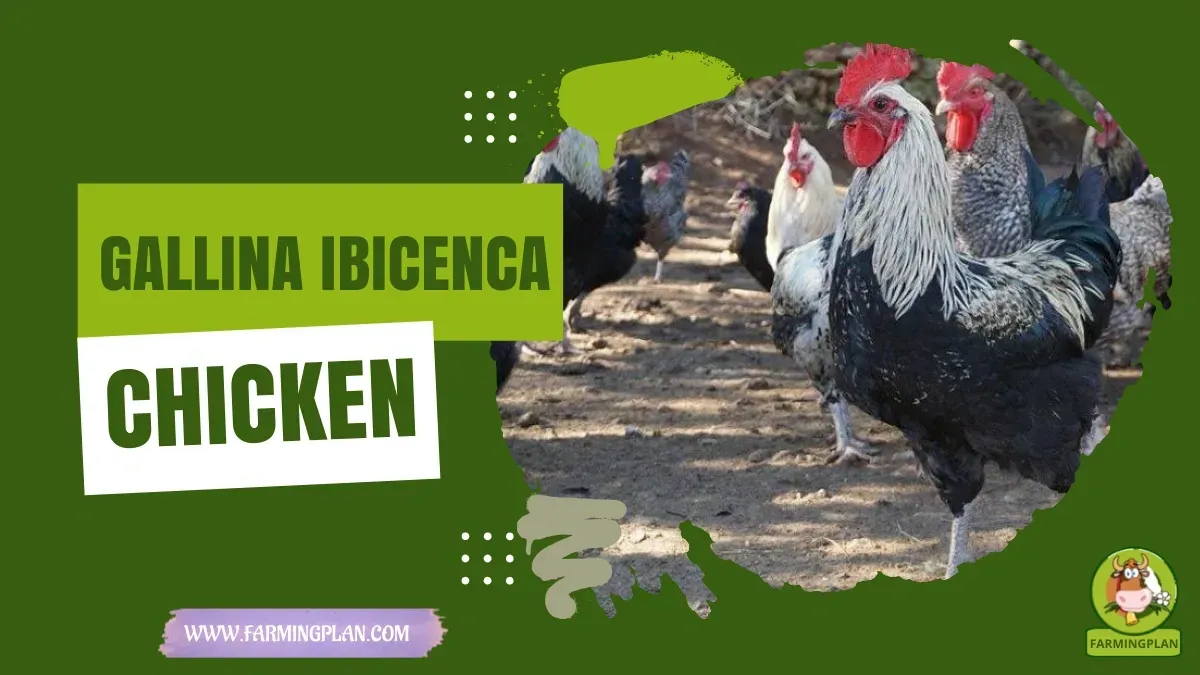
The morphology of the gallina ibicenca chicken characteristics exhibits pronounced semi-game heritage. The bird stands tall and proud, with an upright trunk carried at a 60-degree angle. The shoulders are wide and muscular, tapering into a slender waist and long, tight-feathered thighs. The plumage is hard, glossy, and lies close to the body without excess down, facilitating efficient heat dissipation during hot summer days.
Regarding gallina ibicenca chicken size and weight, mature cocks weigh 3.0 to 3.5 kg (6.6 to 7.7 lbs), while hens average 2.2 to 2.6 kg (4.8 to 5.7 lbs). The head is relatively long and lean, carrying a strong, curved beak and intense reddish-orange eyes. The comb is a single, erect serrated blade of medium size, paired with small red wattles and oval red earlobes that occasionally show minor white flecks. The shanks are long, clean, bright yellow, and equipped with sharp, hard spurs in mature cocks. Providing adequate space and ventilation prevents common stress issues in gallina ibicenca chicken.
The gallina ibicenca chicken temperament is vigilant, energetic, and independent. While cocks are bold and territorial toward rival roosters and predators, they are manageable with stockpersons. Hens are active explorers that maintain acute awareness of their surroundings, rarely falling victim to aerial predators. Understanding breed-specific traits helps maximize gallina ibicenca chicken longevity and output.
Housing and Paddock Infrastructure for Active Fowl
Designing housing for Gallina Ibicenca chickens requires structures that accommodate their athletic, flight-capable nature. Unlike heavy, sedentary chicken breeds, Ibicenca fowl prefer elevated roosting perches placed 1.2 to 1.8 meters (4 to 6 feet) above the coop floor. Coops should provide at least 0.45 to 0.55 square meters (5.0 to 6.0 square feet) of indoor floor area per bird, with excellent high-level ventilation to keep the interior cool during hot weather. Explore blueprints in our chicken coop design and predator layout manual. Routine preventive care saves time and lowers veterinary costs for gallina ibicenca chicken.
Outdoor runs must be constructed with adequate fence height or completely enclosed netting canopies. Because Ibicenca chickens can effortlessly fly over standard 4-foot fencing, outdoor paddocks should feature 6-foot perimeter fencing or overhead polypropylene flight netting. Providing elevated climbing logs, orchard branches, and shaded dust baths enriches their environment and minimizes flight attempts.
In warm climates, shelter design should prioritize natural shade and airflow. Open-sided coops covered with wire mesh and shaded by broadleaf trees or shade cloth panels prevent heat exhaustion while allowing cool nocturnal breezes to circulate freely around the roosts. Matching forage or ration quality to life stage optimizes gallina ibicenca chicken growth.
Silvopasture and Dryland Foraging Systems
The greatest agricultural strength of the Ibiza native chicken is its unmatched foraging ability in arid and semi-arid environments. When integrated into agro-forestry systems, olive groves, or fruit orchards, Ibicenca chickens search tenaciously for grasshoppers, crickets, snails, fallen fruit, and weed seeds. Their active foraging reduces pest insect populations without damaging low tree foliage. Gradual dietary transitions protect digestive stability in gallina ibicenca chicken.
Rotational grazing systems using mobile coops allow producers to manage paddock vegetation effectively. The birds’ agile movement ensures they distribute their manure broadly rather than concentrating droppings around the coop entrance, creating clean, sanitary pasture conditions. Discover comparative range setups in our chicken farming production hub. Selecting healthy foundation stock is the cornerstone of successful gallina ibicenca chicken management.
Nutritional Requirements for Mediterranean Fowl
Although Ibicenca chickens excel at scavenging wild food, providing a balanced baseline diet supports steady egg laying and reproductive vitality. A 16% crude protein balanced poultry ration formulated with whole grains (barley, wheat, sorghum, and cracked corn) satisfies their energetic requirements without causing excess fat deposition.
Ensure free-choice insoluble granite grit and crushed oyster shells are supplied continuously. In hot summer weather, electrolytes and vitamin C added to clean, shaded water stations alleviate heat stress and maintain eggshell thickness. Because these birds are highly active, feeding whole grains in the late afternoon encourages natural evening scratching and crop filling before roosting. Good predator-proofing and dry bedding safeguard gallina ibicenca chicken comfort in harsh weather.
Ensure water containers are deep and secure. Gallina Ibicenca birds drink frequently during warm days, and water troughs should be placed in shaded locations to keep water temperatures below 20°C (68°F), encouraging adequate water intake. Monitoring water quality and mineral balance directly benefits gallina ibicenca chicken vitality.
Flock Biosecurity and Preventative Health
Maintaining strict biosecurity protects your heritage flock against contagious avian diseases under standards enforced by the USDA Animal and Plant Health Inspection Service. Quarantine all newly acquired poultry in an isolated enclosure for 30 days, monitoring daily for respiratory symptoms, eye swelling, or abnormal droppings before introducing them to the breeding flock. Practical hands-on husbandry ensures consistent results when raising gallina ibicenca chicken.
Vaccination protocols should address endemic pathogens, including Marek’s disease at hatch, Fowl Pox (particularly important in mosquito-prone Mediterranean regions), and Newcastle disease. The Ibicenca chicken possesses natural immune vigor against common environmental stressors, but preventative vaccination ensures long-term flock health. Check full pathology guides in our poultry and waterfowl directory. Early intervention at the first sign of lethargy protects overall gallina ibicenca chicken flock or herd health.
Provide deep dust bathing boxes containing dry soil, fine wood ash, and sulfur powder to deter red poultry mites (Dermanyssus gallinae) and feather lice. Clean and disinfect perches every six months using natural citrus oil or horticultural neem sprays to eliminate hiding parasites in wooden crevices.
Breeding Herd Selection and Natural Brooding
Selecting breeding stock for the Gallina Ibicenca requires preserving its athletic, upright semi-game type. Retain roosters that demonstrate broad shoulders, tight, glossy plumage, strong yellow shanks, erect single combs, and keen vigilance. Avoid birds showing heavy, drooping frames, white earlobes, or lethargic behavior. Structured culling and biosecurity protocols strengthen gallina ibicenca chicken genetic quality.
Maintain breeding pens with one rooster per 6 to 8 hens to maximize egg fertility while preventing excessive feather damage on hens’ backs. Ibicenca hens are accomplished natural broodies, frequently going broody in late spring. They are exceptionally fierce and dedicated mothers, successfully brooding 8 to 11 eggs in secluded ground nests and fiercely protecting their chicks from predators. Maintaining clean feeders and sanitized equipment supports sustainable gallina ibicenca chicken care.
If utilizing artificial incubators, maintain standard incubation parameters: 37.5°C (99.5°F) with 50% relative humidity for the first 18 days, increasing to 65% humidity for the final three days before hatch. Chicks hatch quickly, possessing high vigor and agile movement within hours of emergence. Consistent daily observation helps keepers spot early changes in gallina ibicenca chicken health and behavior.
Meat Quality, Egg Production and Culinary Value
The Gallina Ibicenca delivers excellent multi-purpose farm yields. Hens lay 140 to 170 medium cream or tinted eggs per year (55 to 60 grams each), maintaining steady laying through the hottest months of summer when commercial breeds frequently cease production due to heat stress.
The culinary quality of Ibicenca table meat is revered in traditional Balearic cuisine. Surplus roosters finished on pasture, figs, and cracked grains yield lean, muscular carcasses weighing 2.2 to 2.8 kg at 20 to 24 weeks. The meat is darker than commercial broiler meat, featuring a fine muscle fiber grain, rich gelatin content, and complex savory depth celebrated in traditional chicken stews and rice dishes. Clean housing, fresh water, and balanced nutrition remain essential for gallina ibicenca chicken productivity.
Enterprise Economics and Smallholder Budgets
Operating a breeding and egg flock of Gallina Ibicenca chickens requires low startup capital due to their hardiness and forage efficiency. Tinted heritage eggs command premium prices of $6.50 to $9.50 per dozen in organic and specialty markets, while started breeding trios sell for $120 to $200 to heritage breeders. Learn foundational startup modeling in our guide on how to start poultry farming step by step. Tracking feed intake and body condition supports long-term gallina ibicenca chicken performance.
| Budget Category | Operational Details | Cost per Hen (USD) | Flock Total (30 Hens) |
|---|---|---|---|
| Pullet Rearing Cost | Chick acquisition & brooding starter | $8.00 | $240.00 |
| Cereal & Layer Feed | 35 kg balanced grain mix @ $0.44/kg | $15.40 | $462.00 |
| Coop Bedding & Sand | Clean roost shavings and nesting straw | $2.80 | $84.00 |
| Veterinary & Mineral Grit | Oyster shell, grit, electrolytes & vaccines | $2.60 | $78.00 |
| Packaging & Egg Boxes | Recycled cartons & custom heritage labels | $3.00 | $90.00 |
| Netting & Paddock Share | Electric poultry netting depreciation | $2.40 | $72.00 |
| Total Annual Cost | Total Operating Cost per Laying Hen | $34.20 | $1,026.00 |
| Gross Egg Revenue | 13 dozen tinted eggs per hen @ $8.00/dozen | $104.00 | $3,120.00 |
| Net Annual Profit | Net Operating Margin to Producer | $69.80 | $2,094.00 |
To broaden your knowledge of Mediterranean poultry landraces and arid grazing strategies, explore our chicken farming directory, review flock health in our poultry and waterfowl hub, or consult diverse grazing systems across our livestock farming portal. Following biosecurity best practices reduces disease risk in any gallina ibicenca chicken operation.
🐔 Gallina Ibicenca Chicken Flock Feed & Egg Yield Calculator
Estimate daily layer feed (lbs), monthly 50-lb feed bags, coop and run requirements, and expected weekly fresh egg yield for your Gallina Ibicenca Chicken flock.
Frequently Asked Questions
What makes the Gallina Ibicenca chicken unique?
The Gallina Ibicenca is distinguished by its upright semi-game posture, exceptional heat tolerance, tight glossy plumage, and athletic agility. Native to the island of Ibiza, it was bred to thrive in hot, arid conditions with minimal management.
How many eggs does a Gallina Ibicenca hen lay per year?
A mature Gallina Ibicenca hen typically lays between 140 and 170 medium cream or tinted eggs per year (55 to 60 grams each), sustaining steady laying even during intense summer heat.
Can Gallina Ibicenca chickens fly over fences?
Yes. As an athletic, semi-game landrace with strong wing muscles and a light frame, Ibicenca chickens can easily clear 5- to 6-foot fences. Enclosed covered runs or higher fencing are recommended.
Are Gallina Ibicenca hens good broodies?
Yes. Hens exhibit strong natural broodiness during late spring and summer. They make exceptionally vigilant, protective mothers that rear their chicks successfully on open range.
How does the Gallina Ibicenca handle cold winter weather?
While specialized for hot Mediterranean summers, the Ibicenca chicken tolerates moderate cold well if provided with a dry, draft-free coop and deep bedding. However, in freezing northern climates, their combs should be monitored for frostbite.
Conservation and Sustainable Breeding Best Practices
To preserve the unique genetic adaptations of the Gallina Ibicenca breed, farmers should observe three core principles. First, preserve their athletic semi-game conformation by rejecting birds with heavy, sluggish frames or rounded backs. Second, provide elevated perches and foraging acreage to allow the natural expression of flight and foraging behaviors. Finally, maintain accurate pedigree flock records and cooperate with Balearic heritage poultry registries to support genetic diversity.

📚Agricultural Reference & Scientific Citations
Standards and physiological data referenced in this guide comply with American Poultry Association (APA), The Livestock Conservancy, and USDA APHIS Avian Biosecurity Standards.


