

⚡ Fighting Goose Breeds at a Glance: Key Specifications & Benchmarks
| Scientific Classification | Anser anser domesticus / Anser cygnoides domesticus (Heavy Heritage Sport & Fancy Group) |
| Primary Historic Breeds | Tula Fighting Goose (Russia), Steinbacher Fighting Goose (Germany), Arzamas (Russia) |
| Signature Morphological Traits | Extremely muscular build, short curved parrot-like or straight stout bill, prominent dewlaps |
| Mature Body Weight & Stature | Ganders: 17.6 to 24.2 lbs (8.0 to 11.0 kg); Geese: 15.4 to 19.8 lbs (7.0 to 9.0 kg) |
| Primary Agricultural Purpose | Exhibition fancy showing, pasture guardianship, cold-hardy meat production, breed conservation |
| Egg Production & Broodiness | 20 to 35 large white eggs (150 to 190 g) per spring; fierce maternal and paternal nest defense |
| Winter Hardiness & Vitality | Total sub-zero cold resilience (-22°F / -30°C); robust immune vitality and dense down coat |
| Temperament With Humans | Calm, proud, dignified with regular handlers; strictly territorial with rival ganders in spring |
1. Introduction: The Muscular Aristocrats of Historic Waterfowl
The term fighting goose breeds refers to a prestigious, historic group of heavy, exceptionally muscular domestic waterfowl developed across eastern and central Europe. Historically anchored by legendary breeds such as the Russian Tula (Tulskaya), the Arzamas, and the German Steinbacher, these birds represent centuries of disciplined breeding aimed at cultivating supreme physical power, bone density, and imposing presence. Monitoring water quality and mineral balance directly benefits Fighting Goose Breeds vitality.
Unlike blood sports involving sharp gaffs or deadly weaponry, historical goose fighting was fundamentally a non-injurious, ritualized spring courtship trial. In traditional Russian villages, two ganders were placed in an outdoor snow ring surrounded by cheering crowds and their favorite female geese (gaskas), engaging in a natural test of wing-buffeting and bill-grappling until one bird submitted and retreated. Today, blood sports are illegal, and these magnificent geese are preserved worldwide as elite exhibition birds, vigilant pasture guardians, and cold-hardy meat producers.
Their sculptural conformation—marked by massive curved bills, deeply muscled chests, and fearless eye expressions—makes them an awe-inspiring presence on any sustainable livestock farm or waterfowl conservation park. Practical hands-on husbandry ensures consistent results when raising Fighting Goose Breeds.
2. Deep Historical Origins & Eastern European Waterfowl Heritage
The history of fighting geese dates back to seventeenth-century Russia during the reign of the Tsars. In mercantile manufacturing cities like Tula, Pavlov-on-Oka, and Nizhny Novgorod, prosperous blacksmiths, merchants, and metalworkers developed a passionate hobby of breeding championship ganders for annual Shrovetide (Maslenitsa) spring festival competitions.
Breeders strictly selected for massive bone girth, short stout bills that could lock onto rival wing joints without breaking, and broad, heavy chests that could deliver concussive wing blows. In Germany during the 1920s, breeders in Thuringia crossed local fighting strains with grey landrace geese to produce the Steinbacher fighting goose, renowned for its serrated black-edged orange bill and calm show demeanor.
The rise of industrialized poultry in the twentieth century caused severe population bottlenecks for these historic breeds. Fortunately, passionate waterfowl preservationists across Russia, Germany, France, and Britain maintained pure breeding lines. Recognized today under the European Association of Poultry Breeders (Entente Européenne d’Aviculture), fighting goose breeds are protected as living monuments to historical animal breeding craft. Early intervention at the first sign of lethargy protects overall Fighting Goose Breeds flock or herd health.
The intense physical selection that characterized their history produced an extraordinarily robust constitution, rendering these geese virtually impervious to sub-zero temperatures and infectious poultry pathogens.
3. Standard Physical Characteristics & Anatomical Conformation
The conformation of fighting goose breeds is defined by dense muscular power and heavy bone mass. Unlike elegant wild geese or long-necked Chinese geese, fighting breeds display a low-slung, compact, and wide rectangular body carried with broad stance and deep pectoral fleshing.
The head is remarkably broad, featuring well-developed cheek muscles and prominent brow ridges. In the Tula goose, the bill is short, stout, and dramatically arched downward, often described as a parrot beak (nosaty or curved-nose type). In the Steinbacher, the bill is stout and orange, bordered by a characteristic dark black pencil line along the cutting edges. The eyes are dark brown to grey, set deeply beneath pronounced orbital bones. Structured culling and biosecurity protocols strengthen Fighting Goose Breeds genetic quality.
Mature ganders attain standard body weights of 17.6 to 24.2 lbs (8.0 to 11.0 kg), while mature geese weigh 15.4 to 19.8 lbs (7.0 to 9.0 kg). The neck is medium in length, thick, and muscular, held upright with a slight arch. The breast is exceptionally wide and devoid of any keel, supported by thick, widely spaced orange legs with heavy bone density. Producers planning a diversified homestead operation often cross-reference our Faroese Goose breed and care guide.
Common recognized colors include solid grey, blue-grey, clay (fawn), and pure white varieties. The feathering is exceptionally firm, tight, and dense, fitting like a coat of armor over the body with virtually no loose fluff. Maintaining clean feeders and sanitized equipment supports sustainable Fighting Goose Breeds care.
4. Temperament, Seasonal Hierarchy & Human Interaction
A common misconception is that fighting geese are vicious or dangerous toward humans. In reality, outside of the spring mating season, they are among the calmest, most dignified, and peaceful domestic waterfowl in existence. When raised with regular, calm human handling, they develop deep trust in their keepers, allowing caretakers to approach and examine them without panic or aggression.
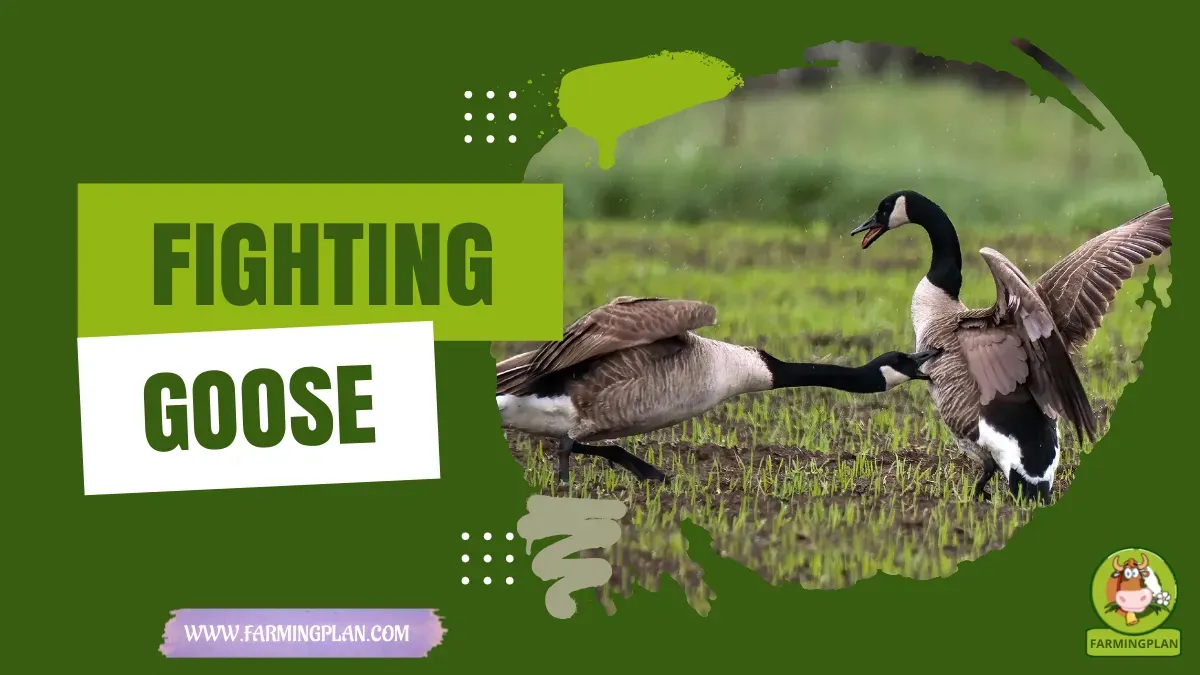
Their territorial instincts are directed primarily toward other mature ganders during the spring breeding window (February to May). If multiple mature ganders are housed in the same small paddock during spring, they will engage in prolonged dominance sparring, grabbing each other by the wing joints and buffeting with muscular wing butts.
Within their individual family breeding pens, ganders are chivalrous and protective. They form devoted pair bonds with one or two geese, accompanying them closely and defending the nesting area against any potential predator with unyielding courage. Consistent daily observation helps keepers spot early changes in Fighting Goose Breeds health and behavior.
5. Housing Systems, Space Requirements & Paddock Infrastructure
Having been selected in the brutal continental winters of central Russia, fighting geese possess extraordinary cold hardiness. They comfortably endure sub-zero temperatures down to -22°F (-30°C) without discomfort, provided their resting quarters remain dry and shielded from wet freezing drafts.
A well-ventilated wooden shed or sturdy pole barn providing 10 to 12 square feet of dry, bedded floor space per bird is optimal. Use deep straw or coarse wood shavings (6 to 8 inches deep) to provide clean footing and thermal protection for feet. Clean wet straw frequently to prevent ammonia vapor buildup.
During the spring breeding season, farm managers should partition outdoor paddocks into separate breeding enclosures (allocating at least 200 square feet per breeding pair or trio) to prevent rival ganders from sparring through fence lines. Fences should be at least 42 to 48 inches high, constructed of rigid woven wire fencing. Clean housing, fresh water, and balanced nutrition remain essential for Fighting Goose Breeds productivity.
Water access is vital. While deep lakes are not mandatory, heavy plastic or galvanized water tanks deep enough for the geese to completely immerse their heads and necks are essential for eye hygiene, bill cleaning, and feather conditioning.
6. Nutritional Strategy, Pasture Herbivory & Muscle Maintenance
The nutritional regimen for fighting goose breeds balances extensive pasture grazing with high-density grain supplementation to support their massive muscular frames and heavy bone development. From spring through early autumn, adult birds harvest up to 75% to 80% of their diet from diverse pasture grasses and legumes. Tracking feed intake and body condition supports long-term Fighting Goose Breeds performance.
In addition to pasture foraging, provide a daily supplemental grain ration (1/2 lb per bird daily) composed of whole oats, barley, wheat, and cracked corn. Oats are particularly beneficial for geese, providing digestible fiber that maintains gizzard muscularity without depositing excessive abdominal grease.
During the spring breeding and egg-laying period, transition breeding geese to a balanced waterfowl breeder pellet containing 16% to 18% crude protein fortified with vitamins A, D3, and E, and 3.5% calcium. Free-choice coarse granite grit and crushed oyster shells must be accessible year-round.
Ensure that clean drinking water is situated immediately adjacent to all feed hoppers to prevent choking, as geese require frequent sips of water to wash dry grain through their digestive tract. Following biosecurity best practices reduces disease risk in any Fighting Goose Breeds operation.
7. Seasonal Breeding, Egg Production & Gosling Brooding
Breeding activity in fighting goose breeds begins in late winter, with courtship displays starting in February. To ensure high fertility, ganders should be mated with only one or at most two geese, as their heavy muscular bodies require close pair bonding for successful copulation.
The laying season extends from March through May. A mature goose produces between 20 and 35 large white eggs per year, each weighing 150 to 190 grams. The shells are exceptionally thick and dense, reflecting the breed’s heavy skeletal mineralization.
Geese make fierce, devoted broody mothers. After laying a clutch of 8 to 12 eggs in a straw-filled nest box, the female sits steadfastly for 28 to 30 days. The gander maintains an unbroken vigil outside the nest entrance, attacking any approaching animal or human with hissing aggression. Seasonal adjustments to shelter and diet keep Fighting Goose Breeds thriving year-round.
Goslings hatch strong, heavy-boned, and lively, covered in dense down. Keep young goslings warm and dry under heat lamps for the first 10 days, feeding unmedicated 20% protein waterfowl starter crumbs and fresh chopped lawn grass. Goslings develop thick leg bones and rapid muscular growth, requiring ample exercise space to develop sound joints.
8. Gourmet Roast Meat Value & Carcass Performance
While historically kept for sport and exhibition, fighting goose breeds were also valued as premier table birds. Their muscular conformation delivers exceptional meat yields compared to loose-feathered exhibition geese. Proper record-keeping makes breeding and culling decisions easier for Fighting Goose Breeds keepers.
Young geese harvested between 22 and 26 weeks of age reach live weights of 14 to 18 lbs (6.4 to 8.2 kg), yielding heavy, well-muscled carcasses with extraordinarily wide breast fillets and plump, meaty thighs. Dressing yields average 70% to 74%.
The meat is dark, rich, and firm-grained, with deep gamey undertones that roast magnificently with traditional stuffing, apples, and red cabbage. The rendered goose fat is prized for its high quality, clarity, and culinary richness.
In addition, their dense down feathers provide premium high-density insulation for heavy cold-weather apparel, making them a multi-functional farm asset. Providing adequate space and ventilation prevents common stress issues in Fighting Goose Breeds.
9. Preventative Healthcare, Waterfowl Biosecurity & Parasite Control
Fighting goose breeds possess an exceptionally rugged constitution, rarely falling ill when provided with clean water and dry bedding. However, routine preventative biosecurity remains essential for maintaining peak physical vitality.
Internal gastrointestinal parasites, notably gizzard worms (Amidostomum anseris) and large roundworms, can affect pasture-grazed waterfowl. Implement rotational pasture resting every 3 to 4 weeks, administering veterinary-approved fenbendazole or flubendazole in autumn and early spring.
Provide deep water containers that allow geese to completely immerse their heads and bills, preventing dust accumulation in eyes and nares that can cause sinusitis. Maintain clean, dry bedding in winter sheds to prevent footpad dermatitis (bumblefoot) on heavy ganders. Understanding breed-specific traits helps maximize Fighting Goose Breeds longevity and output.
Enforce strict farm biosecurity to prevent contact with wild migratory waterfowl during migration periods, protecting your valuable breeding stock from Avian Influenza viruses.
10. Economic Feasibility, Enterprise Budgets & Fancy Markets
The economic value of raising fighting goose breeds centers on high-value exhibition stock, specialty heritage preservation, and luxury farm gate meat sales. Because purebred specimens of Tula and Steinbacher geese are rare outside Europe, breeding stock commands premium prices among waterfowl collectors. Routine preventive care saves time and lowers veterinary costs for Fighting Goose Breeds.
A boutique breeding operation maintaining four to six breeding pairs can generate substantial returns through the sale of pedigree goslings, fertile hatching eggs, and show prospects, while surplus birds provide high-margin festive holiday roasts for private culinary clients.
Explore specialized waterfowl strategies in our goose farming handbook, learn pond setup in our waterfowl housing guide, and master pasture rotations with our pasture management overview.
11. Interactive Heritage Waterfowl Calculator
Calculate your required breeding pen space, seasonal feed budgets, and gosling production for fighting goose breeds using the interactive calculator below: Matching forage or ration quality to life stage optimizes Fighting Goose Breeds growth.
🦆 Fighting Goose Flock Feed & Water Intake Calculator
Estimate daily balanced feed (lbs), fresh drinking/rinsing water requirements (Gal), indoor shelter, and monthly 50-lb feed bags for your Fighting Goose flock.
12. Strategic Implementation Roadmap for Exhibition Breeders
Establishing an elite fighting goose breeding program involves three sequential phases. In Phase 1, construct partitioned outdoor breeding pens with sturdy fencing, frost-proof water troughs, and dry night shelters.
In Phase 2, source certified purebred stock (such as Tula or Steinbacher) from reputable exhibition breeders or recognized breed preservation societies, verifying correct bill curvature, bone density, and standard eye color. Provide high-protein breeder rations and clean bathing water.
In Phase 3, allow geese to naturally incubate clutches, selectively retain goslings with the strongest breed conformation, and showcase mature birds at sanctioned poultry exhibitions to establish your reputation as an elite heritage breeder. Gradual dietary transitions protect digestive stability in Fighting Goose Breeds.
13. Frequently Asked Questions
What are fighting goose breeds and why were they bred?
Fighting goose breeds, such as the Russian Tula and German Steinbacher, were historically bred in eastern and central Europe for non-lethal, ritualized spring courtship trials where ganders grappled with wings and beaks. Today, they are preserved as elite exhibition and heritage pasture birds.
Are fighting geese aggressive toward human caretakers?
No, outside of the spring mating season, they are calm, dignified, and peaceful with familiar humans. While ganders are strictly territorial toward rival ganders in spring, gentle handling produces trustworthy, tame farm birds.
What is the physical hallmark of the Tula fighting goose?
The hallmark of the Tula goose is its short, heavy, dramatically arched downward bill (often called a parrot beak), muscular neck, broad chest with no keel, and heavy bone density.
How hardy are fighting geese in cold winter weather?
They are among the hardiest waterfowl on earth, easily tolerating temperatures down to -22°F (-30°C) without distress, thanks to their thick down layer, tight plumage, and dense skeletal framework.
14. Conclusion & Next Steps for Waterfowl Fanciers
Fighting goose breeds represent a majestic chapter in European agricultural history. Combining monumental muscular strength, cold-weather resilience, calm handler interaction, and stunning sculptural beauty, they offer dedicated poultry keepers a truly magnificent heritage waterfowl experience.
To deepen your broader knowledge of commercial livestock and explore integrated animal management, visit our complete guide on commercial livestock management and take your waterfowl breeding program to the highest level.
📚Agricultural Reference & Scientific Citations
Standards and physiological data referenced in this guide comply with American Poultry Association (APA), The Livestock Conservancy, and USDA APHIS Avian Biosecurity Standards.


