

⚡ Gimbsheimer Duck at a Glance: Key Specifications & Benchmarks
| Scientific Classification | Anas platyrhynchos domesticus (German Blue Table & Exhibition Waterfowl) |
| Native Origins & History | Gimbsheim, Rhineland-Palatinate, Germany; bred in the early 20th century by J. Becker |
| Signature Plumage & Color | Uniform soft pigeon-blue or slate-blue, with or without a small neat white bib on upper breast |
| Mature Body Weight & Build | Drakes: 6.6 to 7.7 lbs (3.0 to 3.5 kg); Ducks: 5.5 to 6.6 lbs (2.5 to 3.0 kg) |
| Primary Agricultural Purpose | Gourmet succulent table meat, exhibition fancy showing, peaceful backyard pond duck |
| Annual Egg Laying Performance | 70 to 90 medium-large white or pale bluish-green eggs (65 to 75 g) per spring season |
| Temperament & Handling Manners | Exceptionally gentle, docile, quiet; flightless and easily contained within garden fences |
| Cold Hardiness & Adaptability | High resilience to freezing Rhine valley winters; robust constitution and dense feathering |
1. Introduction: The Velvety Blue Beauty of the Rhine
The Gimbsheimer duck (Gimbsheimer Ente) is one of the rarest, most visually enchanting, and tranquil heritage waterfowl breeds in Germany. Developed in the picturesque town of Gimbsheim along the Rhine river in Rhineland-Palatinate, this distinguished blue duck unites refined German utility breeding with the serene, gentle manners of a treasured backyard garden companion. Practical hands-on husbandry ensures consistent results when raising Gimbsheimer Duck.
Draped in a lustrous, uniform pigeon-blue plumage that glows with delicate lavender undertones, the Gimbsheimer duck was originally created to provide local farmers with a juicy, tender roasting duck that grew rapidly on farm grains and pond foraging. In modern sustainable agriculture and hobby waterfowl collections, this endangered German breed is prized for its completely flightless nature, quiet quacking habits, and ability to manage garden pests without aggressive lawn destruction. For homesteaders seeking a peaceful, ornamental, and practical multi-purpose duck, the Gimbsheimer is an extraordinary heritage selection.
Its deep rectangular frame and fine bone structure deliver an outstanding meat yield, offering self-reliant smallholders a dependable source of gourmet holiday dining.
2. Deep Historical Origins & Rhineland Waterfowl Breeding
The history of the Gimbsheimer duck began in the early decades of the twentieth century in the municipality of Gimbsheim, located between Worms and Mainz in the fertile Upper Rhine Plain. Visionary local poultry master J. Becker set out to create a distinct regional table duck that combined the breathtaking blue plumage of the Blue Swedish duck with the rapid growth, heavy meatiness, and docile personality of the Pekin and Rouen. Early intervention at the first sign of lethargy protects overall Gimbsheimer Duck flock or herd health.
Through careful selection across multiple generations, Becker stabilized the breed, selecting for a deep, horizontal rectangular body, clean slate-blue feathering, and dark horn-colored bills. The breed achieved formal recognition within the German Poultry Federation (Bund Deutscher Rassegeflügelzüchter – BDRG) and quickly became an admired presence across southwestern German agricultural fairs.
Following World War II and the consolidation of commercial poultry into industrial white strains, the Gimbsheimer duck suffered severe declines, remaining primarily in the hands of dedicated preservationist fanciers along the Rhine valley. Today, recognized by the European Association of Poultry Breeders (Entente Européenne d’Aviculture), ongoing conservation programs aim to expand breeding flocks and safeguard this rare German gem.
The breed’s historical adaptation to river valley wetlands ensures that modern flocks retain strong immune vitality, resisting common respiratory infections and damp-related foot ailments.
3. Standard Physical Characteristics & Blue Plumage Genetics
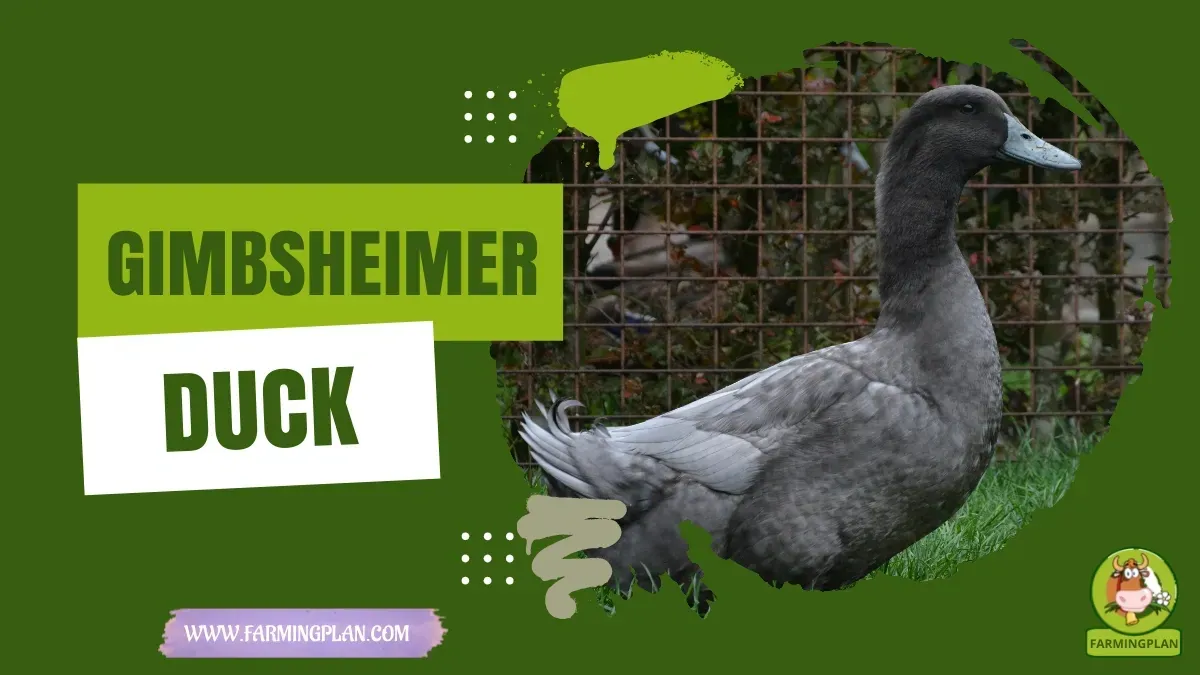
The conformation of the Gimbsheimer duck is defined by a deep, broad, and harmoniously balanced rectangular build. The body is carried almost horizontally, with a well-fleshed, rounded breast, a level back, and a neat abdomen that clears the ground easily without trailing. Structured culling and biosecurity protocols strengthen Gimbsheimer Duck genetic quality.
The defining visual hallmark is its exquisite blue coloration. The ideal plumage is a uniform, medium slate-blue or pigeon-blue across the entire body, free from brownish or reddish tinges. In drakes, the head and neck display a darker, rich slate-grey with subtle metallic sheen. Genetically, blue in waterfowl is governed by a heterozygous dilution gene (Bl/bl); breeding two blue individuals yields approximately 50% blue, 25% black, and 25% splash (silver) offspring, a genetic hallmark common to all blue poultry breeds.
The head is neat, oval, and well-proportioned, carried on a medium-long, gently arched neck. The bill is medium in length, straight, and colored a dark lead-grey to greenish-slate in drakes and dark horn-black in ducks. Eyes are deep dark brown, expressive and calm. Drakes attain mature weights of 6.6 to 7.7 lbs (3.0 to 3.5 kg), while mature ducks weigh 5.5 to 6.6 lbs (2.5 to 3.0 kg).
The shanks and webbed feet are dark dusky-orange with dark brown mottling, providing sturdy support for the heavy, muscular body.
4. Temperament, Flock Dynamics & Backyard Friendliness
The Gimbsheimer duck is celebrated for its remarkably calm, trusting, and placid disposition. Unlike flighty small waterfowl breeds, Gimbsheimers move with deliberate, waddling serenity, showing little inclination toward panic or hysterical running when caretakers enter their pens. Maintaining clean feeders and sanitized equipment supports sustainable Gimbsheimer Duck care.
Because of their heavy body frame and moderate wing span, they are completely flightless. A standard 2.5-to-3-foot garden fence is sufficient to keep them safely enclosed within designated grazing paddocks. They quickly become accustomed to human companionship, eagerly waddling toward handlers when offered garden treats or grain rations.
Flock dynamics are quiet and peaceful. Ducks possess a soft, melodious quack that is far quieter than the piercing calls of commercial white layers. Drakes exhibit a gentle, raspy whisper, escorting their females with courteous attentiveness and showing minimal breeding aggression in well-managed flocks.
5. Housing Systems, Space Requirements & Paddock Infrastructure
Providing clean, dry housing is essential for maintaining the pristine blue plumage and health of the Gimbsheimer duck. While cold-hardy and capable of enduring freezing northern winters, their heavy build makes them vulnerable to footpad sores (bumblefoot) if kept on sharp gravel or muddy, unsanitary ground.
A predator-proof night shelter providing at least 4 to 6 square feet of floor space per adult duck is recommended. Floors should be deeply bedded with clean wheat straw or wood shavings, refreshed frequently to absorb moisture and eliminate ammonia fumes. Ensure shelters have predator-proof wire mesh ventilation windows positioned near the roof to ensure fresh air exchange without drafts. Consistent daily observation helps keepers spot early changes in Gimbsheimer Duck health and behavior.
Outdoor foraging yards or grass runs should provide at least 25 to 50 square feet per bird. Access to clean water is vital for head washing, eye health, and feather maintenance. A shallow garden pond or heavy rubber livestock tank dumped and refilled daily allows ducks to bathe, which is essential for maintaining the clean slate-blue bloom on their plumage.
Ensure that bathing tanks feature non-slip entry and exit ramps to allow ducks to enter and exit safely without risk of exhaustion.
6. Nutritional Strategy, Feed Rations & Pond Foraging
The nutritional regimen for the Gimbsheimer duck balances quality commercial waterfowl feeds with active garden and pond foraging. When allowed to range on pasture, adult birds harvest a substantial portion of their daily protein from slugs, snails, worms, and aquatic plants.
In semi-intensive management, provide a balanced commercial waterfowl maintenance pellet containing 15% to 16% crude protein, supplemented with whole wheat, oats, and leafy greens (kale, romaine, clover). Growing ducklings should receive an unmedicated 20% protein waterfowl starter crumble for the first 3 weeks, transitioning to a 16% grower pellet from week 4 to week 16. Clean housing, fresh water, and balanced nutrition remain essential for Gimbsheimer Duck productivity.
During the spring laying season, provide free-choice crushed oyster shell and coarse granite grit in separate hoppers to support eggshell calcification and gizzard mastication. Avoid medicated chick starters containing coccidiostats that are toxic to waterfowl.
Clean drinking water must be located directly adjacent to all feed hoppers, as ducks must rinse their bills frequently while eating dry grain to prevent esophageal obstruction.
7. Seasonal Breeding, Egg Production & Duckling Care
Breeding activity in the Gimbsheimer duck begins in early spring as day length expands, typically starting in February or March. Maintain breeding ratios of one active drake to three or four mature ducks to ensure high fertility while preventing over-mating.
The laying season extends from March through June. A healthy duck produces between 70 and 90 medium-large eggs per year, weighing between 65 and 75 grams. The eggs feature dense, smooth shells ranging from creamy white to pale blue-green tints, with rich golden yolks prized for artisan baking. Tracking feed intake and body condition supports long-term Gimbsheimer Duck performance.
While many hens maintain steady laying without sitting broody, some females exhibit natural broodiness in late spring. Broody ducks construct down-lined nests in quiet corners, incubating a clutch of 8 to 12 eggs for 28 days with high natural hatchability.
Ducklings hatch vigorous and lively, covered in soft slate-blue or black down. Brood ducklings under radiant heat lamps for the first 2 to 3 weeks, providing unmedicated starter crumbs and clean, shallow water dishes that allow bill washing without risk of drowning.
8. Gourmet Roast Meat Value & Carcass Performance
The culinary prestige of the Gimbsheimer duck is rooted in traditional German farmstead gastronomy. In the Rhineland, roasted duck was a celebrated festive autumn dish, appreciated for its fine-grained, succulent meat.
Pasture-raised young ducks reach prime harvest weights of 5.5 to 6.8 lbs (2.5 to 3.1 kg) between 12 and 16 weeks of age under pasture-based management. Carcass dressing percentage averages 70% to 73%, yielding plump breast fillets and tender leg meat. Following biosecurity best practices reduces disease risk in any Gimbsheimer Duck operation.
Because the birds grow at a natural pace with outdoor exercise, the meat has an exquisite, mild, and savory duck flavor free from greasy excess or muddy pond off-flavors. The rendered duck fat is clear, fragrant, and prized for culinary frying and vegetable roasting.
Direct sales of pasture-raised heritage ducks to gourmet restaurants and culinary clubs provide smallholders with substantial value addition over industrial poultry.
9. Preventative Healthcare, Waterfowl Biosecurity & Parasite Control
Gimbsheimer ducks possess high natural health vigor and immune robustness. However, basic biosecurity and preventative healthcare protocols are essential to safeguard the flock from common waterfowl parasites.
Internal parasites such as roundworms and gizzard worms can be monitored via periodic fecal flotation screenings, administering veterinary-approved flubendazole if necessary. Provide clean water receptacles that allow birds to completely submerge their heads to clear dust and feed residue from their eyes and nares, preventing conjunctivitis and sinusitis. Seasonal adjustments to shelter and diet keep Gimbsheimer Duck thriving year-round.
Protect young ducklings from cold rains and deep swimming pools until their waterproof contour feathers emerge at 5 to 6 weeks of age. Maintain clean, dry bedding in night coops to prevent footpad sores.
Enforce strict biosecurity to avoid contact with wild migratory waterfowl during seasonal migration periods, keeping flock feed hoppers covered and water stations secure against wild waterfowl contamination.
10. Economic Feasibility, Enterprise Budgets & Fancy Markets
The economic dynamics of raising Gimbsheimer ducks are highly favorable for smallholders, exhibition fanciers, and pasture poultry producers. Because the breed produces both premium culinary roasting meat and sought-after exhibition breeding stock, enterprise revenues are diversified.
A breeding flock of two drakes and six ducks can produce 400 to 500 gourmet hatching eggs annually, alongside 150 to 200 prime roasting ducks for holiday and restaurant sales. Marketing authentic heritage blue ducks to exhibition collectors and culinary enthusiasts secures high price premiums that outperform standard commercial poultry. Proper record-keeping makes breeding and culling decisions easier for Gimbsheimer Duck keepers.
Learn specialized waterfowl management in our duck farming guide, build optimal housing via our waterfowl housing guide, and master pasture rotations with our pasture management overview.
11. Interactive Heritage Duck Calculator
Estimate your feed requirements, annual egg yields, and roasting duck harvest for Gimbsheimer ducks using the interactive calculator below:
🦆 Gimbsheimer Duck Flock Feed & Water Intake Calculator
Estimate daily balanced feed (lbs), fresh drinking/rinsing water requirements (Gal), indoor shelter, and monthly 50-lb feed bags for your Gimbsheimer Duck flock.
12. Strategic Implementation Roadmap for Heritage Waterfowl Keepers
Establishing an authentic Gimbsheimer duck flock involves three progressive phases. In Phase 1, construct an insulated, predator-proof night shelter equipped with clean straw bedding, a secure grass run, and a fresh bathing water trough.
In Phase 2, source certified purebred Gimbsheimer hatching eggs or breeding stock from registered German BDRG exhibition breeders or recognized waterfowl preservation societies, verifying clean slate-blue plumage, dark bills, and sound conformation. Brood ducklings under clean radiant heat. Providing adequate space and ventilation prevents common stress issues in Gimbsheimer Duck.
In Phase 3, deploy growing ducks into pastures and orchards for biological pest management, establish marketing relationships with gourmet culinary chefs and heritage poultry enthusiasts, and maintain purebred breeding trios to preserve this rare German heritage breed.
13. Frequently Asked Questions
What is the Gimbsheimer duck and where did it originate?
The Gimbsheimer duck (Gimbsheimer Ente) is a rare heritage domestic waterfowl breed developed in the early 20th century in Gimbsheim, Germany, celebrated for its uniform slate-blue plumage, juicy roasting meat, and tranquil backyard disposition.
What does the plumage of a Gimbsheimer duck look like?
The plumage is a uniform, soft pigeon-blue or slate-blue across the body, with drakes displaying darker slate-grey heads and subtle green gloss, complemented by dark lead-grey bills and dusky-orange feet.
How many eggs does a Gimbsheimer duck lay per year?
A healthy Gimbsheimer duck produces between 70 and 90 medium-large eggs per year (weighing 65 to 75 grams), featuring white or pale bluish-green shells and rich golden yolks ideal for artisan baking.
Can Gimbsheimer ducks fly?
No, they are completely flightless due to their heavy body weight and compact wing structure. A standard 2.5-to-3-foot garden fence is sufficient to keep them safely contained within dedicated pasture or yard areas.
14. Conclusion & Next Steps for Waterfowl Enthusiasts
The Gimbsheimer duck represents a magnificent union of velvety beauty, gentle demeanor, and fine culinary table performance. Offering stunning slate-blue plumage, quiet domestic habits, and succulent roasted meat, it is a magnificent asset for any sustainable farm or exhibition waterfowl yard.
To deepen your broader knowledge of domestic livestock and explore holistic animal care, review our complete guide on farm animals and pets and begin your journey with these marvelous blue birds today.
📚Agricultural Reference & Scientific Citations
Standards and physiological data referenced in this guide comply with American Poultry Association (APA), The Livestock Conservancy, and USDA APHIS Avian Biosecurity Standards.


