

📊 Derbyshire Redcap Chicken at a Glance: Key Specifications & Production Benchmarks
| Scientific Classification | Gallus gallus domesticus (English Class) |
| APA Breed Recognition | Standardized in 1888; English Class Breed |
| Mature Cock Body Weight | 7.0 to 8.0 lbs (3.2 to 3.6 kg) |
| Mature Hen Body Weight | 5.5 to 6.5 lbs (2.5 to 3.0 kg) |
| Signature Anatomical Feature | Colossal rose comb measuring up to 3 inches wide and 4 inches long |
| Annual Egg Productivity | 180 to 220 large white to pale cream eggs |
| Primary Agricultural Purpose | Hardy egg layer, free-range pest forager, heritage preservation |
| Plumage Pattern & Colors | Rich reddish-brown ground color spangled with half-moon black tips |
| Temperament & Disposition | Active, alert, independent, flighty if confined, wild forager |
| Cold Weather Hardiness | Exceptional; massive cushion comb resists frostbite when dry |
The Derbyshire Redcap Chicken is an ancient, visually spectacular English heritage poultry breed hailing from the rugged Peak District of Derbyshire and southern Yorkshire. Celebrated for centuries as the ‘king of barnyard fowl,’ this remarkable utility chicken is internationally renowned for its colossal, cushion-like rose comb—an architectural marvel of avian headgear that can measure up to three inches across and four inches in length. Consistent daily observation helps keepers spot early changes in Derbyshire Redcap Chicken health and behavior.
Whether you are expanding a historic poultry conservancy or seeking independent free-range foragers through our chicken farming husbandry directory, the Derbyshire Redcap offers extraordinary biological resilience. Unlike modern confined commercial layers, Redcaps were bred for centuries to sustain themselves across windswept English moors, harvesting insects, seeds, and clover with minimal human feeding. Breeders interested in comparing housing, diet, and productivity traits should see our Ixworth Chicken husbandry guide. Clean housing, fresh water, and balanced nutrition remain essential for Derbyshire Redcap Chicken productivity.
Their non-broody temperament ensures consistent production of large white to tinted eggs throughout every season. In this comprehensive management manual, we analyze rose comb conformation, spacious coop requirements, protein nutrition, predator defense, and genetic breeding preservation. Tracking feed intake and body condition supports long-term Derbyshire Redcap Chicken performance.
Physical Characteristics & Breed Standards
The Derbyshire Redcap presents a trim, muscular, medium-heavy body that combines the alert, game-like carriage of Old English Game fowl with the deep abdomen of a productive European egg layer.
Their skeletal framework is athletic and well-proportioned, allowing high-speed sprint dashes and agile flight bursts across open pastures. Following biosecurity best practices reduces disease risk in any Derbyshire Redcap Chicken operation.
Conformation Standards & Anatomical Structure
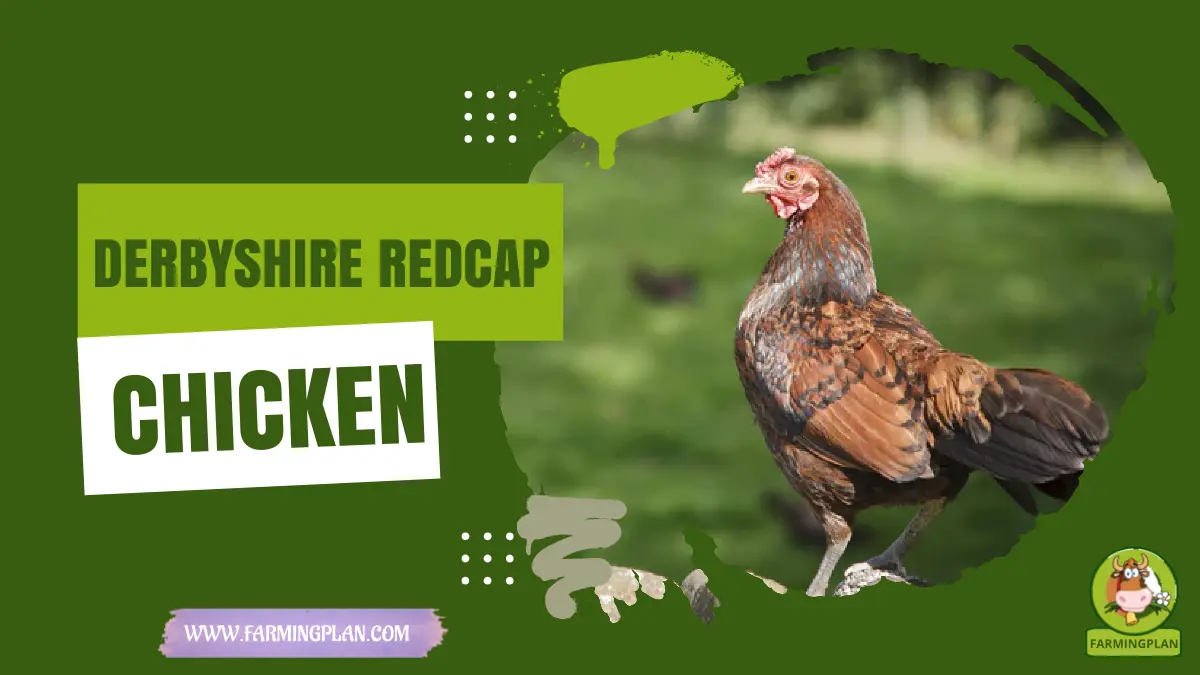
The head is large, broad, and dominated by its crowning glory: an immense, elaborate rose comb packed with hundreds of small, rounded points and terminating in a long, prominent straight spike (‘leader’) at the rear. The comb must stand upright and balanced without falling over either eye or blocking the rooster’s vision. Seasonal adjustments to shelter and diet keep Derbyshire Redcap Chicken thriving year-round.
The face and smooth, medium wattles are vibrant coral red, complemented by small, well-developed red earlobes that denote their historic white egg-laying status. The beak is stout, horn-colored, and slightly curved, paired with bold, fiery reddish-bay eyes. Proper record-keeping makes breeding and culling decisions easier for Derbyshire Redcap Chicken keepers.
The plumage is an intricate arrangement of rich color: cocks display deep lustrous black tails with beetle-green sheen, rich mahogany-red hackles and saddles, and breast feathers of warm red-brown tipped with glossy black spangles. Hens show uniform reddish-brown bodies, with every feather bearing a clean half-moon black spangle.
Size, Weight Benchmarks & Color Variations
Standard cocks weigh between 7.0 and 8.0 pounds, while mature hens weigh 5.5 to 6.5 pounds. Cockerels reach 6.0 pounds and pullets 5.0 pounds by 24 weeks. Providing adequate space and ventilation prevents common stress issues in Derbyshire Redcap Chicken.
The legs and shanks are clean, unfeathered, and slate-blue to leaden-grey in color, terminating in four strong, well-curved toes that excel at scratching through pasture sod. Understanding breed-specific traits helps maximize Derbyshire Redcap Chicken longevity and output.
Hens begin laying at 22 to 24 weeks of age, yielding 180 to 220 large, smooth-shelled white to creamy-tinted eggs annually.
📊 Derbyshire Redcap Chicken Performance & Production Matrix
| Poultry Metric | Derbyshire Redcap | Silver Spangled Hamburg | Old English Game Fowl |
|---|---|---|---|
| Comb Architecture | Massive Elaborate Rose Comb | Standard Medium Rose Comb | Small Single Comb (Trimmed) |
| Adult Hen Weight | 5.5 to 6.5 lbs (Medium/Heavy) | 4.0 to 4.5 lbs (Light Layer) | 3.5 to 4.5 lbs (Game Class) |
| Egg Shell Tint | Large White to Pale Cream | Medium Pristine White | Small Tinted Brown |
| Foraging Independence | Extreme (All-weather moorland) | Very High (Flighty forager) | High (Aggressive forager) |
| Conservation Status | Critical / Rare Heritage | Watch / Common Exhibition | Common Heritage Game |
Breed History, Heritage & North American Development
The exact origins of the Derbyshire Redcap are lost in the mists of British agricultural antiquity, with oral records linking them to 14th-century English farm flocks. The breed is believed to have originated from early crosses between indigenous English barnyard fowl, Old English Game birds, and ancestral Hamburg or Dorking lineages. Routine preventive care saves time and lowers veterinary costs for Derbyshire Redcap Chicken.
For generations, Derbyshire farmers selected for large combs, believing that comb size was directly correlated with egg-laying stamina and cold tolerance. Known locally as the ‘Moorscock,’ ‘Coppies,’ or ‘Redcaps,’ these birds were kept on remote moorland farms where they roosted high in apple trees and survived harsh northern English winters with near-zero shelter. Matching forage or ration quality to life stage optimizes Derbyshire Redcap Chicken growth.
Exported to the United States in the 1870s, the Derbyshire Redcap was formally admitted to the American Poultry Association Standard of Perfection in 1888. Although modern industrial white leghorns displaced them from commercial hatcheries, heritage conservators worldwide cherish the Redcap as a living symbol of historic British avicultural grit. Gradual dietary transitions protect digestive stability in Derbyshire Redcap Chicken.
Housing, Shelter Dimensions & Winter Hardiness
Housing Derbyshire Redcaps requires understanding their independent, semi-feral foraging nature. If confined to cramped, low coops, Redcaps become nervous, flighty, and prone to feather pecking.
Spatial Density & Enclosure Engineering
Provide a minimum of 5 square feet of interior coop space per bird, combined with an expansive pasture run offering at least 20 to 25 square feet of range per bird. Install sturdy wooden roosts positioned 36 to 48 inches high, as Redcaps naturally seek high roosting locations to escape ground predators. Selecting healthy foundation stock is the cornerstone of successful Derbyshire Redcap Chicken management.
Ensure coop pop-hole doors are tall and wide (at least 14 inches high by 12 inches wide) so roosters can pass through without scraping their elaborate rose combs against wooden door frames. Keep litter dry with kiln-dried pine shavings or coarse straw. Good predator-proofing and dry bedding safeguard Derbyshire Redcap Chicken comfort in harsh weather.
Because Redcaps are strong flyers, fence pastures with 5-to-6-foot perimeter fencing or cover outdoor runs with protective top netting to prevent them from roosting in tall trees.
Nutritional Requirements, Daily Rations & Feeding Protocols
Derbyshire Redcaps are consummate foragers that derive a significant percentage of their daily nutrition from pasture insects, worms, weed seeds, and wild greens. Monitoring water quality and mineral balance directly benefits Derbyshire Redcap Chicken vitality.
Crude Protein Benchmarks Across Life Stages
Feed adult hens an active 16% to 18% crude protein complete poultry layer pellet. Roosters and growing birds thrive on a 18% grower ration rich in essential amino acids (methionine and lysine) that support muscle mass and vibrant comb tissue. Practical hands-on husbandry ensures consistent results when raising Derbyshire Redcap Chicken.
Adult birds consume approximately 0.28 to 0.34 lbs (125 to 155 grams) of feed daily, but this can drop by 20% to 30% during summer months when birds have access to lush, insect-rich pasture acreage, following nutritional protocols in our poultry diet and feed management guide. Early intervention at the first sign of lethargy protects overall Derbyshire Redcap Chicken flock or herd health.
Always supply coarse crushed oyster shell in separate free-choice hoppers so hens can maintain eggshell calcification, alongside insoluble granite grit to support gizzard digestion.
Health Management, Common Diseases & Biosecurity Standards
The Derbyshire Redcap is one of the hardiest, most disease-resistant heritage chicken breeds in existence, having survived centuries of cold moorland natural selection. Structured culling and biosecurity protocols strengthen Derbyshire Redcap Chicken genetic quality.
Biosecurity Protocols & Veterinary Defenses
Because the rooster’s rose comb is large and fleshy, inspect it regularly for frostbite during severe sub-zero winter spells. Apply a thin coating of natural beeswax salve or food-grade petroleum jelly to comb points during extreme polar blizzards, ensuring coops remain well-ventilated and dry. Maintaining clean feeders and sanitized equipment supports sustainable Derbyshire Redcap Chicken care.
Dust dust-bathing boxes with food-grade diatomaceous earth and sulfur to control poultry lice and sticktight fleas. Comply with federal biosecurity recommendations under the USDA APHIS Defend the Flock Biosecurity Standards and review flock health in our poultry health management library.
Administer annual Mareks disease vaccinations at hatch and practice regular pasture rotation to prevent intestinal coccidiosis build-up in soil. Consistent daily observation helps keepers spot early changes in Derbyshire Redcap Chicken health and behavior.
Breeding Rose Comb Genetics, Incubation & Chick Care
Breeding Derbyshire Redcaps requires selecting for balanced, symmetrical rose combs with clear leaders, rich mahogany-red body coloration, and well-defined black half-moon spangles. Avoid breeding birds whose combs fall over the eyes or lack a rear spike. Clean housing, fresh water, and balanced nutrition remain essential for Derbyshire Redcap Chicken productivity.
Maintain a breeding ratio of 1 rooster to 6 or 8 hens to ensure high hatching egg fertility. Hens rarely go broody, so breeders rely on artificial incubators or broody foster hens (such as Orpingtons or Silkies). Tracking feed intake and body condition supports long-term Derbyshire Redcap Chicken performance.
Incubate clean eggs at 99.5°F (37.5°C) with 50% relative humidity for 21 days, raising humidity to 70% at lockdown. Chicks hatch with active vigor, displaying dark brown striped down. Brood under ceramic heat lamps at 90°F (32°C) during week one, weaning onto 20% protein starter crumbles, comparing growth with American dual-purpose breeds like the Delaware chicken.
US Ownership Budget & Annual Maintenance Costs
The budget for keeping a heritage flock of 6 Derbyshire Redcaps emphasizes predator-safe fencing, spacious high-roost coops, and quality protein rations. Following biosecurity best practices reduces disease risk in any Derbyshire Redcap Chicken operation.
💰 Estimated Annual Budget & Maintenance Costs (USD)
| Budget Category | Item Description & Scope | Initial Capital Outlay | Annual Recurring Expense |
|---|---|---|---|
| Heritage Breeding Flock (6 Pullets/Cockerel) | Rare pedigreed Derbyshire Redcap started stock from NPIP breeder | $120 – $200 | $0 (self-sustaining flock) |
| Predator-Proof High-Roost Coop | Walk-in timber coop (30 sq ft) with 4-ft perches & hardware cloth | $500 – $950 | $30 – $60 (latch/hinge upkeep) |
| Pasture Netting & Feeders | 164-ft solar electric poultry netting and metal treadle feeder | $280 – $460 | $25 – $40 (battery/wire maintenance) |
| Complete Layer Pellets | 50-lb bags of 16% layer ration (approx. 14 bags/year for 6 hens) | $28 (initial bag) | $340 – $420 |
| Crushed Oyster Shell & Grit | Coarse oyster shell and insoluble poultry granite grit bags | $25 | $30 – $45 |
| Pine Shavings & Straw | Kiln-dried pine shavings (approx. 12 bales/year) | $25 | $90 – $140 |
| Total Derbyshire Redcap Budget | Complete initial setup costs and recurring annual maintenance | $978 – $1,800 | $515 – $705 / year |
🐔 Derbyshire Redcap Chicken Flock Feed & Egg Yield Calculator
Estimate daily layer feed (lbs), monthly 50-lb feed bags, coop and run requirements, and expected weekly fresh egg yield for your Derbyshire Redcap Chicken flock.
Frequently Asked Questions (FAQ)
Why does the Derbyshire Redcap chicken have such a huge comb?
The massive rose comb was selectively bred for centuries in Derbyshire, England, where farmers believed large combs signaled superior cold hardiness and heavy egg laying.
How many eggs does a Derbyshire Redcap hen lay per year?
Derbyshire Redcap hens lay between 180 and 220 large white to pale cream eggs annually, maintaining good production across winter months.
Can Derbyshire Redcap chickens fly over fences?
Yes, due to their athletic build and game ancestry, Redcaps are agile flyers that can easily clear 5-foot fences unless pasture runs are covered with netting.
Are Derbyshire Redcap chickens friendly or flighty?
They are active, alert, and independent birds that can be flighty if confined, but they become calm and tractable when given ample free-range pasture space.
Are Derbyshire Redcaps good for cold northern climates?
Yes, they were bred on harsh English moorlands and possess exceptional cold tolerance, though dry coops are required to protect their large combs from frostbite.
Do Derbyshire Redcap hens go broody?
Redcap hens rarely go broody due to generations of breeding for continuous egg laying, making incubators or broody foster hens necessary for hatching.
Expert Verdict & Next Steps for Heritage Poultry Fanciers
The Derbyshire Redcap Chicken is an awe-inspiring living relic of British agricultural history, uniting spectacular headgear architecture with fierce foraging self-reliance. For homesteaders who want an energetic free-range flock capable of hunting their own feed across open pastures while delivering steady baskets of white eggs, the Redcap has few equals. Seasonal adjustments to shelter and diet keep Derbyshire Redcap Chicken thriving year-round.
By building coops with wide doors and high perches, providing dry bedding, and feeding balanced 16% layer rations, your flock will flourish for years. Explore our master guide to heritage and rare chicken breeds to discover more historic poultry for your homestead.
📚Agricultural Reference & Scientific Citations
Standards and physiological data referenced in this guide comply with American Poultry Association (APA), The Livestock Conservancy, and USDA APHIS Avian Biosecurity Standards.


