

📊 Crocodile Farming in Pakistan at a Glance: Key Specifications & Production Benchmarks
| Native Crocodilian Species | Mugger Crocodile (Crocodylus palustris; Marsh Crocodile) |
| Primary Habitats in Pakistan | Indus River Basin, Haleji Lake, Deh Akro-II, and Manghopir shrine ponds |
| Regulatory Authority | Sindh Wildlife Department & Ministry of Climate Change (Federal) |
| Conservation Status | CITES Appendix I (Strict Conservation; Commercial trade requires Appendix II ranching) |
| Adult Length Potential | 9 to 13 feet (2.7 to 4.0 meters); Broad, heavy-bodied freshwater crocodilian |
| Adult Weight Metric | 450 to 900 pounds (200 to 410 kg); Heavily armored dorsal and lateral scutes |
| Egg Clutch Fecundity | 25 to 45 eggs laid in sandy riverbanks and excavated soil pits |
| Incubation Regimen | Controlled 88.5°F (31.5°C) to yield fast-growing male cohorts |
| Dietary Adaptation | Carnivorous; freshwater fish, poultry offal, and small livestock trimmings |
| Commercial Potential | Captive breeding ranching, conservation ecotourism, and future sustainable export |
When planning crocodile farming pakistan management, Crocodile Farming in Pakistan represents an evolving intersection of endangered species conservation, captive wildlife management, and sustainable commercial feasibility. Centered on the indigenous Mugger or Marsh crocodile (Crocodylus palustris)—a broad-snouted freshwater crocodilian native to the river basins and wetlands of the Indian subcontinent—Pakistan’s crocodilian sector has historically focused on religious preservation and provincial wildlife sanctuaries, most famously at the historic Manghopir shrine in Karachi and the protected wetlands of Haleji Lake and Deh Akro-II in Sindh province.
Whether you are evaluating sustainable wildlife ranching models or studying South Asian crocodilian conservation through our commercial aquaculture and crocodile farming portal, understanding Pakistan’s unique context is critical. Unlike nations farming the common Nile or Saltwater crocodile under open commercial quotas, Pakistan’s native Mugger crocodile is listed on CITES Appendix I due to historic habitat loss and hunting, meaning commercial international trade is strictly prohibited unless facilities operate under certified governmental captive-breeding programs that contribute directly to wild conservation. Selecting healthy foundation stock is the cornerstone of successful crocodile farming pakistan management.
However, provincial wildlife departments and private agribusiness investors are increasingly exploring commercial pilot ranching and ecotourism models, utilizing Pakistan’s extensive irrigation networks, warm southern climate, and abundant livestock slaughterhouse offal. In this authoritative technical guide, we evaluate Mugger crocodile biology, provincial wildlife licensing, captive enclosure engineering, nutritional management, and the legal pathways toward sustainable commercial ranching. Good predator-proofing and dry bedding safeguard crocodile farming pakistan comfort in harsh weather.
Physical Characteristics & Breed Standards
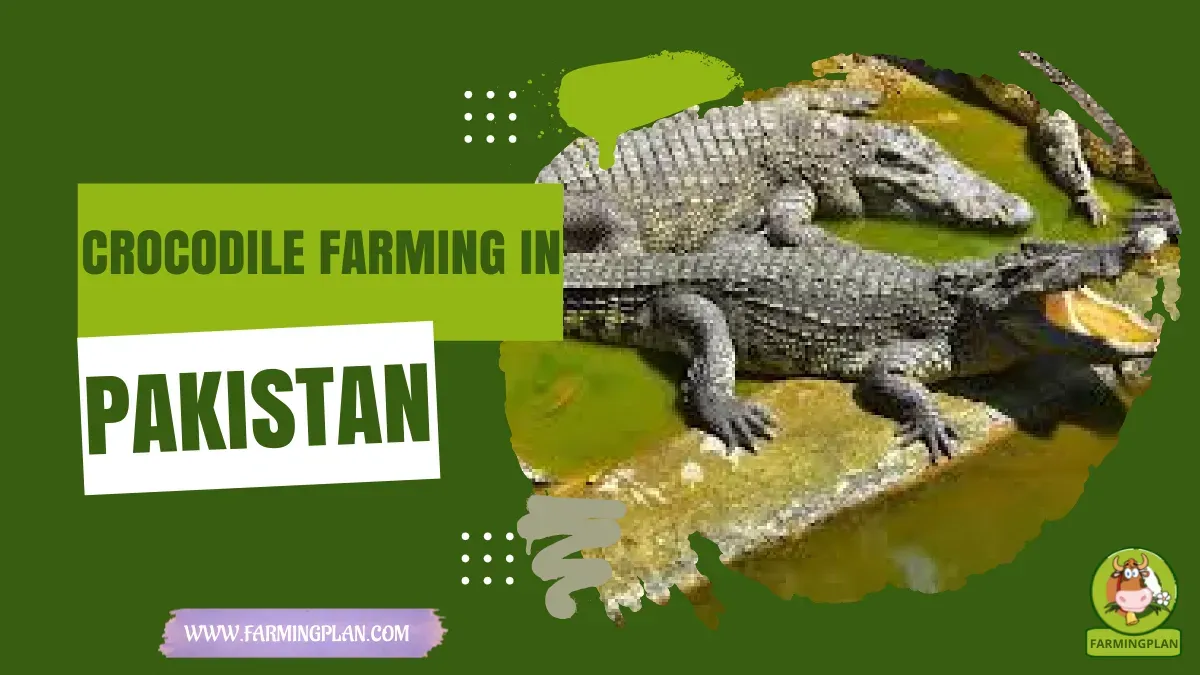
The Mugger crocodile in Pakistan presents a heavily armored, robust, and broad-snouted physical conformation adapted for freshwater river systems. Monitoring water quality and mineral balance directly benefits crocodile farming pakistan vitality.
Their body is broad, deep-chested, and muscular, featuring the broadest snout of any living true crocodile, closely resembling the American alligator.
Conformation Standards & Anatomical Structure
The head is exceptionally wide and heavy, with a blunt, rounded snout lined with 66 to 68 strong, conical teeth designed for seizing freshwater fish and shoreline animals. The nostrils and eyes sit atop the cranial ridge, allowing full sensory awareness while mostly submerged. Practical hands-on husbandry ensures consistent results when raising crocodile farming pakistan.
The dorsal armor is formidable, consisting of 4 to 6 longitudinal rows of heavily calcified osteoderms (scutes) that extend down the back and merge into the swimming tail. The ventral belly skin features square scales that are somewhat more ossified (containing small osteoderm pits) than saltwater crocodiles, requiring specialized tanning. Early intervention at the first sign of lethargy protects overall crocodile farming pakistan flock or herd health.
The limbs are powerful, short, and splayed, terminating in webbed, sharp-clawed feet that provide outstanding crawling locomotion across muddy river sandbars and steep canal banks.
Coloration in adults is dark olive-brown to charcoal grey across the back, with a pale yellowish-white belly that remains clean when maintained on smooth pen substrates. Structured culling and biosecurity protocols strengthen crocodile farming pakistan genetic quality.
The muscular tail is laterally flattened and deep, accounting for almost half of total body mass and delivering rapid burst acceleration during prey capture. Maintaining clean feeders and sanitized equipment supports sustainable crocodile farming pakistan care.
Size, Weight Benchmarks & Color Variations
Under captive feeding, sub-adult Mugger crocodiles reach 5.0 to 6.0 feet (1.5 to 1.8 meters) at 3.0 to 3.5 years of age. Consistent daily observation helps keepers spot early changes in crocodile farming pakistan health and behavior.
Mature adult breeding bulls measure 10 to 12 feet (3.0 to 3.7 meters) and weigh between 600 and 900 pounds (270 to 410 kg).
Adult breeding females maintain lengths of 7.5 to 9.0 feet (2.3 to 2.7 meters) and weights of 300 to 450 pounds (135 to 205 kg), producing annual clutches of 25 to 45 eggs. Clean housing, fresh water, and balanced nutrition remain essential for crocodile farming pakistan productivity.
📊 Crocodile Farming in Pakistan Performance & Production Matrix
| Crocodilian Parameter | Pakistani Mugger (*C. palustris*) | Nile Crocodile (*C. niloticus*) | Saltwater Croc (*C. porosus*) |
|---|---|---|---|
| Primary Habitat Type | Freshwater Rivers, Canals, Swamps | Rivers, Lakes, Coastal Swamps | Estuaries, Mangroves, Marine |
| Snout Width Morphology | Extremely Broad (Alligator-like) | Moderate Narrow Taper | Moderate Broad Taper |
| CITES Listing Status | Appendix I (Conservation Focus) | Appendix II (Commercial Trade) | Appendix II / Appendix I |
| Belly Scale Ossification | Moderate (Small Osteoderms) | Low (Smooth Non-calcified) | Zero (Pristine Smooth) |
| Cold Tolerance Profile | Moderate (Tolerates Mild Winter) | Low to Moderate | Low (Strictly Tropical) |
Breed History, Heritage & North American Development
The Mugger crocodile has inhabited the Indus River basin and Balochistan’s coastal rivers since prehistoric times, featured prominently in ancient Harappan pottery and seals from Mohenjo-Daro dating back over 4,000 years. Tracking feed intake and body condition supports long-term crocodile farming pakistan performance.
In Karachi, the Manghopir Sufi shrine has hosted hundreds of semi-tame Mugger crocodiles in a sacred pond for centuries, where pilgrims feed them meat in an ancient cultural ritual. However, during the twentieth century, dam construction on the Indus and wild poaching reduced wild populations to fragmented pockets in Sindh and Balochistan.
Recognizing the crisis, the Sindh Wildlife Department initiated captive breeding and conservation programs at Haleji Lake and Sukkur. Today, growing interest from agribusiness entrepreneurs is driving proposals to downlist captive populations to CITES Appendix II, paving the way for commercial ranching that funds wild wetland preservation. Following biosecurity best practices reduces disease risk in any crocodile farming pakistan operation.
Housing, Shelter Dimensions & Winter Hardiness
Enclosure engineering in Pakistan must provide warm water ponds, winter sun-basking terraces, and escape-proof security barriers. Seasonal adjustments to shelter and diet keep crocodile farming pakistan thriving year-round.
Spatial Density & Enclosure Engineering
Grow-out crocodiles (ages 1 to 3) require concrete pens providing 10 to 14 square feet of space per animal, maintaining an equal ratio of clean water pond (18 inches deep) to dry concrete basking apron. Proper record-keeping makes breeding and culling decisions easier for crocodile farming pakistan keepers.
All concrete surfaces must be finished with smooth, polished cement screed to protect ventral scales from abrasive damage during daily movement.
Breeding dams require expansive outdoor lagoons (1 to 2 acres) with deep water channels (6 to 8 feet deep) and elevated sandy nesting banks (3 feet deep) where females can excavate hole nests. Providing adequate space and ventilation prevents common stress issues in crocodile farming pakistan.
Construct perimeter walls of 8-foot reinforced brick masonry sunk 2 feet below ground level to eliminate any possibility of burrowing escape. Understanding breed-specific traits helps maximize crocodile farming pakistan longevity and output.
Water circulation channels should incorporate dedicated settling basins and submersible drainage pumps that facilitate complete pen evacuation within forty-five minutes, minimizing ammonia accumulation and maintaining exceptional scale hygiene throughout holding periods.
Nutritional Requirements, Daily Rations & Feeding Protocols
Feed management in Pakistan takes advantage of abundant freshwater fisheries by-products and poultry processing waste streams. Routine preventive care saves time and lowers veterinary costs for crocodile farming pakistan.
Crude Protein Benchmarks Across Life Stages
The primary diet consists of fresh minced poultry offal (broiler heads, necks, and viscera from regional processing centers) blended with freshwater trash fish (carp and tilapia frames) and beef slaughterhouse offal, supplying 50 to 55 percent crude protein. Matching forage or ration quality to life stage optimizes crocodile farming pakistan growth.
Incorporate a crocodilian vitamin-mineral premix containing 2.0 percent dicalcium phosphate, calcium carbonate, vitamin A, and vitamin D3 to ensure strong bone mineralization. Gradual dietary transitions protect digestive stability in crocodile farming pakistan.
Feed grow-out stock three to four times weekly during warm afternoons at 3 to 4 percent of biomass, monitoring feeding aprons to ensure food is consumed within one hour.
Never feed uninspected, decomposing, or chemically preserved meats; feeding spoiled offal collapses water quality and induces fatal bacterial enteritis in juvenile stock. Selecting healthy foundation stock is the cornerstone of successful crocodile farming pakistan management.
Health Management, Common Diseases & Biosecurity Standards
Mugger crocodiles possess robust natural immune defenses, but captive density requires rigorous sanitation to prevent disease outbreaks. Good predator-proofing and dry bedding safeguard crocodile farming pakistan comfort in harsh weather.
Biosecurity Protocols & Veterinary Defenses
Perform complete daily water draining and flushing in all grow-out tanks, pressure-washing concrete feeding aprons with biodegradable disinfectants to eliminate organic sludge.
Monitor animals weekly for fungal dermatitis and bacterial septicemia, treating affected crocodiles promptly with clean water isolation and approved topical antifungals. Monitoring water quality and mineral balance directly benefits crocodile farming pakistan vitality.
Maintain water quality parameters meticulously: ensure total ammonia remains under 0.1 mg/L and pH stays between 7.2 and 7.8, utilizing clean canal or borehole water. Access international crocodilian pathology resources via the IUCN Crocodile Specialist Group Health Manuals. Practical hands-on husbandry ensures consistent results when raising crocodile farming pakistan.
Enforce strict farm biosecurity: maintain vehicle tire disinfectant dips at farm entrances and require staff to utilize sanitizing footbaths before entering nursery units. Early intervention at the first sign of lethargy protects overall crocodile farming pakistan flock or herd health.
Sandy Nest Harvesting, TSD Incubation & Hatchling Care
In Sindh, Mugger crocodiles mate between February and March, with females digging deep hole nests in elevated sandy banks between April and May.
Trained farm technicians excavate clutches within 24 hours of oviposition, marking the top axis of each egg with pencil to preserve orientation during transport to the hatchery. Structured culling and biosecurity protocols strengthen crocodile farming pakistan genetic quality.
Incubate eggs in computerized industrial incubators at a constant 88.5°F (31.5°C) to produce 100 percent fast-growing male cohorts. Eggs hatch after 60 to 70 days; wash hatchlings in warm saline water and place them in heated nursery water basins bedded with smooth tile. Maintaining clean feeders and sanitized equipment supports sustainable crocodile farming pakistan care.
Commercial Facility & Annual Operating Cost Benchmarks
Establishing a commercial or conservation crocodile ranch in Pakistan involves upfront investment in brick masonry, licensing, and water systems, offset by long-term ecotourism and sustainable ranching value.
Prudent financial plans allocate funds for enclosed climate-controlled indoor winter sheds, biological gravel filtration lagoons, high-efficiency water heaters, cold storage freezers, and formal provincial wildlife department permits to prevent operational delays or animal health setbacks during harsh cold spells. Consistent daily observation helps keepers spot early changes in crocodile farming pakistan health and behavior.
💰 Estimated Annual Budget & Maintenance Costs (USD)
| Budget Category | Item Description & Scope | Initial Capital Outlay | Annual Recurring Expense |
|---|---|---|---|
| Provincial Wildlife License & Permits | Sindh Wildlife Department permit, environmental clearance, and tags | $1,500 – $3,000 | $250 – $500 |
| Concrete Grow-Out Pens & Drainage | Smooth concrete pens, water ponds, and drainage piping | $12,000 – $25,000 | $500 – $1,000 |
| Broodstock Dam & Perimeter Wall | Fenced breeding pond, sandy banks, and 8-ft brick boundary wall | $10,000 – $20,000 | $400 – $750 |
| Poultry & Fish Offal Rations | Minced poultry processing waste, trash fish, and vitamin premix | $500 – $1,000 | $3,000 – $5,500 |
| Processing & Hatchery Equipment | Egg incubator unit, stainless steel tables, and water pumps | $1,500 – $3,000 | $200 – $400 |
🐊 Crocodile Pakistan Farm Feed & Pen Calculator
Calculate weekly meat rations (lbs), basking pool volume (gallons), land apron area (sq ft), and water temperature parameters for commercial Crocodile Pakistan.
Frequently Asked Questions (FAQ)
What species of crocodile lives in Pakistan?
Pakistan is home to the Mugger or Marsh Crocodile (Crocodylus palustris), a broad-snouted freshwater species found in the Indus River basin and coastal wetlands of Sindh and Balochistan.
Is commercial crocodile farming permitted in Pakistan?
Commercial crocodile farming requires special wildlife farming permits from provincial wildlife departments (such as Sindh Wildlife Department) and must comply with CITES international export regulations.
Where are crocodiles kept in Pakistan currently?
Crocodiles are maintained in conservation facilities at Haleji Lake, Sukkur, the famous Manghopir Sufi shrine in Karachi, and emerging private wildlife breeding parks.
What do crocodiles eat in Pakistani farming facilities?
They are fed high-protein diets of poultry processing viscera, freshwater trash fish, and beef slaughterhouse offal supplemented with essential vitamins and calcium.
Expert Verdict & Next Steps for Pakistani Wildlife Keepers
Crocodile Farming in Pakistan represents a promising frontier for sustainable wildlife utilization and conservation herpetoculture, demonstrating how captive breeding can protect endangered wetlands while creating economic opportunity. For investors and conservationists working under provincial wildlife guidelines, Mugger crocodile management offers an impactful, forward-looking enterprise. Clean housing, fresh water, and balanced nutrition remain essential for crocodile farming pakistan productivity.
Expand your commercial aquaculture and livestock expertise by reviewing our companion guides to continental Crocodile Farming in Africa, commercial Crocodile Farming Business Planning, national Crocodile Farming in Bangladesh, and high-density African Catfish Aquaculture.
📚Agricultural Reference & Scientific Citations
Standards and physiological data referenced in this guide comply with USDA Animal and Plant Health Inspection Service (APHIS), American Veterinary Medical Association (AVMA), and the FAO Domestic Animal Diversity Information System.


