I started my journey as a commercial reptile specialist over a decade ago, and I can tell you that crocodile farming in Kenya offers one of the most exciting agricultural investment opportunities in the country today. Many local entrepreneurs look past reptile ranching, yet it directly supports conservation and brings huge economic benefits to local communities. The primary goal of captive breeding and commercial ranching is the high-value production of Nile crocodile skin alongside exotic meat. With regulatory backing from the Kenya Wildlife Service (KWS) and strict oversight under international trade frameworks like CITES, running crocodile farming businesses in Kenya can turn into a serious financial success.
By mastering every aspect of crocodile farming in Kenya—from precise artificial egg incubation and hatchling care to sustainable harvesting and luxury hide curing—you can establish a highly lucrative agribusiness that creates local employment, yields top-tier exports, and actively supports the conservation of wild Nile crocodile populations across East Africa. Whether you operate near Treasury Square in Mombasa or run an out-of-town facility, understanding the legal framework and husbandry standards is essential for success.
| Attribute / Metric | Specification & Benchmark |
|---|---|
| Classification & Class | Crocodilian Reptile / Commercial Aquaculture (Crocodylus niloticus) |
| Primary Production Focus | Commercial Leather, Specialty Hide Export & Exotic Table Meat |
| Productivity / Performance Yield | 1.5 to 2.5 meter belly-skin harvest; high feed conversion |
| Mature Benchmark Weight / Size | Harvest: 80–130 lbs (36–59 kg) | Mature Adults: 400–1,500+ lbs |
| Temperament & Behavior | Apex predator, requires strict containment and safety barriers |
| Climate & Environmental Hardiness | Tropical/subtropical warmth; water temperature 28°C–32°C |
| Management & Homestead Rating | Beginner to Intermediate Friendly |
History & Origin of Crocodile Farming in Kenya
Commercial crocodile farming in Kenya traces its origins back to the late 20th century as a response to declining wild populations of Nile crocodiles across African river systems. Human-wildlife conflict and uncontrolled poaching severely threatened these prehistoric reptiles. To save the species, wildlife authorities shifted toward sustainable use strategies, allowing captive breeding and commercial ranching to supply global commercial markets without depleting wild rivers. In Kenya, early operations sprouted along the warm coastal belt, most notably in Mombasa with pioneering establishments like Mamba Village and Mamba Cultural Centre. Landmark commercial setups, such as Kazuri London Crocodile Farm Ltd, proved that controlled breeding could flourish in coastal environments.
Over the years, complex legal disputes—such as notable court cases involving Kenya Crocodile Farm Ltd, Mamba Village Centre Ltd, and various rulings in the High Court of Kenya at Mombasa presided over by judges like Madzayo J, Ibrahim J, and Kosgei J—helped shape the legal framework, civil procedure, and corporate compliance standards governing property rights, debt execution under Order 38 Rules 5, 6 and 12, and business licensing under the Companies Act Cap 486 Laws of Kenya and the Civil Procedure Act Section 94. Today, modern reptile farming stands as a recognized commercial sector that actively supports wildlife conservation while bolstering the national economy. Aquaculture growers evaluating pond stocking parameters often review the water temperature tolerance of the Oscar Fish.
Characteristics of Crocodile Farming in Kenya
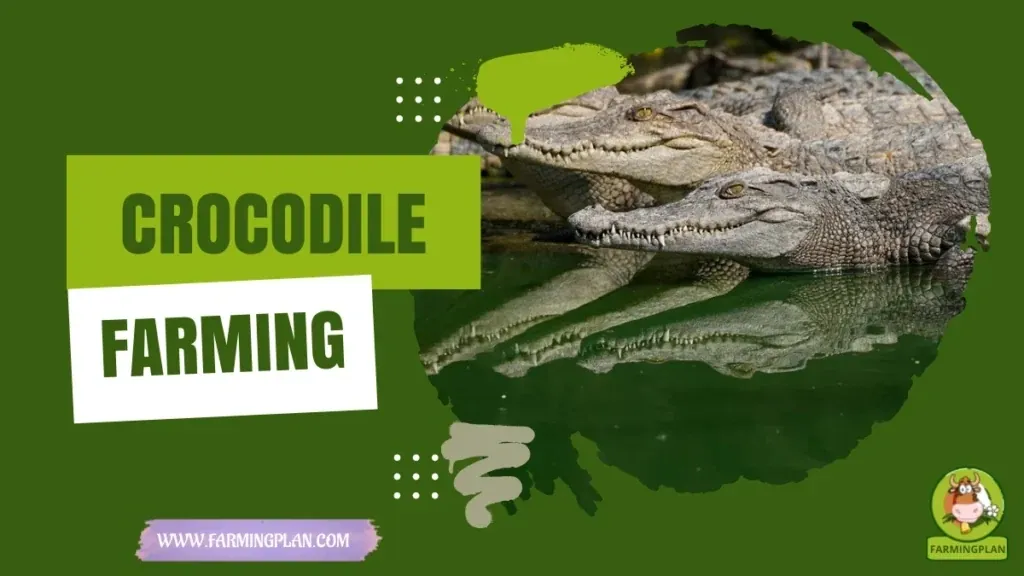
Nile crocodiles are massive, armor-plated reptiles built for power and endurance. In our local Kenyan farms, adult males routinely reach lengths of 3.5 to 5 meters, weighing upwards of 225 to 750 kilograms, while females remain slightly smaller. Their heavy skin features thick bony plates called osteoderms along the back, while their smooth belly skin is the prized raw material used by luxury global tanneries for fine handbags and shoes.
| Feature / Trait | Description |
| Coloration | Dark olive-green to bronze upper body with yellowish-white belly |
| Bite Force | Up to 3,700 psi, among the strongest in the animal kingdom |
| Lifespan | 50 to 70 years in captive environments |
| Growth Rate | Reaches commercial slaughter size (1.5–2 meters) in 3 to 4 years |
| Sexual Maturity | Females mature at 10–12 years; males mature around 12–15 years |
Their eyes, ears, and nostrils sit right on top of their flattened heads, allowing them to remain almost fully submerged while scanning their surroundings. Under captive conditions, maintaining pristine skin quality without bites, scratches, or scars is the ultimate goal, as even minor skin blemishes drastically reduce the final value of the leather hide.
Behavior, Temperament, and Handling of Crocodile Farming in Kenya
Nile crocodiles are wild, territorial apex predators driven entirely by instinct. They never become docile pets or tame farm animals, so you must always respect their power and space. In a farm setup, crowded conditions can trigger severe aggression, leading to bite marks on hides or lethal fights among mature stock. Managing crocodile temperament relies on creating calm, structured environments.
Hatchling and juvenile crocodiles easily stress when exposed to sudden loud noises, rough handling, or cold temperatures. Stressed reptiles stop eating, suffer weakened immune systems, and develop stunted growth rates. Professional farm workers use custom wooden shields, low-stress sorting chutes, and blindfolds during health checks or sorting to keep both the handler and the crocodile safe.
Food & Diet of Crocodile Farming in Kenya
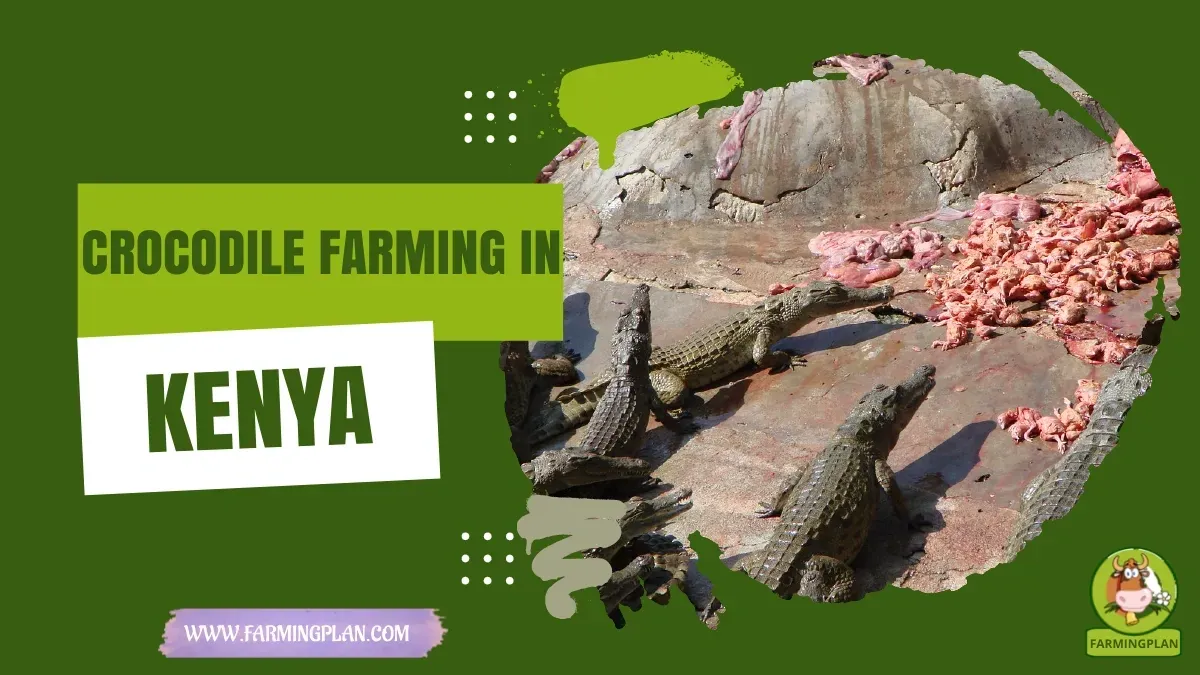
Feeding your stock a balanced diet is one of your largest ongoing operational expenses, but it directly dictates growth speed and hide health. Crocodiles are strict carnivores that thrive on protein-rich diets. In Kenya, smart farmers source fresh waste meat, condemned offal, and poultry by-products from local slaughterhouses, or trash fish from coastal processing facilities.
Never feed rotting or decomposed meat, as dangerous bacterial contamination can devastate an entire pond population. You must also supplement raw meat with essential calcium carbonate and multivitamin blends to prevent metabolic bone disease and soft-shell issues in egg-laying females. Clean, fresh water is just as vital as feed; foul water breeds harmful pathogens that degrade skin quality.
Purpose of Crocodile Farming in Kenya
The primary financial driver of crocodile farming in Kenya is the global luxury fashion market. High-grade Nile crocodile belly skin commands top prices from international tanneries in Europe and Asia, where it is transformed into high-end watchbands, belts, boots, and designer handbags. Secondary commercial revenue comes directly from crocodile meat sales.
The meat is low in fat, rich in protein, and offers a delicate flavor often compared to a cross between chicken and fish. Local high-end tourist hotels, game lodges, and specialized restaurants in Nairobi and Mombasa regularly purchase fresh crocodile tail meat at premium rates. Additionally, integrating educational farm tours and entry fees creates consistent weekly cash flow to offset daily maintenance costs.
Special Traits & Unique Adaptations of Crocodile Farming in Kenya
Nile crocodiles possess incredible biological adaptations that make them hardy, efficient farm animals when managed properly. Their exceptionally slow metabolic rate lets them convert food into body mass far more efficiently than warm-blooded livestock like cattle or pigs.
- Ectothermic Thermoregulation: They rely on environmental heat to regulate body temperature, requiring zero metabolic energy to keep warm.
- Immune Power: Their blood contains powerful antimicrobial proteins that allow them to heal rapidly from physical wounds without developing massive septic infections.
- Palatal Valve: A specialized throat valve allows them to open their mouth underwater to catch prey without swallowing water.
- Multi-chambered Stomach: They produce extremely potent stomach acid capable of digesting bones, horns, and tough animal hide completely.
Health Issues, Sanitation, and Disease Prevention
Disease management in a reptile farm is all about prevention, hygiene, and strict bio-security. Because crocodiles live in water-filled enclosures, dirty water quickly causes bacterial infections, skin lesions, and fungal outbreaks that ruin valuable hides. Common ailments include “pix” (bacterial dermatitis caused by Pseudomonas or Aeromonas species), which shows up as small brownish spots or craters on the belly skin. Internal parasites can also stunt juvenile growth. To prevent disease outbreaks, maintain water pH between 6.8 and 7.5, keep water temperatures around 30°C to 32°C, install reliable drainage systems, and isolate sick stock immediately.
Step-by-Step Farming Guide for Crocodile Farming in Kenya
Starting a commercial crocodile farming in Kenya enterprise requires dedication, proper planning, and a deep understanding of reptile management. When you embark on crocodile farming in Kenya, you enter a high-value sector backed by strict government standards from the Kenya Wildlife Service (KWS) and international regulatory frameworks like CITES. The secret to mastering crocodile farming in Kenya lies in maintaining exceptional water cleanliness, providing a nutrient-dense diet rich in proteins and essential minerals, and building smooth concrete pens that protect the precious belly hides from scratches. Starting a commercial crocodile farm requires careful preparation, clear regulatory compliance, proper site design, and strict daily management. If you follow this detailed step-by-step roadmap, you can build a sustainable, profitable reptile business.
Step 1: Legal Licensing and Permit Acquisition
Before digging a single pit or buying equipment, secure all required legal permissions from government authorities. In Kenya, wild reptiles are state property protected under wildlife legislation. Submit a detailed commercial application to the Kenya Wildlife Service (KWS) requesting a captive breeding and ranching permit. KWS officers will inspect your business plan, site security, and environmental impact assessments. Additionally, register your enterprise under the Companies Act and secure international CITES clearance documentation so you can legally export crocodile skins and meat abroad.
Step 2: Site Selection and Environmental Planning
Choose your farm location carefully. Nile crocodiles require a warm, tropical climate year-round to maintain rapid metabolic growth and health. Coastal areas like Mombasa or warm lowlands are ideal because low temperatures slow digestion and stunt growth. Ensure your site has access to clean freshwater from boreholes or rivers, reliable power for water pumps, good road access to transport feed, and adequate buffer space away from residential areas to avoid land disputes.
Step 3: Designing Secure Pens and Infrastructure
Construct secure enclosures to keep your stock inside and prevent unauthorized entry. Enclosures must feature smooth, high concrete walls (at least 1.8 to 2 meters tall) with inward-sloping perimeter fences to stop escapes. Build separate, dedicated zones: shallow hatchling tanks, nursery grow-out pens, large finishing ponds with smooth concrete floors, and deep breeding dams with soft, sandy banks for egg nesting. Smooth surfaces are critical; rough concrete will scratch belly skins and ruin their export value.
Step 4: Sourcing Breeding Stock and Egg Management
Acquire initial breeding stock or wild-collected eggs under valid KWS permits. Healthy adult breeding ratios usually run at one male for every three to four females. During the nesting season, females lay 40 to 60 eggs in sandy pits. Collect eggs immediately using gentle handling—never rotate or flip the egg during transfer—and place them in temperature-controlled artificial incubators kept strictly between 31°C and 33°C with 90% humidity. Proper incubator temperature ensures strong hatch rates and balanced gender ratios.
Step 5: Daily Husbandry and Processing Protocols
Establish strict daily operational routines. Feed juveniles daily with finely chopped, vitamin-fortified protein, and feed older grow-out stock two to three times a week. Flush outdirty water, scrub concrete surfaces, and refill pens with fresh water daily. When crocodiles reach target harvest sizes (1.5 to 2 meters at roughly 3 to 4 years of age), perform humane slaughter under strict veterinary supervision. Carefully skin the belly hide using precise skinning tools, salt the hides for preservation, freeze the tail meat for culinary distribution, and package everything under CITES traceability regulations.
Expert Tips & Best Practices for Crocodile Farming in Kenya
As an experienced reptile farmer, I have learned that paying attention to small daily details separates profitable farms from failing operations. Here are key best practices to help you succeed:
- Eliminate Rough Surfaces: Use smooth, troweled concrete or smooth rubber mats in all grow-out pens to prevent scratches.
- Maintain Strict Stocking Densities: Avoid overcrowding; give maturing crocs plenty of space to swim and bask without biting each other.
- Secure Cheap Feed Contracts: Partner with local poultry processing plants, fish markets, and abattoirs to keep your feed costs low.
- Control Water Temperature: Keep nursery water warm (around 31°C) to keep juvenile appetites high and speed up growth rates.
- Diversify Farm Income: Open your facility to tourists, school trips, and research groups to generate steady daily entrance revenue.
- Keep Precise Records: Track every batch of eggs, hatch dates, feed conversion ratios, and mortality rates to optimize your business operations.
FAQs
Is crocodile farming legal in Kenya?
Yes, crocodile farming is fully legal in Kenya when authorized and licensed by the Kenya Wildlife Service (KWS). Farmers must follow national wildlife regulations and CITES guidelines for captive breeding and export operations.
How long does it take for a farmed crocodile to mature for harvest?
Farmed Nile crocodiles usually take about 3 to 4 years to reach ideal harvest size. At this age, they measure around 1.5 to 2 meters in length, providing prime belly skin and high-yield meat.
What do farmed crocodiles eat in Kenya?
Farmed crocodiles are fed protein-rich diets made up of slaughterhouse offal, chicken waste, fresh fish, and beef scraps. Farmers also add essential calcium and vitamin supplements to support strong bone development.
How profitable is crocodile farming in Kenya?
Crocodile farming can be very profitable if managed correctly, as a single high-grade hide can fetch high prices on international markets alongside local meat sales. However, success requires significant starting capital, patience, and strict operational management.
Can I keep a crocodile as a personal domestic pet in Kenya?
No, keeping crocodiles as personal household pets is illegal under Kenyan wildlife laws. The Kenya Wildlife Service issues permits strictly for licensed commercial farms, educational centers, and recognized conservation facilities.
Conclusion
Crocodile farming in Kenya is a unique, high-reward agribusiness that combines wildlife conservation with strong profit potential. While starting a farm requires significant capital, strict legal compliance with KWS, and careful daily maintenance, the long-term returns from luxury hide exports and exotic meat sales make it an exceptional investment. By focusing on proper nutrition, high water quality, and stress-free pen design, you can build a sustainable operation that creates local jobs and protects wild reptile populations. If you are ready to explore this profitable agricultural frontier, reach out to the Kenya Wildlife Service today, connect with experienced industry consultants, and share your thoughts or questions in the comments below!