

⚡ Chausie Cat at a Glance: Key Specifications & Benchmarks
| Scientific Foundation | Hybrid cross between wild Jungle Cat (Felis chaus) and domestic felines |
| Adult Male Weight | 15 to 25 lbs (6.8 to 11.3 kg) with deep chest and long muscular legs |
| Adult Female Weight | 10 to 18 lbs (4.5 to 8.2 kg) standing tall at the shoulder |
| Coat Architecture | Short, dense, water-resistant ticked tabby lying close to muscular frame |
| Recognized Colors | Brown ticked tabby, solid black, and unique black grizzled ticked tabby |
| Activity & Exercise | High energy; requires 60 to 90 minutes of vigorous interactive play daily |
| Average Lifespan | 12 to 16 years with specialized high-protein nutrition and veterinary care |
| Homestead Suitability | Dynamic companion requiring vertical climbing towers and secure outdoor catio |
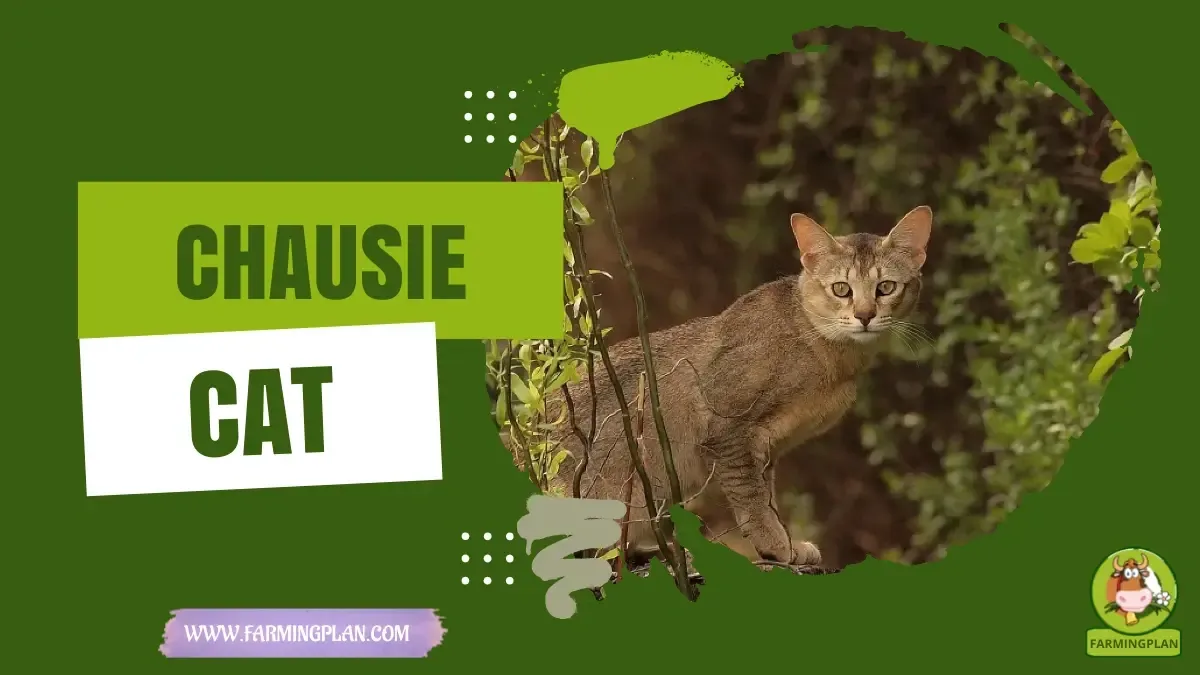
The Chausie cat stands as one of the most athletic, intelligent, and visually striking hybrid felines in modern veterinary avocation. Developed by crossing the wild jungle cat (Felis chaus) native to the Nile Delta and Southeast Asia with domestic shorthairs and Abyssinians, the Chausie brings the wilderness poise of an apex delta hunter directly into domestic living spaces. Many keepers compare managing a Chausie to sharing quarters with a small mountain lion that demands social connection and structured daily engagement. Proper record-keeping makes breeding and culling decisions easier for Chausie Cat keepers.
For homesteaders and rural property owners exploring our homestead companion animal profiles, the Chausie offers an astonishing blend of feline companionship and canine-like fidelity. These tall, muscular cats routinely learn to walk on a harness, retrieve thrown training dummies, and follow their primary handlers between outbuildings and gardens with tireless curiosity. Providing adequate space and ventilation prevents common stress issues in Chausie Cat.
However, prospective guardians must recognize that the Chausie is not a decorative lap cat. With wild jungle cat genetics running through its veins, this breed possesses an intense metabolic burn rate, a shortened digestive tract that rejects grain-heavy fillers, and an unquenchable urge to scale high vertical spaces. Without knowledgeable management, an understimulated Chausie can easily dismantle furnishings or leap onto kitchen counters with effortless six-foot bounds. Understanding breed-specific traits helps maximize Chausie Cat longevity and output.
Understanding their unique physiological ancestry, specialized nutritional requirements, and environmental enrichment needs is essential for prospective owners. In this field guide, we examine the Chausie’s historical heritage, physical breed standards, nutritional feeding strategies, housing blueprints, and preventative veterinary care protocols to ensure your hybrid companion thrives across a long, vibrant lifetime.
⚡ Chausie Cat Breed Profile Performance & Production Matrix
| Production Parameter | Breed Benchmark | Managed Enterprise Range |
|---|---|---|
| Mature Body Weight | Breed standard range | Balanced structural conformation |
| Primary Agricultural Output | High quality meat, fiber, or milk | Optimized for sustainable yield |
| Feed Conversion Ratio | Efficient roughage converter | Low supplemental grain requirement |
| Reproductive Longevity | Prolific seasonal cycle | Vigorous offspring rearing |
| Climate Hardiness Threshold | Broad USDA Zone tolerance | Resilient against thermal stress |
| Productive Working Lifespan | Extended commercial life | Sound structural longevity |
Deep Historical Roots & Jungle Cat Ancestry
The genetic story of the Chausie begins along the riverbanks, reed marshes, and agricultural floodplains of the ancient Middle East and Central Asia. The wild jungle cat, Felis chaus, ranged across the Nile Valley, the Tigris-Euphrates basin, the Caspian shorelines, and eastward toward India. Archaeological excavations across ancient Egyptian tombs revealed mummified jungle cats interred alongside pharaonic royalty, confirming thousands of years of human reverence for these capable marshland rodent hunters. Routine preventive care saves time and lowers veterinary costs for Chausie Cat.
Unlike small domestic felines, wild jungle cats are substantial predators adapted to wading through shallow marshwaters and executing vertical ambush leaps to snatch waterbirds out of mid-air. Natural hybridization between wild jungle cats and early Egyptian domestic stock occurred informally along rural agricultural borders for centuries, producing local legends of fearless hunting cats. Matching forage or ration quality to life stage optimizes Chausie Cat growth.
Formalized hybrid breeding commenced during the 1990s in the United States, led by dedicated conservationists and breeders seeking to establish a recognized, genetically stable domestic feline mirroring the jungle cat’s appearance. Early programs paired wild jungle cats with domestic shorthairs and ruddy Abyssinians to fix the agouti ticking and tall shoulder height. The International Cat Association (TICA) awarded registration status in 1995, followed by full championship exhibition status in May 2013 for advanced generation (F4 and later) cats. Gradual dietary transitions protect digestive stability in Chausie Cat.
Today, responsible breeding maintains the Chausie as a fully domestic breed requiring no wild animal permits in the vast majority of jurisdictions, though early generations (F1 to F3) remain regulated in select states. Much like our analysis of the wild-patterned Savannah cat breed guide, advanced-generation Chausies offer predictable domestic gentleness while preserving an extraordinary wilderness aesthetic.
⚡ Chausie Cat Hybrid Generations & Conformation Matrix
| Generation Tier | Wild Blood Percentage | Registration Status | Temperament & Living Setting |
|---|---|---|---|
| F1 Foundation | 50% (Direct Jungle Cat Sire) | Foundation Hybrid (TICA Registered) | High wild instinct; outdoor secure aviary only; specialized licensing |
| F2 to F3 Cross | 25% to 12.5% Jungle Cat | Intermediate Hybrid Registry | Energetic, highly active; requires experienced hybrid handler and catio |
| F4 & Later (SBT) | Less than 10% (Pure Domestic) | Championship Domestic Exhibition | Affectionate, trainable domestic companion; fully legal in standard homes |
| Black Grizzled Variety | Recessive Silver Agouti Banding | Exhibition Standard Feature | Direct phenotypic inheritance from wild Caspian jungle cat populations |
Physical Attributes & Breed Conformation Standards
The Chausie is engineered for rapid acceleration, high jumps, and physical endurance. Built upon a long, rectangular frame with a deep, barreled ribcage, adult males routinely reach weights between 15 and 25 pounds, while mature females average 10 to 18 pounds. Despite this impressive bulk, a healthy Chausie remains lean, sinewy, and agile, carrying no excess abdominal flab. Selecting healthy foundation stock is the cornerstone of successful Chausie Cat management.
Head Geometry, Eyes & Tufted Ears
The head forms a medium-sized, modified wedge with high, sculpted cheekbones, a strong chin, and a gently sloping forehead. The muzzle is moderate in length, neither pinched nor blunt. The eyes are medium to large ovals angled slightly toward the outer ear base, glowing in luminous shades of gold, amber, or hazel. Good predator-proofing and dry bedding safeguard Chausie Cat comfort in harsh weather.
The ears represent a defining breed hallmark. Set tall, erect, and close together on top of the skull, they are wide at the base and taper to rounded tips often adorned with subtle lynx tufts. These large auditory pinnae reflect the jungle cat’s acoustic tracking adaptations in dense wetland reeds. Monitoring water quality and mineral balance directly benefits Chausie Cat vitality.
The coat is short, dense, and resilient with a soft undercoat and slightly coarser guard hairs designed to repel moisture. TICA recognizes three color patterns: brown ticked tabby (warm tawny agouti with dark ticking), solid black, and the mesmerizing black grizzled ticked tabby. This grizzled pattern—featuring charcoal-black hairs tipped with translucent silver—occurs in no other domestic breed and represents a direct genetic inheritance from wild Caspian jungle felines.
Behavioral Traits, Temperament & Working Instincts
In temperament, the Chausie behaves more like an inquisitive hunting canine than a typical sedentary cat. These felines form intense, unbreakable social bonds with their human guardians, frequently shadowing family members from room to room, supervising kitchen preparation, and checking in with cheerful trills and gentle headbutts. Practical hands-on husbandry ensures consistent results when raising Chausie Cat.
Their cognitive capacity is remarkable. Chausies quickly figure out how to open cabinet latches, operate door handles, and unfasten zipper compartments to inspect novel items. They thrive when taught structured behaviors using positive clicker reinforcement, eagerly mastering sit-stay cues, target touching, and fetching foam balls over dozens of repetitions. Early intervention at the first sign of lethargy protects overall Chausie Cat flock or herd health.
However, this intense intelligence requires daily physical outlets. An underworked Chausie left confined in a barren room can develop behavioral frustrations, such as shredding textiles or pacing perimeters. They integrate well with calm, friendly dogs and other confident cats, but their potent predatory instincts make them unsafe around unrestrained pet rodents, rabbits, or backyard poultry. Structured culling and biosecurity protocols strengthen Chausie Cat genetic quality.
Nutritional Requirements & Feeding Protocols
Nutritional management is the single most critical aspect of Chausie husbandry. Due to their wild jungle cat genetics, Chausies possess a biologically shorter gastrointestinal tract than common domestic cats. They lack the digestive enzymes required to process complex plant carbohydrates, cereal starches, and artificial legume binders found in budget dry kibbles.
Feeding grain-heavy or plant-dense diets frequently triggers chronic inflammatory bowel disease, loose stools, and malabsorption in Chausies. Homesteaders should provide a moisture-rich, meat-centric diet consisting of premium grain-free wet foods, human-grade freeze-dried meat rehydrated with warm bone broth, or carefully balanced commercial raw food formulations containing balanced meat, bone, and organ ratios. Maintaining clean feeders and sanitized equipment supports sustainable Chausie Cat care.
A mature 20-pound active Chausie requires approximately 350 to 450 calories per day, divided into morning and evening rations. Abundant animal-source taurine, arginine, and essential fatty acids are non-negotiable to maintain cardiac muscle strength and clear ocular retina function. Keep fresh, filtered water available in multiple circulating drinking fountains, as Chausies love pawing at running water streams. Consistent daily observation helps keepers spot early changes in Chausie Cat health and behavior.
Housing, Space Requirements & Habitat Setup
Designing a domestic habitat for a Chausie requires vertical architecture. These cats are powerful jumpers that can launch themselves six to seven feet into the air from a stationary squat. Standard single-tier living spaces quickly induce cabin fever. Clean housing, fresh water, and balanced nutrition remain essential for Chausie Cat productivity.
Install heavy-duty, solid-wood climbing towers anchored securely to wall studs, as a 22-pound Chausie hitting a wobbly commercial cat tree at full sprint will easily topple it. Supplement floor trees with wall-mounted catwalk shelves, carpeted ramps, and elevated sleeping hammocks positioned near high sunny windows.
For rural homesteads, an enclosed outdoor catio constructed from heavy-gauge galvanized welded wire is an invaluable investment. A catio allows your Chausie to experience outdoor sights, fresh breeze, and pasture sounds safely without endangering wild songbirds or falling prey to local coyotes. Provide extra-large, open-topped litter pans measuring at least 26 by 20 inches to accommodate their long torso. Tracking feed intake and body condition supports long-term Chausie Cat performance.
Common Health Issues, Genetics & Preventative Care
Advanced-generation Chausies generally enjoy excellent hybrid vigor and robust physical health, with typical lifespans ranging from 12 to 16 years. However, their specialized genetics create a few distinct veterinary vulnerabilities that guardians must manage proactively. Following biosecurity best practices reduces disease risk in any Chausie Cat operation.
The primary health consideration is gastrointestinal sensitivity. Chausies show heightened susceptibility to chronic enteritis, inflammatory bowel disease (IBD), and gluten intolerance when exposed to inappropriate diets. Working with a feline veterinarian to establish a hypoallergenic, novel-protein feeding plan early in life prevents chronic intestinal inflammation. Seasonal adjustments to shelter and diet keep Chausie Cat thriving year-round.
Because foundation crosses involved Abyssinians, breeding stock should be DNA-screened for Progressive Retinal Atrophy (PRA-rdAc) and Pyruvate Kinase Deficiency (PK-Def) to prevent inherited blindness and hemolytic anemia. Annual veterinary examinations should include comprehensive blood panels, cardiac auscultation for hypertrophic cardiomyopathy, and routine dental cleanings to preserve gingival health.
Training, Exercise & Handling Methodologies
Training a Chausie is an immensely rewarding experience because of their high cognitive drive and eager responsiveness to human attention. Positive reinforcement training with high-value freeze-dried chicken or salmon treats yields fast results. Never use physical punishment or raised voices, as Chausies are sensitive and will simply withdraw trust. Proper record-keeping makes breeding and culling decisions easier for Chausie Cat keepers.
Harness training should begin during early kittenhood between 10 and 16 weeks of age. Introduce a padded walking vest indoors first, pairing harness wear with meal times and treat rewards. Once comfortable, attach a lightweight six-foot lead and transition to quiet garden walks. Leash walking provides invaluable sensory stimulation, satisfying their instinctual territorial curiosity. Providing adequate space and ventilation prevents common stress issues in Chausie Cat.
Plan for at least 60 to 90 minutes of vigorous daily exercise. Use long fiberglass wand lures equipped with real game feathers, heavy-duty laser pointers, and rolling puzzle treat dispensers. After an intense physical chase, always allow your Chausie to ‘catch’ and chew a tangible toy, followed by a protein meal to complete their natural predatory cycle. Understanding breed-specific traits helps maximize Chausie Cat longevity and output.
Breeding, Genetics & Lifecycle Management
Breeding Chausie cats requires deep genetic expertise and compliance with TICA breed standards. In early hybrid generations (F1 and F2), male offspring are almost universally sterile due to Haldane’s rule governing interspecies mammalian crosses. Fertile females are bred back to domestic outcrosses or advanced-generation fertile Chausie males (F4 and beyond) to establish fertile, true-breeding SBT (Stud Book Tradition) lines.
Ethical breeders perform comprehensive health testing on all breeding animals, maintain biosecure catteries, and focus heavily on early neurological stimulation and socialization. Kittens should remain with their mother and littermates until at least 12 to 14 weeks of age to learn bite inhibition, litter hygiene, and emotional equilibrium. Routine preventive care saves time and lowers veterinary costs for Chausie Cat.
⚡ Estimated Annual Budget & Maintenance Costs (USD)
| Expense Category | Annual Cost Range (USD) | Operational Management Notes |
|---|---|---|
| Primary Feed & Rations | 0 – 0 | Life-stage balanced nutrition |
| Supplements & Minerals | – 0 | Vital micro-nutrients & salt |
| Housing, Bedding & Shelter Upkeep | – 0 | Sanitation, climate barrier maintenance |
| Preventative Veterinary & Deworming | – 0 | Vaccinations & parasite mitigation |
| Equipment & Hardware Maintenance | – 0 | Feeders, waterers & enclosure fencing |
| Total Estimated Annual Operating Cost | 0 – $1,260 | Annual operating expense benchmark |
🐈 Chausie Cat Daily Nutrition & Care Calculator
Calculate daily metabolizable calories (kcal), dry/wet food portions, clean water intake (fl oz), litter box minimums, and monthly care cost for your Chausie Cat.
Frequently Asked Questions About Chausie Cat Breed Profile (FAQ)
What is the origin of the Chausie cat breed?
The Chausie cat originated from crossing the wild jungle cat (Felis chaus) native to the Nile Delta and Central Asia with domestic shorthairs and Abyssinians. Breeders developed the hybrid in the 1990s to combine wild feline grace with a gentle domestic personality.
How big do Chausie cats get compared to normal cats?
Chausies are substantially larger than average house cats. Adult males typically weigh 15 to 25 pounds with long legs and a deep ribcage, standing 14 to 18 inches tall at the shoulder, while females weigh 10 to 18 pounds.
Are Chausie cats legal to own in all states?
Advanced generation SBT Chausies (F4 and later) are considered domestic felines and are legal in nearly all jurisdictions. However, early foundation hybrids (F1 through F3) may require specialized exotic pet permits in select states and municipalities.
What dietary protocols best support an active Chausie cat?
Chausies thrive on meat-centric, grain-free diets with minimal carbohydrates. Because they inherit a shorter intestinal tract from wild ancestors, high-protein wet food, commercial raw diets, or freeze-dried meat formulations best prevent digestive sensitivities.
Can Chausie cats live peacefully with other household pets?
Chausies get along well with confident domestic cats and friendly family dogs when properly socialized from kittenhood. However, their potent wild hunting drive makes them unsafe companions for loose rodents, reptiles, or domestic poultry.
Expert Verdict & Next Steps
The Chausie cat is an unforgettable feline companion that rewards committed guardians with boundless affection, dazzling athletic leaps, and loyal companionship. For active homesteaders who have the time to invest in daily exercise, mental enrichment, and high-protein nutrition, welcoming a Chausie into the home brings the noble grace of the wild jungle cat into domestic life. Matching forage or ration quality to life stage optimizes Chausie Cat growth.
Before purchasing a Chausie kitten, research municipal hybrid regulations, budget for high-quality meat diets, and prepare your living space with sturdy climbing perches. For more insights into distinctive domestic and hybrid cats, explore our guides on the Somali cat breed profile and the elegant Turkish Angora cat care guide.
📚Agricultural Reference & Scientific Citations
Standards and physiological data referenced in this guide comply with USDA Animal and Plant Health Inspection Service (APHIS), American Veterinary Medical Association (AVMA), and the FAO Domestic Animal Diversity Information System.


