

| Metric Category | Ganders (Mature Males) | Geese (Mature Females) | Production Benchmarks |
|---|---|---|---|
| Body Weight | 4.5 – 5.5 kg (10 – 12.1 lbs) | 3.8 – 4.8 kg (8.4 – 10.6 lbs) | Market Roaster: 3.8 – 4.5 kg |
| Plumage Coloration | Grey with brown striping | Grey with pale underparts | Graceful swan-like neck profile |
| Basal Knob & Bill | Prominent black-orange knob | Moderate basal knob | Strong serrated grazing bill |
| Annual Egg Output | N/A | 80 – 120 eggs per year | High fecundity across 3 – 4 clutches |
| Egg Weight Range | N/A | 130 – 150 g | Thick white calcium shell |
| Growth Rate | Rapid juvenile velocity | Rapid juvenile velocity | Harvest age: 10 – 12 weeks |
| Foraging Appetite | Voracious grass/weed consumer | Voracious grass/weed consumer | Ideal for orchard bio-weeding |
| Temperament | Vigilant, vocal, territorial | Active, attentive mother | Strong flock cohesion |
The Changle Goose represents one of East Asia’s most productive and versatile indigenous waterfowl breeds. Originating in Changle County along the coastal river deltas of Fujian Province, China, this historic grey goose belongs to the Swan Goose (Anser cygnoides) ancestral lineage. Highly acclaimed by agricultural researchers and commercial waterfowl producers, the Changle Goose combines extraordinary egg laying fecundity with rapid gosling growth, exceptional disease hardiness, and an insatiable appetite for pasture grasses and nuisance weeds. Structured culling and biosecurity protocols strengthen Changle Goose genetic quality.
Modern sustainable farmers and permaculture practitioners value the Changle Goose not only for its low-fat gourmet meat and prolific egg output, but also as an eco-friendly biological weeding team for orchards, vineyards, and tea plantations. Operating with graceful agility on open range, these alert birds transform vegetative undergrowth into soil fertility while alerting caretakers to any disturbance. This comprehensive husbandry guide outlines the biological traits, facility designs, pastured feeding strategies, and business economics necessary to manage a profitable Changle Goose enterprise.
Breed Origins and Evolutionary Heritage in Fujian
The Changle Goose was developed over several centuries by rural smallholders in the Min River basin and coastal plains of Fujian. Benefiting from a warm, humid subtropical climate and abundant waterways, local farmers selected birds that could graze freely along riverbanks, canal levees, and rice paddies between cropping cycles. The primary breeding focus prioritized early sexual maturity, prolific annual egg laying, and rapid body development on green forage. Over generations, these selective pressures shaped a highly efficient, medium-framed landrace that outproduces almost all European goose varieties in egg yield.
According to the FAO Domestic Animal Diversity Information System, indigenous Chinese geese like the Changle represent critical global genetic resources for waterfowl fecundity. Their genetic makeup allows them to lay multiple clutches throughout the year without entering prolonged reproductive pauses, providing smallholders with steady economic cash flow. Today, provincial conservation centers collaborate with local breeding cooperatives to maintain pure lines and ensure genetic diversity. Maintaining clean feeders and sanitized equipment supports sustainable Changle Goose care.
Physical Conformation and Breed Characteristics
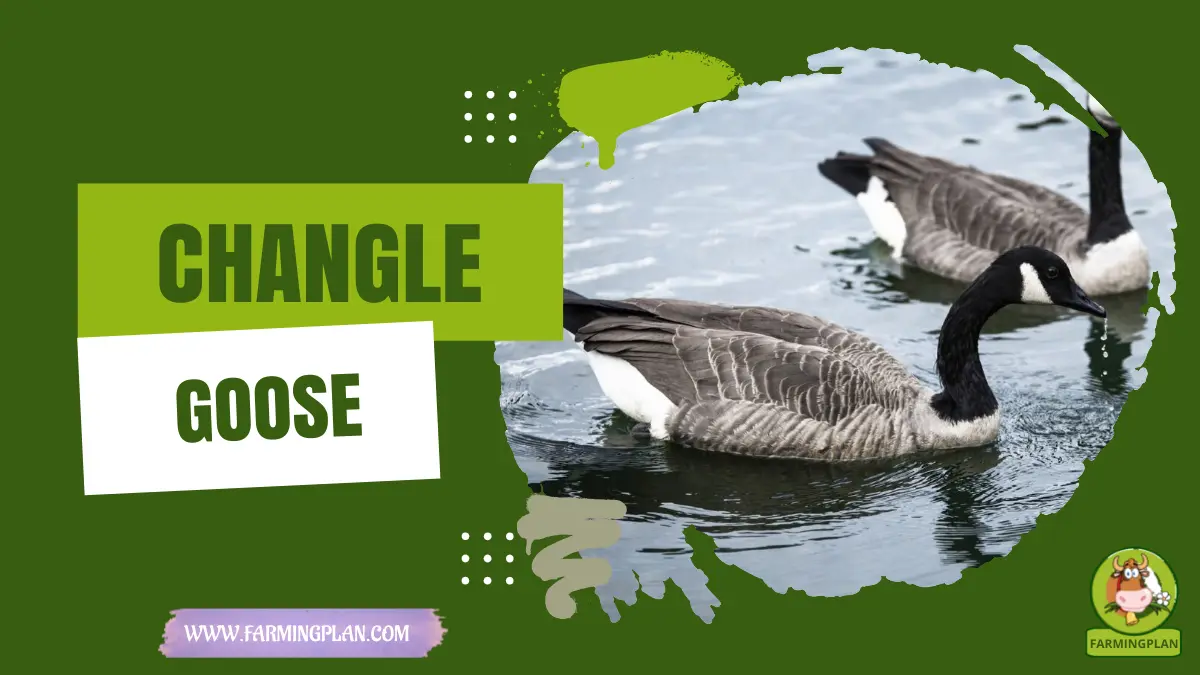
Morphologically, the Changle Goose displays the elegant, upright posture characteristic of Anser cygnoides derivatives. The head is relatively large and topped by a prominent rounded basal knob at the forehead junction, which is particularly pronounced in mature ganders. A distinctive dark brown or charcoal stripe extends from the base of the bill, over the crown, and down the entire back of the long, arched neck. The bill is strong, straight, and typically dark horn or black with orange margins, equipped with sharp lamellae designed for clipping tough fibrous plants.
The body is compact, well-rounded, and carried at a proud 45-degree angle. Adult ganders weigh between 4.5 and 5.5 kg, while mature geese scale from 3.8 to 4.8 kg. The plumage across the back, wings, and flanks is a subtle brownish-grey, with each feather edged in a fine silvery margin that creates a scaled visual effect. The breast is a lighter fawn-grey, fading into pure chalk-white along the abdomen and under the tail. The legs and sturdy webbed feet are bright orange, supporting swift, nimble overland movement across uneven terrain.
Behavior, Flock Dynamics, and Biological Weeding
Changle geese are gregarious, highly active, and exceptionally vigilant birds. In pasture settings, they move as a tightly organized flock, grazing in synchronization while sentinel ganders scan the perimeter for threats. Their loud, trumpet-like honks provide an instantaneous warning system that discourages predatory foxes, coyotes, and stray dogs. While bold and assertive when guarding their nests, they quickly become docile around regular handlers who guide them with predictable daily routines. Consistent daily observation helps keepers spot early changes in Changle Goose health and behavior.
Their selective foraging preference for grasses and tender broadleaf plants makes them legendary biological weeders. Agricultural enterprises utilize Changle geese in organic citrus orchards, berry plantations, and tea groves. The birds strip out competing weeds without gnawing bark or disturbing tree roots, eliminating the need for synthetic chemical herbicides or mechanical weed trimmers. Check our related waterfowl management strategies in the Celle Goose husbandry handbook and our Challans Duck breed guide.
Housing Design and Water Infrastructure Requirements
While exceptionally hardy in hot, humid subtropical and temperate environments, Changle geese require well-planned infrastructure to protect them from extreme weather and nocturnal predators. Shelter facilities should provide at least 0.7 to 0.9 square meters (7 to 9 sq ft) of floor area per adult goose. Open-sided pole sheds with dirt or gravel floors bedded deeply with dry rice hulls, barley straw, or wood shavings offer ideal ventilation while keeping feet clean and dry.
Access to swimming water significantly enhances breeding efficiency, although it is not strictly necessary for commercial meat grow-out. Mating fertility rates increase substantially when breeding flocks have access to a clean farm pond, canal, or shallow concrete wading pool. At minimum, pastured birds require heavy-duty water troughs deep enough to immerse their heads completely, allowing them to rinse nostrils and clean eyes daily to prevent bacterial sinus infections. Clean housing, fresh water, and balanced nutrition remain essential for Changle Goose productivity.
Nutritional Strategies and Pasture Feeding Programs
The digestive anatomy of the Changle Goose features an enlarged gizzard and highly developed cecum, allowing it to digest dietary fiber with greater efficiency than other domestic poultry species. On lush, managed pasture, adult birds can satisfy 70% to 80% of their daily maintenance requirements purely through grazing. Premier pastures include perennial ryegrass, white clover, bermudagrass, dandelion, and tender orchard grass kept at a leafy vegetative height of 6 to 10 cm.
Strategic feeding recommendations across production stages: – Gosling Starter (Weeks 0 to 4): Non-medicated 20% protein waterfowl crumble fortified with niacin (minimum 65 mg/kg) to support rapid skeletal and leg tendon development. – Grower/Forager Phase (Weeks 5 to 10): 15% protein grower ration combined with unrestricted pasture grazing. – Breeder Ration (Pre-laying & Laying): 17% crude protein breeder pellet with 3.2% calcium, offered alongside free-choice oyster shell to sustain continuous eggshell formation. – Finishing Rations (Final 2 Weeks): Cracked corn, whole oats, and steamed sweet potatoes to impart sweetness and texture to the carcass meat.
Reproduction, Fecundity, and Gosling Brooding
The Changle Goose is celebrated for its extraordinary reproductive fecundity. Unlike European geese that lay only 30 to 50 eggs during a short spring window, healthy Changle geese lay between 80 and 120 large white eggs per year, often producing 3 to 4 distinct laying clutches between autumn and early summer. Eggs average 130 to 150 grams, featuring smooth, thick shells and rich yolks. A breeding ratio of one active gander to four or five geese maintains fertility rates above 85%. Tracking feed intake and body condition supports long-term Changle Goose performance.
While some geese will go broody and incubate their own clutches, commercial farms employ artificial incubation to maximize chick output. Incubate eggs at 37.5°C (99.5°F) with 50% relative humidity, turning eggs 180 degrees at least three times daily. Starting on day 10, mist eggs daily with lukewarm water and cool them for 15 minutes to simulate natural waterfowl behavior. Eggs hatch on day 30 or 31. Goslings are vigorous, active, and begin eating green forage within 36 hours of drying off in the brooder.
Meat Quality, Carcass Yield, and Culinary Utilization
The culinary value of the Changle Goose is highly regarded throughout Asian gastronomy and international gourmet markets. The carcass features an outstanding balance of lean, dark red breast meat with a moderate, sweet fat layer that does not produce excessive oily grease during roasting. In traditional Chinese cuisine, whole geese are marinated with five-spice blend, maltose syrup, and rice wine, then hung and roasted in brick ovens to create world-famous Cantonese roast goose with crisp lacquered skin.
Pastured market goslings reach an optimal slaughter weight of 3.8 to 4.5 kg at 10 to 12 weeks of age, yielding an oven-ready dressed carcass of 2.8 to 3.4 kg. High dressing percentages (72% to 75%) and tender muscle fiber make Changle geese exceptionally profitable for direct-market meat producers. Farm-gate prices for pasture-raised heritage geese reach $50 to $75 per bird, creating strong profit margins for small-scale growers. Compare meat characteristics with our Chara Chemballi duck overview. Following biosecurity best practices reduces disease risk in any Changle Goose operation.
Flock Health Management and Preventative Biosecurity
The Changle Goose possesses remarkable natural immunity and thrives in damp conditions that challenge other poultry. Nonetheless, maintaining high production standards requires strict biosecurity and systematic health management:
Key preventative health protocols: – Vaccinate against Goose Parvovirus (Derzsy’s disease), which poses significant mortality risks to goslings under 4 weeks of age. – Administer Pasteurella multocida (Fowl Cholera) vaccines in high-density flock operations or regions with endemic bacterial challenges. – Implement strict predator exclusion fencing using 1.2-meter galvanized woven wire reinforced with predator aprons buried 30 cm into the soil to prevent burrowing dogs and foxes. – Provide free-choice insoluble granite grit to support muscular gizzard digestion of coarse fibrous pasture grasses. Learn more in our Collo Nudo Italiano chicken guide.
Interactive Goose Enterprise Calculator
Use the interactive tool below to estimate feed requirements, egg yields, and projected gross revenue for your Changle Goose operation:. If you are balancing utility output and herd resilience, take a look at our Bogdanovski Goose reference guide. Seasonal adjustments to shelter and diet keep Changle Goose thriving year-round.
🦆 Changle Goose Flock Feed & Water Intake Calculator
Estimate daily balanced feed (lbs), fresh drinking/rinsing water requirements (Gal), indoor shelter, and monthly 50-lb feed bags for your Changle Goose flock.
Utilizing this calculator allows homesteaders and commercial poultry operators to model flock expansion scenarios, pasture acreage requirements, and net operating margins accurately.
Enterprise Financials and Pastured Enterprise Viability
Because Changle geese produce double the egg output of European breeds and convert low-cost pasture into prime poultry meat, the economic model is exceptionally compelling. Smallholders can harvest both table eggs and market meat while offering biological weeding services to regional orchards and vineyards.
Sample budget for a 25-bird breeding flock (5 ganders, 20 geese): – Annual egg harvest: Approximately 1,800 to 2,200 large eggs. – Goslings hatched: Roughly 1,200 to 1,400 goslings at 65% total hatch rate. – Day-old gosling sales: 500 goslings sold as breeding stock at $18 each ($9,000). – Market meat roasters: 700 pasture-finished roasting geese sold at $55 each ($38,500). – Biological weeding service contracts: $1,500 across two local orchard properties. – Total operating feed, bedding, and processing expenses: $14,000 to $17,000. – Net operating profit: $27,000 to $32,000, demonstrating exceptional revenue density per acre. Proper record-keeping makes breeding and culling decisions easier for Changle Goose keepers.
Strategic Comparison: Changle Goose vs. European Embden Goose
Reviewing this comparative analysis clarifies the distinctive production strengths of the Changle Goose against heavy European meat breeds:
| Production Factor | Changle Goose (Chinese Lineage) | Embden Goose (European Lineage) |
|---|---|---|
| Annual Egg Production | 80 – 120 eggs (high fecundity) | 35 – 50 eggs (seasonal spring layer) |
| Sexual Maturity Age | 6 – 7 months | 9 – 11 months |
| Body Weight at 10 Weeks | 3.5 – 4.2 kg (rapid early gain) | 3.8 – 4.5 kg (heavier mature frame) |
| Foraging & Weeding Drive | Aggressive, agile, highly active | Moderate, slower moving grazer |
| Subtropical Heat Tolerance | Outstanding; thrives in high humidity | Moderate; prone to heat stress |
| Basal Knob Presence | Prominent frontal knob on forehead | Smooth forehead without knob |
| Flock Alertness & Guarding | Extremely alert, vocal sentry | Calm, docile, less vocal |
This comparison shows that while Embdens achieve larger final adult weights, Changle geese outperform them dramatically in annual egg volume, reproductive speed, and heat resilience. For further poultry comparisons, examine our Castellana Negra chicken review.
Pros and Cons of Raising Changle Geese
Weighing the primary advantages and operational considerations of the breed assists farmers in making sound investment choices: Providing adequate space and ventilation prevents common stress issues in Changle Goose.
Key Advantages: – Industry-leading egg production that far surpasses standard European geese. – Outstanding growth velocity, reaching market roasting size in just 10 to 12 weeks. – Excellent biological weeding capability that reduces farm herbicide and fuel expenditures. – High natural disease hardiness and resilience in warm, damp subtropical climates.
Operational Considerations: – High vocal volume can become problematic in close suburban or peri-urban settings. – Ganders can display territorial aggression during active spring breeding cycles. – Active foraging requires strong rotational fencing to keep flocks from wandering. – Breeding stock can be challenging to source in North America and Western Europe.
Frequently Asked Questions: Changle Goose Care
What is the Changle Goose and where does it originate?
The Changle Goose is an indigenous Chinese heritage goose breed native to Changle County in Fujian Province, renowned for exceptional fecundity, rapid early gosling growth, and efficient pasture weed clearing.
What are the defining physical characteristics of the Changle Goose?
It features a compact, medium-sized frame, grey plumage with dark neck striping, a prominent frontal basal knob on an orange-black bill, and a graceful swan-like neck.
How heavy do mature Changle geese get?
Mature ganders weigh 4.5 to 5.5 kg (10 to 12.1 lbs), while adult geese scale between 3.8 and 4.8 kg (8.4 to 10.6 lbs), offering an agile grazing body frame.
How many eggs do Changle geese lay per year?
Changle geese are among the most prolific egg layers in the waterfowl world, laying 80 to 120 large white eggs per year across multiple breeding cycles.
Can Changle geese be used for orchard weeding?
Yes. Due to their active foraging drive and selective grass appetite, they are widely used in tea plantations and orchards to control weeds without damaging tree bark.
Conservation Status, Breed Registries, and Global Outlook
The Changle Goose is officially cataloged as a protected native livestock breed in China, supported by provincial biodiversity programs in Fujian and national waterfowl gene banks. Researchers at the Chinese Academy of Agricultural Sciences (CAAS) have documented the breed’s unique genetic markers associated with prolific ovulation and heat-shock protein expression. Modern international interest in regenerative livestock systems has highlighted the Changle Goose as an ideal animal partner for multi-species rotational grazing. Understanding breed-specific traits helps maximize Changle Goose longevity and output.
Waterfowl breeders who invest in conserving and propagating this exceptional breed help protect global domestic animal biodiversity while establishing an enterprise with superior market returns. For official conservation standards, review resources from the FAO Domestic Animal Diversity System.
Practical Action Steps for Flock Management Success
To maximize profitability with Changle geese, establish a well-timed seasonal breeding and grazing schedule. Integrate your geese into existing pasture rotations behind ruminants to sanitize pastures and consume parasite larvae while grazing coarse weed grasses. Ensure your waterers are refreshed daily, and clean night shelters weekly to maintain dry bedding conditions.
When direct-marketing roast geese, highlight the breed’s pasture-raised heritage, lean meat qualities, and traditional culinary heritage. Cultivate relationships with high-end Asian restaurants and specialty farm markets that value whole, fresh-dressed waterfowl. By combining attentive stockmanship with the outstanding genetic qualities of the Changle Goose, your farm can achieve sustainable, long-term commercial success.
📚Agricultural Reference & Scientific Citations
Standards and physiological data referenced in this guide comply with American Poultry Association (APA), The Livestock Conservancy, and USDA APHIS Avian Biosecurity Standards.


