

⚡ Bond Sheep at a Glance: Key Specifications & Benchmarks
| Scientific Classification | Ovis aries (Dual-Purpose Heavy Wool & Meat Ovine) |
| Breed Origin & Development | New South Wales, Australia (Thomas Bond, 1909; Peppin Merino x Lincoln foundation) |
| Mature Adult Ram Weight | 260 to 330 lbs (118 to 150 kg) |
| Mature Adult Ewe Weight | 175 to 220 lbs (80 to 100 kg) |
| Fleece Micron Range | 26 to 28 microns (Fine Crossbred / Broad Wool with high definition crimp) |
| Annual Fleece Greasy Yield | 16 to 24 lbs (7.5 to 11.0 kg) per head per shearing |
| Staple Length | 5.5 to 7.0 inches (140 to 178 mm) with exceptional tensile strength |
| Average Weaning Rate | 135% to 160% under managed rotational paddock grazing |
| Market Suitability | Heavy export prime lamb carcasses, enterprise commercial wool, self-replacing ewe flocks |
The Bond sheep is one of Australia’s premier dual-purpose grazing animals, engineered specifically to combine massive, high-yielding prime lamb carcasses with exceptional clips of heavy, medium-micron commercial wool. Developed at ‘Lockhart’ in the Riverina district of New South Wales by pastoralist Thomas Bond in 1909, this hardy animal was bred by crossing robust Peppin Merino ewes with imported English Lincoln rams, followed by generations of rigorous commercial selection for open faces, high fleece weight, and rapid lamb growth. Routine preventive care saves time and lowers veterinary costs for Bond Sheep.
Unlike traditional Merinos that demand sheltered environments and intensive management to prevent fleece rot and flystrike, the Bond was established to thrive across unpredictable pastoral regions, variable seasonal rains, and intense heat. In our dedicated homestead sheep farming resources, commercial graziers and smallholders value the Bond breed for its self-replacing ewe flock genetics, tranquil paddock temperament, and outstanding economic resilience across livestock markets.
Origins, Breeding History & Dual-Purpose Genetics
During the opening decade of the twentieth century, Australian wool producers faced changing economic realities. While ultra-fine Merino wool achieved prestige pricing during peak market cycles, pastoralists required sturdier frame sizes and faster lamb finishing weights to supply domestic and export mutton trades. Thomas Bond envisioned a balanced dual-purpose ovine that eliminated the narrow chests, excessive skin wrinkles, and wool-blind faces typical of nineteenth-century Merino lines.
By crossing selected stud Lincoln sires known for heavy luster fleeces and broad skeletal structures with pure Peppin Merino ewes renowned for foraging stamina, Bond produced an adaptable, stable true-breeding type. The Australian Bond Sheep Breeders Association was formally registered in 1984, establishing exacting flock book standards that require plain bodies, open faces, and minimum clean wool cutting weights. Today, the Bond remains a dominant choice across southern Australia, South America, and global mixed-farming zones.
Breed Conformation & Physical Characteristics
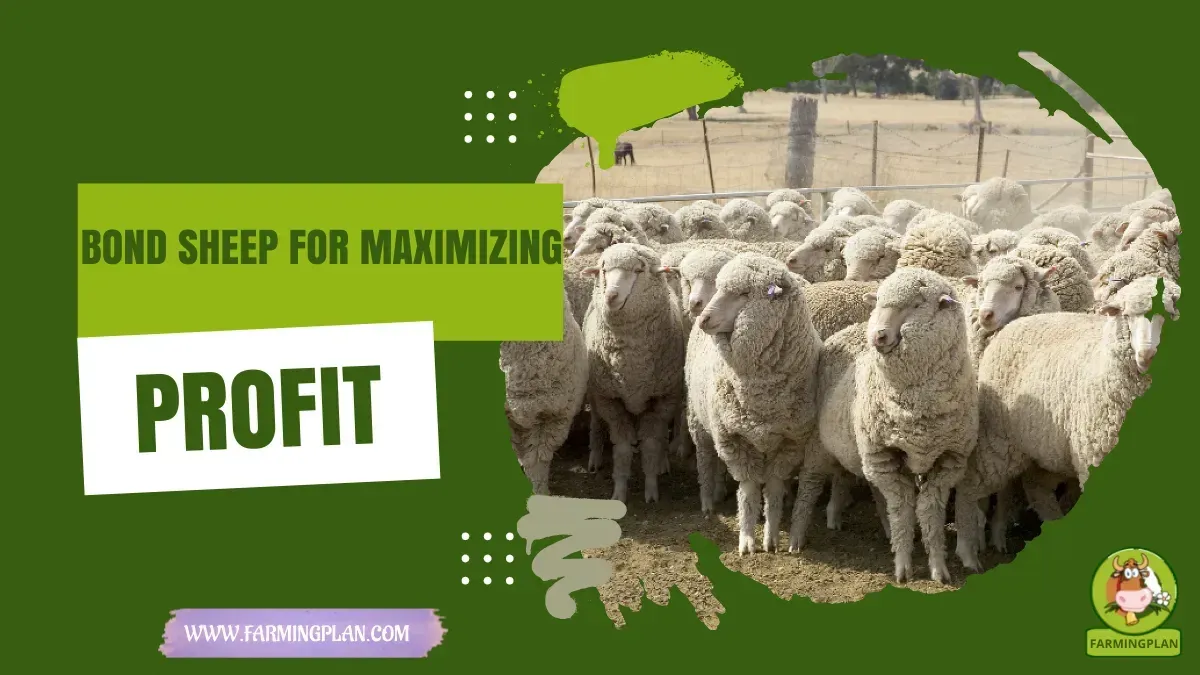
The physical structure of the Bond sheep immediately conveys power, skeletal length, and high carrying capacity. Mature rams are massive, frequently exceeding 300 pounds (136 kilograms), with broad loins, deep spring of ribs, and muscular hindquarters that fill out terminal butcher cuts. Ewes present feminine balance with spacious pelvic conformations, capacious udders, and strong standing legs capable of traversing vast pasture runs without developing conformational lameness. Matching forage or ration quality to life stage optimizes Bond Sheep growth.
A signature trait of the Bond is its clean, open white face. Free from blinding facial wool, both rams and ewes maintain unobstructed 360-degree vision, enabling aggressive grazing and swift predator detection. The head is poll (naturally hornless), with wide pink muzzles, soft white ear hair, and clean, wrinkle-free necks. The skin is pale pink, supple, and devoid of heavy skin folds, drastically lowering vulnerability to cutaneous blowfly strike.
Wool Profile & Fleece Quality Metrics
Fleece cut per head is where the Bond sheep outclasses most dual-purpose rivals. A single mature Bond wether or ewe routinely shears between 16 and 24 pounds (7.5 to 11.0 kilograms) of high-yielding greasy wool annually. The fleece falls squarely into the 26 to 28-micron range, exhibiting bold, well-defined crimp, brilliant white color, and soft handle that appeals strongly to commercial textile mills and handspinners alike.
Staple length is impressive, averaging 5.5 to 7.0 inches (140 to 178 mm) on a standard 12-month shearing cycle. Because the fleece contains a moderate, balanced wax-to-suint ratio, it repels rainfall effectively, preventing fleece rot and water stains during wet autumns. Handspinners and craft processors prize Bond wool for creating durable knitwear, woven rugs, and outer apparel that withstand heavy daily wear without pilling or shedding fibers.
Meat Production & Carcass Yield Performance
While the fleece generates substantial annual cash flow, the meat output of the Bond sheep is equally impressive. Lambs drop with vigorous nursing drives, suckling within minutes of birth and gaining 0.65 to 0.85 pounds (295 to 385 grams) per day on high-quality clover-ryegrass pasture and mothers’ milk. Because ewes provide copious lactation, single lambs and twins grow at near-identical paces when rotational grazing is maintained. Gradual dietary transitions protect digestive stability in Bond Sheep.
When finished for the prime lamb market at 16 to 22 weeks of age, Bond lambs post live weights of 95 to 115 pounds (43 to 52 kilograms), delivering dressed carcass yields of 48% to 51%. The meat features fine grain texture, delicate marbling, and mild flavor without the tallowy odor associated with older mutton breeds. For homesteaders wanting to stock a walk-in freezer or sell hanging sides to local consumers, Bond carcasses offer exceptional yield across prime retail cuts.
Pasture Management & Nutritional Requirements
Maximizing the genetic potential of the Bond requires strategic forage allocation. As large-frame herbivores, adult ewes require approximately 3.0% to 3.5% of their body weight daily in dry matter forage during late gestation and lactation. Establishing mixed pasture stands composed of perennial ryegrass, orchardgrass, white clover, and deep-rooting chicory ensures consistent protein levels of 14% to 16% and total digestible nutrients (TDN) above 65%.
During summer dry spells or harsh winter freezes, supplement pasture with high-protein alfalfa or grass-legume hay. Always provide free-choice loose ovine trace mineral mixes fortified with selenium, zinc, and vitamins A, D, and E. Ensure loose minerals strictly contain zero added copper, as sheep accumulate copper in the liver and suffer toxicity under bovine mineral rations. Review our comprehensive seasonal sheep nutrition and feed guide for precise winter bunk feeding ratios.
Housing, Fencing & Paddock Infrastructure
Bond sheep are naturally hardy outdoor foragers that do not require heated barns. In temperate or wet climates, a simple three-sided run-in shed positioned with its closed back toward prevailing winter winds provides sufficient shelter from heavy snow and driving rain. Provide 18 to 22 square feet (1.7 to 2.0 square meters) of indoor dry bedded loafing area per mature ewe, bedded with dry wheat straw or untreated wood shavings. Selecting healthy foundation stock is the cornerstone of successful Bond Sheep management.
Fencing must be robust to contain these heavy-bodied animals and exclude coyotes, feral dogs, and foxes. Install 48-inch high woven wire field fence (graduated spacing) supported by treated wood corner posts, supplemented with an offset electrified high-tensile wire at knee height and along the top rail. Multi-strand electric high-tensile fencing (6 to 7 wires) also works well for rotational paddock division. Ensure fresh, clean water is accessible year-round through frost-free automatic waterers delivering 2 to 4 gallons per head daily.
Flock Economics & Operational Enterprise Budget
Operating a commercial flock of Bond sheep delivers dual revenue streams that balance market fluctuations between wool and red meat. While wool prices fluctuate based on international textile demands, the massive 18-to-22-pound greasy fleece cut ensures substantial revenue per head. Simultaneously, high weaning percentages (140% to 155%) yield heavy prime lambs that sell at premium market prices during spring and early summer auctions.
🐑 Bond Sheep Flock Forage & Pasture Calculator
Calculate winter hay bales, daily pasture forage intake, minerals, and water needs for your Bond Sheep flock.
On a 50-ewe commercial flock, annual variable operational expenses—including pasture renovation, seasonal hay, trace minerals, shearing services, veterinary vaccines, and parasite drenches—average $75 to $110 per ewe. Lamb sales from 75 marketed lambs averaging $180 per head ($13,500 total) combined with 1,000 pounds of raw wool sales ($2,000 to $3,200) generate gross receipts of $15,500 to $16,700, yielding healthy net operating margins per grazing acre.
Breeding Management, Gestation & Lambing Protocol
Bond sheep reach sexual maturity early, with well-grown ewe lambs reaching breeding condition at 7 to 9 months of age if they achieve 65% of mature body weight (approximately 115 lbs / 52 kg). However, many flock masters wait until 18 months for initial mating to support lifelong pelvic size and frame development. The estrous cycle lasts 17 days, and rams remain virile and aggressive breeders, servicing 35 to 50 ewes during a compact 35-day breeding season. Good predator-proofing and dry bedding safeguard Bond Sheep comfort in harsh weather.
Gestation averages 148 days. Because Bond ewes have wide pelvic frames, dystocia is rare, and ewes deliver robust single, twin, and occasional triplet lambs unassisted. Prepare clean, draft-free 5×5-foot jug pens bedded with fresh straw for mothering pairs during the first 48 hours. Dip newborn umbilical cords in 7% strong tincture of iodine immediately post-delivery, and verify that lambs receive at least 10% of their body weight in rich maternal colostrum within the first 6 hours of life.
Flock Health, Parasite Defense & Biosecurity Protocols
Maintaining high vitality in Bond sheep relies on proactive biosecurity and integrated parasite management. The Barber’s pole worm (Haemonchus contortus) presents the primary gastrointestinal threat on lush spring pastures. Rather than blanket flock drenching which accelerates anthelmintic resistance, utilize the USDA APHIS National Scrapie & Ovine Health Program guidelines and monthly FAMACHA eye-mucosa scoring to treat only clinically anemic individuals.
Administer annual Clostridium perfringens Types C & D plus Tetanus (CDT) toxoid boosters to pregnant ewes 4 to 6 weeks prior to lambing, passing passive immunity to offspring via colostrum. Practice regular foot trimming twice yearly to prevent contagious footrot (Dichelobacter nodosus), and pass sheep through a 10% zinc sulfate footbath during damp seasons. Quarantine all newly acquired rams or ewes in an isolation paddock for 30 days before integration.
Annual Shearing & Wool Harvesting Procedures
Annual shearing is essential for wool harvesting and flock welfare. In most farming zones, shearing is performed in early spring prior to lambing. Pre-lambing shearing eliminates wool tags around the udder, encouraging newborn lambs to find teats quickly while motivating shorn ewes to seek sheltered barn areas during sudden cold snaps, keeping newborns out of muddy pasture swales. Monitoring water quality and mineral balance directly benefits Bond Sheep vitality.
Withhold feed and water for 12 hours prior to shearing to reduce rumen fill and minimize physical stress on the animals. Handle fleeces on a slatted skirting table, removing soiled belly wool, tags, and vegetable matter. Roll the clean fleece flesh-side out and pack into breathable jute or polypropylene wool packs, storing wool bales in a dry, rodent-proof shed to preserve natural grease elasticity until mill dispatch.
Predator Deterrence & Paddock Guardian Animals
Because Bond sheep are docile and graze across open perimeter paddocks, predator mitigation is mandatory. Coyotes, mountain lions, and packs of domestic dogs represent constant threats to vulnerable nursing lambs. Deploying experienced livestock guardian dogs (LGDs) such as Great Pyrenees, Anatolian Shepherds, or Maremma sheepdogs provides round-the-clock defense against opportunistic predators.
Alternatively, guard donkeys or llamas integrate effectively with Bond flocks, utilizing their instinctive territorial aggression toward canines. Pairing guardian animals with perimeter night pens and motion-activated predator lights reduces lamb losses to under 1% annually, preserving operational profitability and peace of mind across extensive pasture acres.
Comparison: Bond vs. Corriedale & Merino
Understanding where the Bond sheep sits relative to other popular dual-purpose and fine-wool breeds helps producers select the ideal genetic profile for their holding. The traditional Australian Merino produces finer fleece (18 to 21 microns) but possesses a smaller skeletal frame, slower lamb finishing times, and higher susceptibility to fleece rot and flystrike in higher rainfall districts. Practical hands-on husbandry ensures consistent results when raising Bond Sheep.
Compared to the Corriedale—another prominent Lincoln-Merino crossbred—the Bond boasts a heavier mature body size, longer fleece staple, and greater cut per head under medium rainfall conditions. While hair sheep breeds like the Dorper sheep eliminate shearing altogether, they yield zero wool revenue. The Bond remains the ultimate choice for graziers demanding maximum wool cut alongside heavy prime lambs.
Pros & Cons of Raising Bond Sheep
Every livestock breed exhibits operational strengths and production challenges that must be weighed against property resources and managerial goals:
- Substantial Dual Revenue: High fleece weights (16 to 24 lbs) and rapid lamb growth provide two major income checks annually.
- Open Face & Clean Neck: Free of wool blindness and excessive skin wrinkles, drastically reducing flystrike risks and daily maintenance.
- Docile Temperament: Calm flock manners allow straightforward handling through races, sorting gates, and shearing sheds.
- Heavy Forage Intake: Large mature frames (260+ lb rams, 200+ lb ewes) require substantial pasture tonnage and high-protein winter forage.
- Mid-Micron Market Exposure: Fleeces of 26 to 28 microns serve knitwear and commercial upholstery markets rather than luxury next-to-skin ultrafine apparel.
Frequently Asked Questions About Bond Sheep
What is a Bond sheep breed?
The Bond sheep is an Australian dual-purpose breed developed in 1909 by Thomas Bond in New South Wales by crossing Lincoln rams with Peppin Merino ewes, selected for massive body frames, open faces, and heavy fleeces.
How much wool does a Bond sheep produce per year?
A mature Bond sheep produces between 16 and 24 pounds (7.5 to 11.0 kg) of high-yielding greasy wool annually, with a 26 to 28 micron count and a long staple length of 5.5 to 7.0 inches.
Are Bond sheep good for prime lamb meat production?
Yes. Bond lambs grow rapidly at 0.65 to 0.85 pounds per day on pasture and reach ideal market finish weights of 95 to 115 pounds at 16 to 22 weeks with dressing yields near 50 percent.
Do Bond sheep suffer from wool blindness?
No. The breed was deliberately selected for open, wool-free faces and clean poll heads, ensuring unobstructed 360-degree vision and avoiding the blindness common in traditional wrinkly Merinos.
Expert Verdict & Next Steps
The Bond sheep stands out as one of the most profitable, practical dual-purpose ovine breeds ever developed for commercial pastures. By delivering high-yielding, open-faced prime lambs alongside heavy clips of commercial medium wool, the breed protects pastoral producers against single-commodity downturns while minimizing labor-intensive shearing and blowfly maintenance.
Begin your flock by sourcing performance-tested stock registered with the Australian Bond Sheep Breeders Association or accredited national registry branches. For complementary flock options across meat and fiber production, inspect our detailed breed profiles on Katahdin hair sheep and Merino wool sheep.
📚Agricultural Reference & Scientific Citations
Standards and physiological data referenced in this guide comply with USDA APHIS Small Ruminant Health, The Livestock Conservancy, and the American Veterinary Medical Association (AVMA).


