

⚡ Blanc de Popielno Rabbit at a Glance: Key Specifications & Benchmarks
| Scientific Classification | Oryctolagus cuniculus |
| Breed Category / Type | Commercial Meat & Fur Cuniculture Breed |
| Mature Male Weight | 8.8 to 11.0 lbs (4.0 to 5.0 kg) |
| Mature Female Weight | 9.2 to 11.5 lbs (4.2 to 5.2 kg) |
| Carcass Dressing | 58% to 62% dressing yield with fine-grained lean white meat |
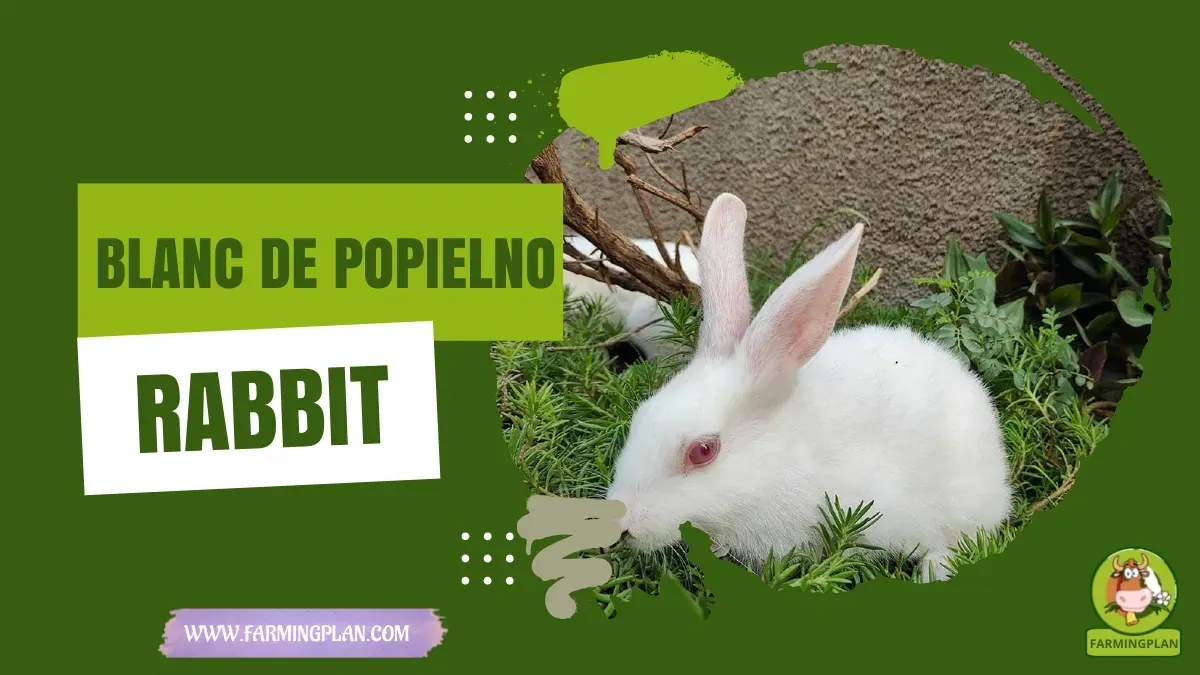
| Fur Structure | Pure snowy-white albino fur with dense, silky underdown and glowing pink eyes |
| Litter Productivity | 7 to 9 kits per litter with abundant doe milk and fast growth |
| Temperament & Handling | Gentle, calm, docile, tractable, and easy to handle in colonies or hutches |
The Blanc de Popielno Rabbit occupies an important niche in modern cuniculture, valued by commercial meat producers and homesteaders for combining fast kit development with exceptional fur quality and calm disposition. Developed through scientific breeding selection, this versatile breed delivers high feed conversion efficiency in standard hutch and barn setups. Understanding breed-specific traits helps maximize Blanc de Popielno Rabbit longevity and output.
Whether establishing an efficient commercial rabbitry through our rabbit farming and commercial cuniculture guide or raising healthy meat rabbits for homestead self-sufficiency, understanding their production benchmarks is essential. Breeders respect their maternal fecundity, quiet temperament, and rapid kit growth rates.
Unlike delicate fancy rabbit varieties, the Blanc de Popielno Rabbit possesses a robust physical constitution that adapts readily to well-ventilated farm shelters. Supplying balanced fiber nutrition, clean resting surfaces, and preventative biosecurity ensures dependable litter sizes and healthy rabbitry performance.
Physical Characteristics & Breed Standards
The physical conformation of the Blanc de Popielno Rabbit reflects careful breeding for commercial meat production, exhibiting a compact, well-rounded commercial body type with deep loins and full, plump hindquarters. Mature bucks average 8.8 to 11.0 lbs (4.0 to 5.0 kg), while senior does achieve 9.2 to 11.5 lbs (4.2 to 5.2 kg). Routine preventive care saves time and lowers veterinary costs for Blanc de Popielno Rabbit.
Structural Conformation & Skeletal Frame
Their bone structure is moderate and strong, avoiding heavy waste bone while providing a sturdy foundation for heavy muscle development. Dense, supple fur covers the entire body, providing natural insulation and skin protection against drafts.
Evaluating cuniculture conformation requires assessing loin fullness, flank depth, ear carriage, and fur condition. Healthy individuals exhibit smooth, clean fur that snaps back immediately when stroked from tail to head.
Breed Evaluation & Functional Standards
Breed standards heavily penalize slab-sided frames, narrow hips, thin bone, malocclusions (wolf teeth), or poor fur density. Eliminating structural flaws guarantees consistent meat-to-bone ratios, rapid fryer growth, and high commercial profitability. Matching forage or ration quality to life stage optimizes Blanc de Popielno Rabbit growth.
⚡ Blanc de Popielno Rabbit Production & Meat Matrix
| Production Metric | Standard Benchmark | Commercial Cuniculture Advantage |
|---|---|---|
| Adult Senior Buck Weight | 8.8 to 11.0 lbs (4.0 to 5.0 kg) | Heavy muscular shoulders and strong bone substance |
| Adult Senior Doe Weight | 9.2 to 11.5 lbs (4.2 to 5.2 kg) | Spacious pelvic girdle and abundant lactation capacity |
| Carcass Dressing Yield | 58% to 62% dressing yield | High proportion of tender loin and hindquarter meat |
| Litter Size & Fecundity | 7 to 10 kits per litter | Frequent commercial kindle cycles with high weaning rates |
| Feed Conversion Ratio | 3.0:1 on quality pellets | Rapid kit growth to 5.5 lb market weight in 10-12 weeks |
Breed History, Heritage & North American Development
Developed in 1950 at the Polish Academy of Sciences Research Station in Popielno by crossing local albino stock with New Zealand White and Flemish Giant breeds to create a productive meat rabbit.
Throughout the 19th and 20th centuries, dedicated agricultural stewards recognized the Blanc de Popielno Rabbit for its dependable commercial utility and exceptional resilience. As commercial confinement systems increasingly prioritized high-input specialized lines, heritage caretakers preserved these balanced genetics on diversified farms. For additional husbandry benchmarks and feeding standards, explore our complete Zika Rabbit care guide.
Today, registered breeders, smallholders, and homestead associations champion the Blanc de Popielno Rabbit as an ideal choice for sustainable small-scale farming and regenerative pasture systems. Their adaptability to diversified management makes them a valuable agricultural asset. Gradual dietary transitions protect digestive stability in Blanc de Popielno Rabbit.
Regional agricultural societies and breed clubs continue to document performance benchmarks for the Blanc de Popielno Rabbit, recording fertility percentages, daily gains, and feed conversion efficiency. These empirical records confirm that traditional heritage traits remain directly competitive in modern rural economies.
Housing, Shelter Dimensions & Winter Hardiness
Housing design for the Blanc de Popielno Rabbit requires well-ventilated, dry shelter providing ample space for resting, stretching, and kit rearing. Individual breeding cages should measure at least 30×36 inches with 18 inches of vertical height to allow comfortable movement.
Flooring should consist of heavy 14-gauge galvanized wire mesh (1/2 x 1 inch spacing) fitted with smooth plastic resting pads to prevent ulcerative pododermatitis (sore hocks). Manure drop pans beneath cages should be cleaned twice weekly to prevent ammonia fumes. Selecting healthy foundation stock is the cornerstone of successful Blanc de Popielno Rabbit management.
Fencing Standards & Spatial Density
Rabbits tolerate winter temperatures below 20°F (-7°C) exceptionally well if sheltered from wet drafts and driving rain. Provide deep straw bedding inside wooden nest boxes during winter breeding and ensure water bottles never remain frozen.
Summer heat exceeding 85°F (29°C) is dangerous for domestic rabbits; high ambient heat causes fatal heatstroke and buck infertility. Utilize circulating barn fans, misting cooling systems, and frozen water bottles in cages during hot heatwaves.
Seasonal Mud & Winter Run Protocols
Maintain strict rodent and fly control around the rabbitry by eliminating spilled feed and treating droppings with agricultural lime. Clean, fresh air circulation that keeps ammonia below 10 ppm protects sensitive rabbit respiratory membranes. Good predator-proofing and dry bedding safeguard Blanc de Popielno Rabbit comfort in harsh weather.
Nutritional Requirements, Daily Rations & Feeding Protocols
Optimizing cuniculture nutrition centers on high digestible fiber, controlled protein levels, and consistent feeding schedules. Structure daily rations using our detailed Breitovo heritage swine forage nutrition manual to prevent fatal enteritis and maintain gut motility.
Commercial rabbit pellets should supply 16 to 18 percent crude protein, 18 to 22 percent crude fiber, and minimal fat (2 to 3 percent). Alfalfa-based pellets support growing fryers and nursing does, while timothy pellets suit mature resting adults.
Crude Protein & Dry Matter Formulations
Unlimited, fresh long-stem grass hay (timothy, orchard grass, or meadow hay) is mandatory for every rabbit. Ingesting coarse fiber grinds down continuously growing teeth and prevents hairball formation and gastrointestinal stasis. Monitoring water quality and mineral balance directly benefits Blanc de Popielno Rabbit vitality.
Supply fresh water continuously using gravity-fed ball-point water bottles or automatic nipple lines. Inspect water tubes daily during freezing weather, replacing frozen spouts promptly to ensure uninterrupted hydration.
Trace Minerals & Hydration Parameters
Avoid excessive high-sugar fruit or starchy vegetable treats that disrupt delicate cecal microflora, causing explosive bacterial dysbiosis. Small portions of dark leafy greens like dandelion greens or romaine lettuce provide safe micronutrients.
Health Management, Common Diseases & Biosecurity Standards
Proactive herd wellness protocols significantly reduce mortality and veterinary expenditures. Establish strict quarantine protocols that isolate newly arriving livestock in dedicated pens for at least 30 days before integration into existing pasture groups. Practical hands-on husbandry ensures consistent results when raising Blanc de Popielno Rabbit.
Routine veterinary monitoring should follow established national guidelines, such as the American Rabbit Breeders Association Health Standards. Maintaining standardized vaccination records, implementing strategic anthelmintic rotations based on fecal egg counts, and testing water quality prevent chronic parasitic infestation.
Parasite Surveillance & Anthelmintic Management
Biosecurity protocols must restrict farm visitor access, disinfect footwear at barn thresholds, and isolate sick stock immediately upon early clinical symptoms like lethargy or nasal discharge. Prompt veterinary diagnosis and targeted intervention prevent isolated conditions from escalating into herd-wide health challenges.
Internal parasites represent the most persistent subclinical production drain in pasture-based livestock. Utilizing targeted selective treatment (FAMACHA scoring or body condition indexing) ensures dewormers are applied only to animals harboring high parasite burdens, preserving anthelmintic drug efficacy. Early intervention at the first sign of lethargy protects overall Blanc de Popielno Rabbit flock or herd health.
Quarantine Protocols & Infectious Disease Biosecurity
Rotational grazing acts as an effective non-chemical parasite barrier. Moving animals to fresh pasture paddocks before grass is grazed below 4 inches prevents stock from ingesting infective L3 larvae concentrated near soil level.
Breeding Management, Incubation & Offspring Care
Structured breeding programs preserve the rapid growth, fur quality, and maternal fecundity of the Blanc de Popielno Rabbit. Evaluate complementary commercial bloodlines with our British Landrace commercial swine breeding guide to optimize rabbitry kindle cycles.
Does reach breeding readiness at 5 to 6 months of age (or upon reaching 80% of mature adult weight). Always bring the doe to the buck’s cage for mating to prevent territorial fighting, confirming mating through a distinct buck fall-off. Structured culling and biosecurity protocols strengthen Blanc de Popielno Rabbit genetic quality.
Mating Protocols & Conception Benchmarks
Gestation ranges from 30 to 32 days. Provide a clean, disinfected wooden or metal nest box lined with cardboard and fresh straw on day 28; the doe will pull generous amounts of belly fur to line a warm nest for her kits.
Kindling typically occurs overnight. Inspect the nest box quietly within 12 hours to remove stillborns and ensure all kits have round, milk-filled bellies. Does nurse their kits once or twice daily, typically during quiet evening hours.
Neonatal Care & Weaning Milestones
Kits open their eyes at 10 to 12 days and begin nibbling fine alfalfa hay and starter pellets by 3 weeks of age. Wean kits at 6 to 8 weeks, separating them by sex into spacious grow-out cages. Maintaining clean feeders and sanitized equipment supports sustainable Blanc de Popielno Rabbit care.
US Ownership Budget & Annual Maintenance Costs
Developing an accurate commercial budget is necessary before launching or expanding a Blanc de Popielno Rabbit rabbitry. While initial investment covers galvanized cages, automatic watering lines, and breeding stock, recurring expenses center on balanced pellets, hay, and sanitation supplies.
Itemizing annual costs in clear budget categories prevents unexpected shortfalls while ensuring does and grow-out fryers receive consistent nutrition. Bulk purchasing commercial feed and maintaining excellent preventative care keeps costs low.
⚡ Estimated Annual Budget & Maintenance Costs (USD)
| Expense Category | Estimated Range (Per Doe/Year/USD) | Operational Management Notes |
|---|---|---|
| Commercial Pelleted Rations | $40 – $75 | Complete 16% to 18% crude protein cuniculture pellets |
| Long-Stem Timothy & Legume Hay | $20 – $40 | Fresh hay bales for continuous digestive health and dental wear |
| Sanitation & Disinfectant Supplies | $15 – $30 | Agricultural lime, cage sanitizers, and waste tray supplies |
| Veterinary Care & Preventatives | $10 – $25 | Coccidiostats, ear mite drops, and emergency supportive care |
| Equipment & Cage Upkeep | $10 – $20 | Replacement nipple drinkers, feeder troughs, and resting pads |
| Total Annual Operating Cost | $95 – $190 | Average annual maintenance cost per breeding doe and her litters |
Selling commercial fryer meat, raw pet food shares, luxury pelts, and high-nitrogen organic garden fertilizer provides rapid cash turnover across continuous kindle cycles. Consistent daily observation helps keepers spot early changes in Blanc de Popielno Rabbit health and behavior.
🐇 Blanc De Popielno Rabbit Daily Hay & Pellet Calculator
Calculate daily Timothy hay (unlimited bulk), pellet rations, fresh greens, and clean water intake for your Blanc De Popielno Rabbit.
Frequently Asked Questions (FAQ)
What was the purpose of creating the Blanc de Popielno rabbit?
Polish scientists bred the Blanc de Popielno to establish a high-yielding meat and pelt rabbit combining disease resistance, robust bone structure, and high feed conversion efficiency.
How fast do Blanc de Popielno rabbit kits reach slaughter weight?
Kits reach a fryer market weight of 5.5 to 6.0 lbs in 10 to 12 weeks on quality commercial pellets and legume hay, converting feed at an efficient 3:1 ratio.
What hutch dimensions are needed for adult Blanc de Popielno rabbits?
Provide at least 30×36 inches of floor space with 18-inch ceiling clearance per breeding adult, utilizing wire mesh flooring with plastic resting pads to prevent sore hocks.
What daily feed ration does a mature breeding rabbit require?
A resting adult requires 5 to 6 oz of 16% to 18% crude protein alfalfa pellets daily plus unlimited grass hay; lactating does receive free-choice pellets to sustain large litters.
What are the common health risks in commercial rabbitries?
Key health risks include snuffles (Pasteurella multocida), ear mites, and GI stasis; maintaining low ammonia levels, clean drinkers, and high dietary fiber prevents outbreaks.
Expert Verdict & Next Steps
The Blanc de Popielno Rabbit represents a premier agricultural asset that balances production yield, environmental adaptability, and reliable livestock returns. By adhering to structured management protocols and integrating best practices from our British Lop rare pasture pig farming overview, producers establish healthy, profitable farm enterprises.
Careful pasture rotation, balanced dry matter nutrition, and strict preventative biosecurity ensure long-term flock and herd vitality. Investing in quality breeding stock and maintaining clean shelter infrastructure provides reliable agricultural dividends across every season.
Strategic Seasonal Management Checklist
Establish a calendar-based management routine that aligns vaccinations, pasture turnouts, and breeding cycles with regional weather patterns. Regularly updating farm records and auditing feed conversion efficiency protects livestock health and maintains agricultural returns.
📚Agricultural Reference & Scientific Citations
Standards and physiological data referenced in this guide comply with American Rabbit Breeders Association (ARBA), USDA APHIS Animal Health, and the FAO Domestic Animal Diversity Information System.


