

⚡ Creme d’Argent Rabbit at a Glance: Key Specifications & Benchmarks
| Scientific Classification | Oryctolagus cuniculus domesticus (Commercial Meat & Fur Subtype) |
| Breed Origin | Champagne Region, France (Refined across the US during the 1930s) |
| ARBA Body Type Class | Commercial Body Type (Plump, well-rounded, meat-producing frame) |
| Mature Senior Buck Weight | 8.0 to 10.5 lbs (3.6 to 4.8 kg) |
| Mature Senior Doe Weight | 8.5 to 11.0 lbs (3.9 to 5.0 kg) |
| Signature Fur Coloration | Creamy orange fawn undercoat tipped with bright, shimmering silver guard hairs |
| Primary Working Roles | Commercial meat fryers, luxury pelt tanning, ARBA exhibition showing |
| Conservation Watchlist | The Livestock Conservancy (Recovering / Heritage Watchlist) |
The Creme d’Argent rabbit represents one of the most exquisite and economically practical heritage meat-and-fur breeds ever developed. Originating in nineteenth-century France as a rare cream-colored variation of the historic Champagne d’Argent (one of Europe’s oldest domestic rabbit breeds), the Creme d’Argent was brought to North America during the 1920s and 1930s, where American breeders refined it into a premier commercial-type animal. Exploring our complete directory of specialized rabbit farming and breed guides demonstrates how heritage dual-purpose rabbits provide superior meat flavor and luxurious pelts for self-sufficient homesteads. Understanding breed-specific traits helps maximize Creme d'Argent Rabbit longevity and output.
What makes the Creme d’Argent truly remarkable is its mesmerizing coat development. Born solid bright orange with pink skin, young kits undergo a dramatic color metamorphosis as they molt at six to eight weeks of age, gradually developing a shimmering surface wash of silver-tipped guard hairs that sparkle like frost over an orange-fawn underfur. Beyond aesthetic beauty, the Creme d’Argent is a premier meat producer, delivering fast fryer growth rates, plump loins, fine bone structure, and high carcass dressing percentages. Their calm, docile temperament and attentive mothering make them an outstanding foundation breed for smallholders. Routine preventive care saves time and lowers veterinary costs for Creme d'Argent Rabbit.
Maintaining a productive Creme d’Argent rabbitry requires structured wooden hutch construction, strict fiber-first feeding programs, biosecurity protocols against respiratory pasturella, and careful genetic pairing to maintain uniform silvering. This authoritative guide details official ARBA breed standards, nutritional requirements, hutch and run management, breeding genetics, and operational budgeting for the Creme d’Argent rabbit. Matching forage or ration quality to life stage optimizes Creme d'Argent Rabbit growth.
Physical Characteristics & Breed Standards
Conformationally, the Creme d’Argent is evaluated under the American Rabbit Breeders Association (ARBA) Commercial body type standard. The body is medium in length, plump, and smoothly rounded throughout, displaying a full, broad chest, well-developed shoulders, and expansive, deep loins that taper smoothly into full, fleshy hindquarters. When posed naturally, the top line rises in a gradual, graceful curve from the base of the ears to the highest point over the hips before rounding smoothly down to the base of the tail. Gradual dietary transitions protect digestive stability in Creme d'Argent Rabbit.
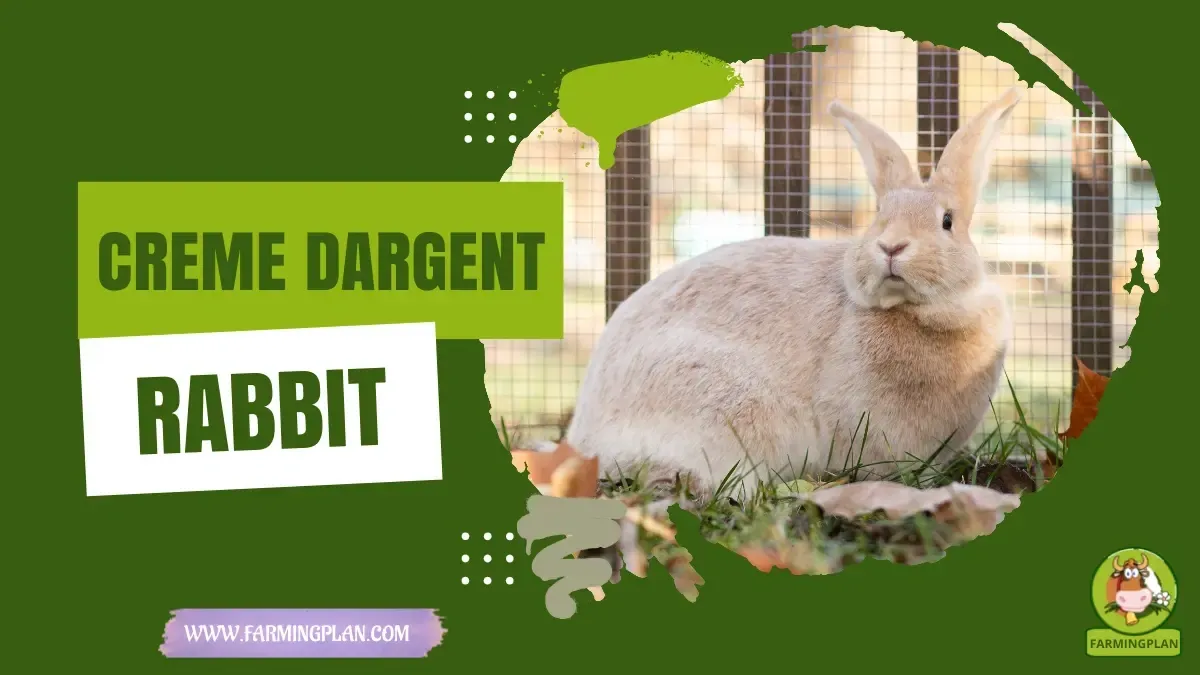
The coat of the Creme d’Argent is a dense, lustrous ‘flyback’ fur measuring approximately 1.0 to 1.25 inches in length. The surface color is a warm, creamy fawn or pastel orange, evenly interspersed with shimmering silver-white guard hairs that create a frost-like sheen across the back, flanks, and chest. The underfur is bright orange, extending deeply to the skin, while the belly is a lighter cream tone. The head, ears, and feet carry slightly darker orange shading with delicate silver ticking.
Conformation Standards & Anatomical Structure
The head is medium-large, well-developed, and set closely into the shoulders, displaying a masculine fullness in mature bucks and a neat, feminine taper in does. Mature does are permitted a small, neatly formed dewlap. The ears are strong, well-furred, and carried erect in a slight V-shape, measuring approximately 4.5 to 5.0 inches in length with rounded tips. Selecting healthy foundation stock is the cornerstone of successful Creme d'Argent Rabbit management.
The eyes are bold, bright, and expressive, showing dark brown irises with pink pupils that reflect light. The limbs are medium-short, straight, and heavily muscled, with clean, well-furred footpads that resist friction sores, terminating in dark horn toenails. Good predator-proofing and dry bedding safeguard Creme d'Argent Rabbit comfort in harsh weather.
Size, Weight Benchmarks & Color Variations
Mature senior bucks weigh between 8.0 and 10.5 lbs (ideal weight 9.0 lbs), while senior does weigh between 8.5 and 11.0 lbs (ideal weight 9.5 lbs). Junior rabbits under six months of age weigh between 4.5 and 8.0 lbs. Monitoring water quality and mineral balance directly benefits Creme d'Argent Rabbit vitality.
This medium-heavy commercial frame provides substantial meat yield, producing plump 4.5 to 5.0-pound fryers at 8 to 10 weeks of age with excellent meat-to-bone ratios. Practical hands-on husbandry ensures consistent results when raising Creme d'Argent Rabbit.
⚡ Creme d’Argent Rabbit Performance & Production Matrix
| Functional Benchmark | Operational Standard | Performance Metric | Practical Field Application |
|---|---|---|---|
| Fryer Dressing Percentage | 58% to 62% dressed carcass yield on forage | Superior (9.8/10) | Produces tender, lean, fine-grained white meat with plump hindquarters. |
| Silvering Coat Development | Metamorphosis from orange to frosted silver | Superior (9.9/10) | Exquisite, high-value pelts prized by traditional leather crafters. |
| Docility & Handling Ease | Extremely calm, placid, and cooperative | Superior (9.9/10) | Pleasant, docile temperament makes them easy to examine and show. |
| Maternal Prolificacy & Care | Averages 6 to 9 kits per litter; heavy milkers | Superior (9.7/10) | Does construct deep fur nests and nurse kits attentively. |
| Feed Conversion Efficiency | Reaches 5-lb fryer weight on 3.5:1 feed ratio | Strong (9.4/10) | Efficient converter of commercial pellets and pasture grass hay. |
| Cold Hardiness & Vigor | Thrives in unheated sheds down to 10°F (-12°C) | Superior (9.6/10) | Dense flyback coat provides natural protection from winter chills. |
Breed History, Heritage & North American Development
The ancestry of the Creme d’Argent began in the Champagne region of northeastern France, home of the Argente rabbit breeds since the mid-1700s. While the blue-toned Champagne d’Argent was well-established, French breeders occasionally noted sport mutations displaying warm creamy orange underfur tipped with silver. In the early 1920s, French breeders standardized these cream sports as the ‘Crème d’Argent’ (meaning Cream of Silver), exhibiting them at regional agricultural expositions.
Between 1924 and 1930, forward-thinking American fanciers imported foundation trios to the United States. In America, breeders selected for a slightly larger, broader commercial body type while perfecting the glowing orange-and-silver color contrast, leading to official ARBA recognition in 1938. The Creme d’Argent Rabbit Federation (CDARF) was established to preserve breed standards and encourage exhibition breeding. Research cited by The Livestock Conservancy and the USDA Agricultural Research Service emphasizes how heritage commercial breeds maintain superior meat flavor and bone health compared to hybrid lines. Compare this heritage fur breed with another historic American producer in our guide to the American Chinchilla rabbit. Early intervention at the first sign of lethargy protects overall Creme d'Argent Rabbit flock or herd health.
Housing, Shelter Dimensions & Winter Hardiness
Housing architecture for Creme d’Argent rabbits should prioritize cleanliness, fresh air exchange, and foot protection. Adult breeding stock can be housed in all-wire cages or wooden-framed wire hutches, provided the dimensions are spacious enough for a 10-pound commercial rabbit. Structured culling and biosecurity protocols strengthen Creme d'Argent Rabbit genetic quality.
Individual cages for mature bucks and does should measure at least 36 inches wide, 30 inches deep, and 18 inches high (7.5 square feet of floor space). Does with litters require larger nursery cages measuring at least 42 to 48 inches wide to accommodate an oversized nesting box without restricting exercise. Maintaining clean feeders and sanitized equipment supports sustainable Creme d'Argent Rabbit care.
Spatial Density & Enclosure Engineering
Flooring should consist of heavy 14-gauge galvanized welded wire mesh (1/2 x 1-inch spacing), accompanied by a solid plastic or wooden resting board (measuring at least 10×14 inches) to provide relief from wire friction and prevent ulcerative pododermatitis (sore hocks). Consistent daily observation helps keepers spot early changes in Creme d'Argent Rabbit health and behavior.
Rabbitries must be well-ventilated to prevent ammonia buildup from concentrated urine. During summer heat waves, ambient temperatures above 85°F (29°C) pose severe risks of heat exhaustion; rabbitries must be equipped with circulation fans, misters, or frozen water bottles to keep rabbits cool.
Nutritional Requirements, Daily Rations & Feeding Protocols
Nutritional management for the Creme d’Argent requires a high-fiber foundation to maintain healthy gastrointestinal motility and prevent deadly cecal impaction. Rabbits are hindgut fermenters; their specialized cecum relies on coarse indigestible fiber to stimulate peristalsis and support beneficial gut microflora. Reviewing commercial meat rabbit nutrition in our guide to Californian meat rabbits offers identical principles for managing meat and fur stock. Clean housing, fresh water, and balanced nutrition remain essential for Creme d'Argent Rabbit productivity.
Clean, green grass hay—such as timothy, orchard grass, or coastal Bermuda—must be available in unlimited quantities 24 hours a day. In addition, feed a measured ration of a high-quality commercial rabbit pellet (16% crude protein, minimum 18% to 22% crude fiber) at a rate of 1/2 cup daily for maintenance bucks and dry does. Extension veterinary specialists at Penn State Extension Veterinary Science emphasize that avoiding sugary corn treats and high-starch grains prevents gastrointestinal dysbiosis and enterotoxemia. Tracking feed intake and body condition supports long-term Creme d'Argent Rabbit performance.
Crude Protein Benchmarks Across Life Stages
Nursing does with growing litters should be fed pellets free-choice, alongside supplemental alfalfa hay, to support high milk production. Weaned kits should be provided with gradual access to pasture grasses and quality pellets until reaching market weight at 8 to 10 weeks. Following biosecurity best practices reduces disease risk in any Creme d'Argent Rabbit operation.
Clean, fresh water must be accessible continuously; a 10-pound rabbit drinks as much water daily as a 20-pound dog. Heavy ceramic crocks or vacuum-sealed water bottles with stainless steel nozzles must be sanitized and refilled daily. Seasonal adjustments to shelter and diet keep Creme d'Argent Rabbit thriving year-round.
Health Management, Common Diseases & Biosecurity Standards
Creme d’Argent rabbits are naturally vigorous and hardy, possessing strong disease resistance when maintained in clean, well-ventilated rabbitries. The most common health threats in domestic rabbitries are respiratory pasturellosis (snuffles) and gastrointestinal stasis.
Pasturellosis (Pasteurella multocida) is an infectious bacterial disease causing white nasal discharge, sneezing, and eye infections. Maintaining clean air ventilation and immediately quarantining symptomatic animals prevents transmission throughout the rabbitry. Proper record-keeping makes breeding and culling decisions easier for Creme d'Argent Rabbit keepers.
Biosecurity Protocols & Veterinary Defenses
GI stasis is an emergency condition triggered by low-fiber diets, dehydration, or stress, causing the rabbit to stop producing droppings. Immediate veterinary intervention with gut motility stimulants, subcutaneous fluids, and syringe feeding of critical care herbivore mash is necessary to prevent fatal cecal shutdown. Providing adequate space and ventilation prevents common stress issues in Creme d'Argent Rabbit.
Vaccination against Rabbit Hemorrhagic Disease Virus (RHDV2) is essential, administered annually by an exotic veterinarian to protect against this deadly calicivirus. Claws should be inspected and trimmed every four to six weeks to prevent snagging on cage wire. Understanding breed-specific traits helps maximize Creme d'Argent Rabbit longevity and output.
Breeding Management, Reproductive Cycles & Offspring Care
Breeding Creme d’Argents is characterized by high fertility, attentive mothering, and easy unassisted kindling. Does reach breeding age at 6 to 8 months, while bucks are fertile around 6 to 7 months. Always take the doe to the buck’s cage for mating, as does can be territorial in their home pens. Gestation averages 30 to 32 days. Routine preventive care saves time and lowers veterinary costs for Creme d'Argent Rabbit.
On day 28 of gestation, provide a sanitized wooden or galvanized metal nesting box (measuring 18x10x10 inches) filled with clean pine wood shavings and dry straw. The doe will pull fur from her chest and belly to construct a warm, insulated nest. Litter sizes average 6 to 9 kits, born hairless with solid orange skin.
Kits open their eyes at 10 to 12 days and begin exploring the nest box. The miraculous silvering process begins around week six, as silver-tipped guard hairs replace juvenile orange fur, reaching full show maturity by five to six months of age. Matching forage or ration quality to life stage optimizes Creme d'Argent Rabbit growth.
US Ownership Budget & Annual Maintenance Costs
Establishing a Creme d’Argent heritage rabbitry requires modest upfront capital and offers fast economic returns through meat fryer production, live breeding stock sales, and luxury pelt tanning. A small herd of three does and one buck can produce over 150 lbs of dressed gourmet white meat annually. Gradual dietary transitions protect digestive stability in Creme d'Argent Rabbit.
The financial model below details typical initial investments and recurring annual operational expenses for maintaining a four-rabbit breeding unit on an American homestead. Selecting healthy foundation stock is the cornerstone of successful Creme d'Argent Rabbit management.
💰 Estimated Annual Budget & Maintenance Costs (USD)
| Budget Category | Item Description & Scope | Initial Capital Outlay | Annual Recurring Expense |
|---|---|---|---|
| Pedigreed Breeding Trio (1B + 2D) | Registered ARBA show/meat stock | $180 – $350 | $0 |
| Commercial Wire Hutches & Runs | 4-unit stacked wire hutch with drop pans | $350 – $650 | $30 / yr |
| Timothy Hay & Alfalfa Reserves | 8 to 10 compressed bales of quality hay | $0 | $160 – $240 / yr |
| Commercial Rabbit Pellets | 50-lb bags of 16% protein complete pellets | $0 | $180 – $260 / yr |
| Veterinary Care & RHDV2 Vaccines | Annual wellness exams, RHDV2 vaccination | $0 | $120 – $200 / yr |
| Nesting Boxes, Crocks & Feeders | Metal nest boxes, J-feeders, ceramic crocks | $80 – $140 | $15 / yr |
| Pine Bedding & Drop Pan Shavings | Kiln-dried pine shavings for waste pans | $0 | $80 – $120 / yr |
🐇 Creme D'Argent Rabbit Daily Hay & Pellet Calculator
Calculate daily Timothy hay (unlimited bulk), pellet rations, fresh greens, and clean water intake for your Creme D'Argent Rabbit.
Frequently Asked Questions (FAQ)
Why are Creme d’Argent kits born solid orange?
Creme d’Argent kits are born solid bright orange because the silver-tipped guard hairs only develop during the juvenile molt at 6 to 8 weeks of age. By 4 to 6 months, the silvering fully emerges over the creamy orange underfur.
How much do mature Creme d’Argent rabbits weigh?
According to ARBA standards, mature senior bucks weigh between 8.0 and 10.5 lbs (ideal 9.0 lbs), while mature senior does weigh between 8.5 and 11.0 lbs (ideal 9.5 lbs).
Are Creme d’Argent rabbits good for meat production?
Yes. The Creme d’Argent is a premier heritage commercial breed, producing plump, tender 4.5 to 5.0-pound fryers at 8 to 10 weeks of age with high dressing yields and excellent feed conversion.
What kind of fur does a Creme d’Argent have?
The breed carries dense flyback fur with rich orange-fawn underfur evenly sprinkled with shimmering silver guard hairs, creating an elegant frosted appearance prized by pelt crafters.
Expert Verdict & Next Steps for US Rabbit Keepers
The Creme d’Argent rabbit is an extraordinary asset for smallholders, homesteaders, and exhibition breeders seeking an all-around champion of the rabbitry. Combining show-stopping frosted orange fur, calm handling docility, and superior culinary meat yields, this French heritage breed delivers immense utility and pride. For comparison with another American commercial favorite, explore our guide to Palomino rabbits. Good predator-proofing and dry bedding safeguard Creme d'Argent Rabbit comfort in harsh weather.
Before purchasing foundation stock, construct clean, spacious hutches with solid resting pads, establish a reliable supply of fresh timothy hay, and source stock from recognized breeders in the Creme d’Argent Rabbit Federation. With disciplined feeding and attentive care, your Creme d’Argent rabbitry will thrive and produce bountiful harvests season after season.
📚Agricultural Reference & Scientific Citations
Standards and physiological data referenced in this guide comply with American Rabbit Breeders Association (ARBA), USDA APHIS Animal Health, and the FAO Domestic Animal Diversity Information System.


