

⚡ Alaska Rabbit Quick Reference Data
| Standard Adult Weight | 7.0 – 9.0 lbs (3.2 – 4.1 kg) |
| Body Conformation | Commercial compact, well-rounded loin and muscular shoulders |
| Primary Topcoat Color | Deep glossy jet black with radiant mirror-like sheen |
| Undercoat Pigmentation | Solid dark slate blue extending deeply to epidermal roots |
| Expected Lifespan | 7 – 10 years under balanced high-fiber feeding |
| Average Litter Size | 6 – 8 vigorous kits with high weaning survival |
| Cold Adaptation | Exceptional winter hardiness down to sub-freezing temps |
| Heat Vulnerability | High sensitivity above 80°F (27°C); requires ventilation |
| Primary Production Role | Exhibition fur, heritage meat, and calm companion rabbitry |
The Alaska rabbit is one of the most distinctive heritage utility breeds developed in early twentieth-century Europe. Originally bred in Germany by visionary fanciers seeking to replicate the luxurious, dense fur of the wild Alaskan silver fox, this medium-sized rabbit features a lustrous, jet-black coat with a slate-blue undercolor. Today, homesteaders, commercial fur breeders, and exhibition fanciers celebrate the Alaska rabbit for its hardiness, calm temperament, and robust growth rates. Structured culling and biosecurity protocols strengthen alaska rabbit genetic quality.
Raising an alaskan rabbit successfully requires an in-depth understanding of lagomorph digestive physiology, hutch ventilation, and molting cycles. Fanciers managing alaska rabbits in domestic barns or outdoor sheds often encounter issues like GI stasis, sore hocks from abrasive wire floors, and heat stress during summer spikes. Explore our specialized guides on homestead forage and nutrition to design balanced ration strategies across your farm. Maintaining clean feeders and sanitized equipment supports sustainable alaska rabbit care.
Although historically distinct from wild hares in alaska or Arctic snowshoe hares, the Alaska rabbit earned its evocative moniker solely from the original silver fox inspiration. This technical guide outlines breed conformation standards, nutritional formulations, winterized hutch construction, reproductive cycles, and disease management. By following our clinical protocols, rabbit breeders can achieve sustainable production efficiency while upholding the highest standards of animal welfare.
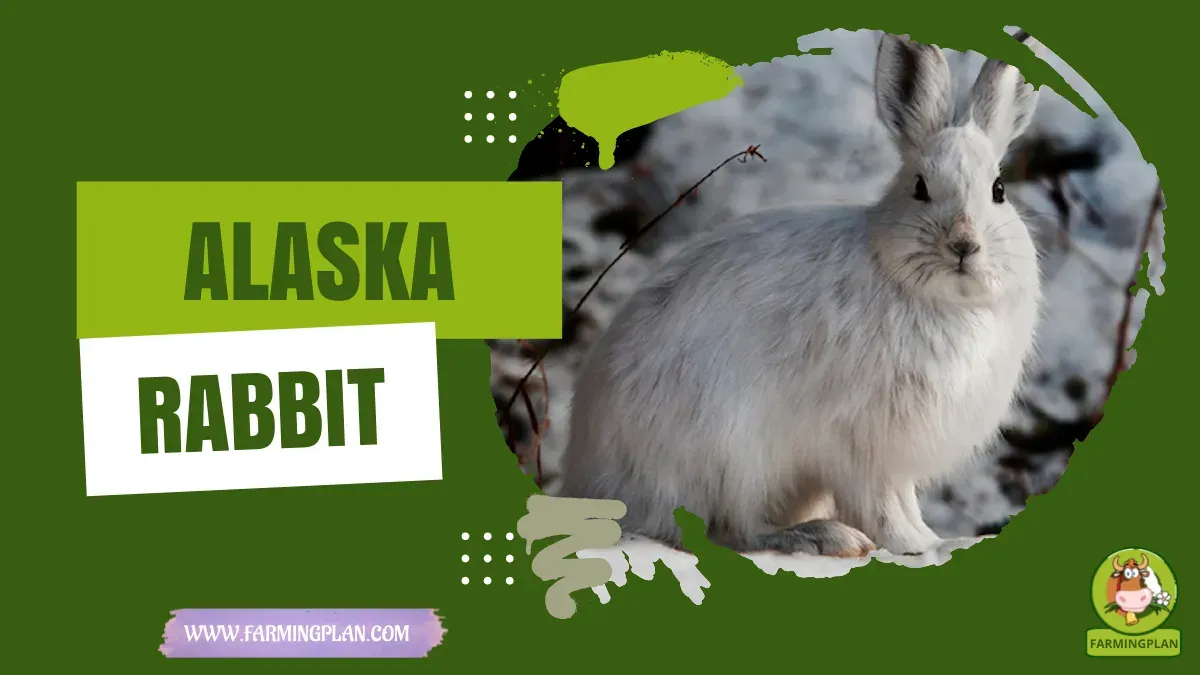
Origin & Breed History
The Alaska rabbit originated in Germany during the early 1900s through the intensive breeding programs of Max Fischer of Gotha and fellow German fanciers. Their initial goal was ambitious: to synthesize a domestic rabbit whose pelt mimicked the rare, highly valuable pelt of the wild Alaskan silver fox. To achieve this, breeders crossed Havanas, Dutch rabbits, Himalayans, and Silver rabbits. While the resulting progeny did not express the silver ticking they initially pursued, it yielded a jet-black fur of unprecedented density and gloss. Consistent daily observation helps keepers spot early changes in alaska rabbit health and behavior.
Recognized officially across European registry books before the First World War, the breed quickly gained widespread favor in Germany, France, and the United Kingdom. The British Rabbit Council (BRC) standardizes the breed as a premier fur exhibit, while heritage homesteaders celebrate its solid feed conversion and docile handling qualities. In North America, the breed remains an esteemed rare variety sought by conservationist breeders dedicated to classic European bloodlines.
Physical Characteristics & Breed Conformation Standards
The Alaska rabbit displays a compact, well-muscled commercial conformation characterized by short, strong front limbs, broad loin depth, and a cylindrical barrel. The head is broad and set close to the shoulders, giving the animal a powerful, stocky silhouette. Erect, well-furred ears measure between 4.0 and 4.5 inches (10 to 11.5 cm) with rounded tips that align neatly with the spinal profile. Clean housing, fresh water, and balanced nutrition remain essential for alaska rabbit productivity.
The primary aesthetic value of the Alaska rabbit lies in its pelt density and chromatic consistency. Breed judges evaluate fur texture under rollback standards, demanding an elastic return when brushed against the grain: Tracking feed intake and body condition supports long-term alaska rabbit performance.
- Topcoat Color: Intense raven black across the dorsal plane, head, and outer legs with a mirror-like sheen.
- Undercoat Pigmentation: Dark slate blue without white banding or reddish cast from sun exposure.
- Eye Color: Dark hazel to deep brown, reflecting a ruby tint under direct penlight inspection.
- Claws & Pads: Uniform dark horn pigment on all four feet, supported by thick fur cushioning.
Temperament & Behavioral Traits
Alaska rabbits are renowned among fanciers for their docile, alert, and inquisitive temperament. Unlike high-strung dwarf breeds, these medium-sized lagomorphs exhibit steady emotional baselines when handled regularly from kit stages. They respond calmly to quiet daily management routines, making them dependable choices for homesteaders with children or busy mixed-species barns.
Despite their placid nature, Alaska rabbits require structured mental stimulation and physical activity to prevent stereotypic pacing or wooden hutch gnawing. Providing chew blocks of dried applewood, compressed timothy rings, and foraging tunnels channels their natural gnawing impulses while maintaining healthy incisor wear. For secure outdoor play and pest prevention, review our blueprints on predator-proof perimeter fencing. Following biosecurity best practices reduces disease risk in any alaska rabbit operation.
Housing & Environmental Requirements
Housing for Alaska rabbits must prioritize ventilation, sanitation, and protection against extreme environmental shifts. While their thick double coat allows them to thrive in near-freezing temperatures, rabbits possess few sweat glands and cannot tolerate prolonged heat above 85°F (29°C). Hutch enclosures should be situated inside sheltered outbuildings, well-shaded yards, or temperature-regulated barns.
A single adult Alaska rabbit requires an absolute minimum floor footprint of 30 inches wide by 36 inches deep (7.5 sq ft) with a vertical clearance of at least 18 inches. When designing rabbitry quarters, implement these housing specifications: Seasonal adjustments to shelter and diet keep alaska rabbit thriving year-round.
- Flooring Design: Heavy-gauge 14-gauge vinyl-coated wire mesh (1/2″ x 1″ spacing) paired with solid resting pads to prevent ulcerative pododermatitis (sore hocks).
- Bedding Substrates: Kiln-dried pine shavings, compressed wheat straw, or aspen pellets positioned under collection trays. Never use cedar shavings due to toxic aromatic phenols.
- Ventilation Controls: Cross-draft airflow maintaining ammonia concentrations below 5 ppm at hutch height.
- Water Delivery: Frost-proof nipple watering systems or heavy ceramic crocks cleaned and disinfected weekly.
Nutritional Requirements & Daily Feeding Regimen
Lagomorph digestion depends entirely upon hindgut fermentation fueled by indigestible long-stem fiber. The foundation of an Alaska rabbit’s daily ration must be unlimited, dust-free grass hay, such as first-cut timothy, orchard grass, or meadow fescue. Ingesting coarse fiber promotes continuous gastrointestinal peristalsis and grinds down continuously growing hypsodont premolars and molars.
Commercial pelleted feeds supplement hay with essential proteins, trace minerals, and vitamins. Maintain a strict daily rationing schedule to prevent hepatic lipidosis and obesity-linked breeding failures: Proper record-keeping makes breeding and culling decisions easier for alaska rabbit keepers.
⚡ Daily Nutritional Matrix for Alaska Rabbits
| Life Stage | Crude Protein | Crude Fiber | Daily Pellets | Hay & Fresh Forage |
|---|---|---|---|---|
| Growing Kits (4–12 wks) | 17 – 18% | 18 – 22% | Free choice quality pellets | Unlimited Alfalfa & Timothy blend |
| Maintenance Adult | 14 – 15% | 22 – 26% | 1/3 to 1/2 cup (60–80g) | Unlimited Timothy / Orchard hay |
| Pregnant Doe | 16 – 17% | 19 – 22% | 3/4 cup (110–130g) | Unlimited mixed grass hay + greens |
| Lactating Doe (with kits) | 18 – 20% | 16 – 20% | Free choice until weaning | Unlimited Timothy hay + fresh herbs |
Health Management, Biosecurity & Disease Prevention
Alaska rabbits are naturally hardy, yet their dense fur coat and sensitive digestive flora make them susceptible to specific seasonal ailments. Gastrointestinal stasis (gut ileus) is the leading veterinary emergency in pet and farm rabbits. It is frequently triggered by pain, sudden feed transitions, or swallowing excessive fur during seasonal shedding without adequate dietary moisture and roughage. Providing adequate space and ventilation prevents common stress issues in alaska rabbit.
Biosecurity protocols must address viral and parasitic threats. Strict sanitation, fly screen installation, and quarantine of incoming stock protect against Encephalitozoon cuniculi, coccidiosis, and Rabbit Hemorrhagic Disease Virus (RHDV2):
⚡ Clinical Health & Prevention Protocols
| Pathology / Threat | Clinical Symptoms | Preventative Protocol | Immediate Corrective Action |
|---|---|---|---|
| GI Stasis / Ileus | Lethargy, small or absent fecal pellets, teeth grinding | 85%+ diet fiber, fresh water, digestive enzymes | Subcutaneous fluids, gut motility agents, critical care syringe feeding |
| Ear Mites (Psoroptes cuniculi) | Head shaking, brown crusting in ear canal | Monthly inspection, mineral oil sanitization | Topical ivermectin or selamectin under veterinary direction |
| Sore Hocks (Pododermatitis) | Red, hairless abrasions on rear metatarsals | Solid floor resting boards, smooth mesh gauges | Antiseptic cleansing, soft bedding, topical zinc oxide barrier |
| RHDV2 Viral Threat | Fever, respiratory distress, sudden mortality | Annual RHDV2 vaccination, closed herd biosecurity | Immediate quarantine, veterinary notification, pen depopulation |
Estimated Annual Budget & Commercial Economics
Operating a small breeding trio (1 buck and 2 does) producing 3 litters annually involves predictable capital investments and feed overhead. Sound financial accounting ensures your rabbitry generates steady meat yield or show revenue while controlling operational costs: Understanding breed-specific traits helps maximize alaska rabbit longevity and output.
⚡ Estimated Annual Budget & Maintenance Costs (USD)
| Expense Category | Initial Setup Cost | Annual Recurring Cost | Expense Details |
|---|---|---|---|
| Breeding Stock Purchase | $220 | $0 | Three pedigree breeding animals ($70–$80 each) |
| Hutches & Nesting Boxes | $450 | $40 | All-metal modular wire cages, solid pads, wooden nest boxes |
| Feed & Hay (Commercial & Bulk) | $0 | $360 | Timothy bales ($180) + 16% protein commercial pellets ($180) |
| Bedding & Waste Management | $30 | $110 | Kiln-dried pine shavings and agricultural lime for trays |
| Veterinary Care & Biosecurity | $50 | $140 | RHDV2 vaccinations, dewormers, grooming shears, disinfectants |
| Total Investment | $750 | $650 | Estimated net annual cost for a homestead breeding trio |
Interactive Feed & Resource Calculator
Use our interactive feed formulation calculator to determine accurate daily hay, pelleted feed, and water requirements based on your rabbitry herd size and breeding phases:
🐇 Alaska Rabbit Daily Hay & Pellet Calculator
Calculate daily Timothy hay (unlimited bulk), pellet rations, fresh greens, and clean water intake for your Alaska Rabbit.
Frequently Asked Questions
What makes the Alaska rabbit different from other black rabbits?
The Alaska rabbit is characterized by its unique coat structure featuring an intense jet-black topcoat paired with a solid dark slate-blue undercolor. Developed specifically to mimic Alaskan fox pelts, its fur possesses extraordinary density, gloss, and elastic rollback texture that distinguishes it from Black New Zealands or Havanas.
Are Alaska rabbits good homestead meat and fur animals?
Yes. With adult weights reaching 7 to 9 pounds (3.2 to 4.1 kg), Alaska rabbits offer an excellent balance of commercial meat yield and luxurious pelts. Does exhibit strong maternal instincts and raise robust litters of 6 to 8 kits.
How do I prevent sore hocks in caged Alaska rabbits?
Sore hocks (pododermatitis) can be prevented by providing smooth, vinyl-coated cage wire (1/2 inch by 1 inch spacing) combined with solid resting boards or rubber mats. Keep bedding dry and clean to avoid ammonia irritation on rear foot pads.
Can Alaska rabbits tolerate warm summer weather?
Alaska rabbits tolerate cold exceptionally well but struggle severely in temperatures above 80°F (27°C). In hot climates, provide cross-flow ventilation, shade, misting systems, and frozen water bottles in their hutches to avoid fatal heatstroke.
What is the ideal daily diet for an adult Alaska rabbit?
An adult Alaska rabbit requires unlimited timothy or orchard grass hay (making up 80 to 85 percent of daily intake), 1/3 to 1/2 cup of high-quality 14 to 16 percent crude protein pellets, clean fresh water, and a cup of rabbit-safe leafy greens daily.
Breed Merits & Management Limitations
Key Advantages
- Exquisite jet-black pelt with deep slate-blue undercolor
- Docile, calm disposition suitable for domestic and show settings
- Excellent cold tolerance during sub-zero winter temperatures
- Efficient feed conversion and lean, nutritious meat yield
- Attentive maternal instincts and reliable kit weaning survival
Management Challenges
- Highly vulnerable to heat exhaustion in climates above 85°F (29°C)
- Black fur subject to sun bleaching without shaded housing
- Requires daily high-fiber monitoring to prevent digestive stasis
- Wire cage flooring requires resting boards to prevent sore hocks
Expert Verdict & Next Steps for Alaska Rabbit Care Keepers
Successful management of Alaska Rabbit Care hinges on rigorous adherence to species-specific housing dimensions, precision daily nutrition, and proactive biosecurity protocols. Whether you are managing commercial production or establishing a self-sufficient homestead breeding flock, maintaining disciplined husbandry standards ensures long-term vitality, exceptional output yields, and sustainable enterprise profitability. Breeders interested in comparing housing, diet, and productivity traits should see our Aurora Negro Rabbit husbandry guide. Routine preventive care saves time and lowers veterinary costs for alaska rabbit.
By pairing predator-proof shelter infrastructure with high-quality rations and regular veterinary wellness monitoring, growers can confidently optimize productive longevity across all life stages. For comprehensive operational management blueprints and companion breed guides, explore our complete technical library in Farming Plan Agricultural Guides.
📚Agricultural Reference & Scientific Citations
1. American Rabbit Breeders Association (ARBA): Standard of Perfection & Breed Conformation.
2. United States Department of Agriculture (USDA APHIS): Animal Welfare Act & Commercial Rabbit Housing Guidelines.
3. Penn State University Extension: Homestead & Commercial Meat Rabbit Management.


