

⚡ Abyssinian Short Horned Zebu at a Glance: Key Specifications & Benchmarks
| Morphological Feature | Standard Breed Benchmark | Agronomic & Utility Notes |
|---|---|---|
| Breed Classification | Small East African Zebu (Bos indicus) | Indigenous Ethiopian highland landrace (1,800 – 3,200m elevation) |
| Mature Bull Body Weight | 300 – 380 kg (660 – 835 lbs) | Muscular neck, deep chest, and well-developed thoracic hump |
| Mature Cow Body Weight | 220 – 290 kg (485 – 640 lbs) | Compact, functional dual-purpose frame with low maintenance needs |
| Horn Conformation | Short, stout, pointed horns (15 – 25 cm) | Horns project upward and slightly forward or outward |
| Coat Color Varieties | Black, red, brown, fawn, grey, and pied patterns | Short, dense hair coat providing thermal protection in chilly highlands |
| Draft Power Output | Plows 0.6 – 0.8 hectares per working day | Primary agricultural draft engine for traditional Ethiopian maresha plows |
| Lactation Milk Yield | 500 – 850 liters per 180 – 210 day lactation | Produces 2.5 to 4.5 liters daily with high butterfat (5.2% – 6.0%) |
| Climatic Resilience | Thrives from freezing highland nights to hot dry days | Exceptional thermal plasticity and disease tolerance |
When planning Abyssinian Zebu Cattle management, the Abyssinian Short Horned Zebu cattle breed (frequently designated as the Ethiopian Highland Zebu) is the foundational, most numerically prevalent indigenous bovine landrace inhabiting the central and eastern highlands of Ethiopia. Adapted over millennia to rugged montane topography, high solar radiation, and seasonal forage scarcity at elevations ranging from 1,800 to over 3,000 meters above sea level, these compact zebu cattle serve as the essential engine of Ethiopian agriculture. Smallholder farmers rely on them for vital draft plowing, household dairy nutrition, organic manure fertilizer, and rural wealth storage.
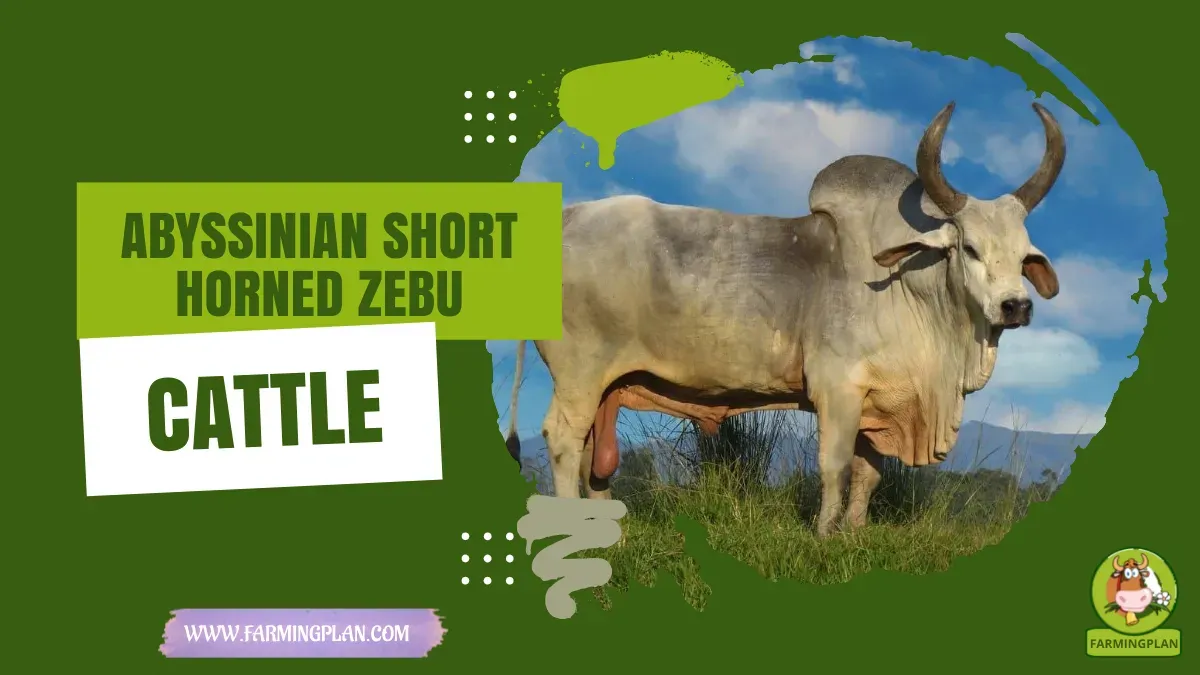
Characterized by a compact frame, pronounced thoracic hump, short upright horns, and remarkable constitutional hardiness, Abyssinian Short Horned Zebu cattle thrive on fibrous crop residues and poor-quality communal grazing lands where imported exotic cattle cannot survive. They demonstrate high metabolic resilience, cold and heat tolerance, and natural resistance to endemic vector-borne diseases. Implementing strategic supplemental feeding, routine parasite control, and improved housing management significantly improves herd productivity and smallholder profitability. Monitoring water quality and mineral balance directly benefits Abyssinian Zebu Cattle vitality.
Origins & Ethiopian Highland Pastoral Ecology
The Abyssinian Short Horned Zebu represents an ancient lineage tracing back to the historic introduction of humped zebu cattle into the Horn of Africa through ancient Red Sea trade routes. Over centuries of intense environmental pressure on the Ethiopian plateau—characterized by thin atmospheric oxygen, heavy seasonal monsoonal rains (Kiremt), and freezing nocturnal temperatures during the dry season—this breed developed unmatched constitutional stamina. Practical hands-on husbandry ensures consistent results when raising Abyssinian Zebu Cattle.
In traditional mixed crop-livestock farming systems, cattle and grain production exist in an inseparable symbiotic loop. The Abyssinian zebu oxen plow the heavy highland vertisol clay soils to plant teff, barley, wheat, and pulses. In return, the cattle consume the threshing residues and crop straws during the prolonged dry season, recycling nutrients back to the soil via valuable organic manure.
Extensive field research by the International Livestock Research Institute (ILRI) underscores the irreplaceable ecological value of the Abyssinian Short Horned Zebu. While commercial dairy crosses require grain subsidies and climate-controlled housing, the indigenous zebu survives and produces reliably on native hillside pastures. For comparative cattle farming insights, review our guides on fleckvieh cattle and dual-purpose livestock production. Smallholders comparing closely related stock can also review our detailed Alur Cattle guide. Early intervention at the first sign of lethargy protects overall Abyssinian Zebu Cattle flock or herd health.
Conformation, Horn Anatomy & Highland Adaptations
The Abyssinian Short Horned Zebu is a compact, balanced animal exhibiting classic zebu morphology. Mature cows stand 115 to 125 cm at the withers, while bulls reach 125 to 135 cm. The head is relatively short and wedge-shaped, with a straight forehead and alert, dark eyes. The ears are medium in length, carried horizontally, and fringed with fine protective hairs.
As the name signifies, the horns are distinctly short and sturdy, typically measuring between 15 and 25 cm in length. Horns emerge from a flat poll, pointing upward and slightly outward or forward. These short horns are advantageous in working draft oxen, preventing entanglement in wooden plowing yokes and ropes while remaining strong enough for herd defense. Structured culling and biosecurity protocols strengthen Abyssinian Zebu Cattle genetic quality.
The thoracic hump is well-defined and muscular in males, resting squarely above the shoulders. The dewlap and navel flap are moderately developed, providing essential surface area for thermal heat exchange during hot sunny days while remaining compact enough to minimize heat loss during cold highland nights. The hooves are small, dense, and exceptionally hard, resisting wear on stony volcanic soils.
Highland Rangeland Grazing & Crop Residue Systems
In the Ethiopian highlands, cattle forage on communal hillsides, roadsides, and fallow plots during the crop-growing season, transitioning to private stubble grazing following the autumn harvest. Indigenous grasses including Andropogon, Hyparrhenia, and clover species provide nutritious grazing during the monsoons, but biomass declines rapidly once rains cease. Maintaining clean feeders and sanitized equipment supports sustainable Abyssinian Zebu Cattle care.
Implement rotational paddock grazing on dedicated pasture plots to prevent severe overgrazing and soil erosion. Establish contour hedgerows of nutritious browse shrubs like tagasaste (tree lucerne, Chamaecytisus proliferus) and sesbania along field borders. Tagasaste is frost-tolerant, highly palatable, and provides up to 22% crude protein, making it an ideal supplemental green forage for lactating cows and working draft oxen during dry winters.
Construct basic nighttime shelters with stone or mud-brick walls and corrugated iron roofs to shield working cattle from freezing night drafts and heavy rainstorms. Dry bedding using dry straw or crop husks protects udder health and prevents respiratory pneumonia. For equipment and barn infrastructure, explore our guide on livestock housing equipment and containment systems. Consistent daily observation helps keepers spot early changes in Abyssinian Zebu Cattle health and behavior.
Nutritional Strategies: Urea-Treated Straw & Oilseed Cakes
Cereal crop residues (teff straw, barley straw, and wheat chaff) constitute over 70% of the total dry matter consumed by Abyssinian cattle during the dry season. While teff straw is softer and more palatable than other cereal straws, it contains less than 5% crude protein and lacks adequate sulfur, phosphorus, and vitamin A.
Treating cereal straws with 4% agricultural urea under sealed plastic pit silos for 21 days breaks down complex lignified fiber, doubling crude protein availability and significantly increasing daily dry matter intake. In addition, feed working oxen and lactating cows 1.0 to 1.5 kg daily of regional oilseed cakes (such as noug seed cake, linseed cake, or sesame meal) mixed with wheat bran. Clean housing, fresh water, and balanced nutrition remain essential for Abyssinian Zebu Cattle productivity.
Provide free-choice access to mineral salt blocks containing calcium, phosphorus, sodium, and trace minerals (iodine, cobalt, copper). Mineral supplementation supports strong ovarian cyclicity, prevents silent heats, and boosts immune resistance against infectious microbes. For comparative ruminant feeding standards, explore our guides on dairy farming and livestock nutritional management.
Veterinary Biosecurity & Highland Disease Management
The primary endemic health threats in the cool Ethiopian highlands include Blackleg (Clostridium chauvoei), Anthrax, Contagious Bovine Pleuropneumonia (CBPP), and Foot-and-Mouth Disease (FMD). Routine annual vaccination administered through regional veterinary clinics is essential for protecting valuable draft oxen and breeding cows. Tracking feed intake and body condition supports long-term Abyssinian Zebu Cattle performance.
Internal parasitism, particularly Liver Fluke (Fasciola hepatica) and gastrointestinal roundworms, is widespread in highland marshy valley bottoms where cattle graze near drainage canals. Deworm the herd twice annually—at the end of the rainy season and during the late dry period—using albendazole, oxyclozanide, or triclabendazole to eradicate adult and juvenile flukes.
Ectoparasites such as sucking lice, mange mites, and ticks cause severe skin irritation, hide damage, and anemia in working cattle. Apply topical pour-on acaricides or perform regular hand-dressing with botanical neem or pyrethroid treatments. In addition, vaccinate herds according to guidelines published in our resource on livestock vaccination and herd health. Consult official standards through the FAO Animal Production and Health Division. Following biosecurity best practices reduces disease risk in any Abyssinian Zebu Cattle operation.
Reproduction, Calving Ease & Draft Oxen Training
Abyssinian Short Horned Zebu cattle are renowned for exceptional maternal qualities and effortless calving. Heifers reach breeding maturity around 30 to 36 months of age, with calves averaging 18 to 22 kg at birth. Cows have wide pelvic dimensions, making calving difficulties (dystocia) virtually nonexistent under traditional management.
Cows produce between 2.5 and 4.5 liters of rich milk daily during peak lactation while nursing their calf. The milk contains high total solids with butterfat levels between 5.2% and 6.0%, which smallholders process into clarified spiced butter (niter kibbeh) and traditional ayib curd cheese, providing essential household protein and cash income. Seasonal adjustments to shelter and diet keep Abyssinian Zebu Cattle thriving year-round.
Bull calves selected for draft work are castrated at two to three years of age using clean burdizzo pincers. Training begins by pairing a young steer with an experienced mature ox, teaching them to respond to vocal commands and pull the traditional wooden maresha plow. Matched oxen pairs form a strong emotional bond, working together steadily for 8 to 12 years.
Economic Value: Rural Capital & Smallholder Food Security
In rural Ethiopia, cattle represent the primary form of non-cash wealth accumulation. A healthy pair of trained Abyssinian draft oxen represents the most valuable single capital asset on a smallholder farm, ensuring timely plowing and planting that directly determines crop yields and family food security. Proper record-keeping makes breeding and culling decisions easier for Abyssinian Zebu Cattle keepers.
When oxen finish their productive working careers, they are conditioned on crop residues and oilseed supplements for three to four months, producing lean, flavorful beef that commands strong prices in urban markets. By adopting community-based selective breeding that enhances body weight and milk yield while preserving indigenous hardiness, smallholders ensure long-term agrarian prosperity. For comparative livestock economics, explore our profiles on raising sheep and sustainable herd management.
🐄 Abyssinian Zebu Cattle Daily Forage & Bale Calculator
Calculate daily dry matter forage, winter round bale consumption, pasture allocation, and water requirements for Abyssinian Zebu Cattle cattle.
Frequently Asked Questions (FAQ)
What are Abyssinian Short Horned Zebu cattle primarily used for?
Abyssinian Short Horned Zebu cattle are multi-purpose livestock primarily raised for draft plowing power, subsistence dairy milk production, organic manure fertilizer, and meat in the Ethiopian highlands. They are the primary work engine for traditional crop agriculture.
How hardy are Abyssinian Zebu cattle in cold mountain weather?
Despite being humped zebu cattle, the Abyssinian Short Horned Zebu is exceptionally cold-hardy. Having evolved at elevations between 1,800 and 3,200 meters, they grow dense hair coats and possess physiological adaptations that endure near-freezing mountain nights.
How much milk does an Abyssinian Zebu cow give?
Under traditional highland management, an Abyssinian Zebu cow produces between 2.5 and 4.5 liters of milk per day, yielding 500 to 850 liters over a typical 180 to 210 day lactation period. The milk is rich in butterfat (5.2% to 6.0%).
How big do Abyssinian Short Horned Zebu cattle get?
They are a compact zebu breed. Mature bulls weigh between 300 and 380 kg (660 to 835 lbs), while mature cows weigh between 220 and 290 kg (485 to 640 lbs). Their small size allows them to survive on limited dry-season forage.
Step-by-Step Abyssinian Zebu Cattle Husbandry Protocol
- Construct Ventilated Night Barns: Build dry stone-walled shelters with raised dirt floors to protect cattle from highland rainstorms and freezing nocturnal drafts.
- Implement Contour Browse Planting: Plant rows of frost-tolerant tagasaste (tree lucerne) along terrace borders to produce high-protein green fodder for dry winters.
- Process Crop Residues with 4% Urea: Treat teff and barley straw with agricultural urea solutions in sealed pits for 21 days to double protein content and boost digestibility.
- Supply Balanced Salt & Mineral Licks: Keep mineral troughs stocked with salt, calcium, phosphorus, and trace minerals to prevent pica and support reproductive cycling.
- Execute Semi-Annual Fluke Deworming: Treat all cattle with flukicides (triclabendazole) at the close of monsoons to eradicate liver flukes contracted in marsh meadows.
- Maintain Annual Herd Immunizations: Vaccinate cattle annually against Anthrax, Blackleg, CBPP, and Foot-and-Mouth Disease through local veterinary extension services.
📚Agricultural Reference & Scientific Citations
Standards and physiological data referenced in this guide comply with USDA Animal and Plant Health Inspection Service (APHIS), American Veterinary Medical Association (AVMA), and the FAO Domestic Animal Diversity Information System.


