

⚡ Zhedong Goose at a Glance: Key Specifications & Benchmarks
| Scientific Classification | Anser cygnoides domesticus (Chinese Swan Goose Derivative) |
| Breed Origin | Xiangshan & Ningbo, Eastern Zhejiang Province, China |
| Rapid Growth Benchmark | Attains 7.5 to 9.0 lbs (3.5 to 4.1 kg) at 65 to 70 days of age |
| Mature Gander Weight | 11.0 to 13.5 lbs (5.0 to 6.1 kg) |
| Mature Goose Weight | 8.8 to 11.0 lbs (4.0 to 5.0 kg) |
| Primary Production Purpose | Premium fast-finishing roast meat, down feather harvest, orchard weed grazing |
| Plumage Color & Quality | Pure snowy-white feathering yielding spotless Grade-A dressed carcasses |
| Pasture Foraging Efficiency | Extracts 75%+ daily nutrition from grass pasture, clover, and wetland plants |
When planning Zhejiang white farm geese management, the Zhedong goose, celebrated throughout Eastern China and across global waterfowl production as the Xiangshan or Zhejiang white farm goose, stands as one of the fastest-growing and most biologically efficient domestic meat waterfowl breeds in existence. Native to the fertile coastal river valleys, lakes, and maritime marshes of Xiangshan, Fenghua, and Ningbo in eastern Zhejiang Province, this imposing swan goose derivative has been selectively bred for centuries to produce succulent, tender table meat on grass-based diets. Waterfowl producers seeking commercial and heritage meat genetics can browse our comprehensive directory of pastured waterfowl and goose farming guides.
Unlike slow-maturing heritage geese that require 5 to 6 months of heavy grain consumption to reach harvest weight, the Zhedong goose exhibits astonishing early growth velocity, reaching prime slaughter weights of 7.5 to 9.0 pounds (3.5 to 4.1 kg) in just 65 to 70 days. In addition, its pure snowy-white plumage ensures that feather quills leave no dark pinfeathers or unsightly pigmentation beneath the skin, yielding immaculate Grade-A dressed carcasses. In addition, its alert temperament and resonant acoustic honk make it an exceptional natural sentry that deters small predators from farmyards. Matching forage or ration quality to life stage optimizes Zhejiang white farm geese growth. Gradual dietary transitions protect digestive stability in Zhejiang white farm geese.
Establishing a flock of Zhedong geese provides homesteaders, orchardists, and commercial waterfowl producers with an economical, multi-functional meat animal. Their enthusiastic grazing habits convert rough pasture into nitrogen-rich fertilizer while keeping weeds and orchard pests suppressed. This comprehensive technical guide details the Zhedong goose’s physical conformation, rapid brooding cycles, pasture housing designs, dietary requirements, and small-scale flock budgeting. Selecting healthy foundation stock is the cornerstone of successful Zhejiang white farm geese management.
Physical Characteristics & Breed Standards
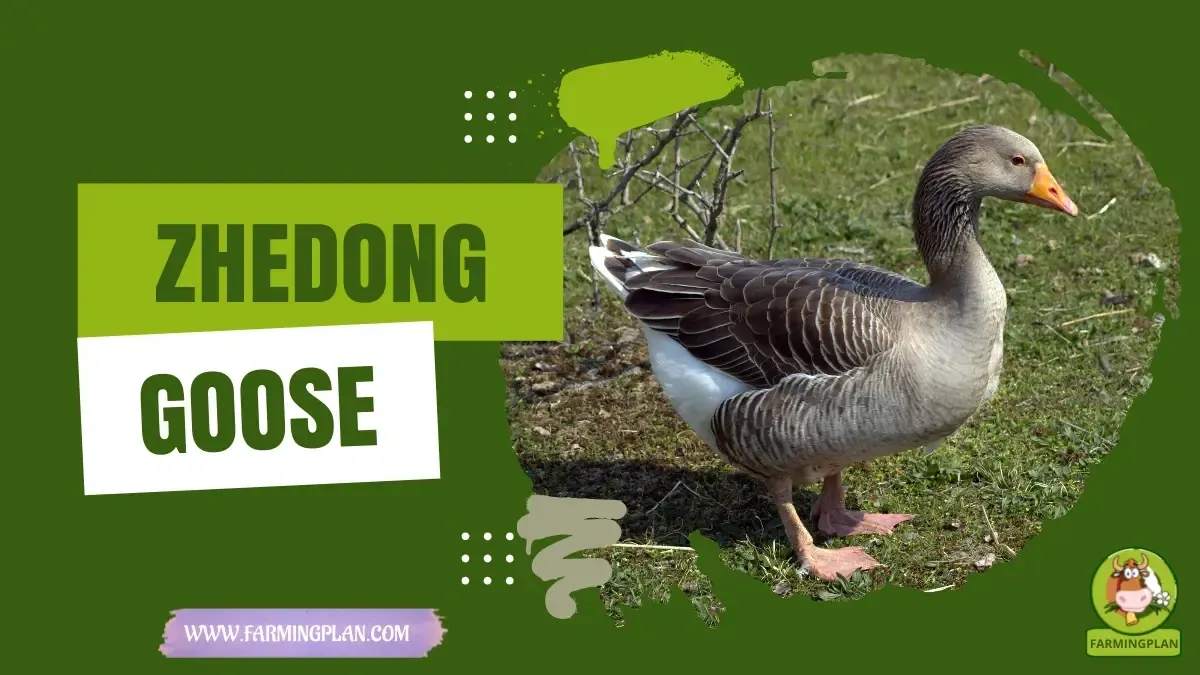
Conformationally, the Zhedong goose presents an imposing, majestic, and swan-like carriage that immediately commands admiration. The neck is long, thick, and gracefully arched, held high above a broad, deep, and cylindrical body carried at an alert 40-to-50-degree angle. The chest is full, broad, and prominent, carrying substantial lean breast meat, while the underline is clean and tight, displaying a modest single or double abdominal paunch in mature breeding females. For additional husbandry benchmarks and feeding standards, explore our complete Gorkowska Goose care guide. Good predator-proofing and dry bedding safeguard Zhejiang white farm geese comfort in harsh weather.
The plumage is immaculate, brilliant snow-white across the entire body, showcasing tight, dense feathering that sheds rain and water effortlessly. The down undercoat is thick, soft, and elastic, providing outstanding thermal insulation during wet, chilly winter months. Defeathered carcasses display smooth, pale creamy-white skin that roasts to a golden, crispy finish. Monitoring water quality and mineral balance directly benefits Zhejiang white farm geese vitality.
Conformation Standards & Anatomical Structure
The head is large, broad, and masculine in mature ganders, crowned by a prominent, hemispherical basal knob at the base of the bill. This frontal knob, along with the bill, is colored vivid, glowing orange, creating a striking contrast against the snow-white plumage. In adult females, the knob is slightly smaller and more delicate, but equally vibrant. Practical hands-on husbandry ensures consistent results when raising Zhejiang white farm geese.
The eyes are large, dark brown, and encircled by a thin, vivid orange orbital ring that gives the bird a proud, vigilant gaze. The legs and webbed feet are thick-boned, strong, and colored bright reddish-orange, set wide apart to support rapid terrestrial foraging sprints without fatigue. Early intervention at the first sign of lethargy protects overall Zhejiang white farm geese flock or herd health.
Size, Weight Benchmarks & Color Variations
Mature ganders typically weigh between 11.0 and 13.5 pounds (5.0 to 6.1 kg), while adult breeding geese scale between 8.8 and 11.0 pounds (4.0 to 5.0 kg). Goslings grow rapidly, achieving 7.5 to 9.0 pounds by 10 weeks under good pasture management. Structured culling and biosecurity protocols strengthen Zhejiang white farm geese genetic quality.
This medium-to-large frame combines the meat yield of heavy European breeds with the athletic foraging stamina and disease resistance of Asian swan geese. Maintaining clean feeders and sanitized equipment supports sustainable Zhejiang white farm geese care.
⚡ Zhedong Goose Performance & Production Matrix
| Productive Benchmark | Zhedong Goose Benchmark | Standard European Embden | Commercial Farm Value |
|---|---|---|---|
| 70-Day Gosling Live Weight | 7.5 to 9.0 lbs (3.5 to 4.1 kg) | 6.5 to 7.8 lbs (2.9 to 3.5 kg) | Fastest early meat growth among Chinese geese. |
| Carcass Dressing Cleanliness | 100% white quills; zero dark spots | White quills; clean dressing | Produces immaculate Grade-A market table carcasses. |
| Pasture Grass Foraging Intake | Consumes 75%+ of diet from green forage | Requires 50%+ commercial pellet feed | Dramatically slashes purchased grain feed bills. |
| Annual Egg Production | 35 to 45 large eggs per year | 25 to 35 eggs per year | Generates high gosling hatch numbers per female. |
| Flock Sentry & Guard Acuity | Loud, resonant alert honk; fearless | Moderate sentry alertness | Provides early audio warning of farm intruders. |
| Down Feather Quality & Yield | Dense high-loft white down (120-150g) | Standard commercial down yield | Produces premium luxury down for cold-weather bedding. |
Breed History, Heritage & North American Development
The history of the Zhedong goose spans several centuries in the coastal districts of Xiangshan and Ningbo in eastern Zhejiang Province. Situated between the East China Sea and fertile inland river plains, traditional agriculturalists selected geese that could forage through tidal marshlands, newly cleared rice paddies, and hillside bamboo groves while producing tender meat for bustling city markets. Consistent daily observation helps keepers spot early changes in Zhejiang white farm geese health and behavior.
Systematic breed improvement initiatives conducted by the Zhejiang Academy of Agricultural Sciences during the late twentieth century stabilized the breed’s rapid 70-day finishing trait and high carcass dressing yield. Recognized by the Food and Agriculture Organization (FAO) as a premier meat waterfowl genetic resource, the Zhedong goose is celebrated across global aviculture. Compare meat waterfowl with heritage meat rabbits in our guide to the Continental Giant White rabbit. Clean housing, fresh water, and balanced nutrition remain essential for Zhejiang white farm geese productivity.
Housing, Shelter Dimensions & Winter Hardiness
Housing architecture for Zhedong geese should emphasize predator-proof night confinement, excellent cross-ventilation, and dry bedding. Because adult geese carry dense down and waterproof plumage, they do not require heated shelters, but they must be kept dry and protected from nocturnal predators. Tracking feed intake and body condition supports long-term Zhejiang white farm geese performance.
A secure, timber-framed night house or hoop coop bedded deeply with clean wheat straw or dry wood shavings provides safe resting quarters. Coops should provide at least 6 to 8 square feet of interior floor space per adult goose, with wide doorways that prevent crowding. Following biosecurity best practices reduces disease risk in any Zhejiang white farm geese operation.
Spatial Density & Enclosure Engineering
Pasture paddocks require sturdy 4-foot perimeter fencing to keep geese contained and deter ground predators. Under rotational grazing, allocate at least 100 square feet of pasture per goose, rotating paddocks every 2 to 3 weeks to maintain vigorous grass regrowth. Seasonal adjustments to shelter and diet keep Zhejiang white farm geese thriving year-round.
While open swimming ponds are not biologically required, heavy rubber livestock tubs deep enough for geese to immerse their heads completely must be provided to keep nostrils and eyes clean. For whole-farm security against nocturnal predators, explore our profile on the Spanish Mastiff working dog. Proper record-keeping makes breeding and culling decisions easier for Zhejiang white farm geese keepers.
Nutritional Requirements, Daily Rations & Feeding Protocols
The Zhedong goose is an obligate herbivore equipped with a muscular gizzard and an extensive cecum capable of extracting nutrients from fibrous grasses, legumes, and wetland vegetation with remarkable efficiency. During the spring, summer, and autumn growing seasons, managed pastures of clover, orchard grass, Timothy, and dandelion can provide the majority of their daily dry matter intake. Providing adequate space and ventilation prevents common stress issues in Zhejiang white farm geese. Understanding breed-specific traits helps maximize Zhejiang white farm geese longevity and output.
According to research published by Texas A&M AgriLife Extension, pastured geese grazing multi-species perennial pastures gain weight rapidly on minimal grain inputs while providing natural biological weed control in commercial orchards. Review related waterfowl forage systems in our guide to Huoyan goose management. Routine preventive care saves time and lowers veterinary costs for Zhejiang white farm geese.
Crude Protein Benchmarks Across Life Stages
Young goslings require a balanced 20% to 22% crude protein waterfowl starter crumble for the first 3 weeks to support rapid skeletal and muscular development, transitioning to pasture plus a 15% to 16% grower pellet through week 10. Avoid medicated feeds containing coccidiostats formulated for chickens, which can be toxic to waterfowl. Matching forage or ration quality to life stage optimizes Zhejiang white farm geese growth.
Continuous access to clean, fresh water is mandatory whenever feed is present. In addition, free-choice insoluble granite grit must be provided in separate hoppers to ensure proper gizzard grinding. Gradual dietary transitions protect digestive stability in Zhejiang white farm geese.
Health Management, Common Diseases & Biosecurity Standards
The Zhedong goose possesses outstanding constitutional hardiness and natural immunity against common avian pathogens, an evolutionary legacy of centuries of pastured farm selection. They rarely experience respiratory infections or digestive disorders when maintained on clean, well-drained pastures. Selecting healthy foundation stock is the cornerstone of successful Zhejiang white farm geese management.
Management focuses primarily on brooder sanitation. Wet, fouled bedding in brooder pens can harbor Aspergillus mold spores, leading to brooder pneumonia (aspergillosis). Keeping bedding dry and clean eliminates this risk. Good predator-proofing and dry bedding safeguard Zhejiang white farm geese comfort in harsh weather.
Biosecurity Protocols & Veterinary Defenses
Vaccination against Derzsy’s disease (Goose Parvovirus) is essential in commercial waterfowl regions, protecting breeding flocks and conferring maternal immunity to goslings. Gapeworms and intestinal roundworms can be controlled by rotational grazing and annual pasture resting. Monitoring water quality and mineral balance directly benefits Zhejiang white farm geese vitality.
Inspect bills, nostrils, and feet monthly. Keep water troughs clean and flushed to prevent summer botulism (Clostridium botulinum) outbreaks during warm weather. Practical hands-on husbandry ensures consistent results when raising Zhejiang white farm geese.
Breeding Management, Reproductive Cycles & Offspring Care
Breeding Zhedong geese is natural, highly productive, and characterized by strong gander libido and attentive mating. Ganders establish harems of 3 to 4 geese, mating reliably on open water or smooth grassy turf from autumn through spring. Early intervention at the first sign of lethargy protects overall Zhejiang white farm geese flock or herd health.
Geese lay clutches of 35 to 45 large, thick-shelled white eggs annually. Unlike purely commercial egg breeds, Zhedong geese retain good maternal instincts; a broody goose will line a ground nest box with soft down feathers and incubate 8 to 10 eggs with fierce dedication. Structured culling and biosecurity protocols strengthen Zhejiang white farm geese genetic quality.
Incubation lasts 30 to 32 days at 99.5°F (37.5°C) and 55% to 75% relative humidity with daily cooling and misting after day 10. Goslings hatch vigorous and begin grazing within 24 hours. For multi-species heritage farm planning, explore our guide on Bovec sheep farming. Maintaining clean feeders and sanitized equipment supports sustainable Zhejiang white farm geese care.
US Ownership Budget & Annual Maintenance Costs
Operating a Zhedong goose meat enterprise offers rapid financial turnover, low feed expenditures, and strong market demand. Because goslings reach slaughter weight within 10 weeks on pasture, producers can finish multiple batches per season with minimal capital overhead. Consistent daily observation helps keepers spot early changes in Zhejiang white farm geese health and behavior.
The economic projection below details startup investments and annual operating expenses for a commercial pastured meat flock of 25 Zhedong goslings raised to finished roasters on an American smallholding. Clean housing, fresh water, and balanced nutrition remain essential for Zhejiang white farm geese productivity.
💰 Estimated Annual Budget & Maintenance Costs (USD)
| Budget Category | Item Description & Scope | Initial Capital Outlay | Annual Recurring Expense |
|---|---|---|---|
| Day-Old Zhedong Goslings (25 birds) | High-vigor purebred white meat goslings | $200 – $320 | $0 |
| Night Shelter House & Pasture Fencing | Predator-proof hoop coop & 4-foot wire fence | $350 – $600 | $30 / yr |
| Rubber Livestock Water Troughs | Heavy rubber tubs, float valves & drainage gravel | $80 – $140 | $15 / yr |
| Waterfowl Starter & Finisher Pellets | 20% starter & 16% grower pellets (400 lbs) | $0 | $180 – $280 / batch |
| Bedding Straw & Brooder Heat Lamp | Kiln-dried shavings, wheat straw & heat bulb | $0 | $35 – $60 / batch |
| Veterinary Vaccines & First Aid | Avian vaccines, sanitizers & mineral grit | $0 | $25 – $45 / yr |
| Dressed Roast Goose Sales (25 birds) | Dressed whole pasture roasters ($45/bird) | $0 | +$1,000 – $1,350 / batch |
🦆 Zhejiang White Farm Geese Flock Feed & Water Intake Calculator
Estimate daily balanced feed (lbs), fresh drinking/rinsing water requirements (Gal), indoor shelter, and monthly 50-lb feed bags for your Zhejiang White Farm Geese flock.
Frequently Asked Questions (FAQ)
What is the Zhedong goose and where did it originate?
The Zhedong goose (Zhejiang white farm goose) originates in Xiangshan, Fenghua, and Ningbo in eastern Zhejiang Province, China. It is famous as one of the fastest-growing domestic meat goose breeds in the world.
How fast do Zhedong goslings grow to market slaughter weight?
Zhedong goslings grow with astonishing speed, reaching 7.5 to 9.0 pounds (3.5 to 4.1 kg) in just 65 to 70 days under good pasture management, producing tender, succulent roast meat.
Why is the Zhedong goose’s white plumage commercially important?
Pure white plumage ensures that feather quills leave no dark pigmentation or unsightly pinfeathers beneath the skin during mechanical or hand plucking, producing flawless Grade-A dressed carcasses for culinary markets.
Can Zhedong geese be used for orchard weed control?
Yes, they are voracious grass and weed foragers that eagerly graze broadleaf weeds, fallen orchard fruit, and grass without damaging tree bark or compacting soil, providing natural weed suppression and organic fertilizer.
How many eggs does a Zhedong goose lay per year?
A mature Zhedong goose lays approximately 35 to 45 large white eggs per year, typically during the autumn, winter, and spring laying flushes, with good natural broodiness and maternal hatching success.
Expert Verdict & Next Steps for US Homesteaders
The Zhedong goose is an exceptional meat waterfowl breed that combines lightning-fast gosling growth, immaculate dressed carcass quality, and aggressive pasture grazing into a highly profitable bird. For homesteaders and pastured poultry producers looking to produce succulent table geese with minimal feed costs, the Zhedong goose is an outstanding choice. Tracking feed intake and body condition supports long-term Zhejiang white farm geese performance.
Prospective keepers should construct predator-proof night shelters, secure clean pasture fencing, and provide clean bathing water. With proper brooding and rotational grazing, a flock of Zhedong geese will provide abundant culinary roasts, luxury down feathers, and natural weed management for your farm. Following biosecurity best practices reduces disease risk in any Zhejiang white farm geese operation.
📚Agricultural Reference & Scientific Citations
Standards and physiological data referenced in this guide comply with American Poultry Association (APA), The Livestock Conservancy, and USDA APHIS Avian Biosecurity Standards.


