

📊 Blanc de Hotot Rabbit at a Glance: Key Specifications & Production Benchmarks
| Scientific Classification | Oryctolagus cuniculus (Leporidae Family) |
| ARBA Body Type Category | Commercial Body Type |
| Senior Buck Mature Weight | 8.0 to 10.0 lbs (3.6 to 4.5 kg) |
| Senior Doe Mature Weight | 9.0 to 11.0 lbs (4.0 to 5.0 kg) |
| Signature Marking Trait | Pure snow white coat with narrow black eye bands (1/16 to 1/8 in) |
| Coat Fur Classification | Rollback Fur; exceptionally dense, glossy, abundant guard hairs |
| Primary Agricultural Purpose | Dual-purpose commercial meat fryer, exhibition showroom, fur |
| Average Litter Size | 7 to 9 vigorous kits per kindle |
| Fryer Growth Performance | 4.5 to 5.0 lbs butcher weight at 10 to 12 weeks of age |
| Average Lifespan in Hutch | 7 to 10 years with sound fiber management and ventilation |
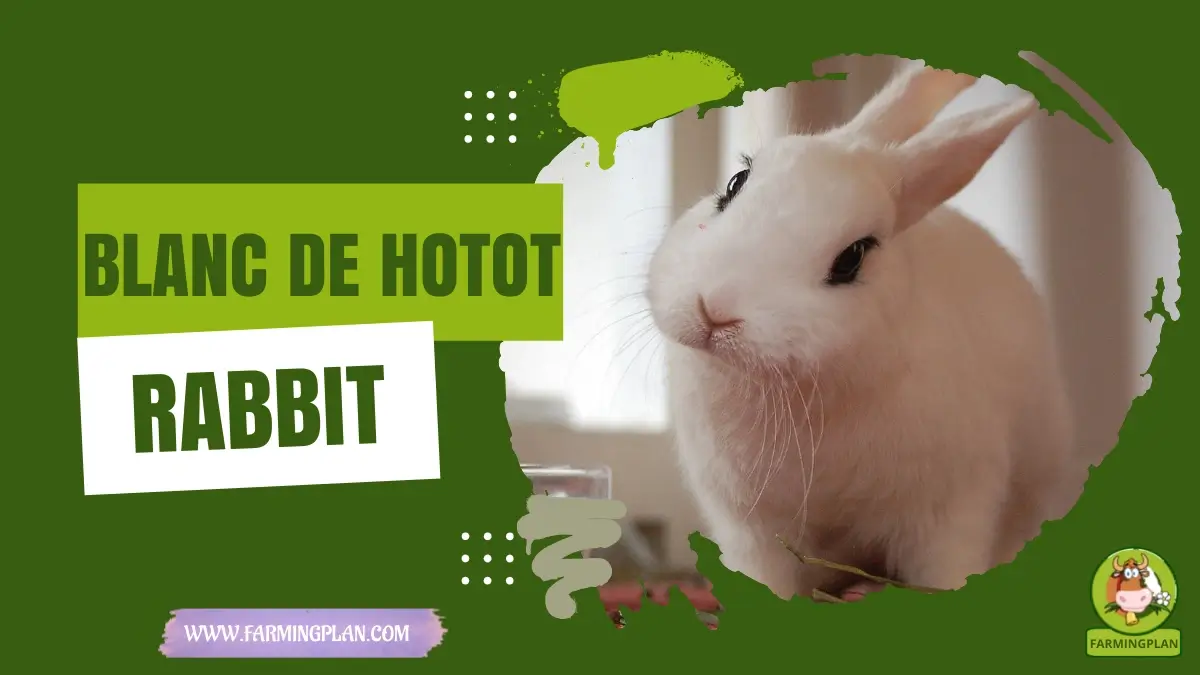
The Blanc de Hotot Rabbit is one of the most visually captivating, aristocratic heritage domestic rabbit breeds in existence. Developed in the early 20th century in Hotot-en-Auge, Normandy, France, by pioneer breeder Eugénie Bernhard, this striking dual-purpose rabbit is celebrated for its glistening snow-white coat contrasted by fine, jet-black spectacles (‘eyeliner’) encircling its dark brown eyes. Matching forage or ration quality to life stage optimizes Blanc de Hotot Rabbit growth.
Whether you are establishing an elite showroom breeding line or producing premium table meat through our comprehensive rabbit farming and cuniculture pillar, the Blanc de Hotot delivers outstanding performance. Unlike tiny dwarf Hotot novelty pets, the true standard Blanc de Hotot is a substantial, meaty commercial breed boasting deep, well-fleshed loins and active maternal instincts. Gradual dietary transitions protect digestive stability in Blanc de Hotot Rabbit.
Ranked as a Threatened heritage breed by The Livestock Conservancy, the Blanc de Hotot rewards dedicated breeders with docile temperament, fast-growing fryers, and high pelt value. In this technical husbandry manual, we analyze ARBA showroom marking standards, wire hutch engineering, fiber nutrition, kit fostering, and viral disease biosecurity.
Physical Characteristics & Breed Standards
The Blanc de Hotot possesses a well-rounded, substantial commercial body type characterized by a compact, muscular frame with full shoulders, deep ribs, and broad, well-filled hindquarters. Selecting healthy foundation stock is the cornerstone of successful Blanc de Hotot Rabbit management.
Their skeletal framework is medium-heavy, engineered to carry prime meat cuts across the back and thighs while maintaining an alert, graceful showroom posture. Good predator-proofing and dry bedding safeguard Blanc de Hotot Rabbit comfort in harsh weather.
Conformation Standards & Anatomical Structure
The head is substantial, set close to the shoulders, with well-developed cheeks and alert, dark brown eyes. The ears are thick, well-furred, carried in an upright ‘V’ shape, and measure approximately 4.75 to 5.25 inches in length. In does, a small, neatly formed dewlap is permissible.
The back rises in a gradual, smooth curve from the nape of the neck over the loin to a rounded, well-filled rump. The chest is broad and deep, indicating robust respiratory and cardiac capacity. Monitoring water quality and mineral balance directly benefits Blanc de Hotot Rabbit vitality.
The fur is a signature rollback coat of remarkable density, soft texture, and brilliant white luster. The defining hallmark is the eye bands: narrow, solid black rings measuring between 1/16 and 1/8 inch wide that encircle the eyes with precise delineation, resembling perfectly applied cosmetic eyeliner. Practical hands-on husbandry ensures consistent results when raising Blanc de Hotot Rabbit.
Size, Weight Benchmarks & Color Variations
Senior bucks weigh between 8 and 10 pounds (ideal weight 9 lbs), while senior does tip scales at 9 to 11 pounds (ideal weight 10 lbs). Junior rabbits under 6 months weigh 4.5 to 7.5 pounds.
The plumage is entirely pure, unblemished white, save for the black eye bands. Any black spots on the ears, nose, body, or feet are considered disqualifications in official ARBA showroom competitions. Early intervention at the first sign of lethargy protects overall Blanc de Hotot Rabbit flock or herd health.
Commercial meat fryers achieve weights of 4.5 to 5.0 pounds by 10 to 12 weeks of age, yielding tender, fine-grained carcasses with high dress-out percentages around 60%. Structured culling and biosecurity protocols strengthen Blanc de Hotot Rabbit genetic quality.
📊 Blanc de Hotot Rabbit Performance & Production Matrix
| Evaluation Metric | Blanc de Hotot Rabbit | Dwarf Hotot Rabbit | Californian Rabbit |
|---|---|---|---|
| ARBA Body Type | Commercial Body Type | Compact Dwarf Type | Commercial Body Type |
| Senior Doe Weight | 9.0 to 11.0 lbs (Large Meat) | 2.25 to 3.5 lbs (Tiny Pet) | 8.5 to 10.5 lbs (Commercial) |
| Eye Band Markings | Fine Black Eyeliner Rings | Fine Black Eyeliner Rings | Dark Points (Ears, nose, feet) |
| Commercial Meat Role | Excellent (Substantial fryers) | None (Strict pet/show) | Superior (Standard commercial) |
| Conservation Status | Threatened (TLC Priority) | Common Showroom Pet | Common Commercial Meat |
Breed History, Heritage & North American Development
The Blanc de Hotot was created in Normandy, France, by Eugénie Bernhard, one of the few prominent female rabbit breeders of the early 20th century. Beginning in 1902 in the commune of Hotot-en-Auge, Madame Bernhard set out to create an all-around utility rabbit that possessed pure white fur, black eyes, and superior meat yield.
Over nearly two decades, Bernhard conducted over 500 documented crosses involving Checkered Giants (Papillon Français), White Viennas, and Flemish Giants. By 1920, she stabilized the genetics, producing a rabbit that bred true for immaculate white fur accented solely by delicate black eye circles. Maintaining clean feeders and sanitized equipment supports sustainable Blanc de Hotot Rabbit care.
The breed was officially recognized in France in 1922 and quickly spread across Europe. Imported to the United States in the late 1970s, the Blanc de Hotot was accepted into the American Rabbit Breeders Association Standard of Perfection in 1979. Today, dedicated conservationists protect this rare French treasure from genetic erosion. Consistent daily observation helps keepers spot early changes in Blanc de Hotot Rabbit health and behavior.
Housing, Shelter Dimensions & Winter Hardiness
Housing Blanc de Hotot rabbits requires spacious, well-ventilated wire hutches that protect their pure white fur from manure staining while ensuring comfortable foot support.
Spatial Density & Enclosure Engineering
Provide adult Hotots with cages measuring at least 36 inches wide, 30 inches deep, and 18 inches high (7.5 square feet of floor space per rabbit). Fabricate cages using 14-gauge galvanized wire with 1/2×1-inch floor wire mesh to allow manure pellets to drop cleanly into collection trays. Clean housing, fresh water, and balanced nutrition remain essential for Blanc de Hotot Rabbit productivity.
Place poly resting floor pads (10×15 inches) in every cage to give rabbits relief from wire floors and prevent ulcerative pododermatitis. Position hutches inside a well-ventilated shelter with cross-flow ventilation that keeps relative humidity under 60% and ammonia gas strictly below 5 ppm. Tracking feed intake and body condition supports long-term Blanc de Hotot Rabbit performance.
Hotots are cold hardy down to 10°F (-12°C) when protected from freezing drafts with dry straw windbreaks. However, summer temperatures above 85°F (29°C) cause fatal heat stroke; install misting fans and provide frozen 2-liter water bottles during July and August.
Nutritional Requirements, Daily Rations & Feeding Protocols
Maintaining the Blanc de Hotot’s snow-white coat luster and substantial muscle volume requires high-fiber forage combined with complete pelleted nutrition. Following biosecurity best practices reduces disease risk in any Blanc de Hotot Rabbit operation.
Crude Protein Benchmarks Across Life Stages
Supply unlimited, free-choice first-cutting or second-cutting Timothy grass hay, meadow grass, or brome hay 24 hours a day. High-fiber long stems are essential for maintaining cecal fermentation motility and preventing gastrointestinal stasis. Seasonal adjustments to shelter and diet keep Blanc de Hotot Rabbit thriving year-round.
Supplement hay with a commercial 16% crude protein, 18% to 22% crude fiber pelleted rabbit diet. Adult bucks and dry does consume 4 to 6 ounces (115 to 170 grams) of pellets daily. Pregnant and nursing does should be free-fed pellets to sustain abundant milk production, following feed guidelines in our rabbit digestive nutrition manuals.
Supply clean drinking water daily via 32-ounce ball-point sipper bottles. A nursing Hotot doe with 8 kits consumes up to a full gallon of water daily. Proper record-keeping makes breeding and culling decisions easier for Blanc de Hotot Rabbit keepers.
Health Management, Common Diseases & Biosecurity Standards
Blanc de Hotots enjoy robust genetic health inherited from their Flemish and Vienna ancestors, but strict sanitary practices are required to prevent respiratory and parasitic issues. Providing adequate space and ventilation prevents common stress issues in Blanc de Hotot Rabbit.
Biosecurity Protocols & Veterinary Defenses
Dust manure collection trays with agricultural lime every 3 to 4 days to neutralize ammonia gas, which severely irritates rabbit respiratory passages and predisposes rabbits to *Pasteurella multocida* (‘snuffles’). Cull chronic carriers and quarantine all incoming rabbits for 30 days.
Protect your herd against Rabbit Hemorrhagic Disease Virus (RHDV2) by administering annual vaccines and eliminating wild rabbit contact. Adhere to national veterinary guidelines from the USDA APHIS Rabbit Health Standards and review hutch designs in our predator-proof rabbit hutch blueprints. Understanding breed-specific traits helps maximize Blanc de Hotot Rabbit longevity and output.
Brush coats every two weeks with a soft brush, increasing grooming frequency during seasonal molts to eliminate loose guard hairs and prevent fur-block digestive impactions. Smallholders comparing closely related stock can also review our detailed Zika Rabbit guide. Routine preventive care saves time and lowers veterinary costs for Blanc de Hotot Rabbit.
Breeding Eye-Band Genetics, Kindle Care & Kit Brooding
Breeding Blanc de Hotots presents an intriguing genetic puzzle: the eyeliner marking is governed by the piebald white spotting gene complex. Breeding two perfectly marked Hotots produces approximately 50% correctly marked kits, with some kits exhibiting complete white coats without eye bands and others showing extra dark spots.
Senior does reach breeding age at 8 to 9 months. Always bring the doe to the buck’s hutch for mating. Gestation averages 31 days. Introduce a clean wooden nest box lined with pine wood shavings and dry wheat straw on day 28. Matching forage or ration quality to life stage optimizes Blanc de Hotot Rabbit growth.
Does pull dense white chest fur to line their nests. Litters average 7 to 9 vigorous kits that grow rapidly. Kits open their eyes at 10 to 12 days and begin eating solid pellets at 3 weeks, weaning cleanly at 8 weeks. Compare mothering qualities with heritage meat breeds like the Beveren rabbit. Gradual dietary transitions protect digestive stability in Blanc de Hotot Rabbit.
US Ownership Budget & Annual Maintenance Costs
Establishing a heritage Blanc de Hotot rabbitry requires an initial capital investment in pedigree ARBA breeding stock, heavy-gauge wire cages, and recurring fiber and pellet supplies.
💰 Estimated Annual Budget & Maintenance Costs (USD)
| Budget Category | Item Description & Scope | Initial Capital Outlay | Annual Recurring Expense |
|---|---|---|---|
| Pedigreed Breeding Trio (1 Buck, 2 Does) | ARBA registered breeding stock from disease-free lineage | $200 – $360 | $0 (self-replenishing herd) |
| Spacious 3-Hole Wire Hutch System | Three 36×30-in galvanized wire cages, dropping pans & stand | $250 – $440 | $30 – $50 (wire maintenance) |
| Metal Nest Boxes & Poly Pads | Galvanized nest boxes and durable poly resting floor pads | $60 – $100 | $15 – $25 (replacements) |
| Complete Rabbit Pellets | 50-lb bags of 16% protein rabbit pellets (approx. 10 bags/year) | $26 (initial bag) | $230 – $290 |
| Timothy Grass Hay Bales | High-fiber Timothy grass hay bales (approx. 12 bales/year) | $20 | $140 – $200 |
| Sipper Water Bottles & J-Feeders | Stainless steel gravity feeders and 32-oz sipper water bottles | $50 | $20 – $35 |
| Total Blanc de Hotot Budget | Complete initial setup costs and recurring annual maintenance | $606 – $1,036 | $435 – $600 / year |
🐇 Blanc De Hotot Rabbit Daily Hay & Pellet Calculator
Calculate daily Timothy hay (unlimited bulk), pellet rations, fresh greens, and clean water intake for your Blanc De Hotot Rabbit.
Frequently Asked Questions (FAQ)
What is the difference between a Blanc de Hotot and a Dwarf Hotot?
The Blanc de Hotot is a large commercial meat breed weighing 8 to 11 pounds, while the Dwarf Hotot is a miniature pet and show breed weighing only 2 to 3.5 pounds.
How wide should the black eye bands be on a Blanc de Hotot?
Under official ARBA show standards, the black eye bands should be solid, even, and measure between 1/16 and 1/8 inch wide around each eye.
Are Blanc de Hotot rabbits good for meat production?
Yes, Blanc de Hotots are commercial-type meat rabbits that produce fast-growing, meaty fryers weighing 4.5 to 5.0 pounds by 10 to 12 weeks of age.
Why is the Blanc de Hotot rabbit endangered?
The breed suffered heavy population declines during World War II in France and was eclipsed by commercial New Zealand hybrids, leaving it on the Threatened conservation list.
What kind of fur does a Blanc de Hotot have?
They possess a rollback fur coat that is dense, soft, and glossy white with abundant guard hairs, rolling smoothly back into place when stroked.
How long do Blanc de Hotot rabbits live?
Blanc de Hotots enjoy a lifespan of 7 to 10 years when housed in clean, well-ventilated hutches and provided with high-fiber hay and balanced pellets.
Expert Verdict & Next Steps for Heritage Breeders
The Blanc de Hotot Rabbit is an extraordinary triumph of French heritage cuniculture, uniting striking showroom beauty, gentle temperament, and dependable meat yield. For breeders passionate about conserving rare livestock genetics or homesteaders who appreciate elegance in their rabbitry, the Hotot delivers immense satisfaction. Selecting healthy foundation stock is the cornerstone of successful Blanc de Hotot Rabbit management.
By providing spacious 36-inch wire cages, unlimited Timothy hay, and careful selection for crisp eye band markings, your rabbitry will thrive. Explore our complete guide to heritage meat and fur rabbit breeds to discover more historic breeds for your farm.
📚Agricultural Reference & Scientific Citations
Standards and physiological data referenced in this guide comply with American Rabbit Breeders Association (ARBA), USDA APHIS Animal Health, and the FAO Domestic Animal Diversity Information System.


