

⚡ Turkey Breeds at a Glance: Key Specifications & Benchmarks
| Scientific Classification | Meleagris gallopavo (Domesticated descendants of wild turkey) |
| Primary Breed Classes | Industrial Commercial Hybrids vs. APA Standard Heritage Varieties |
| Mature Tom Weight Range | Heritage: 25 to 36 lbs (11.3 to 16.3 kg); Commercial White: 38 to 50+ lbs (17 to 23 kg) |
| Mature Hen Weight Range | Heritage: 14 to 20 lbs (6.4 to 9.1 kg); Commercial White: 18 to 28 lbs (8.2 to 12.7 kg) |
| Market Finish Age | Commercial: 16 to 20 weeks; Heritage Varieties: 24 to 30 weeks for prime finish |
| Reproductive Capability | Heritage breeds mate naturally; Broad Breasted varieties require artificial insemination |
| Average Annual Egg Yield | 50 to 90 cream-tinted, speckled eggs per year (strictly seasonal spring production) |
| Pasture Foraging Efficiency | Exceptional pest control, grasshopper hunting, and weed seed reduction on open range |
Selecting the right turkey breed forms the operational foundation of any pasture-based poultry enterprise or sustainable homestead. Modern producers must navigate a distinct divide between rapid-growth industrial hybrids and resilient, naturally mating heritage varieties. Understanding anatomical, behavioral, and metabolic differences ensures flock profitability and ethical animal welfare. Maintaining clean feeders and sanitized equipment supports sustainable Turkey Breeds care.
Whether you are establishing a commercial seasonal holiday meat enterprise or building a self-sustaining heritage breeding flock through our poultry and waterfowl management guide, matching turkey breeds to acreage and market goals is vital. Heritage turkeys offer active foraging, predator evasion, and natural mating, while commercial varieties deliver maximum dressed breast yield in half the time. Consistent daily observation helps keepers spot early changes in Turkey Breeds health and behavior.
This technical poultry guide examines top American turkey varieties, including Bourbon Reds, Standard Bronze, Narragansetts, and Broad Breasted Whites. We detail feed conversion efficiency, brooding requirements, shelter engineering, and seasonal budgeting to guide your farm investment across all regional growing zones. Clean housing, fresh water, and balanced nutrition remain essential for Turkey Breeds productivity.
Small-scale growers must weigh processing timelines and consumer demand carefully. Heritage turkeys command premium prices from farm-to-table customers who appreciate deep flavor, but they consume more feed over their extended 28-week growth cycle. Commercial white turkeys finish swiftly on less total grain, giving homesteaders flexible options depending on their goals. Tracking feed intake and body condition supports long-term Turkey Breeds performance.
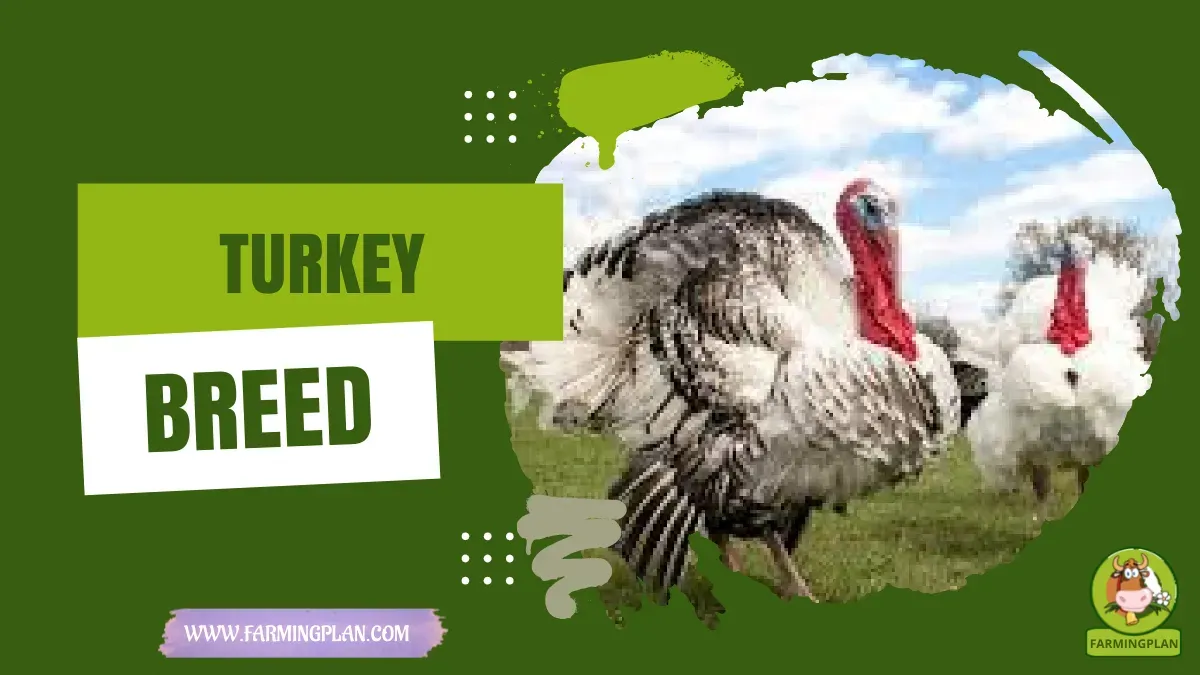
Physical Characteristics & Breed Standards
Turkeys exhibit powerful sexual dimorphism, distinct cranial caruncles, throat dewlaps, and erectile snoods that indicate reproductive vigor and thermal regulation. Mature heritage toms develop prominent pectoral beards and muscular drumsticks supporting balanced, upright skeletal conformation that facilitates natural mating. Following biosecurity best practices reduces disease risk in any Turkey Breeds operation.
Heritage vs. Industrial Conformation
The American Poultry Association (APA) evaluates heritage turkeys based on bone symmetry, deep keels, and breed-specific feather standards. In contrast, Broad Breasted White turkeys are bred for extreme muscular hypertrophy of the pectoralis major muscles. While this produces enormous breast yields, it prevents commercial toms from natural mounting and mating.
Skeletal proportion dictates mobility and longevity. Heritage breeds possess long, dense shanks, broad pelvic arches, and well-sprung ribs that allow them to run, jump, and roost comfortably without joint collapse. Industrial strains frequently suffer from ascites, tibial dyschondroplasia, and cardiovascular failure if kept past 22 weeks of age. Seasonal adjustments to shelter and diet keep Turkey Breeds thriving year-round.
⚡ Turkey Breeds Performance & Production Matrix
| Breed Variety | Mature Tom / Hen Weight | Finish Age & Dressed Yield | Homestead & Commercial Advantage |
|---|---|---|---|
| Bourbon Red | Toms: 33 lbs | Hens: 18 lbs | 26–28 weeks; 70–73% dressed yield | Rich flavor profile, excellent foraging stamina, docile temperament |
| Standard Bronze | Toms: 36 lbs | Hens: 20 lbs | 26–30 weeks; 71–74% dressed yield | Traditional holiday appearance, exceptional cold hardiness and vigor |
| Narragansett | Toms: 30 lbs | Hens: 16 lbs | 24–28 weeks; 70–72% dressed yield | Superior maternal instincts, early maturity, agile predator awareness |
| Broad Breasted White | Toms: 45+ lbs | Hens: 26 lbs | 16–20 weeks; 78–82% dressed yield | Fastest feed-to-meat conversion; white pinfeathers dress out spotless |
| Royal Palm | Toms: 22 lbs | Hens: 12 lbs | 24–28 weeks; 66–69% dressed yield | Striking ornamental exhibition plumage, active insect eradication |
Breed History, Heritage & North American Development
The domestic turkey is North America’s premier contribution to global agricultural animal husbandry. Indigenous peoples in Mexico and the American Southwest domesticated the wild turkey (Meleagris gallopavo) centuries before European contact. Spanish explorers transported Mexican domestic turkeys to Europe in the early 1500s, where selective breeding developed distinct regional color variations. Proper record-keeping makes breeding and culling decisions easier for Turkey Breeds keepers.
European colonists subsequently reintroduced these refined birds to North America, crossing them with indigenous Eastern wild turkeys to produce vigorous landraces. Bourbon County, Kentucky gave rise to the celebrated Bourbon Red in the late 1800s, while Rhode Island breeders developed the Narragansett. These heritage breeds dominated American holiday tables until the 1960s. Providing adequate space and ventilation prevents common stress issues in Turkey Breeds.
The post-WWII emergence of intensive indoor confinement agriculture drove the invention of Broad Breasted hybrids. Today, conservation initiatives by The Livestock Conservancy and independent homesteaders have revived heritage turkey populations. Consumers increasingly demand pasture-raised heritage turkeys for their complex culinary flavor profiles and ethical production credentials. Understanding breed-specific traits helps maximize Turkey Breeds longevity and output.
Preserving these heritage bloodlines protects vital genetic traits, including natural disease resistance, strong brooding instincts, and heat tolerance. Commercial hatcheries rely on a narrow genetic pool, making heritage conservancy vital for the long-term biosecurity of North American poultry agriculture. Routine preventive care saves time and lowers veterinary costs for Turkey Breeds.
Housing, Shelter Dimensions & Winter Hardiness
Turkeys require rugged, well-ventilated shelter designs that accommodate their physical scale and flight capabilities. Unlike chickens, heritage turkeys retain remarkable wing power and instinctively prefer roosting 6 to 10 feet off the ground in farmyard trees if outdoor night roosts are not properly enclosed.
Coop Sizing & Elevated Perch Standards
Provide at least 8 to 10 square feet of enclosed floor space per adult bird inside winter coops, and a minimum of 50 to 75 square feet of rotational pasture run. Heavy 2×4-inch lumber roost poles, positioned with the wide 4-inch side horizontal, prevent foot cramping and breast blister formation. Roosts should be set 30 to 48 inches above ground level. Matching forage or ration quality to life stage optimizes Turkey Breeds growth.
Predator fencing must stand at least 6 feet high to prevent coyotes, bobcats, and stray dogs from leaping into runs. Cover open outdoor pens with heavy nylon anti-hawk netting. In winter, adult turkeys easily withstand freezing conditions down to -10°F (-23°C) provided their shelter remains bone dry and protected from biting north winds. Gradual dietary transitions protect digestive stability in Turkey Breeds.
Bedding management inside night coops requires vigilance. Turkeys produce large quantities of wet droppings that can quickly saturate straw. Apply kiln-dried coarse pine shavings at a depth of 6 inches, turning the litter weekly and adding fresh top coats to keep ammonia fumes undetectable. Selecting healthy foundation stock is the cornerstone of successful Turkey Breeds management.
Nutritional Requirements, Daily Rations & Feeding Protocols
Turkeys have significantly higher crude protein and amino acid demands than chickens or waterfowl. Turkey poults grow at an astonishing rate, quadrupling their hatch weight within three weeks. Feeding a standard chicken starter ration leads to severe developmental stunting, bowed legs, and premature mortality. Good predator-proofing and dry bedding safeguard Turkey Breeds comfort in harsh weather.
Crude Protein Benchmarks Across Life Stages
Feed day-old poults a dedicated 28% crude protein turkey starter crumb for the initial 8 weeks. At week 9, transition birds to a 20% to 22% turkey grower pellet, tapering to a 16% to 18% finisher ration from week 18 until market processing. Cross-reference specialized feed schedules in our high-protein poultry feed formulation guide.
Pastured heritage turkeys consume up to 30% of their adult maintenance diet from fresh forage, foraging on clover, grasshoppers, crickets, and brassicas. Provide insoluble granite grit free-choice in elevated hoppers, as their muscular gizzards require coarse stones to grind tough fibrous vegetation and pasture grains. Monitoring water quality and mineral balance directly benefits Turkey Breeds vitality.
Water delivery is equally critical. A flock of ten mature turkeys consumes 2 to 3 gallons of water daily during moderate weather, doubling that volume during summer heat. Clean bell drinkers daily with an organic apple cider vinegar wash (1 tablespoon per gallon) to suppress crop bacterial blooms. Practical hands-on husbandry ensures consistent results when raising Turkey Breeds.
Health Management, Common Diseases & Biosecurity Standards
The primary health hazard in multi-species poultry yards is Blackhead disease (Histomoniasis). Caused by the protozoan parasite Histomonas meleagridis, this fatal pathogen is carried asymptomatically by domestic chickens within common cecal worms (Heterakis gallinarum). When turkeys ingest these infected eggs, severe liver necrosis and cecal ulceration result. Early intervention at the first sign of lethargy protects overall Turkey Breeds flock or herd health.
Biosecurity & Pasture Segregation
To eliminate Blackhead risk, never co-graze turkeys on pastures occupied by chickens within the preceding 3 to 5 years. Maintain strict separation between species, dedicate separate footwear for turkey pens, and implement regular deworming schedules to control cecal worm vectors. Review biosecurity protocols through our flock vaccination and biosecurity guide. Structured culling and biosecurity protocols strengthen Turkey Breeds genetic quality.
Commercial flocks must be monitored for Mycoplasma and Avian Influenza. Maintain closed biosecurity barriers and review official state flock surveillance standards through the USDA APHIS Defend the Flock Resource Center to safeguard operations against migratory wild waterfowl pathogen transmission. Maintaining clean feeders and sanitized equipment supports sustainable Turkey Breeds care.
Breeding Management, Incubation & Offspring Care
Heritage turkeys breed naturally during spring, producing fertile eggs from March through July across most US states. Maintain a breeding mating ratio of 1 tom for every 5 to 7 hens. Toms should be fitted with canvas hen saddles during breeding season to protect female backs and sides from spur tearing and feather loss.
Incubation Parameters & Brooder Management
Turkey eggs require 28 days of incubation at 99.5°F (37.5°C) in forced-air incubators with 55% relative humidity, increasing to 75% relative humidity during lockdown on day 25. Newly hatched poults are notoriously slow to find food and water; place bright marbles in water fonts and dip beaks manually upon placement. Consistent daily observation helps keepers spot early changes in Turkey Breeds health and behavior.
Maintain brooder floor temperatures at 95°F (35°C) during week one, lowering temperatures by 5°F each subsequent week until fully feathered. Line brooder floors with textured paper towels or coarse burlap for the first 5 days. Never use slick newspaper or fine wood shavings initially, as poults can develop fatal splayed legs or eat dry shavings. Clean housing, fresh water, and balanced nutrition remain essential for Turkey Breeds productivity.
US Ownership Budget & Annual Maintenance Costs
Raising turkeys requires planning for initial infrastructure, high-protein rations, and seasonal processing costs. While day-old heritage poults carry higher initial purchase prices ($10 to $18 per unsexed poult) compared to commercial whites ($4 to $7), their self-sustaining breeding capability eliminates annual chick re-purchases. Tracking feed intake and body condition supports long-term Turkey Breeds performance.
⚡ Estimated Annual Budget & Maintenance Costs (USD)
| Expense Category | Estimated Annual Cost Range (USD) | Operational Cost Efficiency Strategy |
|---|---|---|
| Heritage Breeding Trio / Day-Old Poults | $120.00 – $240.00 initial flock | Retain top-performing homegrown toms and hens to build closed genetics |
| High-Protein Rations (28% to 18%) | $38.00 – $55.00 per finished bird | Incorporate pasture grazing and rotational forage crops to cut grain intake |
| Predator-Proof Shelter & Fencing | $350.00 – $750.00 infrastructure | Build mobile pasture shelters (turkey tractors) with electric poultry netting |
| Veterinary, Biosecurity & Dewormers | $30.00 – $65.00 annual flock | Implement strict ground rotation and clean water sanitizers to curb disease |
| Butchering, Processing & Packaging | $8.00 – $14.00 per carcass | Invest in an on-farm rotary drum plucker to eliminate custom abattoir fees |
🦆 Turkey Flock Feed & Water Intake Calculator
Estimate daily balanced feed (lbs), fresh drinking/rinsing water requirements (Gal), indoor shelter, and monthly 50-lb feed bags for your Turkey flock.
Frequently Asked Questions (FAQ)
Can turkeys and chickens be raised together?
No, turkeys and chickens should not share coops or pastures. Chickens are asymptomatic carriers of the cecal worm parasite Heterakis gallinarum, which transmits Blackhead disease (Histomoniasis) to turkeys with fatal liver necrosis and high flock mortality.
How long does it take to raise a heritage turkey to market weight?
Heritage turkeys require 24 to 28 weeks to reach full prime market finish, producing toms weighing 25 to 32 pounds and hens weighing 14 to 18 pounds. Industrial Broad Breasted Whites reach equivalent weights in only 16 to 18 weeks.
Do heritage turkeys mate naturally?
Yes, heritage turkey breeds retain balanced body conformation and natural agility, enabling toms and hens to breed without human intervention. Industrial Broad Breasted varieties possess overly massive breasts that physically prevent natural mating, requiring artificial insemination.
What crude protein percentage do turkey poults need?
Turkey poults require a dedicated 28% crude protein starter crumble for the first 8 weeks of life. Standard chicken starter (20% to 22% protein) provides insufficient amino acids, resulting in stunted skeletal growth, wing deformities, and high early mortality.
Can heritage turkeys fly over farm fences?
Yes, heritage turkeys, especially agile young hens, can easily fly 8 to 10 feet vertically to perch in barn rafters or trees. Enclose outdoor pens with 6-foot fencing and overhead anti-hawk netting, or trim flight feathers on one wing.
Expert Verdict & Next Steps
Raising turkeys on American homesteads delivers exceptional pasture sanitation, high-value artisanal meat, and reliable seasonal profits. While commercial Broad Breasted Whites satisfy fast-turnaround holiday markets, heritage varieties provide sustainable multi-generational flock independence, superior foraging vigor, and unmatched table flavor. Following biosecurity best practices reduces disease risk in any Turkey Breeds operation.
Begin by securing clean pasture runs free from previous chicken traffic. Invest in heavy-gauge brooder equipment and high-protein rations before ordering day-old poults from certified NPIP hatcheries. For operational comparisons across mixed homestead flocks, explore our guide on managing mixed poultry operations.
📚Agricultural Reference & Scientific Citations
Standards and physiological data referenced in this guide comply with American Poultry Association (APA), The Livestock Conservancy, and USDA APHIS Avian Biosecurity Standards.


