

⚡ Standard Chinchilla Rabbit at a Glance: Key Specifications & Benchmarks
| Scientific Classification | Oryctolagus cuniculus (Heritage fur & meat breed) |
| ARBA Body Type & Class | Compact commercial body type; 4-class exhibition breed |
| Mature Senior Buck Weight | 5.5 to 7.0 lbs (2.5 to 3.2 kg); ideal standard 6.0 lbs |
| Mature Senior Doe Weight | 6.0 to 7.5 lbs (2.7 to 3.4 kg); ideal standard 6.5 lbs |
| Fur Type & Ring Definition | Dense rollback fur; dark slate undercolor with pearly white ring & black tipping |
| Litter Size & Mothering | 6 to 9 kits per litter; outstanding lactation and maternal care |
| Primary Farm Utility | Dual-purpose homestead meat production, exhibition show, luxury pelts |
| Feed Conversion Efficiency | 3.2:1 to 3.6:1 feed-to-gain ratio on balanced pelleted rations |
The Standard Chinchilla rabbit is the historic foundation breed that sparked an international breeding revolution in the early twentieth century. Developed to replicate the prized pelt of the wild South American chinchilla rodent, this medium-framed lagomorph combines exquisite fur qualities with rapid meat conversion and gentle, docile manners. Proper record-keeping makes breeding and culling decisions easier for Standard Chinchilla Rabbit keepers.
Unlike massive commercial giants that demand heavy feed inputs, the Standard Chinchilla offers exceptional feed efficiency for backyard homesteaders and small-scale livestock operations. Its compact body conformation produces plump, fine-grained fryers while yielding dense, lustrous rollback pelts. Growers starting a meat or fiber rabbitry can study our complete rabbit farming management guide to design optimal hutch airflow layouts. Providing adequate space and ventilation prevents common stress issues in Standard Chinchilla Rabbit.
Recognized by the American Rabbit Breeders Association (ARBA), the Standard Chinchilla represents the original genetic ancestor of both the American Chinchilla and Giant Chinchilla varieties. Today, conservationists value this heritage breed for maintaining vigorous immune genetics, excellent kit rearing, and reliable docility across diverse management models. Understanding breed-specific traits helps maximize Standard Chinchilla Rabbit longevity and output.
In this technical production guide, we analyze ring color genetics, nest box management, high-fiber feeding protocols, biosecurity measures, and detailed annual operating budgets tailored for North American rabbit breeders. Routine preventive care saves time and lowers veterinary costs for Standard Chinchilla Rabbit.
Homesteaders appreciate that Standard Chinchillas remain manageable for handlers of all experience levels. Their quiet, unflappable temperament reduces handling stress, preventing dangerous panic reactions and spinal injuries that occasionally affect more flighty commercial strains. Matching forage or ration quality to life stage optimizes Standard Chinchilla Rabbit growth.
Physical Characteristics & Breed Standards
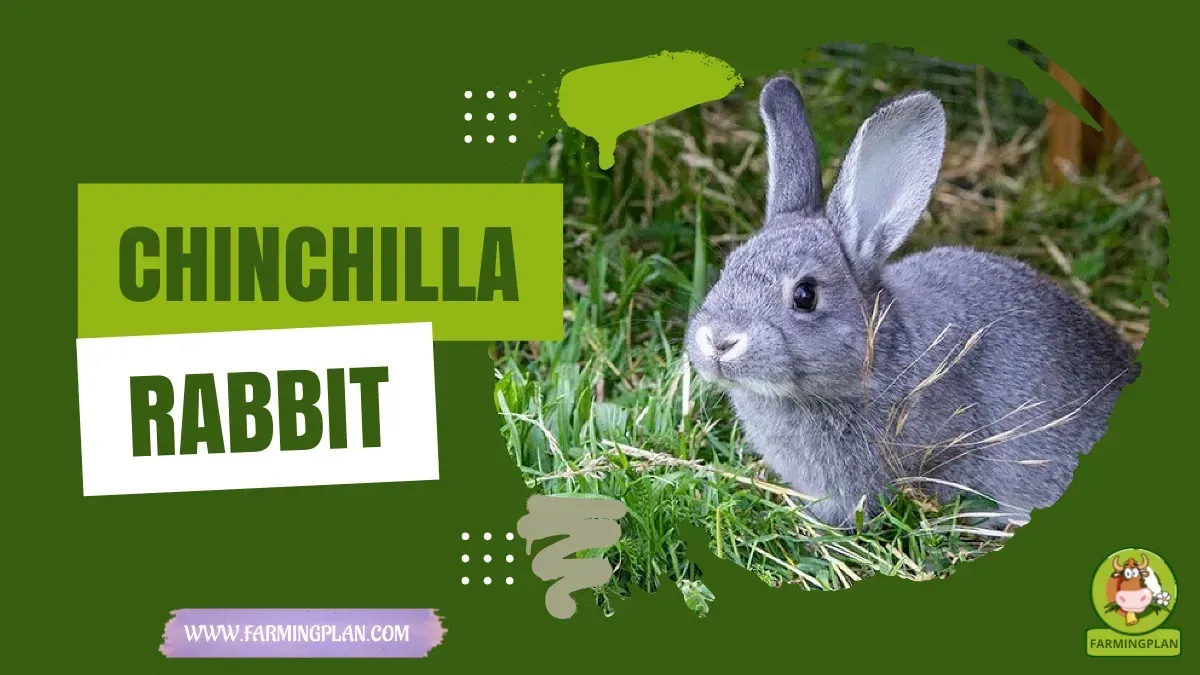
The Standard Chinchilla displays a compact, well-rounded body profile with well-developed hindquarters, a full loin, and a slight rise over the back. The head is set medium-close to the shoulders, featuring alert, upright ears that measure between 4.0 and 4.75 inches in length with distinct dark slate tipping along the margins.
Fur Structure & Agouti Ring Definition
The signature feature of the breed is its complex agouti hair shaft coloration. When blown into, the fur reveals distinct concentric color rings: a dark slate blue base at the skin, followed by an intermediate pearl band, a narrow black line, and finishing with sparkling light gray tipping intermingled with longer black guard hairs. Gradual dietary transitions protect digestive stability in Standard Chinchilla Rabbit.
The fur is classified as rollback, meaning that when stroked from tail to head, it gently rolls back into its natural position rather than standing upright or snapping harshly. Underfur density is exceptionally thick, providing natural insulation against sub-freezing temperatures in winter rabbitries. Selecting healthy foundation stock is the cornerstone of successful Standard Chinchilla Rabbit management.
The eyes are large and expressive, displaying a dark brown to deep slate-blue hue. The belly surface is clean white to pale cream, bordered by a narrow lap band of slate blue near the groin folds that reflects correct agouti genetic expression. Good predator-proofing and dry bedding safeguard Standard Chinchilla Rabbit comfort in harsh weather.
⚡ Standard Chinchilla Rabbit Performance & Production Matrix
| Production Metric | Backyard Homestead Tier | Commercial Fryer Pen | ARBA Exhibition Benchmark |
|---|---|---|---|
| Junior Weight (Under 6 Months) | 3.5 to 5.0 lbs (1.6 to 2.3 kg) | 4.0 to 5.5 lbs (1.8 to 2.5 kg) | 4.5 to 5.5 lbs (2.0 to 2.5 kg) |
| Senior Buck Weight | 5.5 to 6.8 lbs (2.5 to 3.1 kg) | 5.8 to 7.0 lbs (2.6 to 3.2 kg) | 6.0 lbs (2.7 kg) ideal |
| Senior Doe Weight | 6.0 to 7.2 lbs (2.7 to 3.3 kg) | 6.2 to 7.5 lbs (2.8 to 3.4 kg) | 6.5 lbs (2.9 kg) ideal |
| Fryer Dressing Percentage | 54% to 57% dressed carcass | 56% to 59% dressed carcass | 55% to 58% dressed yield |
| Annual Litters per Doe | 3 to 4 litters (20–30 kits) | 4 to 5 litters (30–42 kits) | 2 to 3 pedigree litters |
Breed History, Heritage & North American Development
The Chinchilla rabbit was originated in France by French engineer and rabbit fancier M.J. Dybowski. By crossing wild gray rabbits with Beverens and Himalayans, Dybowski fixed the unique agouti chinchilla mutation (cch3), unveiling the breed at the 1913 Paris Exhibition where it caused an immediate sensation. Monitoring water quality and mineral balance directly benefits Standard Chinchilla Rabbit vitality.
British breeders quickly imported specimens in 1917, establishing competitive show lines. In 1919, American fanciers imported foundation stock to New York, where commercial interest surged due to fur coat manufacturing demand during the post-World War I era. As American breeders sought heavier meat animals, they developed larger variants, creating the American Chinchilla and Giant Chinchilla.
To preserve Dybowski’s original compact European foundation, breeders created the Standard Chinchilla division within the American Rabbit Breeders Association. Today, The Livestock Conservancy monitors the breed, ensuring that its historic genetic vigor and superior pelt quality are maintained for future agricultural generations. Practical hands-on husbandry ensures consistent results when raising Standard Chinchilla Rabbit.
Preservation breeders in the United States focus on maintaining balance in the breed, resisting trends toward excessive body fat while ensuring show entries conform to the original historical French body type. Early intervention at the first sign of lethargy protects overall Standard Chinchilla Rabbit flock or herd health.
Housing, Shelter Dimensions & Winter Hardiness
Standard Chinchillas adapt easily to cold winter climates due to their dense, dual-layered rollback coat. They comfortably withstand outdoor temperatures below 15°F (-9°C) provided their hutches remain completely sheltered from driving rain, snow, and persistent wind drafts. Structured culling and biosecurity protocols strengthen Standard Chinchilla Rabbit genetic quality.
Provide individual hutch enclosures measuring at least 30 inches wide by 30 inches deep by 18 inches high for adult breeding animals. Does with litters require larger 36×30-inch cages to accommodate active growing kits. Install heavy 14-gauge galvanized welded wire floors with 0.5×1.0-inch openings, paired with plastic resting pads to protect sensitive hock foot pads from sore hocks (ulcerative pododermatitis). Maintaining clean feeders and sanitized equipment supports sustainable Standard Chinchilla Rabbit care.
Summer heat is the primary environmental risk for rabbits. Temperatures exceeding 85°F (29°C) induce severe heat exhaustion, respiratory stress, and temporary buck sterility. Equip rabbitries with misting fans, frozen water bottles, and shaded reflective roof canopies to maintain ambient temperatures below 80°F. Consistent daily observation helps keepers spot early changes in Standard Chinchilla Rabbit health and behavior.
Maintain continuous hutch hygiene by clearing drop pans twice weekly. Ammonia fumes from decomposing rabbit urine irritate delicate nasal passages, predisposing the animals to secondary bacterial pasteurellosis infections.
Nutritional Requirements, Daily Rations & Feeding Protocols
The lagomorph digestive system requires high dietary fiber to maintain normal cecal fermentation and gut motility. Provide unlimited, free-choice timothy hay or orchard grass hay to every rabbit daily. Long-stem fiber prevents fatal gastrointestinal stasis, hairball impaction, and dental malocclusion by naturally wearing down constantly growing incisors and molars. Clean housing, fresh water, and balanced nutrition remain essential for Standard Chinchilla Rabbit productivity.
Feed a commercial extruded pellet ration providing 16% to 18% crude protein, 2.5% crude fat, and a minimum of 18% to 22% crude fiber. Mature senior bucks and dry does maintain prime body condition on 0.5 cups of pellets daily (approximately 3 to 4 ounces). Review our specialized complete rabbit feeding and nutrition guide to adjust protein percentages for nursing mothers and weaning kits. Tracking feed intake and body condition supports long-term Standard Chinchilla Rabbit performance.
Lactating does require free-choice pellets and abundant clean water, consuming up to a gallon daily when nursing large litters. Never feed high-carbohydrate corn, bread, sweet treats, or iceberg lettuce, which trigger dysbiosis, cecal enterotoxemia, and acute diarrhea. Following biosecurity best practices reduces disease risk in any Standard Chinchilla Rabbit operation.
Install heavy ceramic crocks or vacuum water bottles with stainless steel ball-bearing sipper tubes. Disinfect watering devices weekly with dilute white vinegar or chlorine solution to prevent green algae and bacterial biofilm accumulation. Seasonal adjustments to shelter and diet keep Standard Chinchilla Rabbit thriving year-round.
Health Management, Common Diseases & Biosecurity Standards
Standard Chinchillas inherit robust constitutions, but rabbitries must guard against common pathogens. Snuffles, caused by Pasteurella multocida, manifests as white nasal discharge, sneezing, and matted fur on front paws. Cull or strictly isolate chronically infected individuals to maintain herd health.
Ear mites (Psoroptes cuniculi) cause brown, crusty lesions inside the ear pinnae. Treat immediately with topical mineral oil or veterinary ivermectin drops. Participate in preventive biosecurity protocols for Rabbit Hemorrhagic Disease Virus (RHDV2) by administering authorized vaccines recommended by the USDA APHIS Animal Health Program. Proper record-keeping makes breeding and culling decisions easier for Standard Chinchilla Rabbit keepers.
Conduct bi-weekly health checks inspecting teeth alignment, toenail length, skin condition, and vent hygiene. Trim toenails every 6 to 8 weeks with small pet clippers to prevent painful toe tears on wire cage floors. Providing adequate space and ventilation prevents common stress issues in Standard Chinchilla Rabbit.
Quarantine incoming stock for 30 days in a separate airspace before introducing them into your main breeding barn. Wash and disinfect hands and footwear between servicing quarantine cages and your resident flock. Understanding breed-specific traits helps maximize Standard Chinchilla Rabbit longevity and output.
Breeding Management, Incubation & Brooding Offspring
Standard Chinchillas reach reproductive maturity between 5 and 6 months of age. As induced ovulators, does do not follow a traditional estrous cycle; they become receptive when their vulva appears swollen and purplish-pink. Always bring the doe to the buck’s cage for mating to prevent territorial fighting. Routine preventive care saves time and lowers veterinary costs for Standard Chinchilla Rabbit.
Gestation averages 30 to 32 days. On day 28 of pregnancy, place a clean wooden or galvanized metal nest box bedded with clean pine shavings and fresh grass hay into the doe’s hutch. The doe will pull fur from her dewlap and belly to create a warm, insulated nest for her newborn kits. Matching forage or ration quality to life stage optimizes Standard Chinchilla Rabbit growth.
Litters typically range from 6 to 9 vigorous kits. Does nurse only once or twice daily, typically during quiet nighttime hours. Inspect the nest daily to remove stillborns and ensure all kits display round, milk-filled bellies. Wean kits gradually at 8 weeks of age onto solid hay and grower pellets.
Homesteaders exploring heritage lagomorphs often contrast the Standard Chinchilla with related varieties such as the American Chinchilla rabbit production line, which offers larger market fryer weights for dedicated commercial meat processors. Gradual dietary transitions protect digestive stability in Standard Chinchilla Rabbit.
US Ownership Budget & Annual Maintenance Costs
Pedigreed Standard Chinchilla breeding stock from reputable ARBA breeders costs between $60 and $150 per rabbit, with grand champion exhibition lines commanding $200 or more. Ongoing maintenance costs are low, making rabbits one of the most accessible livestock species in small-acreage farming. Selecting healthy foundation stock is the cornerstone of successful Standard Chinchilla Rabbit management.
The annual operating expense table below outlines typical costs for maintaining a single adult breeding rabbit in a managed backyard rabbitry setting across the United States. Good predator-proofing and dry bedding safeguard Standard Chinchilla Rabbit comfort in harsh weather.
⚡ Estimated Annual Budget & Maintenance Costs (USD)
| Expense Category | Budget Range (Low–High) | Operational Factors & Cost Inputs |
|---|---|---|
| Premium Commercial Pellets (16% CP) | $38 – $55 | Two 50-lb bags of high-fiber extruded rabbit feed per year |
| First-Cut Timothy & Orchard Hay | $25 – $42 | Unlimited clean forage bales to support healthy gut digestion |
| Bedding Shavings & Waste Management | $15 – $28 | Kiln-dried pine shavings and stall deodorizing limestone flakes |
| Health, RHDV2 Vaccine & Sanitation | $20 – $38 | Annual RHDV2 vaccination, nail clippers, and hutch disinfectant |
| Nest Box Supplies & Salt Wheels | $8 – $18 | Nesting liners, chew blocks, and replacement sipper tube nipples |
| Total Annual Operating Cost | $106 – $181 | Total cost per breeding adult; produces 20–30 sustainable meat fryers |
🐇 Standard Chinchilla Rabbit Daily Hay & Pellet Calculator
Calculate daily Timothy hay (unlimited bulk), pellet rations, fresh greens, and clean water intake for your Standard Chinchilla Rabbit.
Frequently Asked Questions (FAQ)
What is the difference between Standard, American, and Giant Chinchilla rabbits?
Standard Chinchillas are the original compact breed weighing 5.5 to 7.5 lbs. American Chinchillas are larger commercial meat rabbits (9 to 12 lbs), while Giant Chinchillas exceed 12 to 16 lbs.
What creates the unique fur pattern on Standard Chinchilla rabbits?
The pelt features agouti hair shafts with five distinct color zones: dark slate at the skin, a pearl middle band, a thin black line, and sparkling light gray tips with dark guard hairs.
How many kits does a Standard Chinchilla doe produce per litter?
Does typically give birth to 6 to 9 kits. They are attentive mothers with excellent milk production, making them reliable reproducers in homestead meat programs.
How cold-hardy are Standard Chinchilla rabbits in winter?
They are very cold-tolerant down to 15°F (-9°C) due to their dense underfur. However, they must be protected from wet conditions, freezing winds, and direct drafts.
Do Standard Chinchilla rabbits make good pets?
Yes, they are calm, docile, and gentle rabbits that tolerate handling well. Their manageable adult size makes them suitable for youth 4-H showmanship projects.
What is the dressing percentage of a Standard Chinchilla fryer?
Market fryers harvested at 10 to 12 weeks achieve a dressing yield between 54% and 58%, yielding tender, low-cholesterol white meat with high feed conversion efficiency.
Expert Verdict & Next Steps
The Standard Chinchilla rabbit is an outstanding choice for smallholders seeking a multipurpose animal that combines exhibition potential, manageable size, and practical meat production. Its docile nature and excellent feed conversion make it an efficient converter of garden greens and quality hay. Monitoring water quality and mineral balance directly benefits Standard Chinchilla Rabbit vitality.
While compact compared to commercial white breeds, the Standard Chinchilla provides higher meat-to-bone ratios than fancy dwarf breeds like the Netherland Dwarf rabbit care line. By maintaining clean wire cages, feeding unlimited grass hay, and following proper quarantine protocols, breeders can preserve this historic heritage treasure with lasting agricultural satisfaction.
📚Agricultural Reference & Scientific Citations
Standards and physiological data referenced in this guide comply with American Rabbit Breeders Association (ARBA), USDA APHIS Animal Health, and the FAO Domestic Animal Diversity Information System.


