

⚡ Ovine Health at a Glance: Key Physiological & Diagnostic Benchmarks
| Normal Rectal Temperature | 102.0°F to 103.5°F (38.9°C to 39.7°C); temperatures above 104.0°F signal acute systemic fever |
| Resting Respiration & Heart Rate | 16 to 34 breaths per minute; resting pulse 70 to 80 beats per minute |
| Core Flock Vaccination | CD&T toxoid (Clostridium perfringens Types C & D plus Clostridium tetani) |
| Primary Internal Parasite | Haemonchus contortus (Barber pole worm), causing fatal blood loss anemia |
| Parasite Diagnostic Standard | FAMACHA ocular membrane scoring (Grades 1–5); targeted selective deworming |
| Contagious Hoof Pathogen | Dichelobacter nodosus acting synergistically with Fusobacterium necrophorum |
| Critical Metabolic Risk | Pregnancy toxemia (ketosis) in late gestation ewes carrying multiple fetuses |
| Mandatory Quarantine Period | 30 to 45 days in isolated paddock with strict biosecurity for incoming livestock |
When planning sheep diseases management, maintaining vigorous flock health is the cornerstone of sustainable commercial sheep farming. Sheep (Ovis aries) possess a stoic herd mentality that evolved to disguise sickness from apex predators. As a result, when an individual sheep displays outward clinical signs of distress—such as social isolation, teeth grinding, or head drooping—the underlying disease has frequently progressed to an advanced, life-threatening stage.
Successful flock managers stay ahead of mortality through early diagnostic recognition, disciplined vaccination schedules, and strategic pasture sanitation. Integrating practical disease management protocols through our comprehensive sheep farming guide equips producers to spot subclinical warnings before contagious pathogens sweep across the pasture. Matching forage or ration quality to life stage optimizes sheep diseases growth. Gradual dietary transitions protect digestive stability in sheep diseases.
Unchecked internal parasitism, virulent footrot, and clostridial toxemia represent the primary economic drains on small ruminant operations. Establishing rigid biosecurity perimeters, mastering FAMACHA anemia checks, and adhering to strict nutritional balancing protect your capital investment. This clinical manual delivers actionable protocols for diagnosing, treating, and preventing high-impact sheep diseases. Selecting healthy foundation stock is the cornerstone of successful sheep diseases management.
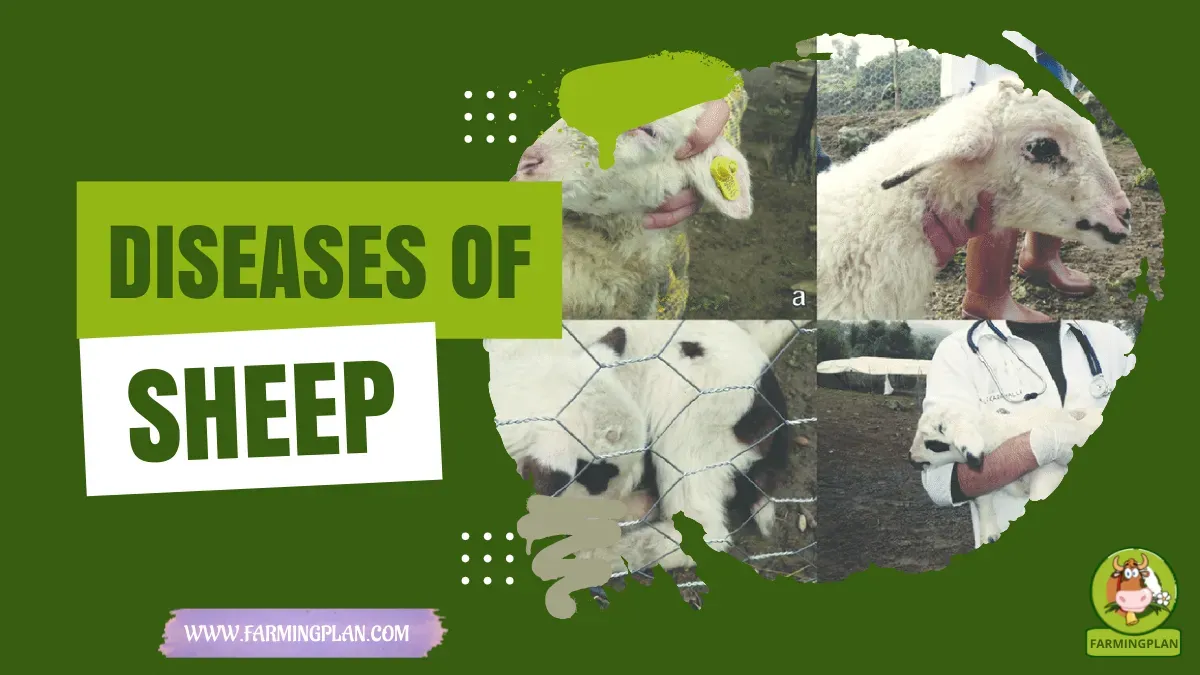
Ovine Disease Etiology & Clinical Pathology Matrix
Ovine pathologies fall into four broad biological categories: infectious bacterial infections, viral pathogens, internal/external parasites, and metabolic disturbances. Understanding how these disease vectors manifest enables swift triage and prevents costly misdiagnoses. Prioritizing genetics by reviewing resilient foundation animals in our sheep breeds directory builds natural disease tolerance into your herd. Good predator-proofing and dry bedding safeguard sheep diseases comfort in harsh weather.
📊 Ovine Pathogen Classification & Clinical Overview
| Disease Category | Common Conditions | Primary Transmission Route | Pathognomonic Clinical Signs |
|---|---|---|---|
| Clostridial (Bacterial) | Enterotoxemia (Type D), Tetanus, Blackleg | Soil spores, sudden carbohydrate grain overload, puncture wounds | Sudden death, opisthotonos (stargazing), convulsions, muscular rigidity |
| Gastrointestinal Parasites | Barber pole worm, Nematodirus, Coccidiosis | Ingestion of infective L3 larvae from grass blade tips, contaminated water | Pale conjunctiva (anemia), submandibular edema (bottle jaw), watery scours |
| Podal (Hoof Infections) | Contagious Footrot, Interdigital Foot Scald | Muddy pastures, Dichelobacter nodosus carrier sheep hooves | Extreme lameness, foul interdigital odor, detachment of hoof horn wall |
| Respiratory (Bacterial/Viral) | Pasteurellosis, Ovine Progressive Pneumonia (OPP) | Aerosol droplets, poor barn air exchange, infected colostrum/milk | Panting, nasal mucopurulent discharge, chronic emaciation, hard bag mastitis |
| Metabolic / Nutritional | Pregnancy Toxemia, Hypocalcemia, Polioencephalomalacia | Negative energy balance, abrupt feed shifts, thiamine breakdown | Lethargy, sweet ketotic breath, muscle tremors, blindness, recumbency |
Clostridial Infections & Core Flock Vaccination Protocols
Clostridial organisms are anaerobic, spore-forming soil bacteria that produce lethal exotoxins inside sheep tissues. Because clostridia reside naturally in the ovine gut and farm soil, eradication is impossible. Routine immunization using commercial CD&T bacterin-toxoid vaccines represents the single most cost-effective preventive measure in livestock management. Monitoring water quality and mineral balance directly benefits sheep diseases vitality.
Enterotoxemia (Overeating Disease / Pulpy Kidney)
Caused by Clostridium perfringens Type D, enterotoxemia strikes rapidly growing feeder lambs and nursing twins consuming rich rations or lush spring pasture. Rapid starch fermentation triggers explosive proliferation of bacterial populations, unleashing epsilon toxin that increases intestinal permeability and damages vascular endothelial tissue. Death frequently occurs within two hours, leaving pulpy, necrotic kidneys upon necropsy. Practical hands-on husbandry ensures consistent results when raising sheep diseases. Early intervention at the first sign of lethargy protects overall sheep diseases flock or herd health.
Tetanus (Lockjaw) & Blackleg
Clostridium tetani produces neurotoxins following deep puncture wounds, tail docking, or elastrator castration. Affected animals show rigid spastic paralysis, locked jaws, protruding third eyelids, and violent sound sensitivity. Immunize pregnant ewes 4 to 6 weeks before lambing with CD&T to pass maternal antibodies through colostrum, followed by lamb vaccination at 6 to 8 weeks with a mandatory booster 3 to 4 weeks later. Structured culling and biosecurity protocols strengthen sheep diseases genetic quality.
Internal Parasite Control, Barber Pole Worm & FAMACHA Scoring
The blood-feeding abomasal nematode Haemonchus contortus (barber pole worm) is the most destructive parasite affecting sheep in warm, humid regions. A single adult female worm deposits up to 10,000 eggs per day and consumes 0.05 mL of ovine blood daily. Massive infestations rapidly deplete red blood cells, causing hypoproteinemia, severe lethargy, and submandibular edema known as “bottle jaw.” Maintaining clean feeders and sanitized equipment supports sustainable sheep diseases care.
FAMACHA Ocular Mucous Membrane Scoring
Rather than treating the entire flock indiscriminately—which accelerates parasite anthelmintic resistance—producers employ the five-point FAMACHA eye scoring chart. By rolling down the lower eyelid and comparing mucous membrane coloration against standard color swatches, managers assess individual anemia levels: Consistent daily observation helps keepers spot early changes in sheep diseases health and behavior.
- Score 1 (Optimal): Robust dark red mucous membrane; zero anemia (no anthelmintic treatment needed).
- Score 2 (Acceptable): Healthy red-pink membrane; normal packed cell volume (no treatment needed).
- Score 3 (Borderline): Pale pink membrane; monitor closely or deworm if lambing/lactating.
- Score 4 (Danger): Chalky pink-white membrane; immediate deworming required to prevent mortality.
- Score 5 (Severe Anemia): Stark white membrane; emergency combination deworming and supportive therapy needed.
Combine targeted selective treatment with smart pasture rotations. Rearing sheep on clean ground and rotating pastures every 4 to 6 days breaks the parasite lifecycle, keeping sheep above the 3-inch forage zone where 80% of infective larvae concentrate. Pairing rotational grazing with precision rations outlined in our sheep feeding guide optimizes immune resilience against worm burdens. Clean housing, fresh water, and balanced nutrition remain essential for sheep diseases productivity. Tracking feed intake and body condition supports long-term sheep diseases performance.
Contagious Footrot, Scald & Hoof Health Management
Footrot is an infectious, highly contagious podal disease responsible for profound economic loss in commercial sheep flocks. Transmission occurs when warm, moist soil softens the interdigital skin, permitting the soil bacterium Fusobacterium necrophorum to trigger foot scald. If virulent strains of Dichelobacter nodosus are introduced via carrier livestock, the organism invades the hoof matrix, producing proteolytic enzymes that digest keratin horn tissue. Following biosecurity best practices reduces disease risk in any sheep diseases operation.
Diseased sheep exhibit severe, painful lameness, frequently grazing on their knees. A distinctive, putrid necrotic odor accompanies the detachment of the sole and outer hoof horn. Eradicating footrot requires a rigorous flock protocol: Seasonal adjustments to shelter and diet keep sheep diseases thriving year-round.
- Aggressive Hoof Trimming: Pare away detached, undermined hoof horn to expose anaerobic bacteria to atmospheric oxygen.
- Zinc Sulfate Footbaths: Walk sheep through a 10% zinc sulfate (ZnSO4) solution containing a wetting agent, allowing 15 to 30 minutes of standing contact.
- Dry Pen Confinement: Hold treated sheep in clean, dry pens for at least one hour post-soak to allow zinc crystallization within hoof tissue.
- Culling Unresponsive Carriers: Cull chronic non-responders that harbor deep bacterial pockets and continuously contaminate farm pastures.
Respiratory Diseases, Viral Pathogens & Biosecurity
Ovine respiratory disease complex frequently emerges following environmental stress, poor barn ventilation, or sudden weather fluctuations. Pneumonic pasteurellosis, triggered by Mannheimia haemolytica and Bibersteinia trehalosi, causes rapid fibrinous pleuropneumonia characterized by high fever (105°F–107°F), painful shallow coughing, and serous to purulent nasal discharge. Early intervention with florfenicol or oxytetracycline is essential to prevent permanent lung consolidation. Proper record-keeping makes breeding and culling decisions easier for sheep diseases keepers.
Ovine Progressive Pneumonia (OPP) is a chronic lentiviral infection causing progressive wasting, labored respiration, and indurative mastitis (“hard bag”). Contagious ecthyma (Sore Mouth / Orf) is a zoonotic parapoxvirus producing painful scabs on lamb lips and ewe teats. For comprehensive disease surveillance and federal small ruminant health guidelines, consult the official USDA APHIS National Sheep Health Management Portal. Providing adequate space and ventilation prevents common stress issues in sheep diseases.
Proper barn engineering minimizes respiratory pathogen spread. In winter lambing sheds, continuous air exchange must remove excess ammonia and humidity without blowing cold drafts onto newborn lambs. Review structural blueprints and ventilation systems in our sheep housing guide. Understanding breed-specific traits helps maximize sheep diseases longevity and output. Routine preventive care saves time and lowers veterinary costs for sheep diseases.
Metabolic Disorders & Reproductive Flock Management
Metabolic disorders predominantly strike ewes during the final 4 to 6 weeks of gestation and early lactation, when fetal growth and colostrogenesis demand massive glucose and calcium supplies. Maintaining accurate body condition scoring (BCS 3.0 to 3.5 on a 5-point scale) prevents both underconditioned and excessively fat ewes. Matching forage or ration quality to life stage optimizes sheep diseases growth.
Pregnancy toxemia (twin lamb disease / ketosis) develops when pregnant ewes carrying twins or triplets cannot consume enough energy to match fetal demands. The ewe mobilizes body fat reserves, flooding the liver with fatty acids and generating toxic ketone bodies. Affected ewes separate from the flock, develop blindness, grind their teeth, and emit sweet ketone odors. Drenching with 60 to 100 mL of propylene glycol twice daily provides rapid blood glucose support. Gradual dietary transitions protect digestive stability in sheep diseases.
Hypocalcemia (milk fever) strikes suddenly in late gestation or early lactation ewes subjected to feed disruptions or mineral imbalances. Sheep present with flaccid paralysis, cold extremities, and sternal recumbency with their head tucked into their flank. Slow intravenous or subcutaneous administration of 50 to 100 mL of calcium borogluconate produces rapid recovery within hours. Selecting healthy foundation stock is the cornerstone of successful sheep diseases management.
Health Economics, Diagnostic Budget & Veterinary Costs
Preventive flock medicine yields immense financial dividends compared to emergency veterinary triage. A 100-ewe commercial flock investing in routine vaccination, fecal egg monitoring, and biosecurity typically saves several thousand dollars in prevented lamb mortality and improved weaning weights. If you are balancing utility output and herd resilience, take a look at our Greyface Dartmoor Sheep reference guide. Good predator-proofing and dry bedding safeguard sheep diseases comfort in harsh weather. Monitoring water quality and mineral balance directly benefits sheep diseases vitality.
💰 100-Ewe Commercial Flock Annual Health Budget & Cost Analysis
| Health Measure | Product & Clinical Dosage | Annual Flock Expense | Economic Benefit / Loss Averted |
|---|---|---|---|
| CD&T Vaccination | Ewe annual pre-lamb booster + 2 doses per lamb | $160 – $220 | Prevents 100% loss from enterotoxemia & tetanus |
| Targeted Anthelmintics | Moxidectin / Levamisole (selective FAMACHA use) | $180 – $300 | Saves $3,500+ in averted lamb parasite deaths |
| Fecal Egg Count Testing | Quantitative McMaster slide tests (4 flock checks) | $120 – $180 | Prevents premature anthelmintic resistance |
| Foot Health & Zinc Sulfate | 50 lb bag ZnSO4 + hoof shears + wetting agents | $140 – $190 | Maintains mobility, preventing 15–20% weight loss |
| Emergency Metabolic Kit | Propylene glycol, calcium borogluconate, needles | $90 – $130 | Rescues $600+ worth of prolific twin-bearing ewes |
| Total Annual Health Budget | Comprehensive preventive health investment | $690 – $1,020 | $6.90 – $10.20 per ewe ($12,000+ flock value protected) |
🐑 Sheep Flock Forage & Pasture Calculator
Calculate winter hay bales, daily pasture forage intake, minerals, and water needs for your Sheep flock.
Frequently Asked Questions (FAQ)
What is the most common cause of sudden death in healthy lambs?
The leading cause of sudden death in robust lambs is Enterotoxemia (Type D overeating disease) caused by Clostridium perfringens. It often strikes the fastest-growing lambs on high-concentrate feed or rich spring pasture. Annual pre-lambing CD&T vaccination prevents this loss.
How can you tell if a sheep has internal parasites without lab tests?
Producers use the FAMACHA eye chart to inspect the inner lower eyelid membrane. Pale pink or white mucous membranes indicate severe anemia caused by barber pole worm (Haemonchus contortus). Other physical indicators include submandibular edema (bottle jaw), weight loss, and listlessness.
Is contagious footrot curable in a commercial flock?
Yes, contagious footrot can be cured and eradicated. Successful protocols combine aggressive hoof trimming, standing in a 10% zinc sulfate footbath for 15 to 30 minutes, keeping sheep on dry bedding post-treatment, and culling chronic non-responding carrier animals.
What is pregnancy toxemia and what are the early warning signs?
Pregnancy toxemia (ketosis) is an energy deficit disorder occurring in late gestation ewes carrying multiple lambs. Early signs include separation from the flock, sluggish movement, head pressing, muscle twitches, and sweet-smelling breath. Immediate oral drenching with propylene glycol is required.
When should lambs receive their first CD&T vaccine?
Lambs born to vaccinated ewes should receive their initial CD&T vaccine dose at 6 to 8 weeks of age when maternal colostral immunity begins to decline. A mandatory booster shot must be administered 3 to 4 weeks later to establish long-term protective antibody levels.
How long should new sheep be quarantined before joining the flock?
All newly acquired sheep must be isolated in a dedicated quarantine pen for at least 30 to 45 days. During this period, inspect hooves for contagious footrot, administer targeted quarantine deworming treatments, and observe for signs of respiratory illness or infectious lesions.
Expert Summary & Flock Health Action Plan
Achieving outstanding flock longevity and commercial profitability demands an active, diagnostic approach to flock medicine. Because sheep conceal weakness until metabolic collapse occurs, waiting for visible symptoms often guarantees severe production losses or mortality. Practical hands-on husbandry ensures consistent results when raising sheep diseases.
By enforcing an annual CD&T vaccination calendar, adopting targeted FAMACHA scoring to slow anthelmintic resistance, maintaining clean pasture rotations, and eradicating footrot through zinc sulfate management, producers build a resilient, high-output ovine enterprise. Early intervention at the first sign of lethargy protects overall sheep diseases flock or herd health.
Expert Verdict & Next Steps for Sheep Diseases Keepers
Successful management of Sheep Diseases hinges on rigorous adherence to species-specific housing dimensions, precision daily nutrition, and proactive biosecurity protocols. Whether you are managing commercial production or establishing a self-sufficient homestead breeding flock, maintaining disciplined husbandry standards ensures long-term vitality, exceptional output yields, and sustainable enterprise profitability. Structured culling and biosecurity protocols strengthen sheep diseases genetic quality.
By pairing predator-proof shelter infrastructure with high-quality rations and regular veterinary wellness monitoring, growers can confidently optimize productive longevity across all life stages. For comprehensive operational management blueprints and companion breed guides, explore our complete technical library in Farming Plan Agricultural Guides. Maintaining clean feeders and sanitized equipment supports sustainable sheep diseases care.
📚Agricultural Reference & Scientific Citations
Standards and physiological data referenced in this guide comply with USDA APHIS Small Ruminant Health, The Livestock Conservancy, and the American Veterinary Medical Association (AVMA).


